


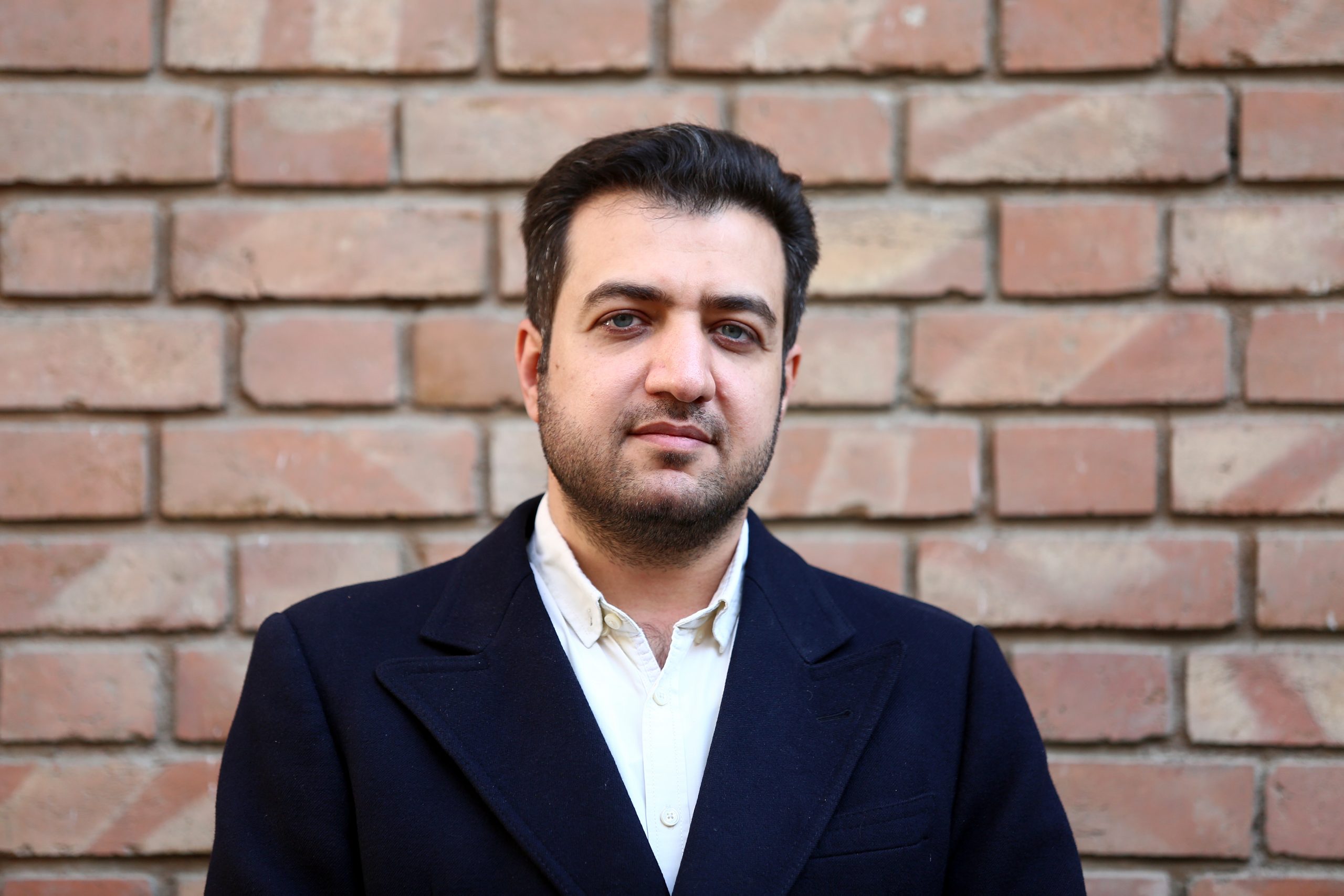
Farhad Beizaei; Renting in our country is a necessity rather than a choice/ conversation with Ali Kalaii.

“Renting is not a social issue, but it is a problem that has a unique situation in Iran,” says Farhad Beyzaei, a housing expert. He believes that renting should be a choice, not a forced option. However, in our country, it is a forced option, not a choice.
The issue of renting, especially in these times of the coronavirus, is a fundamental problem in our urban and rural life in Iran. The skyrocketing rents have no intention of decreasing and only continue to rise. This situation prompted us at Khatteh Salam magazine to have a conversation with Farhad Beyzaei, a housing expert and researcher, and former director of the housing policy group at the University of Science and Industry, about the issue of renting in Iran. Mr. Beyzaei gradually answered various questions in this short conversation.
He also mentioned the issue of hoarding housing as one of the factors contributing to the increase in rents. Beyzaei also spoke about the
Is renting considered a social problem in itself in an urban community? Or under certain conditions in society, does this form of housing selection become a problem?
Renting is not a social problem. But in our country, this issue has a special situation. Conditions in the housing market should be such that renting is a choice, not a necessity. Unfortunately, due to existing conditions, renting has become a necessity rather than a choice in our country. The conditions for homeownership are not favorable and there is no prospect for individuals to be able to own their own residential unit. Due to issues such as prices, accessibility, income disparities, and housing costs, families are forced to resort to renting. The avenues for accessing and owning a residential unit in our country are very limited and the conditions are not suitable for homeownership. Land supply is limited and the level of capital demand in the housing market is very high. All of this has made housing prices out of reach for households. In such conditions, because housing is a commodity and a basic need for households and is an irreplaceable necessity, families are forced to turn to renting. This in turn increases demand
You mentioned the issue of rent. In your opinion, what factors contribute to the increase in rent prices? What has been the reason for the rapid increase in rates in recent years?
We now have a very high number of empty houses and second homes owned by individuals who are hoarding real estate. This reduces the supply of residential units available for rent. In addition, there is a high demand for rental properties in the market. Almost all new families that are formed each year add to the demand for rental properties. On the other hand, the number of families who can afford to buy a residential unit decreases each year. This double pressure on demand in the rental market. Along with this, the decrease in supply in the market leads to a disruption in the supply and demand balance. This not only causes high rental prices in the market, but also has social effects such as a decrease in marriage rates or longer engagement periods in the country, or other issues especially for newly formed families.
In addition to this issue, the price and rental market are also dependent on the housing prices. This factor also affects the increase in rental prices. That is, whenever housing prices increase, in addition to
Has the increase in rent been a contributing factor to the expansion of slums, especially in major cities in Iran?
In this discussion, if we do not consider an appropriate response for housing demand in a planned manner, this demand will manifest itself through unplanned channels and people will fulfill their housing demand through these channels. However, people need to live somewhere. When we do not provide an appropriate and planned response, people turn towards unplanned and inadequate solutions, which leads to the issue of marginalization. The root of marginalization is the backwardness of governments in the field of housing planning. If governments can have proper planning and regulate housing supply according to existing demand, marginalization can be controlled. No household enjoys marginalization. No household wants to live in marginalized neighborhoods. But when there is no solution and they cannot receive their needs in a planned manner, they will inevitably move towards areas with less government control, where there is a possibility of illegal construction and marginalization grows. This is due to inadequate planning in the housing sector.
Who is responsible for managing and monitoring rental rates? And should there generally be such supervision, or should rental rates and housing prices be left to the market like other goods?
The main responsibility for controlling the housing market, both in the field of property and rental housing, lies with the Ministry of Roads and Urban Development. The regulator of the market should be this ministry. Some believe that this control must be done through direct tools such as pricing or government intervention. However, in countries where there is enough transparency, there are tools that can control rental prices through direct orders. But ultimately, indirect tools are more effective. For example, tax tools that encourage vacant and monopolized houses to enter the rental market and increase the supply of rental housing. Or a real estate system that needs to be established. Or rental operators who can allow the government to regulate or regulate the rental market. Unfortunately, such institutions do not exist in our country and need to be created. These are factors that can be directly or indirectly useful in controlling the rental market.
But the point is that the government does not have a plan to organize the rental market. Just as it does not have a plan for
What should be the appropriate planning framework for creating a balance in the current situation and providing the majority of rental housing seekers with suitable homes based on their incomes?
The government should solve the land issue in the country and remove the price of land from the overall housing prices. This does not mean that the price of land for all existing housing in the country should be eliminated. Unfortunately, some economists whose interests are involved in increasing land prices mistakenly say, “Can the price of land be removed from the housing price?” While the intention is for new housing developments that are happening. Yes, by providing land that is available or by expanding small and medium-sized cities, land can be made available there. Even in rural areas, there is currently a problem with land supply. This problem should not exist. People in rural areas should have enough land to build housing. The government can provide cheap land or land at zero cost for housing construction. This does not mean that the land prices for previously built housing in cities should be reduced to zero. They already had a price and may have value due to their geographical location. But the land that is allocated to people by the government
At the end, if there is any point, please let me know.
Some economic policies proposed by governments or economic experts to governments are based on increasing income. In order to move towards increasing income, there must be very high economic growth. When the current conditions are not suitable for the country, it is better for us to move towards alternative solutions such as reducing costs. The biggest expense in a household’s budget is housing. With the tools of land and assets that we have, which have no dependency on outside the country and are in the hands of government planning and policymaking, we can easily make housing accessible to people. At that time, with the same current income, it will be possible for them to become homeowners. This also leads to an increase in production and economic growth for the country. It also generates income for households through the employment it creates. It also makes many people who do not own homes, homeowners. One of the economic locomotives that can be invested in under current conditions and can attract people’s idle money is housing production.
Thank you for the time you have given to the peace line.
 Created By: Ali Kalaei
 September 22, 2020
Tags
Ali Kala'i Farhad Beizaei Housing rights Monthly Peace Line Magazine Number 113 peace line Renting Renting rate Right of asylum Tenants پیمان صلح ماهنامه خط صلح ماهنامه خط صلح