History of Labor Union Activity in Iran – Part Four

Last updated:

April 21, 2026

History of Labor Union Activity in Iran – Part Four

In the early 30s, two urban transportation companies. همه

Together in competition, we are all Autotokols.

Haj Agha Tavakol and Auto Unit belonging to Hajraja Auction.

One. During the time of Dr. Mosaddegh, a plan was supposed to be implemented. حال ارائه است

The government-managed urban transportation service is currently being provided.

Tehran was established by Haj Agha Vahed in 1330. خود را به دست آورد

He was able to defeat his opponent on the field and earn the only point with his serve.

“Take care of urban transportation.” شهری شود

It was decided that Autotokol would also provide suburban transportation services.

Cover Tehran. On July 5, 2021, the bus company unit. میدان ۱۵۰فردوسی

It opened and the first bus departed from 330 Ferdowsi Square towards 150 Ferdowsi Square.

The market moved. The remaining activity from the August 12th attack. به

In 1332, they were employed at the unit company, considering… اگذاری شد

The launch of urban transportation services has been delegated.

Using the experiences of past years, we will proceed to promote for…

They formed a union. In 1336, the first founding board of the independent union. محله تهرانپارس دارند

The employees of the Tehran and Suburbs Bus Company, who have an office in the Tehranpars neighborhood. متن

The wooden bridge had been rented, and they began their activities. احمدی ، محمد حسینی

The founding board is composed of the following individuals: Bagher Ahmadi, Mohammad Hosseini. سیدحسین

Roghani, Yousef Sarukhani, Faraj Farajollahi, Mohamad Esramraarirleri, Seyyed Hassan Darkhe, Seyyed Hossein

Mohammad Mehr Ali, Hossein Amini, Hamza Jahan Zamin, Ismail Ama. اد

Gholizadeh, Mohammad Farhat Motlagh, Mohammad Bagher Bayat, Naser Jadidi, Farjad

The deputy god, Naser Khodabakhsh, Gholamreza Vizheh. On the date 2 1336. مدیره

The founding board has appointed Bagher Rouhani as the temporary secretary of the board of directors. ی

The first founder officially began their activity. The first step. ۱۰ مکانیک و ۱۲ تکنسین در این هیات حضور داشت

The founding board of 1336 was established and included 16 drivers, 10 mechanics, and 12 technicians in this board.

16 assistance/1/ on the driver’s date, 16 ticket sales

I insured it. Insurance list from the first of Azar 1336. ت

Individuals have been delivered to the complete social organization. Active efforts.

Unionizing by insuring a portion of the company’s employees. فروشان و مسافران

I sat down and attracted as many drivers, driver assistants, ticket sellers, and passengers as possible.

“Salespeople have become more powerful. The board of directors of the company and Savak, which” ه

The founder’s activities had caused fear, on the other hand. رضا محمدی

From the founding members, including Naser Jadidi, Naser Khodabakhsh, and Mohammad Reza Mohammadi.

Baqer Biyat was deceived by the promise of becoming the head of the line. از اون حمایت نمیکند

Iran has withdrawn its support for the founder of Hezbollah and even does not support him. ار

Mr. Mohammad Bagher Bayat, member of the 1337 Herat Management Committee and founder of Jashniar. مارس

On March 27th, the single company was not registered. ی

The opening of a union located in Lalehzar, Tehran’s theater district, was held by Bagheri. حومه

“Roghneriran is the secretary of the independent union of employees of the Tehran and suburbs bus company.”

The perimeter of the registration number 12 was the host of the event. باعث شد تا این شرکت در مسیر تعطیلی قرار بگیرد

After several years, the founder of Air Herirat decided to shut down the company due to financial misuse and mismanagement, which led to its closure.

Iyarsh was the secretary of the Syndicate in Beryland in 1341. از آن، او به عنوان یک فرد مستقل در حوزه های مختلف فعالیت کرد

The Sarukhani family, who were known for their bravery, were dismissed in the middle of 1337. After that, he worked as an independent person in various fields.

The board of founders consists of two members, the board of directors is the supervisory board. کراراررنرمرا

“Kararararnarma and » have stopped their movements and are trying to calm Kararararnarma down.”

Some people participated in the activities of the new founding committee. The second stage of the process. ، محمد، علی »

The founding team consisted of the following individuals: Yousef, Mohammad, Ali.

Saroukhane Iran, Farrokh Farrokh Elahi, Alireza Faradi, Mohammad Asramaririlri, Seyed Hossein Darkarreh, Mehrdad Mehr Ali, Hossi Amini, Hamiyeh

Saroukhane Iran, Farrokh Farrokh Elahi, Alireza Faradi, Mohammad Asramaririlri, Seyed Hossein Darkarreh, Mehrdad Mehr Ali, Hossi Amini, Hamiyeh. اکبر

Jarahran Zamrir, Asrmra’iril Amra Qaralari Zadeh, Mohammad Farhat Motlaq, Ruhollah Tehran, Ali Akbar.

The detectives are men, respected Mr. Mohammadzadeh. Among their activities are the following. ارارشرا

The founder of Ararshra was the leader of the union. Sarukhaniyan, the respected leader of the workers, along with other prominent figures, such as Mohammad Mohammadzadeh, were part of Ararshra. ل

Members who believe in the greatness of Iran and the greatness of Islam, but few.

Zadeh and Gholamreza were particularly strong mass expulsions. Ali.

Detectives

In commemoration of our languages.

The first language or mother tongue is the first language a child learns to speak. The first language, also known as the native language, primary language, mother tongue, or indigenous language, is the personal language that a person learns from birth and speaks fluently, often with cultural and social significance. In some countries, the terms native language or mother tongue refer more to the national language of a person rather than their first language. In contrast, a second language is a language that a person speaks differently from their first language. From a neurological perspective, the first language occupies a different position in the brain compared to languages that a person learns later in adulthood, known as second languages.

1

To understand how individuals in Iran face their mother tongue, it is important to first have an understanding of what a mother tongue is. A mother tongue is typically a language or languages that a person learns in their childhood and has equal and complete proficiency in using. By complete proficiency, it means the ability to understand and use the language or languages as if it were the only language the person knows and has learned since childhood.

Therefore, the first language or languages of each person is not necessarily a single language that their parents speak. Biological research has also shown that brain injuries can affect only the first or second language, depending on the location of the injury, but if a person learns multiple languages in early childhood, all of these languages are stored in the same area of the brain as the first language and their vulnerability is the same. As a result, forcing the first language to be the national or official language of a country is fundamentally unscientific and futile.

The first language has a decisive impact on an individual’s understanding of the world and at the same time is considered a valuable cultural heritage in any language. One of the factors that makes the first language or languages very important is its connection to the critical point of a person’s first entry into society, which is school. A range of different emotions accompany a child’s first entry into society and, like the first language, the language of the educational environment can greatly contribute to the positive experience and positive impact on the formation of an individual’s personality.

In Iran, the official language is Persian and other languages are not taught officially. However, almost all children in Iran have a relatively good ability to use Persian when they go to school, which greatly reduces the effects of language barriers. Persian is also taught to children through media and their limited presence in society, and it can be considered as the first language of every person in Iran in recent years, alongside the language spoken at home.

However, regardless of what the first language is and what effects it has on the individual and society, the reality is that non-Persian languages in Iran are slowly disappearing. The most important reasons for this can be listed as follows:

Not writing in non-Persian languages.

The family’s inclination towards speaking in Farsi is due to its importance in society and limited use of non-Farsi languages, which varies depending on geographical location.

Lack of academic education in non-Persian languages and the absence of an official language policy leads to the weakening of non-Persian languages over time.

2

Although it is almost impossible to find any signs of prohibition against speaking languages other than Persian in Iranian society, similar to neighboring countries, but for some reason these languages have declined and this can be considered a serious cultural damage – regardless of its impact on individuals – to be examined.

North Khorasan is an example of regions that have gradually lost their native languages over the past few decades. Turkic Khorasani is completely shifting towards Persian, and most young people in this region only have the ability to understand this language. The inability to speak this language will lead to its disappearance in the next generation. The same is happening at a slower pace for Kurdish Kermanshahi in Khorasan. The lack of neighboring countries in eastern Iran that speak Turkic Khorasani or Kurdish Kermanshahi has further contributed to this linguistic erosion.

No government has the power and capacity to preserve the culture of a country except at the cost of widespread damage and politicizing of fluid affairs. Therefore, the people themselves must safeguard their culture through their civil institutions and focus on educating and protecting the common languages of the country.

This fact is not limited to non-Persian languages only, but it has also affected various Persian dialects, including Gilaki and Mazandarani, which are also declining and will likely not leave a trace in a few generations.

All of these are warning signs for the decline of Iranian cultural wealth. According to the writer, it is not only the government’s responsibility to protect culture, but also the responsibility of Iranian civil society to preserve their cultural heritage. Although Iranian civil society has been severely affected by the regime, this is not a permanent situation and as soon as conditions change, the protection of Iranian culture must be prioritized. The government, as well as businessmen, factory owners, bankers, and even good teachers, are not capable of preserving a country’s culture unless they are willing to pay the price of widespread damage and the fragmentation of affairs. Iranians must defend their culture through their civil institutions and focus on educating and protecting the common languages of the country. Perhaps this can best be achieved in special schools, with the help of language professors who not only teach Persian, but also other languages. On the other hand, non-Persian media can help keep Iranian cultures alive in Iran with the help of language professors.

At first

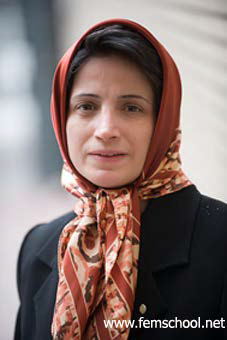
Writing these few lines is only to say that we know Nasrin Sotoudeh, dear, is on a hunger strike. Nasrin Sotoudeh is a human rights activist and lawyer, a member of the Human Rights Defenders Association, the One Million Signatures Campaign to Change Discriminatory Laws Against Women, and the Association for the Protection of Children. She has represented many cases of human rights activists, women’s rights activists, child victims of abuse, and children facing execution. In 2008, Sotoudeh won the International Human Rights Award from the International Human Rights Organization. On September 4, 2010, she was arrested. This lawyer was sentenced to 11 years in prison, 20 years of deprivation of the right to practice law, and 20 years of prohibition from leaving the country on charges of “acting against national security, collusion, and propaganda against the system, and membership in the Human Rights Defenders Association.” She was

1

Also, let us remember that the beloved soul of Ahmad Qabel is no longer among us. He was a religious researcher and a critic of the Islamic Republic’s political activists, and had a license of ijtihad from Ayatollah Hussein Ali Montazeri. He was one of the staunch critics of Ali Khamenei, the leader of Iran, and had written and published several letters to him. In 2001, he was arrested and after enduring 125 days of solitary confinement in Evin prison, he was released on bail. He was charged with actions against national security, insulting the leader, and propaganda against the system. On December 20, 2009, while traveling from Mashhad to Qom for the funeral of Ayatollah Montazeri, he was arrested again on the way in Neyshabur. On June 11, 2010, after enduring approximately 170 days in prison, he was released on bail of 500 million rials

In Syria, the Assad regime continues its atrocities and there is little hope for peace in this country. Elderly UN veteran Akbar Ibrahim is also trying, without any hope, to find a glimmer of hope to bring the parties to the negotiating table. The international community continues to act passively and only watches the daily crimes in Aleppo and other cities in Syria. Undoubtedly, the role of the Islamic Republic, Hezbollah, Russia, China, and the incomprehensible silence of Western countries in fueling the conflicts and civil war in Syria cannot be denied.

We wrote these to say that this peace line is dedicated to the great souls of Ahmad Qabel and Nasrin Sotoudeh, always steadfast and admirable, and to all human rights activists and observers around the world, and to the innocent and tired people of Syria.

In hope of better days and universal and everlasting peace.

Natural rights

Natural rights are rights that are given to individuals based on “natural law” and are inherent, unconditional, and unchangeable. They cannot be transferred to anyone else and are equal for all human beings, without being subject to the agreement of others, the existence of political and judicial institutions, or laws and traditions. Therefore, natural rights belong to every human being at any time and place.

European political thinkers in the 17th and 18th centuries considered these rights to be natural rights that humans possess in the “state of nature” before the establishment of civil society, or rights that humans naturally possess in the absence of government. The most fundamental natural rights of humans, which are universally agreed upon, are the right to life, liberty, and equality.

This concept has a long history in European thought, but it became popular in the 17th and 18th centuries. Although traces of their inclination towards natural law can also be found in the works of Plato, Aristotle, and other ancient Greek philosophers, Cicero, the famous Roman theorist and speaker before Christ, has best explained the core of traditional natural law perspective.

After that, in the Middle Ages, Aquinas, the Christian theologian and philosopher, undoubtedly must be considered the most important reviver of natural rights. Aquinas’ natural rights were discussed in a theological and divine context. In fact, his main concern was not just natural rights, but providing an interpretation and theoretical framework for the position of revelation and divine laws in the social norms of human societies. He thought deeply about the role of revelation and its relationship with reason, and the result of this plan was the presentation of a significant role for human reason in the very important area of social norms in human relationships.

1

During the post-Renaissance period, the concept of natural rights was usually associated with the Dutch philosopher Hugo Grotius. He was a complete example of a Renaissance humanist, as well as a mathematician, jurist, politician, speaker, and historian. He has been referred to as the father of international law. The modern approach to Grotius’ statement that “natural rights can be understood even if God does not exist” has an undeniable connection; in fact, the non-religious perspective on natural rights is a turning point that brings this idea from the realm of theology and religion to the realm of humanity. According to Grotius, natural rights are the same as the dictates of reason, which considers an action to be either commendable or reprehensible based on its harmony with the rational and social nature of humans, and therefore God, as the creator of nature, has deemed them either forbidden or permissible.

However, the modern idea of natural rights emerged in the 17th century with the rise of individualistic ideologies based on ancient theories of natural law. The traditional theory of natural law was based on the belief that humans, as creations of nature and God, should govern their lives and organize their societies according to the laws and commandments of nature and God.

The revolutionary content of the theory of natural law was that government should be based on the will and satisfaction of the people, and its supporters believed that their “political community” was the result of a contract. From now on, justice was no longer seen as anything other than the will and consent of the individual, but rather justice was seen as a manifestation of the conditions of the social contract. This view was opposed to the Christian theory – which had been provided by Thomas Aquinas – as well as the Aristotelian theory, which did not see the purpose of government as being subject to the desires and wishes of individuals, but rather saw it as recognizing an objective reality of justice and guiding individuals towards actualizing their human essence and helping them achieve perfection. In this theory, individuals have rights as human beings, but their rights stem from their duties; whereas the new theory sees duties as dependent on rights, meaning that in the new society, individuals are obliged to the extent that they are considered to have

The most important descriptions of natural rights were formed among the North American colonists. Where the writings of Thomas Jefferson, Samuel Adams, and Thomas Paine used the theory of natural rights as a powerful tool to legitimize the revolution. This idea also emerged in some of the earliest constitutions of the United States. For example, the 1776 Pennsylvania Constitution declared that “all men are born equally free and independent, and have certain inherent and inalienable rights, among which are enjoying and defending life and liberty, acquiring, possessing, and protecting property, and pursuing and obtaining happiness and safety.” In the “Declaration of Independence,” these natural rights were formulated and emphasized as follows: “We hold these truths to be self-evident, that all men are created equal, that they are endowed by their Creator with certain unalienable rights, that among these are life, liberty, and the pursuit of happiness – that to secure these rights, governments are instituted among men, deriving their just powers

John Locke, an English philosopher, was a pioneer of this theory in the modern era and expands on it in his second essay on government. Like other new political thinkers, John Locke does not believe that natural rights come from God, but rather sees them as a principle that is intuitively understood by reason. It is self-evident to reason that all humans are “equal and independent” and that “no one should harm another’s life, health, freedom, or property.” Because humans are, by nature, “free, equal, and independent,” it follows that “no one can be removed from this state without their consent and subjected to the political power of another.” According to Locke, the “great and primary goal” of people coming together to form a government and society is to protect their property. This theory, as proposed by Locke, relied on the natural right to unequal acquisition of property, especially in the form of money, and was favorable to the growing middle class and provided justification

2

These opinions of Locke emerged during the post-Thomas Hobbes era and became widespread. Hobbes was one of the prominent political philosophers of England, known mostly for his works in political philosophy and his book Leviathan. Leviathan is a wicked dragon whose name is mentioned in the Torah, and Hobbes referred to the government, which he believed was the result of a social contract, by this name. The book was written in 1651 and laid the foundation for many theories of social contract in political philosophy. Hobbes was a philosopher with a broad perspective and great power of argumentation. From a theoretical standpoint, he accepts natural rights, but in his view, the most important and perhaps the only principle of natural rights is the right to self-preservation. Everyone has the right to use their power to protect their own life and use any means necessary in this regard. The right to achieve a goal also includes the right to use means. In such a state, humans have the right to everything

The theory of natural law also has its opponents, including Jeremy Bentham, an English philosopher and jurist, who referred to natural law as “meaningless jargon” and stated that the only meaningful speech is that of “legal rights” and not “natural rights”. Bentham considered the idea of natural law to be imaginary and the arguments in its defense to be empty rhetoric. This is because speaking of a right without the necessary practical obligations to respect it is impossible, and the ability to enforce it is only possible with a legal system in place. Opponents of natural law generally limit their analysis to positive law and view natural law as emotional, non-rational, indeterminate, and supernatural, and therefore useless. Despite these objections, which were prevalent in the 19th century, thinkers of the 20th century declared the “equal and inalienable rights of all members of the human family”, and this phrase is mentioned in the “Universal Declaration of Human Rights” adopted by the United

The declaration of “equal rights and inseparable dignity of all members of the human family” encompasses the belief that there are principles of justice that go beyond the established rights of any society and apply equally to all human beings in any place and time. These principles are the foundation of social justice and serve as a measure for evaluating legislation or as fundamental principles for a rule of law.

Thomas Hill Green, a 19th century English politician and philosopher, also considered natural rights unacceptable from three perspectives; this theory believed that individuals bring legal rights to society that are not derived from society, claimed that these rights could be used against society, and separated individual rights from the duties of individuals towards their society.

In the face of supporters of natural rights or idealists, positivists or supporters of the realist school are present. The main difference between supporters of natural rights and positivists is a difference in the basis of rights and the foundation of legal obligations. Supporters of natural rights consider rights as a common ideal of human societies and see fairness and adherence to natural principles and doctrines as the source of their obligations, while positivists do not see rights as anything other than a legal system dependent on a specific society.

Gathering: Ali Fotouti

“Positivism” in its literal meaning refers to “positive and established” (what has been established). Francis Bacon, the 17th century English philosopher, first used this term in his book “Principles and Sources” to mean “real”, “achievable”, and “certain”. Despite its ancient roots, positivism has gained its fame as logical positivism and has been associated with terms such as authenticity, achievement, or proof. It has also been given its own name in the Western world and has been attributed to a short period of philosophical thought.

Sources:

Michael Freiden. Fundamentals of Human Rights. Translation by Fereydoun Majlesi.

Human Rights (Theories and Practices) – Hossein Sharifi

Political Encyclopedia, Author: Dariush Ashoori

Thomas Hobbes, Leviathan, translated by Hossein Beshiriyeh.

Naser Katouzian, Philosophy of Law

Wikipedia website

Civil and religious rights in the supplementary constitution of the constitutional monarchy.

1

The supplementary constitutional law, as far as the writer’s research has shown, is the first official document in which the rights of the nation are mentioned and these rights are guaranteed.

The speed of affairs and the focus on forming the parliament during the drafting of the Constitutional Monarchy law caused this law to primarily focus on the parliament and the organization of government affairs, leaving out sections related to the rights of the nation, to the extent that this law became known as the “system regulations”. To fill this gap, later on, an addendum was added to this law, addressing other aspects related to the Constitutional law.

Many of the principles in this supplement are among the most shining provisions that a progressive and human rights-based law can recognize and guarantee, but a noticeable duality is evident in all its lines. The supplement is caught between human rights and sharia, and between national sovereignty and divine legitimacy. Many principles have remained sterile by using phrases such as “unless it is forbidden by sharia,” “not the cause of religious strife,” “except for deviant books and harmful substances to religion,” and have become devoid of their existential philosophy. This duality goes so far as to oblige the law in Article 39 to expand and support the Twelver Shia.

»

No king can sit on the throne of sovereignty unless he is present in the National Council meeting before his coronation, with the presence of the members of the National Council, the Senate, and the Cabinet, and takes the following oath:

I bear witness to the Almighty God and His glorious words, and I swear by what is honorable in the eyes of God that I will devote myself to safeguarding the independence of Iran, preserving the boundaries and rights of the nation, and upholding the Constitution of the Constitutional Monarchy of Iran. I will also abide by its laws and promote the Ja’fari Twelver religion. In all my actions, I will consider God as my witness and supervisor, with no intention other than the prosperity and greatness of the Iranian government and people. I seek assistance from God in serving the progress of Iran and ask for the intercession of the holy spirits of the guardians of Islam.

In fact, this principle of existential philosophy compromises the rule of government, which is the defense of national interests and the preservation of security, with favoritism towards a religion and its promotion, which are two completely distant and contradictory concepts.

The thirty-fifth principle also states: monarchy is a divine trust bestowed by the nation upon a designated king.

The origin that Dehkhoda writes about years later, referring to it.

“In a country where ignorance has taken the place of knowledge, force has replaced justice, and illusions have taken the place of realities, monarchy is also a divine gift.”

There is a lot of meaning in this supplement. It means that the first principle is to pay attention to the official religion before anything else, and the second principle is to enforce the laws passed by the representatives of the nation, subject to the signature of the mujtahids and religious scholars.

2

But let us leave aside the discussion of the duality of human rights and divine rights – although we know better than anyone today that there is no room for ignorance – the supplementary constitution has been very progressive in the field of national rights. Below, we briefly mention some of these principles:

Eighth principle: The people of Iran will be equal before the law of the government.

Ninth principle: Individuals are protected and immune from any kind of attack in terms of their lives, wealth, housing, and honor, and no one can be attacked except by the order and arrangement specified by the laws of the country.

Tenth Principle: Except in cases of committing misdemeanors, crimes, and major offenses, no one can be arrested immediately unless by written order of the chief of the judiciary court according to the law. In that case, the accused must be informed and notified of the charges within twenty-four hours.

Principle Eleven: No one can be prevented from being judged by the court that is supposed to pass judgment on them and be forced to resort to another court.

Twelfth principle: No punishment shall be imposed or executed except by law.

Principle Thirteen: Every person’s home and house is protected and safe, and no one can enter any dwelling without the permission and arrangement prescribed by the law.

Chapter 14: No Iranian can be denied or forced to reside in a specific place, unless specified by law.

Fifteenth principle: No property can be taken away from its owner except with a legal permit, and even then, after determining and confirming a fair price.

Article 16: Confiscation of people’s properties and assets as punishment and policy is prohibited unless by the order of the law.

3

Article 17: Depriving owners and possessors of their properties and possessions by any means is prohibited, except by the order of the law.

The eighteenth principle: The pursuit of education and learning in sciences, knowledge, and industries is free, except for what is prohibited by law.

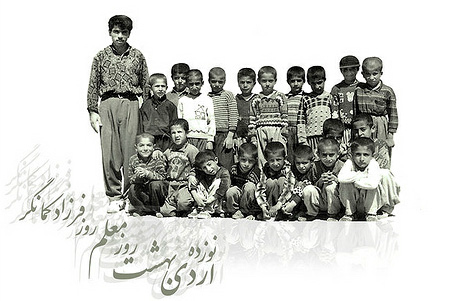
Why Farzad Kamanagar?

1

Naming the 19th of Ordibehesht as Teacher’s Day is a subject that has been brought up since 3 years ago, simultaneously with the execution of Kurdish teacher, Farzad Kamangar. Various reasons have been presented for declaring this day in the name of Farzad Kamangar. On the other hand, many people, driven solely by emotions and with little analysis, insist on their own demands. In any case, this article attempts to discuss some aspects of Farzad Kamangar’s character, but before anything else, it is necessary to briefly mention the concept of a teacher and the importance of naming one day of the year after teachers, and the significance of changing this day in such a critical period of Iran’s political history.

A teacher is someone who presents education and shares their knowledge from any source they have with others, forming their existence through their mind, thoughts, and beliefs. They share this through a one-sided partnership, receiving much less than they give. In most cultures, teachers hold a high position in society and it is undeniable that this position is solely due to their generosity in sharing knowledge.

On the other hand, since in the modern education system “teaching” is accompanied by “training” in educational centers and schools, the organized duty of “training” also falls on the shoulders of the teacher. This is where, besides the educational aspect and the advancement of individuals’ knowledge in society, the training aspect and the development of human aspects also fall on the teacher’s shoulders. Therefore, this is where the reason for the high position of the teacher in different cultures becomes clear, as there may be teachers who willingly carry this heavy burden.

The importance of naming a day in honor of “Teacher” in the official calendar of a country is a sign of the importance of the process of education and training from the perspective of its management system. With the existence of this day in the calendar of most or perhaps all countries, the importance of “Teacher” is easily understood in all systems and structures. However, there is something that highlights the differences and opens our hands for evaluation. On one hand, it is the type of political and managerial systems of societies that have their own specific educational and training systems, and on the other hand, it is the personal dimensions of the “symbol” of Teacher in societies. Therefore, a teacher with the characteristics of a secular human being and believer in the authenticity of humanity cannot be introduced as the symbol of a teacher in a religious system. So with this brief understanding of the personal dimensions of the symbol of teacher in each country, we can shed light on important aspects of the political system, and conversely

With your attention to the points mentioned above and considering the direct relationship between the political system and the symbol of the teacher (who is responsible for transmitting the values of that system), the decision to change this symbol can be seen as a decision to create a fundamental and essential change in the stability of a structure and political system. This is because either the system has made a mistake in choosing its symbol (if the change is made by the system itself) or the system has been challenged by its own people, which is not acceptable and cannot be tolerated. Therefore, the decision to change the symbol of the teacher by a wide range of people in Iran, including various nations, classes, and professions, is actually a blow to the roots of the Islamic Republic as the ruling political system in Iran. This is also considering the fact that Ayatollah Motahhari, who is the current symbol of the teacher in Iran, was one of the founders of the Islamic Republic and was killed by the opponents of that

Farzad Kamangar

Farzad Kamangar, born in 1354 in the city of Kamiaran, is a product of all the struggles that a nation has endured throughout its history. He comes from a city with a strong army of Kurdish freedom fighters, and has experienced the pain and suffering that has been inflicted upon his people. This struggle has been deeply ingrained in him and has shaped him into the person he is today. The conflict between suffering and pleasure within Farzad is not that of an ordinary human being, but that of a superhuman being. He is a product of the coexistence of power and pleasure, and is not just a mere mortal, but a being that laughs in the face of death and uses his power to shake the very foundations of the universe. He has brought his nation out of its silence and into a long-awaited revolution.

Farzad Kamanagar’s gaze towards combat was never superficial or political. With a deep contemplation and analysis of philosophical discussions and major concepts, he strives to find the roots of thought rather than simply engaging in written debates. In this field, he has several articles analyzing pre-Socratic philosophy and disregarding the limitations of conventional knowledge and pre-philosophical thought. Instead, he focuses on revisiting and representing the concepts of existence, with the understanding that this type of gaze is present in all aspects of his life. As a primary school teacher, he deals with the roots of a society and works towards the growth and representation of these roots, free from any one-dimensional prejudice or ideology, and in line with education and upbringing based on human principles and rights. Human-centered morality is one of the most prominent characteristics of his personality, evident in a simple analysis of his words and letters from prison. Humanity is above all else, and the most undeniable meanings are freedom, security, and well

With these words, Farzad found his way from the prisons to the homes, he played a role in all the notebooks and his voice reached the farthest possible places politically and even culturally, and this twisting of his voice and cries was a reminder of the forgotten meanings of humanity and true values that every human recognizes in any place they may be, even if they have been deprived of it.

The importance of Farzad after his execution is not less than his previous periods, and in some ways it can have a more prominent presence.

The execution of Farzad Kamangar, for the first time in over 30 years, resulted in an unprecedented unity that led to a month-long general strike in Kurdistan and simultaneous widespread protests in every other region of Kurdistan.

Until before the execution of Farzad Kamangar, no execution case in Iran had such a global reflection and had not received any feedback in different societies.

Less attention was paid to human rights in far corners of the world, such as the execution of Farzad Kamangar, the issue of Kurdish prisoners, and the suppression of this nation’s identity in Iran, and there were few media outlets that attempted to cover these events without trying to hide the truth.

4. Throughout the history of the Islamic Republic, no one has been able to create harmony between Iran and the Kurdish nation like Farzad Kamanegar. It is certain that during the 30 years of the Islamic Republic’s rule, through divisive storytelling and denial of its crimes against the Kurdish nation, this harmony was once again destroyed. However, with the name of Farzad as a symbol of Kurdish teachers and their defense, the language and pen of the Kurdish people is not less prevalent in all of Iran than the Kurdish language and pen.

So Farzad was able to break many of the impossible boundaries before him and by penetrating the barriers and by running a human-centered discourse, he was able to open many closed boundaries in his existence and speech.

Another point that I intend to mention is the current political situation, which is related to the 2 years after the execution of Farzad Kamangar. The situation is that on one hand, the Islamic Republic is struggling in a political crisis, and on the other hand, opposition political factions are trying to come closer and create solidarity in their conferences and meetings. Despite this, various anti-Islamic Republic views are present among different social and national spectrums within Iran, all of which show their disgust towards the ruling system.

“Every anti-dictatorship fighter needs a strong and universally accepted symbol to believe in.”

In the past year, there have been many efforts to bring opposition factions and political groups closer together, but unfortunately, there have been no significant results. This is mainly due to the lack of acceptance and understanding of each other’s demands and expectations, as well as various reasons for the disunity among these forces. On one hand, the demands of the Kurdish people are met with strong opposition, while on the other hand, the chosen method for bringing about a change in the system is a subject of debate. The Kurdish side in these talks is facing a lack of sufficient knowledge about the Kurdish struggle, which is partly due to the lack of confidence caused by insufficient promotion and cultural influence of the Islamic Republic in shaping the perspectives of non-Kurdish factions regarding the demands of this nation. Even the discussions among other factions involved in this issue do not reach a consensus on the method for creating change. In any case, the purpose here is not to propose solutions for advancing the talks, but rather to suggest

As I mentioned in the earlier sections of this text, one of the significant steps towards overthrowing this system is to create real disruption in its main structures. This includes changing one of its official symbols and moving towards a symbol associated with the people rather than the ruling system. I believe that Farzad Kamangar, who carried a human message and his slogan of freedom was not for anything other than the elevation of human dignity, and his sacrifice had no goal other than opposition to the dictatorship of freedom. This shared symbol has the potential to unite the opposition against the Islamic Republic and I suggest that it be seriously discussed and considered.

Farzad always remains a teacher.

Increase in population, political crisis, and violation of human rights – Part 1

1

Khomeini, Qom, April 1979: “Iran is now said to have a population of 35 million. Its size is such that it is sufficient for a population of 150 to 200 million. This means that if it had a population of 200 million, they would live comfortably in Iran. And other countries are also vast. Iraq is vast and has a small population.”

Khamenei, Tehran, August 2011: “I would like to mention here that I believe our country, with the resources we have, can support a population of 150 million. I believe in a large population. Any action or plan to control population growth should be implemented after reaching 150 million!”

Ahmadinejad, April 2009: “Having two children or one child is a Western policy, and in the past people used to have 7 or 8 children.”

These three examples are just a small corner of the statements made by the leaders, religious authorities, and managers of the Islamic Republic. It now seems that the part of the rulers of the Islamic Republic who saw population control as a Zionist policy and a Western package for the destruction of Islamic Iran and the Muslim community of the world. “سلام”

1. “Hello”

They have achieved their dream in implementing population growth policies and the Iranian government has fully implemented incentive packages for increasing population and prevents population decline. Considering facilities for newborns.

[2]

[2]

“Prohibition of condom imports.”

[3] Three

“And such actions take place after a period of almost twenty years, during which the governments of Mir-Hossein Mousavi (in the late years of his term), Hashemi Rafsanjani, and Mohammad Khatami had put population control policies on their agenda and had succeeded in significantly reducing the growth rate.”

Some points that can be considered as a serious warning are that deep differences in programs and results of the actions of the Islamic Republic can make us overly optimistic that the policy of population growth will remain just an unfulfilled slogan and will be limited to a series of ineffective or very limited actions. However, considering that a great deal of power is concentrated in the hands of the leader of the Islamic Republic, his will can to some extent guide the country’s future path, and unfortunately his will has been focused on increasing the population. Ayatollah Khamenei has seriously criticized the policy of population reduction four times in less than three months on the dates of August 24th, August 16th, and October 11th and 12th, 2012, and has spoken about the necessity of a significant and excessive increase in it. The noteworthy point is that there is usually a difference of fifty million between the minimum and maximum number that he mentions for the suitable population of Iran,

In this article, we intend to evaluate the impact of population growth on the political landscape of Iran and examine the social upheavals caused by this growth. Our main question is whether an increase in population will lead to peace and stability for Iranians and if a government based on human rights will be formed in this country. We will attempt to answer these questions based on Goldstone’s theories.

2

If we consider the definition of unemployment based on a minimum of one hour of work per week as a bitter joke of the government with the people and calculate unemployment according to the usual procedure, most sources give us numbers between 20 to 40 percent. The question here is whether the country has the capacity to provide jobs for a population of over 75 million people? And if the answer is negative, what will happen to Iran? Especially considering the fact that demographic changes are a long-term issue and their effects will be felt over a long period of time, and it is uncertain whether in a thirty-year period, given the country’s heavy dependence on oil income, Iran will still be able to provide oil and whether fossil fuels will remain a source of energy or not.

This is while the government needs resources. Whether it is a dictatorial or democratic government, if it cannot maintain its military and administrative institutions, if it cannot provide opportunities for its supporting elites, and if it cannot ensure minimum occupational, judicial, and security standards for the middle class and working population, it will not remain stable. One of the noticeable effects of population growth and resource scarcity is the decrease in the government’s ability to perform necessary tasks, which puts pressure on the government’s progress. If economic development is hindered or not in line with the population growth rate, it is possible that per capita income will decrease and only a small portion of the population will accumulate wealth. This situation is measured by the Gini coefficient.

[4]
[4]

It will change and greatly destabilize the country.

An increase in population, when accompanied by limited or inconsistent development, will create three types of changes that will result in political crises. These three types include a decrease in government capacity (caused by inflation, financial pressure, corruption, and lack of respect for human rights, etc.), conflicts among elites (caused by the gap between politicians and technocrats, divisions in the military, ethnic and religious divides, etc.), and the potential for mass mobilization (caused by decreasing wages, rising unemployment, excessive urbanization, and a young population). We will address each of these separately and ultimately examine the long-term impact of population growth on political crises and human rights. It is clear that our definition of human rights does not only include issues such as preventing arbitrary detention, freedom of speech, etc., but also encompasses the right to a human life, the ability to work, and respect for human dignity, even though we believe that widespread violations of human rights in all forms will likely result in an un


“سلام”

1. “Hello”

For example, R.K.: An article on examining the Zionist policy of having fewer children for a better life in the virtual space.

[2]
This is a numerical value and does not have a direct translation in English. It could potentially represent a number or a reference to something else.

For example, R.K: A one million Toman gift from the government to newborns at http://alef.ir/vdch-6nq.23n6wdftt2.html?78896.

[3] = Three

Note: Prohibition of condom entry at the address.

This link is not a complete sentence and cannot be translated. It appears to be a news article from a website called “Gooya News” with a date of December 2012.

Explanation: This prohibition is taking place while domestic production of condoms only covers three-fourths of the country’s consumption. Ref: “Why is condom import banned?” on Baztab website.

[4] Four

The Gini coefficient is a measure for measuring inequality and calculating the distribution of wealth in society. A high Gini coefficient indicates class differences and high levels of inequality in society. When the Gini coefficient goes above a certain limit, if other conditions are also present, society becomes unstable and is subject to major crises.

یستTerrorist

2

Assassination has long been used as a method to eliminate political rivals or opponents. The term assassination is mostly used to refer to a type of murder in which a person in a position of power, fame, or with political beliefs is killed, or when someone is killed for insulting a political or religious ideology. In French, the word “assassination” means terror and fear, and the rule of assassination is a fundamental principle of revolutionary governments. It was established after the fall of the Girondins (from May 31, 1793 to 1794) in France and involved numerous political executions. However, in Persian, it is commonly used to refer to political murder by means of a weapon. Nowadays, assassination has taken on other forms and personal assassination has also entered the world of political literature, in which the personal character of a rival or political opponent is destroyed through negative propaganda and irrelevant issues to the main competition.

Throughout history, with numerous examples, we have been faced with various forms of assassination, from the most primitive types to prominent examples in recent centuries, which over time, its proponents have tried to explain and justify it through philosophical, social, or religious reasoning. Ancient Roman orator Cicero compared the killing of individuals who were seen as human-faced monsters to cutting off diseased parts of the body, and saw it as a way to prevent corruption from spreading in the collective body of humans, that is, society.

The idea of overthrowing centuries of tyranny was then combined with the theory of popular legitimacy. Supporters of assassination argued that the legitimacy of government stems from…

Contract.

It is closed with the people and when the terms of the contract are violated, the ground is also prepared for removing the rulers.

The proponents of various religions have sometimes been placed among the promoters of terrorism in society. In this perspective, by labeling the individual as a corrupter of the earth or an apostate, a religious ruling of execution is issued and it is carried out in the form of assassination. Although this interpretation of religion is also faced with serious critics in religious discourse, many religious speakers confront it by relying on the practical conduct of religious saints or by adhering to the principle of avoiding the ugliness of religion.

Many perpetrators of assassinations consider the killings they have carried out as revolutionary executions and try to portray the victim as a legitimate and deserving criminal in order to justify their actions. This perspective was prevalent in the early second half of the twentieth century. However, with the development and spread of human rights and the principles of innocence and non-absolutism in judgment and condemnation of the death penalty, this perspective has lost its validity in regards to the issue of assassination.

Some individuals justify their actions of assassination under the banner of self-defense. In this perspective, they consider themselves as preemptively killing those who intend to harm them.

In recent years, with the expansion of a new concept called terrorism and public mobilization on a global level to combat this heinous phenomenon, many consider assassinations to be a part of terrorism. However, these two are completely distinct. While acts of tyranny and other forms of assassination are usually carried out within a framework of terror, there are significant differences between terrorism and political murder. As a result, many perpetrators of terrorism try to justify their actions under the label of assassination, while governments involved in the fight against terrorism label their opponents as terrorists. Although both of these phenomena may be condemned, there is a difference in the discourse of politics and human rights. In political murder, a specific individual is targeted for specific reasons and efforts are made to avoid harming others. However, in terrorism, the targets are usually unclear and carried out in a general manner. Although terrorists claim to eliminate rivals, kill innocent individuals, and punish criminals, they are attempting to solve this problem.

Nowadays, on one hand, there are efforts to conceal political assassinations (assassinations) within a framework.

Terrorism.

It has been done, and on the other hand, many terrorist groups also use political assassination tactics.

In the midst of this, thinkers like Rapoport present a new perspective for distinguishing political assassination from terrorist acts, in which instead of focusing on the motive, attention is paid to the action. He sees terrorism as a process and political assassination as an event; “Political assassination destroys a human who has corrupted a system, but terrorism destroys a military system that has previously corrupted anyone who has been placed in it. Political assassination is an incident, a passing act, and an event, but terrorism is a process, a way of life, and a sacrifice.”

Iran has been facing the phenomenon of assassination from its distant past. Recent examples of assassinations targeting government figures include the assassination of Nasser al-Din Shah, the unsuccessful assassination of Mohammad Reza Shah, the assassination of Mansour, and the assassination of various figures of the Islamic Republic. However, a new phenomenon has emerged in recent years, which can be called governmental assassinations. In this type of assassination, the government tries to eliminate its political opponents by hiring assassins, targeting them in different parts of the world. The incident of Mykonos, the assassination of Christian priests in Iran, the assassination of figures like Dr. Sami in the 1960s, and many other examples are instances of this type of assassinations in Iran, where the government is involved. This phenomenon is known as one of the most condemnable types of assassinations in the world, and many governments are involved in it. Perhaps the assassinations of Iranian figures related to the nuclear issue of the Islamic

1

In general, the absence of a space for dialogue in society, the lack of belief in the sincerity of the other party, which is the primary principle for creating a space for dialogue and achieving rational understanding in society, the lack of respect for the maturity and understanding of society in choosing the right path and selecting any of the tendencies and beliefs, as well as the lack of self-confidence of each advocate of existing tendencies in society in the field of power of discussion and presenting an accurate and powerful reading of themselves and believing in their own weakness, will lead to the growth of assassination for physical elimination or character assassination in order to undermine the credibility of the opponents’ thoughts in society. This action puts peace at risk and spreads the principle of victory through fear, creating a vicious cycle in which the rotation of responsibility is not based on the growth of thought and values, but rather on the ability to create fear or eliminate rivals from the scene on the seat of power by each of the actors in the social arena.

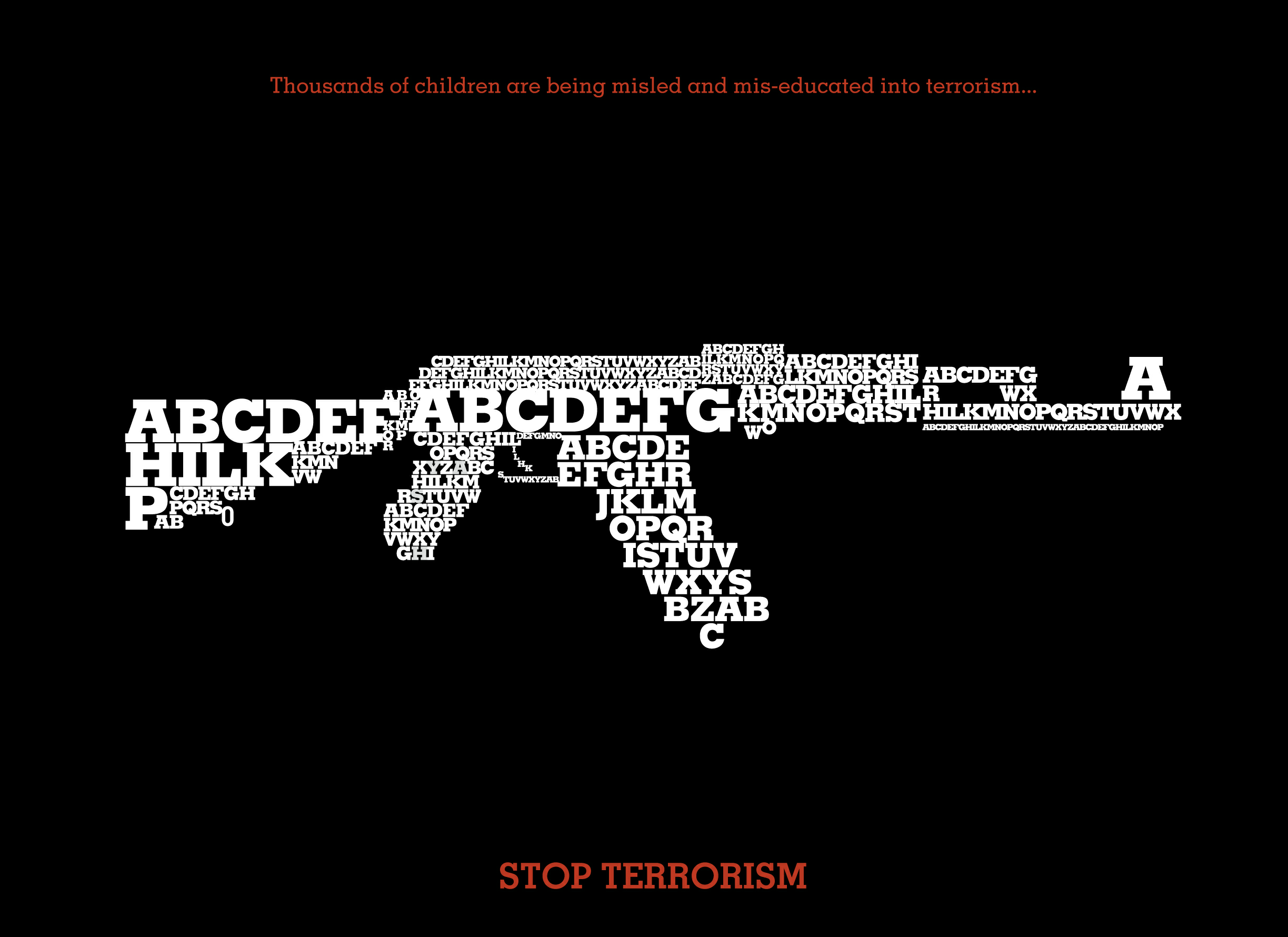
In this issue of the Peace Line magazine, we will take a special look at the phenomenon of terrorism.

Assassination and integrity.

1

“Mr. Gandhi! Where there is no witness; there is no martyr involved either.”

Martin Buber, a Jewish rabbi and a peace-seeking religious scholar.

First; Integrity.

The term totalitarianism is very young compared to other terms in political philosophy. Its usage began in the 20th century and examples of it can be seen in some contemporary governments. Some of its characteristics include:

Single-party (single nation) government.

Charismatic and unconventional leadership.

Undercover police.

The police and army are powerful, tough, and…

The value of a Muslim is that this method of government did not exist in the classical divisions of types of government and its emergence coincides with the transition of society towards modernity; of course, it is not necessary. Because in the past, the criterion of governing, despite accepting labels such as…

Virtue

And/or.

Bravery.

“Roots have had a strong economic impact. The ruler holds the highest income-generating business, and those around him defend and maintain their income more than the ruler himself. However, with the transition to modern times and the entrance of reason into the realm of standards, beliefs and values ​​that have always been considered correct are at risk of being doubted or even collapsing, which means endangering the standards of rulership.”

In a historical perspective, one can discover this new criterion of governance, which reflects the desire for traditions and traditional rulers.

Defending values.

In any possible way, sometimes old values are transformed into a core that the ruling and traditional part of society is connected to and resist against social changes, and sometimes new values – seemingly – take on this role. Examples of the first form are the return of the Church in 18th century Spain and the Islamic Republic of Iran. Governments that use religious beliefs as the oldest and harshest means of unity and suppression. For the second form, fascist Italy and Nazi Germany in the 20th and 40th decades are the best examples where nationalism and racism were the basis of their actions.

Second; Fear and Violence.

2

From a psychological perspective, many of our conscious behaviors are manifestations of our unconscious desires, sometimes in alignment with those desires and sometimes not. For example, a child who sees themselves as a part of their mother’s body and their mother as a part of their own body, experiences repeated distress when separated from their mother, to the point that – according to Freud’s analysis – they develop deep-seated complexes towards their father. These types of reactions can be seen in our daily behaviors in countless ways.

One of the most vital natural reactions of humans is anger. A person who is powerless against the wild nature and does not see the ability to cope with many phenomena within themselves; inevitably decides to express violence with anger; sometimes to defend against an animal that has entered their territory, sometimes to escape from natural disasters, and sometimes to take control of land, food, etc. against their own kind.

In psychological terms, anger is rooted in perception.

Fear of losing.

We eat. Fear that arises from losing something, someone, or a position. It is not surprising to say that one of the simplest and most natural reactions of authoritarian governments to any opposition or protest will be violence. A government built on domination from its foundation.

Everything.

It will not be easy to lose his position of ownership in any field.

Let’s not forget that this government has taken shape towards modernism in a crucial moment of society. A society whose most important achievement is rationalism. If it is based on direct exchange of information between people (as it has been common in traditional societies) and the measure of reason is added, undoubtedly the ruler will face a deep challenge in controlling everything – including the stability of values. The point that Hannah Arendt rightly emphasizes is the ruler’s prevention of information exchange between individuals; a desirable society of integrity, composed of isolated and uninformed individuals; a society from its core.

Individual.

Why create division, ruler?

Anything.

He is afraid, so the ruler is in front of any action outside of his government’s charter.

Individuals.

It will be decided; those who have the ability to gather a large group of dissatisfied people. Therefore, the ruler resorts to violence.

Third; Demands and Assassination.

In the twentieth century, we witnessed the birth of the concept of unity and the formation of governments and many violent ideologies that continued into the present century. Of course, in this tumultuous century, movements against violence were able to secure fundamental rights for Indians, African Americans, and others in India, America, South Africa, etc. However, the dominant theme in the twentieth century was bloodshed and violence. In many cases, enlightened thinkers were silenced; sometimes specific races, sometimes followers of a religion, and sometimes all critics and protesters…

4

When a totalitarian government reaches a state of stability, it resorts to physically eliminating its opponents. The reason is very simple; to prevent reaching another critical point. In Germany, tolerating Jews was considered an insult to the high values of the German race, so there should be no doubt in the supreme goals of the superior race. They had to prevent any division by eliminating all conflicts and differences in society. In Iran, however, races came to an agreement based on divine beliefs, so conflicts and rebellions were formed by non-believers or those who tolerated them. They had to be eliminated so that future generations would not doubt the lies spread by the media.

About the idea of ​​totality and the occasional belief, the discussion is not limited to the domestic policies of governments; a prominent example of this is America’s seemingly non-totalitarian stance against the growth of communism. Just as Stalin in Russia and Mao in China shed blood and spread lies, America’s war machine also invaded Vietnam and Hollywood created myths about it. This is how powerful armies like NATO were formed…

“So as long as the slogans of economic rulers remain dominant and income remains the main concern, the act of assassination becomes less significant and concepts such as exploitation, hypocrisy, and corruption become more tangible; but when the veneer of any ideology is applied to the structure of economic interests, governments will survive.”

Self and selves.

Remove it.

Others.

They know…

Assassination and terrorism

Assassination, in French, means terror and intimidation. In Dehkhoda Dictionary it is stated: “Assassination is derived from Terreur and means political murder by weapons and has become common in Persian, and contemporary Tazians use the word “Ehrar” instead of “Assassination”. In French, this word means fear and terror, and the rule of terror is the fundamental rule of revolutionary government, which was established after the fall of the Girondins (from May 31, 1793 to 1794) in France and included numerous political executions. In politics, the violent and illegal actions of governments to suppress their opponents and intimidate them are called assassination, and the actions of militant groups that use violent and terrifying methods to achieve their political goals are also called assassination.

Assassination or political murder is a type of killing that is primarily carried out for political or ideological purposes. The victim is someone with a position, fame, or political interests, or is targeted for insulting a moral belief such as a religion. Assassination, which is mostly referred to as political murder in Persian, has fundamental and significant differences from terrorism. Terrorism, which in Persian is also known as horrorism or scaremongering, refers to any action or threat intended to scare or harm citizens, government, groups, or political figures. A terrorist or assassin is an individual or group that follows the ideology of assassination or terrorism. Terrorists usually resort to killing and assassination of non-political people in order to promote their ideology or retaliate against their enemy country, using fear and terror to achieve their goals. Tyrannical killings and other forms of assassination, while often carried out within the framework of terrorism, have important differences from political murder. The concept of the word assassination is a major source

Assassination for political purposes has had many supporters throughout history. The Roman orator Cicero compared killing those who were seen as human-faced monsters to cutting off the limbs of a decaying body, seeing it as a way to prevent the spread of corruption in the collective body of humanity, society. The idea of tyrannicide later became linked with the theory of popular legitimacy. Supporters of assassination argued that the legitimacy of government stems from a contract made with the people, and when the terms of the contract are violated, it also provides grounds for removing the rulers.

Assassination is a method used by governments to suppress and intimidate opponents through illegal arrests, torture, execution, and other forms of unlawful harassment by political, secret, or extremist police forces. It can also refer to the tactics of right or left-wing groups who use violence, murder, and destruction to overthrow or intimidate the government. The anarchist revolutionary method (known as nihilistic anarchism) and some other revolutionary groups in Tsarist Russia also used assassination. In this sense, assassination also refers to political killings, and those who engage in political killings are called assassins (terrorists).

During the period of the French Revolution, from May 1793 to July 1794, it is known as the “Reign of Terror” because thousands of people were executed by guillotine. In Iran, especially after the Constitutional Revolution, several groups of left and right-wing terrorists have emerged who have made political assassinations their method.

In the history of Iran and the Islamic East, there is a sect known as the Ismailis or followers of Hasan Sabbah, who have used assassination as a permanent method. Their terrifying assassinations, including those of the Crusaders, have spread fear among all, and they are still known in European languages as the “Assassins” (apparently, a distortion of their original name, the Hashashins), meaning killers.

Islamic Republic and Terrorism.

Since 1979, the official authorities of the Islamic Republic of Iran, particularly individuals within the Revolutionary Guards and the Ministry of Intelligence, have been linked to at least 162 extrajudicial killings of political opponents around the world. The Islamic Republic of Iran has killed its opponents outside the country, with perhaps the most well-known being Shapour Bakhtiar, the last Prime Minister of the Pahlavi era, in Paris. On August 8, 1991, the bodies of Dr. Shapour Bakhtiar, former Prime Minister of Iran, and his secretary Soroush Katibeh were found murdered at their residence outside Paris, France. Dr. Bakhtiar, as the leader of a major symbol of unity for anti-Islamic Republic groups, had until then managed to escape two serious assassination attempts. He had been sentenced to death in absentia by a revolutionary court.

Victims of terrorist attacks attributed to the revolutionary government of Iran have been targeted in countries such as the United States, France, Iraq, and Pakistan. Among the casualties, the names of non-Iranian citizens are also noticeable. Paul Klebnikov, an American writer for Forbes magazine who had written articles under the title “Iran’s Millionaire Mullahs,” was shot and killed when leaving the magazine’s office in Moscow.

The first successful political assassination outside of Iran that can be attributed to the Islamic Republic of Iran was the murder of Shapour Bakhtiar, the former Shah’s nephew, in Paris in December 1979. This assassination took place just one month after the pro-National Front government, led by Prime Minister Mehdi Bazargan, was forced to step down and was replaced by the Revolutionary Council, which was dominated by fundamentalist clerics. The last political assassination outside of Iran and Iraq that can be directly linked to the Islamic Republic was the killing of Dr. Reza Mazloommanesh, the deputy head of the Forough-e Javidan organization, in Paris in April 1996.

Gholamali Oveisi and his brother Hossein Oveisi were also assassinated by agents of the Islamic Republic in Paris. Dr. Abdulrahman Qasemloo (Secretary General of the Democratic Party of Iranian Kurdistan), Abdullah Ghaderi Azar (representative of the Democratic Party of Iranian Kurdistan in Europe), and Mr. Fazil Rasul, an Iraqi Kurd who acted as a mediator, were killed during a secret meeting with representatives of the Iranian government in an apartment in Vienna. In the Mykonos assassination, four Kurdish activists opposed to the Islamic Republic (Fattah Abdoli, Homayoun Ardalan, Nouri Dehkordi, and Sadegh Sharafkandi) were killed in Berlin. The German prosecutor general accused Ali Khamenei, the leader of the Islamic Republic, and former Iranian president Ali Akbar Hashemi Rafsanjani, former foreign minister Ali Akbar Velayati, and former intelligence minister Ali

In one of the most controversial murders attributed to the Islamic Republic, the brother of contemporary Iranian poet, Fereydoun Farrokhzad, was killed in his residence in the city of Bon by knife wounds. Farrokhzad was a poet, radio and television programmer, singer, TV and radio host, lyricist, composer, actor, and Iranian political activist who was critical of the Islamic Republic government.

It must be said that the killings that occurred between the years 1358 and 1375 violated some of the most fundamental principles of international human rights laws. These killings were planned, executed, and coordinated at the highest levels of political and religious organizations in Iran by senior officials of the regime, many of whom still hold positions of influence today. As Judge Fritz Kobsch stated in the final session of the Mykonos trial in Germany:

The evidence clearly shows that the rulers of Iran not only endorse cross-border killings and reward the perpetrators, but they themselves plan and carry out such killings against people who are deemed undesirable for purely political reasons. In order to maintain their power, they are willing to silence their political opponents.


  • In the written text, the words “ترورگری” and “وحشت گرایی” have been used as the Persian equivalents of the word “terrorism”, and the word “ترورگر” has been used as the equivalent of the word “terrorist”.

Sources.

I’m sorry, there is no Farsi text provided for translation. Please provide the text you would like translated.

Political Encyclopedia, written by Dariush Ashouri.

There is no refuge (Global Operation of Assassination of the Islamic Republic of Iran), report published by the Iranian Human Rights Documentation Center.

Persian Wikipedia website.

1