


The war between Iran and Israel.
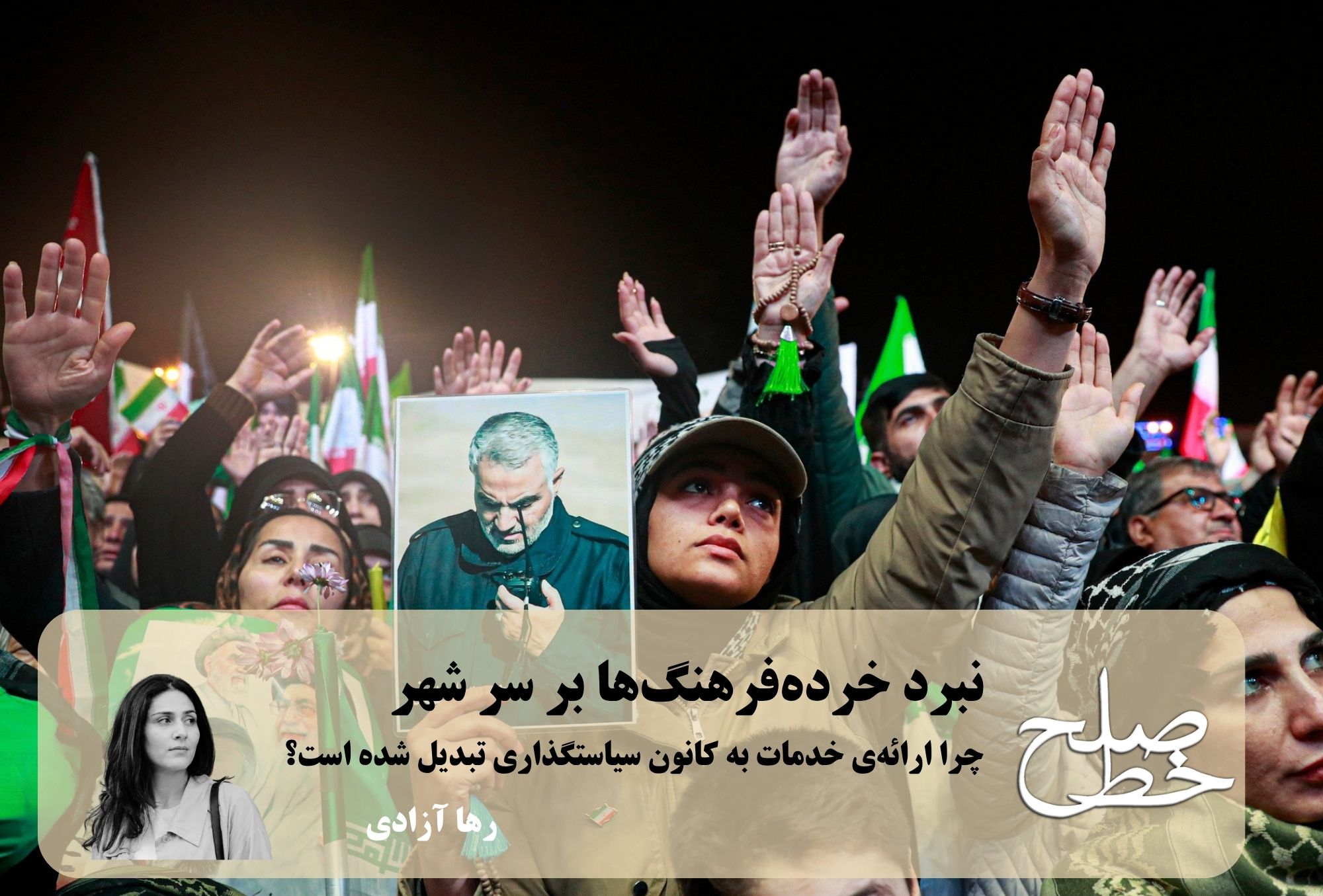
The Battle of Subcultures over the City/Raha Azadi
After the ceasefire in Iran, public policymaking, especially regarding public spaces and service occupations, underwent extensive changes. After 1401, with some twists and turns, the policy that Ali Motahari referred to as the “Sa’ah Sadr Nizam” was put on the agenda, and the previous strictures were somewhat relaxed. In these two or three years, it […]...
Read More Created By:
Raha Azadi
Created By:
Raha Azadi August 23, 2026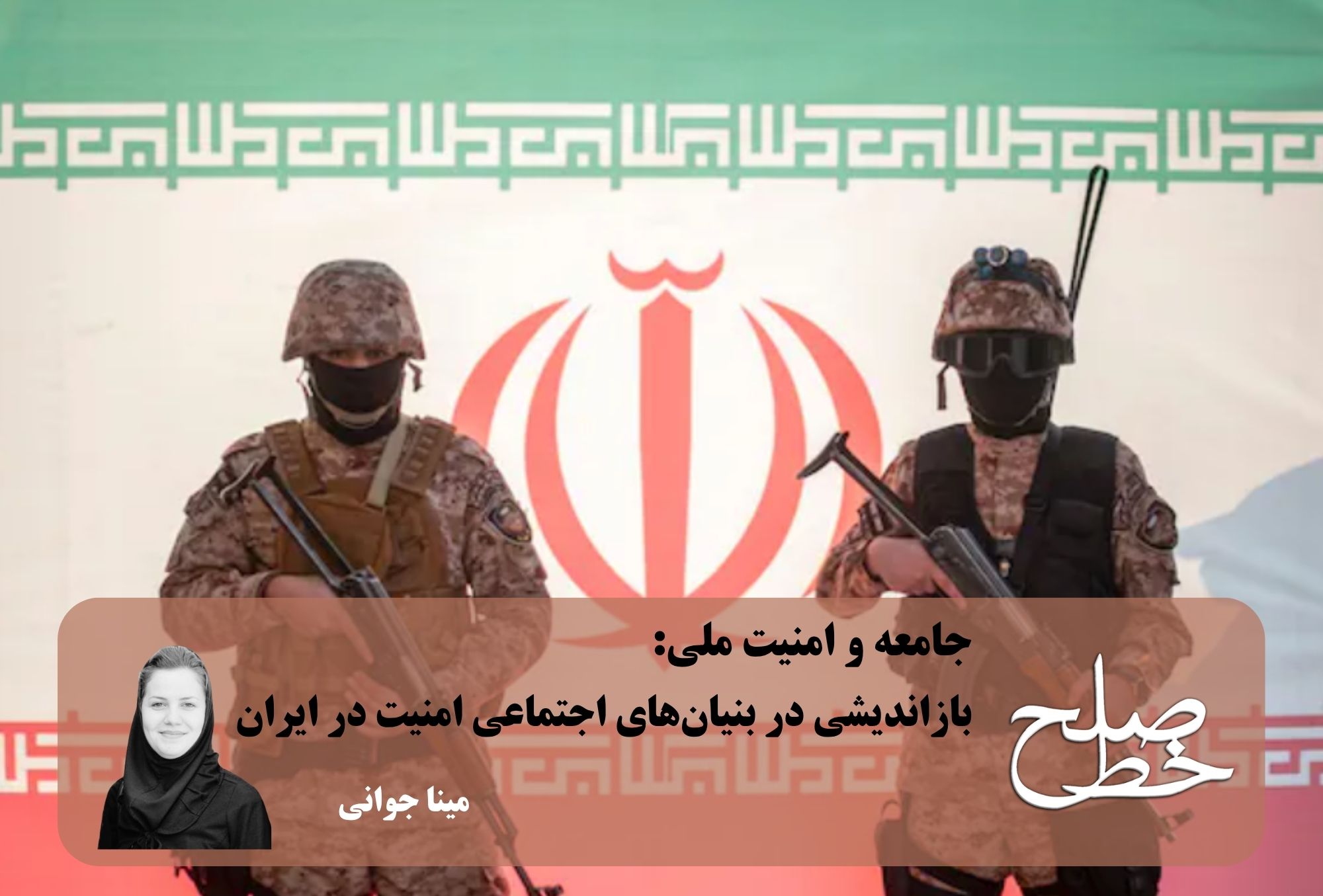
Society and National Security: Rethinking the Social Foundations of Security in Iran/ Mina Javani
In periods of heightened external threats, the concept of national security naturally becomes the focus of public policymaking. In such circumstances, the expansion of state authority, the strengthening of security institutions, and the restriction of certain civil liberties are often justified by invoking the “necessity of security.” This logic is based on the assumption that […]...
Read More
Created By:
Mina Javani July 23, 2026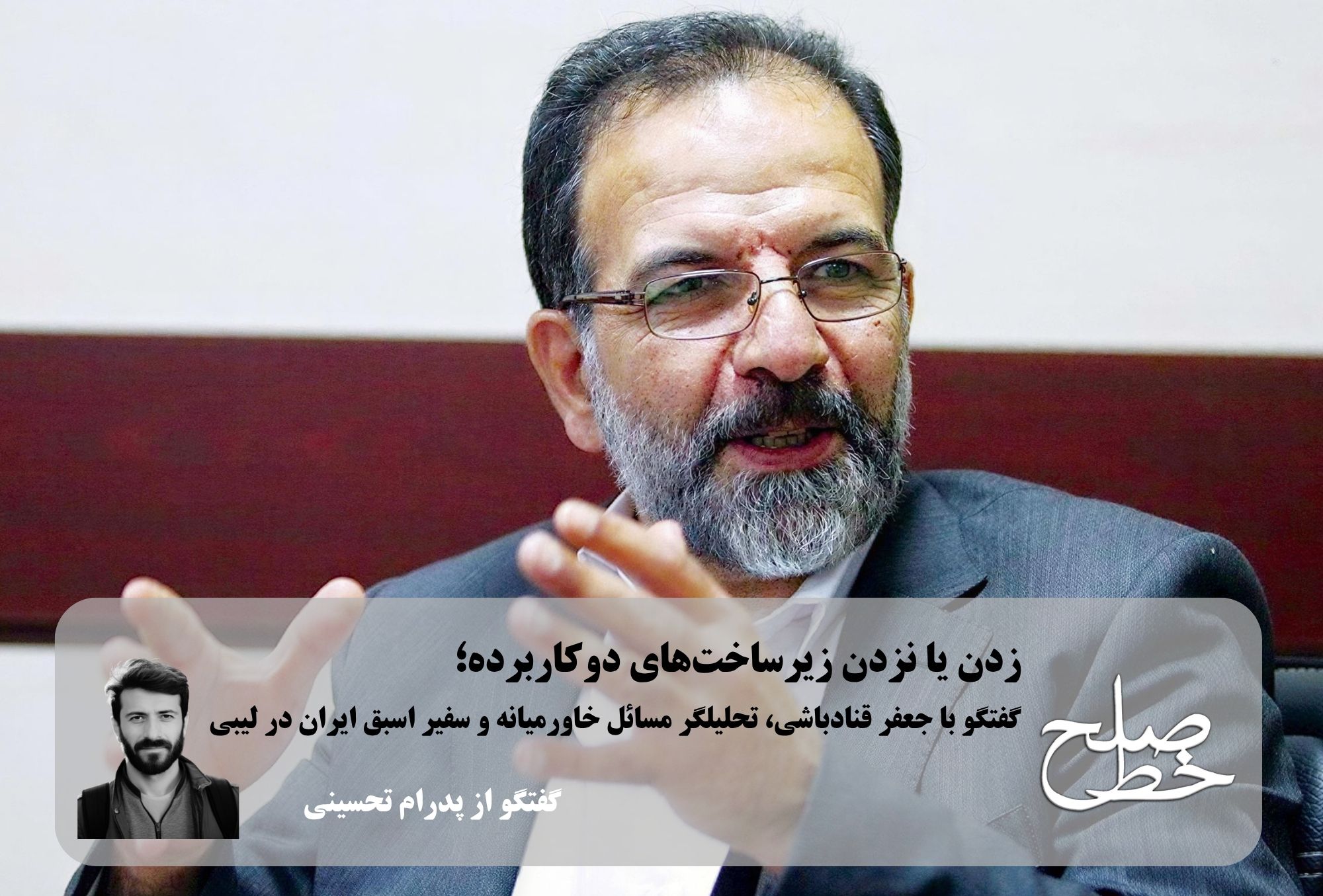
To Strike or Not to Strike Dual-Use Infrastructure: An Interview with Jafar Ghanadbashi, Former IRI’s Ambassador to Libya/ Pedram Tahsini
Dual-use infrastructure refers to a set of physical, networked, systemic, and technological assets that are originally designed and operated for civilian and peaceful purposes, such as transportation, energy, communications, or industrial production; but because of their strategic nature, broad coverage, high capacity, or embedded technical capabilities, they can also be used in conditions of crisis, […]...
Read More
Created By:
Padram Tahsini June 22, 2026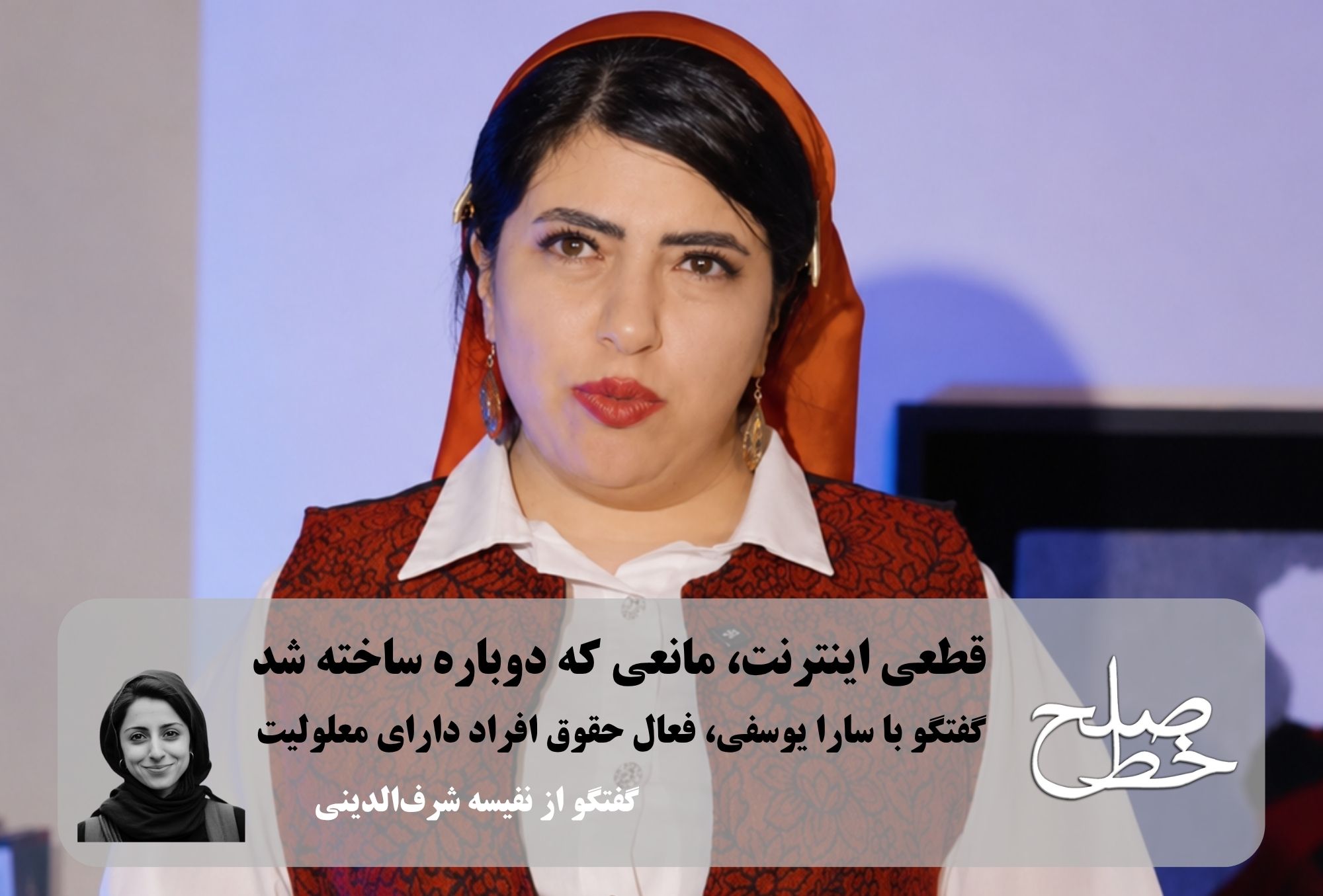
Interview with Sara Yousefi, Disability Rights Activist, on Internet Shutdowns During Wartime/ Nafiseh Sharafaldini
In recent years, digital technologies, the internet, and AI-based tools have played an important role in increasing independence and accessibility for persons with disabilities. For many of these individuals, screen readers, navigation apps, online services, social networks, and smart tools are not merely conveniences, but essential tools for work, education, communication, and even carrying out […]...
Read More
Created By:
Nafiseh Sharafaldini June 22, 2026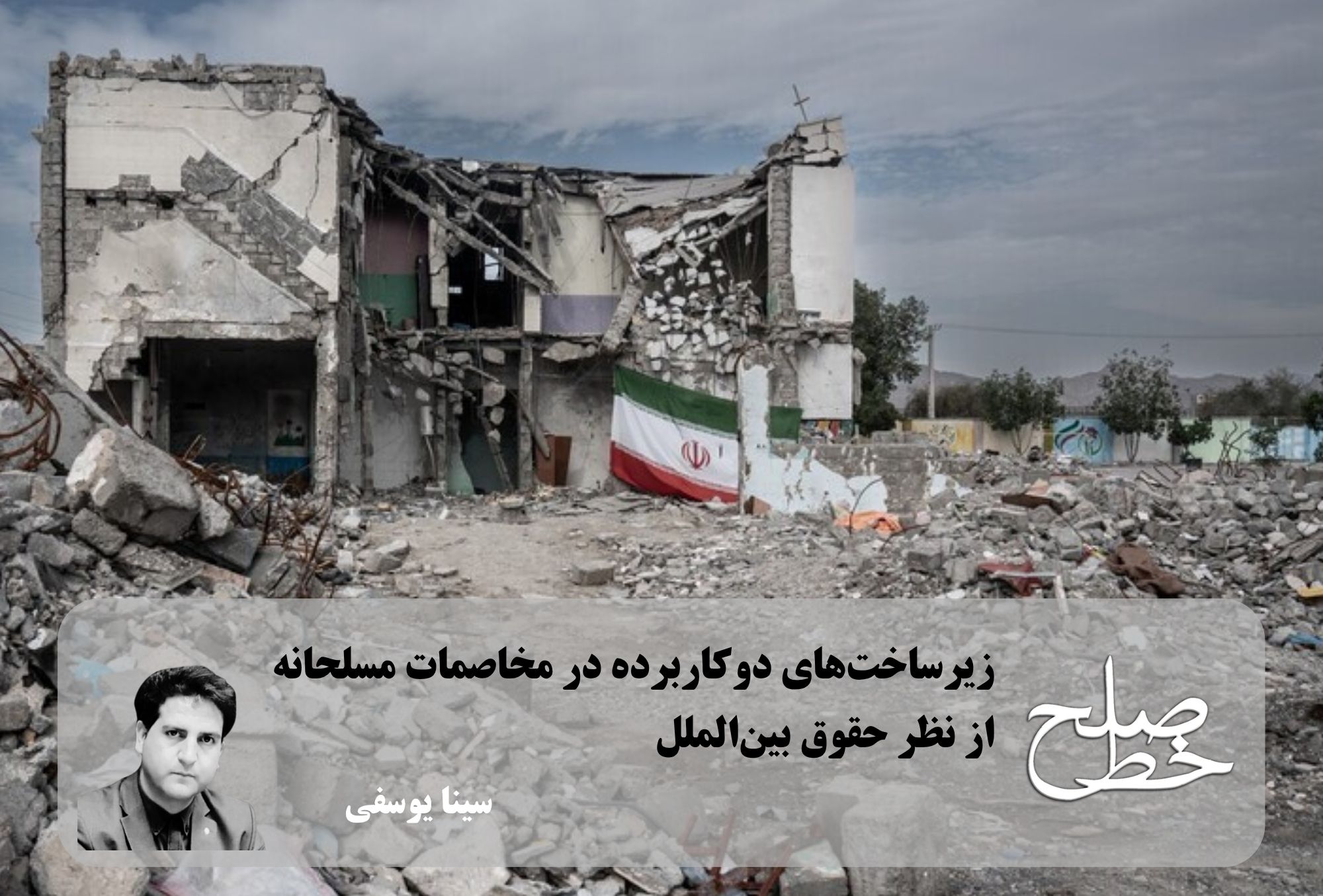
Dual-Use Infrastructure in Armed Conflicts from the Perspective of International Law/ Sina Yousefi
Before the recent war between Iran on one side and Israel and the United States on the other, the term “dual-use infrastructure” was mainly used in the specialized literature of the law of armed conflict and strategic studies. But with the expansion of the scope of military operations and attacks on facilities that appear civilian […]...
Read More
Created By:
Sina Yousefi June 22, 2026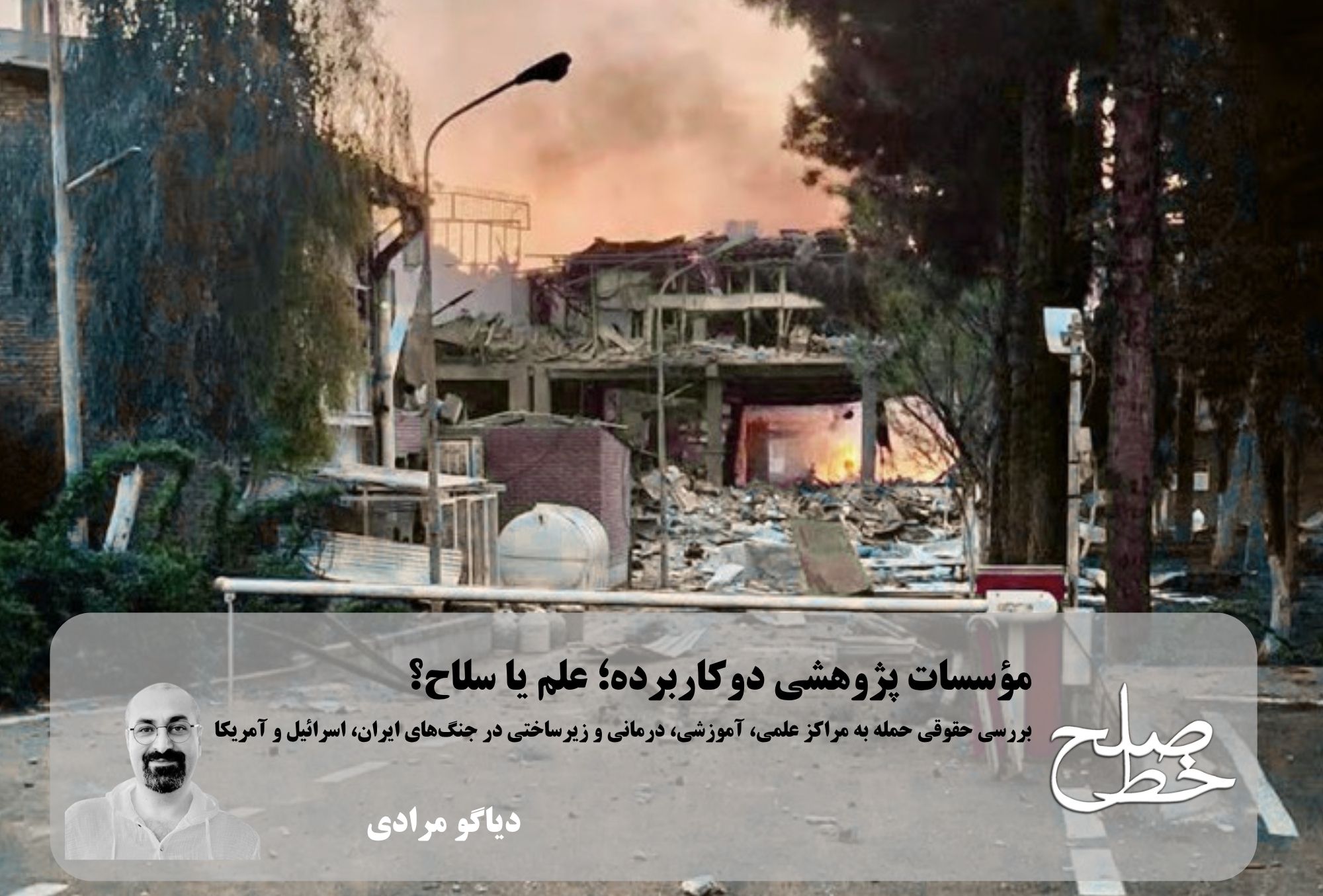
Dual-Use Research Institutions: Science or Weapon?/ Diako Moradi
Technological developments in recent decades have made the boundary between military and civilian objectives more ambiguous than ever. Universities, research centers, biomedical institutions, data networks, and communications infrastructure, while having civilian functions, can in some cases play a direct or indirect role in states’ defense capabilities. This situation has transformed the concept of “dual-use” from […]...
Read More
Created By:
Diako Moradi June 22, 2026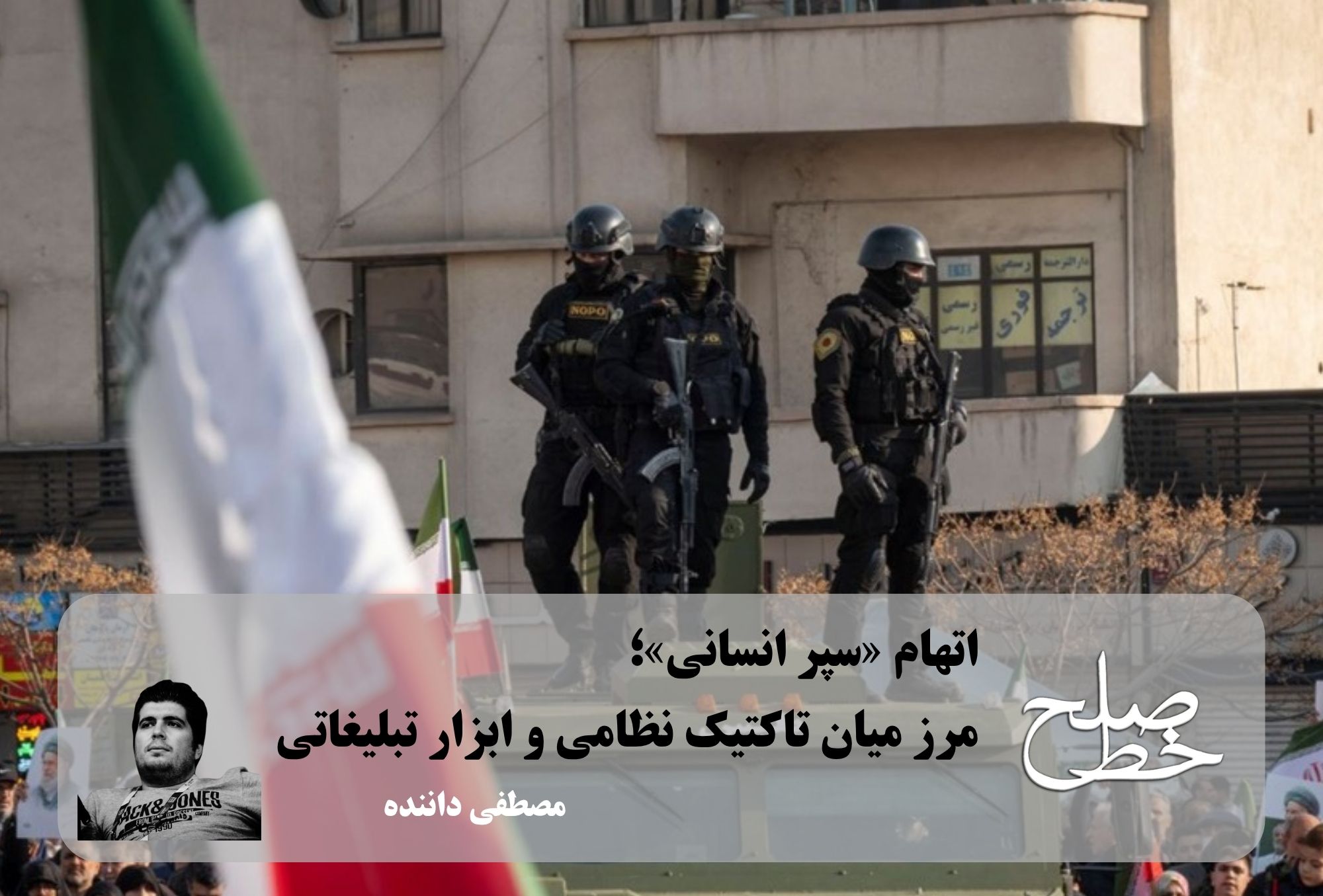
The Accusation of “Human Shields”: The Boundary Between Military Tactic and Propaganda Tool/ Mustafa Danandeh
Contemporary wars no longer unfold only on the battlefield. Alongside missiles, drones, and military operations, another battle also takes shape in the realm of narratives and legitimacy-building; a war in which each side seeks to justify its own actions within the framework of international law and present the actions of the other side as violations […]...
Read More
Created By:
Mustafa Danandeh June 22, 2026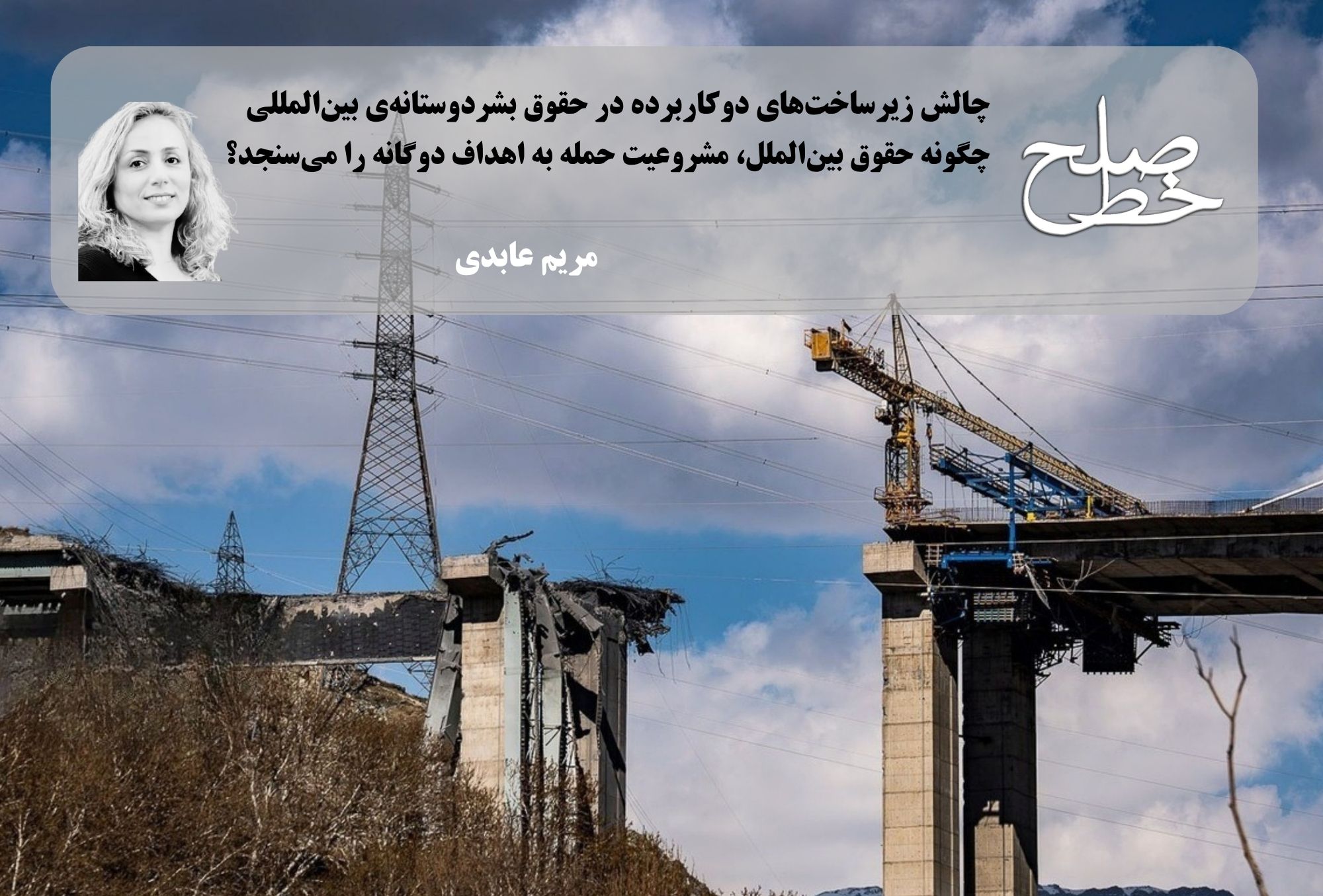
How Does International Law Assess the Legitimacy of Attacks on Dual-use infrastructure Targets?/ Maryam Abedi
Dual-use infrastructure is precisely the gray area of international humanitarian law; because it has neither an independent definition in treaties nor an absolute prohibition. Therefore, its definition must be sought within legal texts. In international law, the term “dual-use infrastructure” is not used directly, but its definition can be inferred from Article 52, paragraph 2, […]...
Read More
Created By:
Maryam Abedi June 22, 2026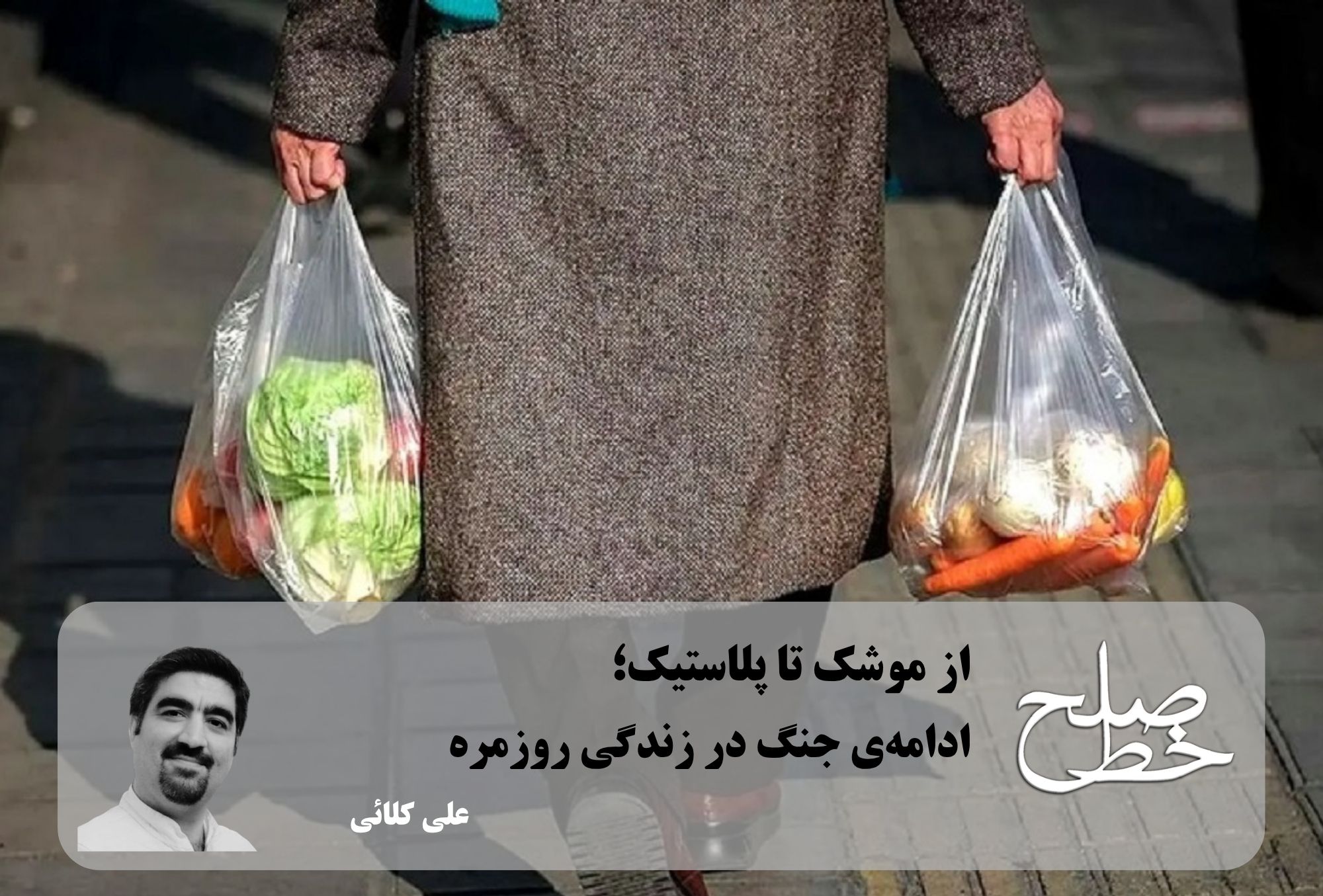
From Missiles to Plastic: The Continuation of War in Everyday Life/ Ali Kalaei
Wars do not end after they are over. This sentence may seem somewhat strange because, naturally, once a war ends, it should become part of memory. But what happens in reality is not like that. Wars sometimes continue for ordinary people in a country through refrigerators going off, reduced water pressure in homes, the rising […]...
Read More
Created By:
Ali Kalaei June 22, 2026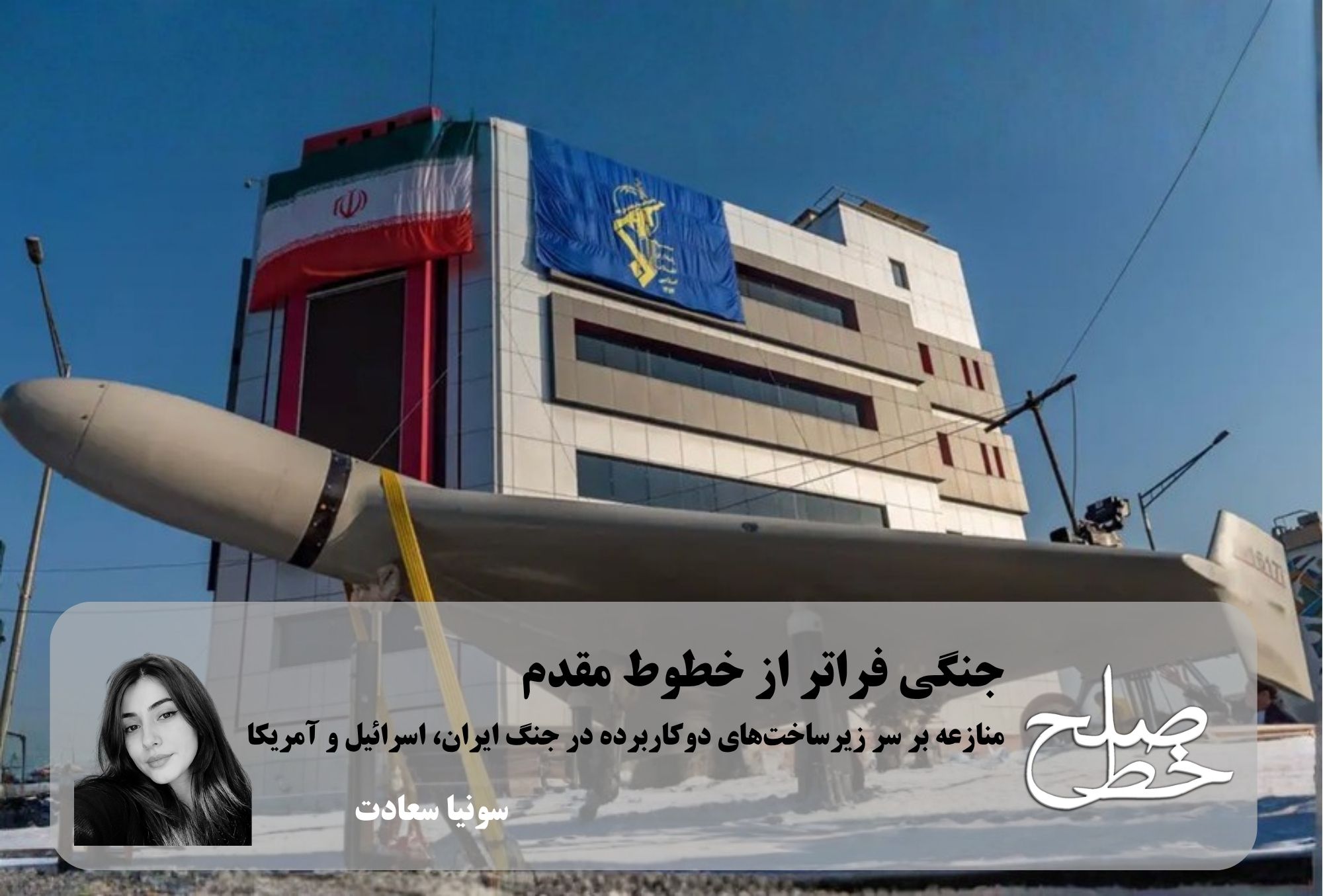
The Dispute over Dual-Use Infrastructure in the Iran, Israel, and U.S. War/ Sonia Saadat
The patterns of conflict and strategic transformations in the international system over recent decades have undergone a fundamental metamorphosis that challenges the traditional concept of war. Modern conflicts are no longer limited to direct and classical confrontation between armed forces on front lines. In the contemporary era, technological advancement and societies’ deep structural dependence on […]...
Read More
Created By:
Sonia Saadat June 22, 2026
The City on the Battlefield: Human Shield or the Reality of Modern Societies?/ Hermineh Hourdad
In recent years, alongside the expansion of military conflicts in the Middle East, this question has repeatedly been raised: does the Islamic Republic of Iran deliberately use people as “human shields,” or is what we are witnessing the product of the complex structure of modern societies and the concentration of infrastructure in cities? This question […]...
Read More
Created By:
Hermineh Hourdad June 22, 2026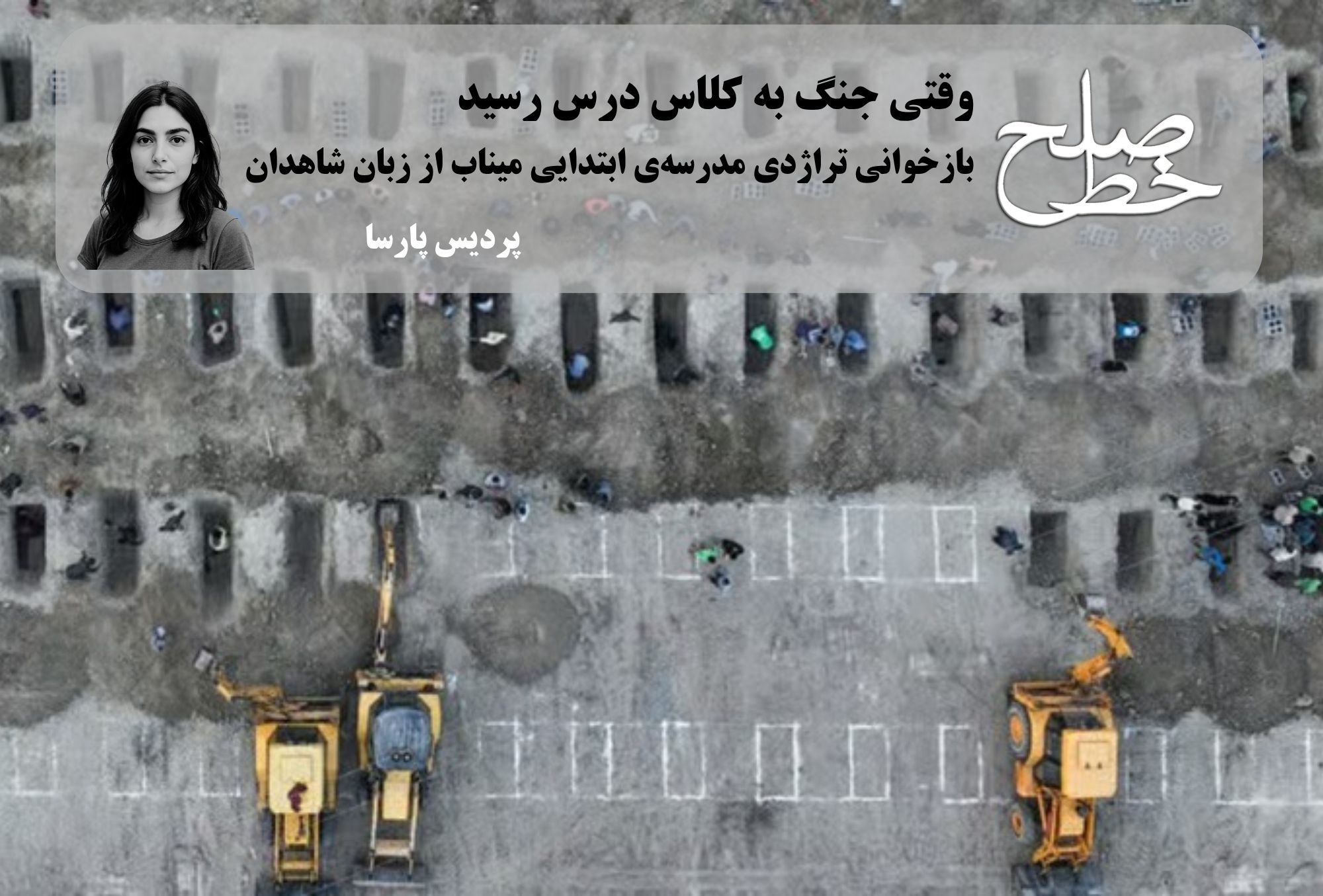
Reexamining the Tragedy of Minab Elementary School Through the Words of Witnesses/ Pardis Parsa
In the first hours of the military operation known as “Epic Wrath,” which began on February 28, 2026 (9 Esfand 1404), a series of air and missile strikes targeted various infrastructures across Iran. Meanwhile, Minab County in Hormozgan Province, due to its strategic proximity to logistical and military infrastructure, became one of the main centers […]...
Read More
Created By:
Pardis Parsa June 22, 2026
