


Prisoners’ rights
Prison Inefficiency in the Country; Interview with Dr. Najafi Tavana, Former Head of the Central Bar Association/Pedram Tahsini
Ali Najafi Tavana was born in 1953 in the Alamut region of Qazvin. He completed his primary education in Tonekabon and completed his secondary education at Hafeziyeh High School in the same city. In 1972, he entered the Faculty of Law of the University of Tehran and in 1975, he obtained a Bachelor of Laws […]...
Read More Created By:
Padram Tahsini
Created By:
Padram Tahsini July 23, 2026
Investigating the situation of imprisoned women; Interview with Mohammad Hossein Aghasi, lawyer/Ali Kalaei
Reports over the years have revealed that some women prisoners are denied medical treatment and other legal rights. The continued publication of these reports highlights the gap between prison regulations and their practice, raising the question of to what extent human rights standards, including the Bangkok Rules, are being observed in Iran, and whether the […]...
Read More
Created By:
Ali Kalaei July 23, 2026
Prisoners’ rights in international law; from global standards to the reality of Iranian prisons/Sina Yousefi
The extent to which a legal system adheres to the rule of law cannot be measured solely through criminal laws or court decisions; one of the most accurate measures of its assessment is the way in which individuals who are deprived of their liberty for any reason are treated. Contrary to popular belief, prison is […]...
Read More
Created By:
Sina Yousefi July 23, 2026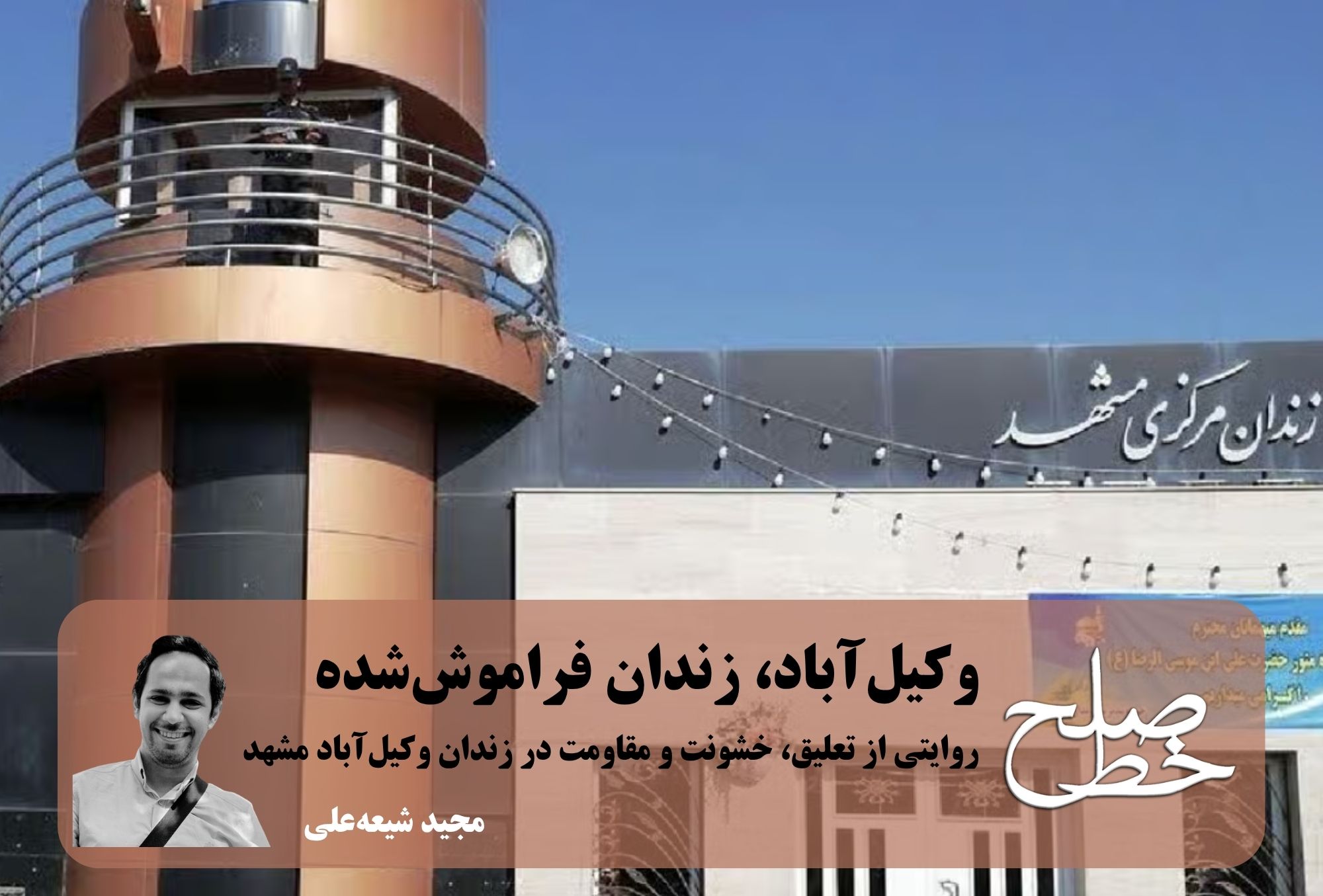
Vakilabad, the Forgotten Prison/ Majid Shia’ali
Last July, events occurred in Vakilabad Prison in Mashhad that have had little precedent in the history of this prison. The detainees of the protests of last January are still present in this prison in large numbers. Although the number of detainees has decreased from more than a thousand to about four hundred during this […]...
Read More
Created By:
Majid Shia’ali July 23, 2026
Fair trial from arrest to trial/ Lohrasb Kouhestani
The interval between the moment of arrest and the day of trial is the most sensitive, critical, and at the same time the most vulnerable part of the criminal justice process. It is during this period that the individual is directly confronted with the powerful and organized machine of state prosecution; while his guilt has […]...
Read More
Created By:
Lohrasb Kouhestani July 23, 2026
Law and Violence Behind Prison Walls/ Morteza Hamounian
It is no longer strange for officers to shoot at people in the streets and in the face of public protests. Of course, it was strange at one time; an air shot in the ceiling would scare everyone, wondering why the security officers had started shooting. But today, and especially after what happened in 2009, […]...
Read More
Created By:
Morteza Hamounian July 23, 2026
Why Independent Monitoring Is Part of the Minimum Standards for the Treatment of Prisoners/ Shabnam Moinipour
When prison doors close, the state does more than deprive a person of liberty. Water, food, medication, sleep, light, contact with family, access to a lawyer, the ability to lodge a complaint, and even the recording of what has happened to the prisoner all come under the control of the institution responsible for the detention. […]...
Read More
Created By:
Shabnam Moinipour July 23, 2026
Why no court should rely on forced confessions/Hermineh Hourdad
Forced confession is one of the most well-known tools of human rights abuse in authoritarian and totalitarian regimes. In such regimes, confession is used not only as evidence to prove a crime, but also as a means to legitimize government actions, create public fear, discredit opponents, and shape the official narrative of events. Historical experience […]...
Read More
Created By:
Hermineh Hourdad July 23, 2026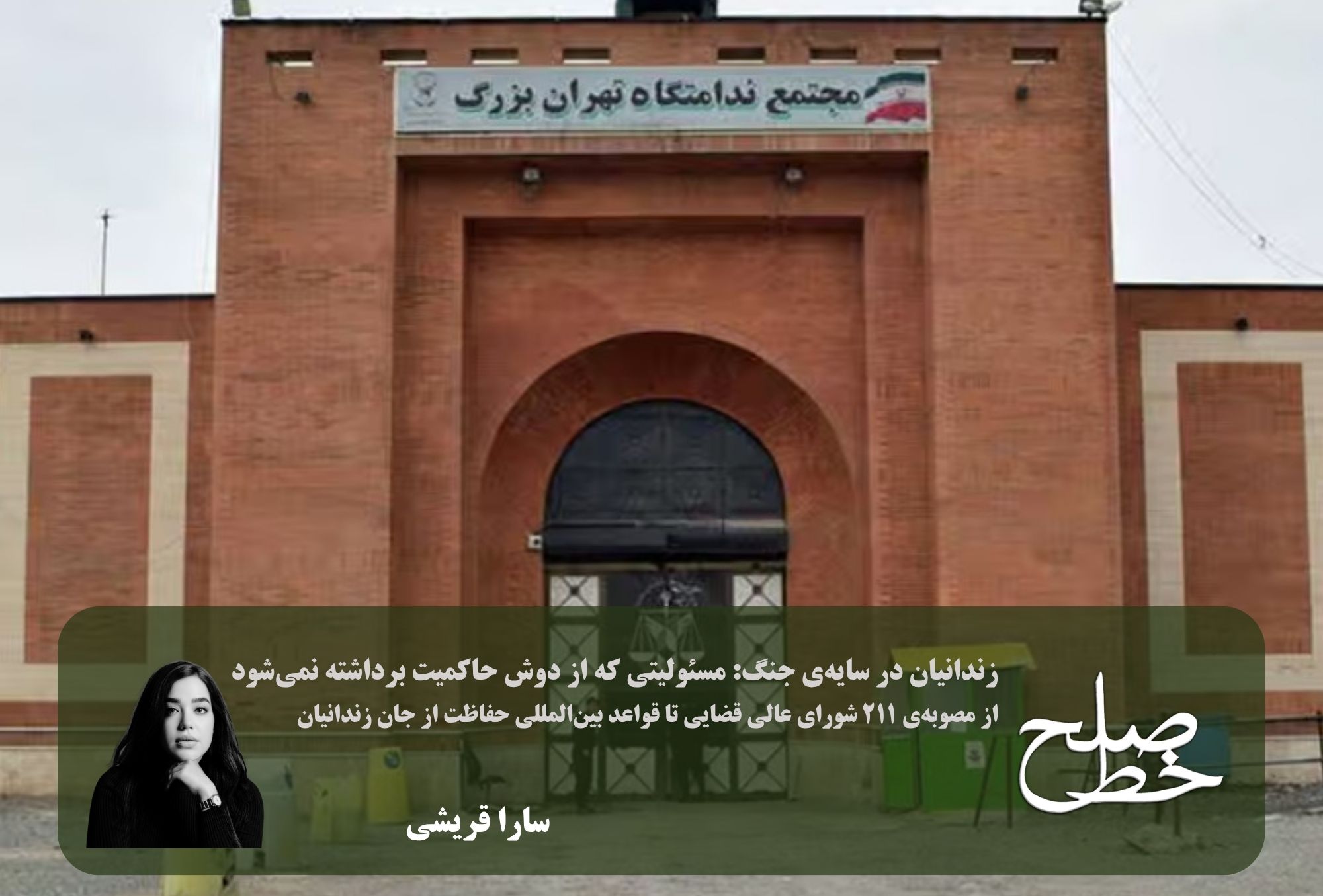
Prisoners in the Shadow of War: A Responsibility That Cannot Be Lifted from the Shoulders of the State/ Sara Ghoreishi
With the escalation of military tensions and the possibility of expanding conflict, concerns about the safety of prisons and the lives of prisoners have significantly increased. Prisoners are among the most vulnerable groups in any crisis situation, as they have no independent ability to decide where they live, access medical care, or even secure their […]...
Read More
Created By:
Sara Qoreyshi March 21, 2026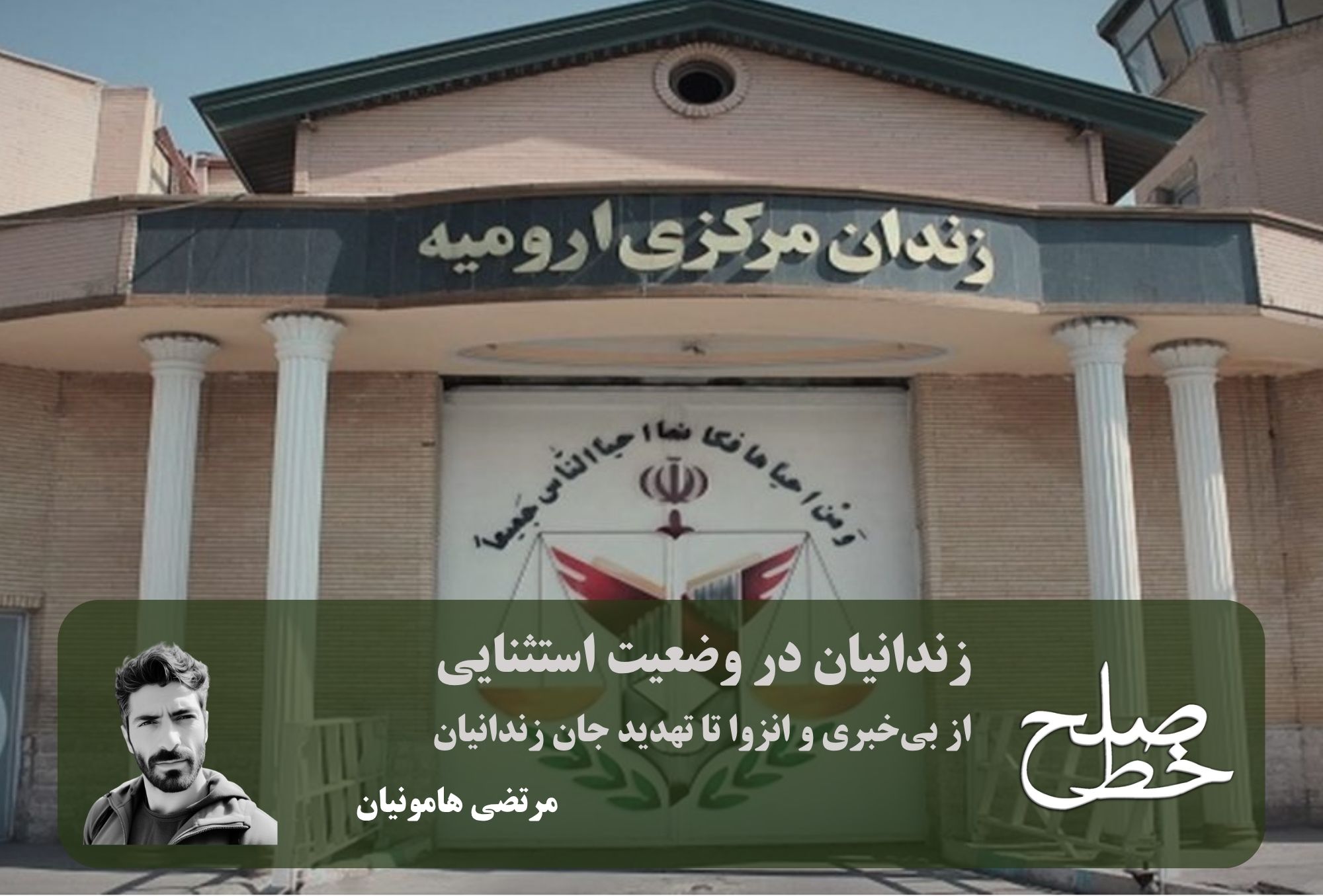
Prisoners in a State of Exception/ Morteza Hamounian
There is an uproar outside. Voices echo and the roar of shouting can be heard. Among the guards and in the corridors, there is constant whispering. But no one tells the prisoner anything. The prisoner is treated as an outsider. From time to time, from near and far, the sound of explosions reaches the ear. […]...
Read More
Created By:
Morteza Hamounian March 21, 2026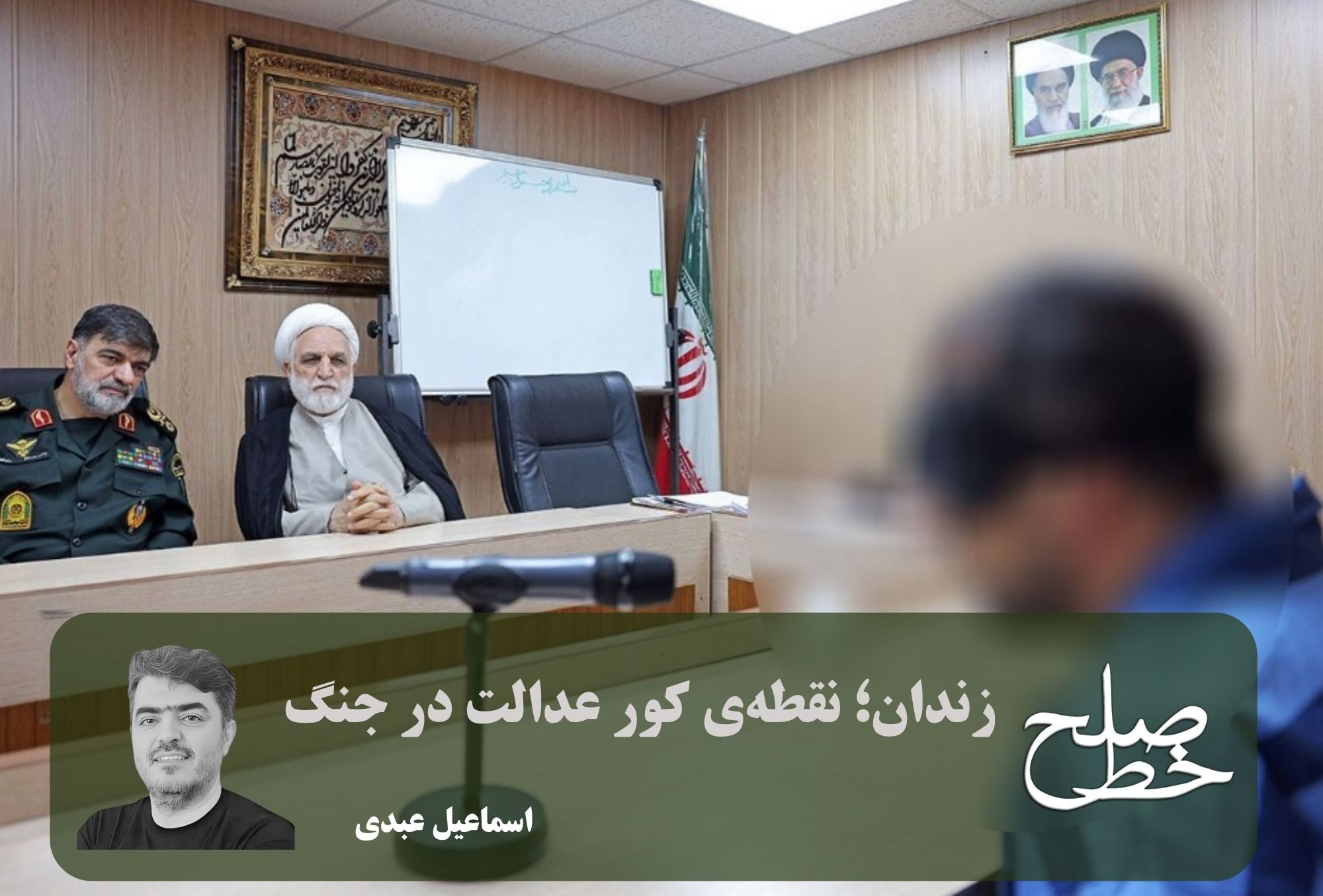
Prison: The Blind Spot of Justice in War/ Esmail Abdi
Based on nearly nine years of my own lived experience in four prisons—Evin, Rajai Shahr, Nadamatgah, and Kachouii in Karaj—I can say with certainty that the system of the Islamic Republic of Iran, despite the existence of domestic laws and its human rights claims, has consistently shown that preserving the human dignity of prisoners and […]...
Read More
Created By:
Ismail Abdi March 21, 2026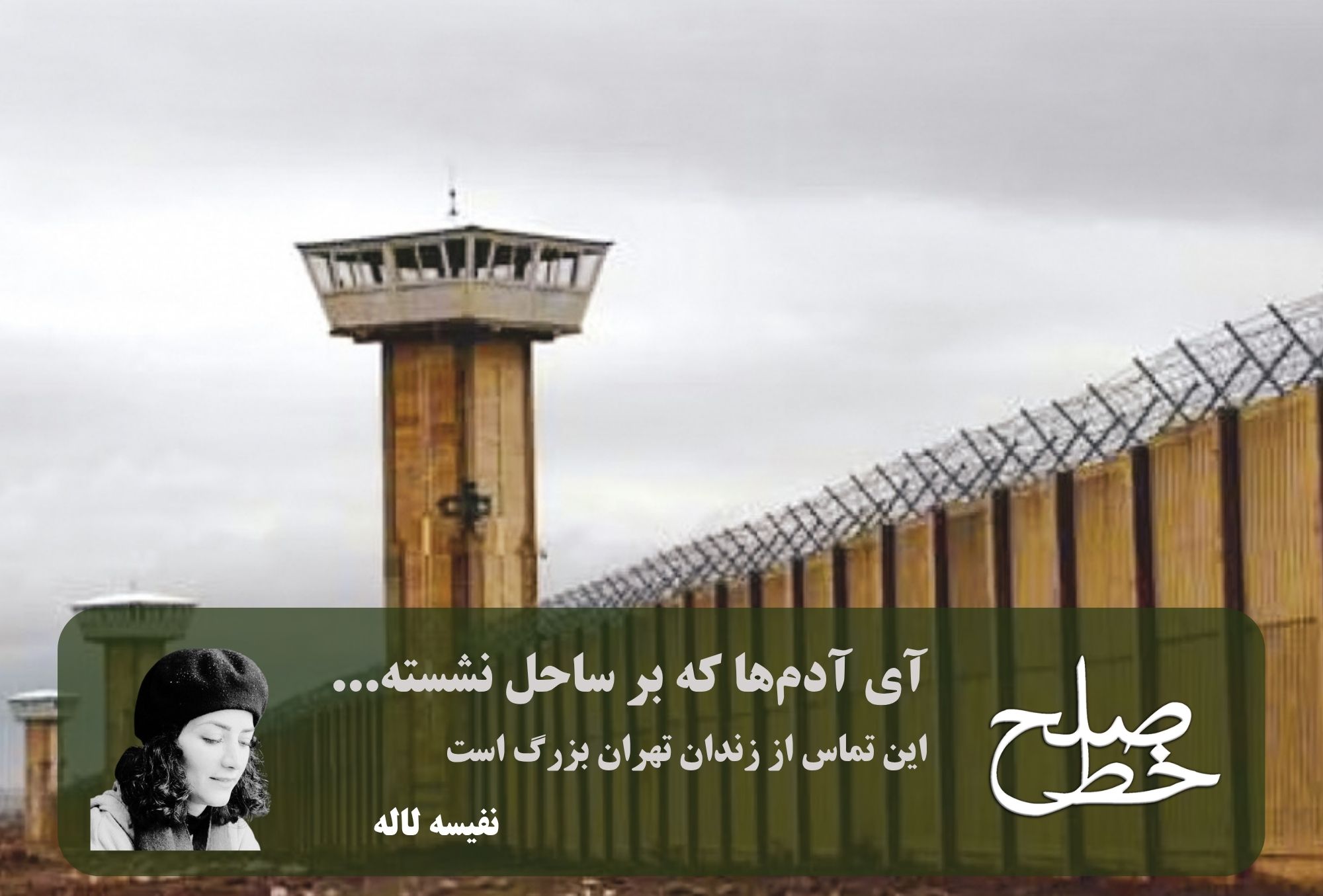
O People Sitting on the Shore… This Call Is from Greater Tehran Prison/ Nafiseh Laleh
The young Iran of yesterday is old today, and has lost its way. An Iran in which the concept of life has been reduced to “bare life,” and the “state of exception” belongs not merely to yesterday and today, but is the product of long years of erasing the boundary between life and death. A […]...
Read More
Created By:
Nafiseh Laleh March 21, 2026
