


Latest Posts
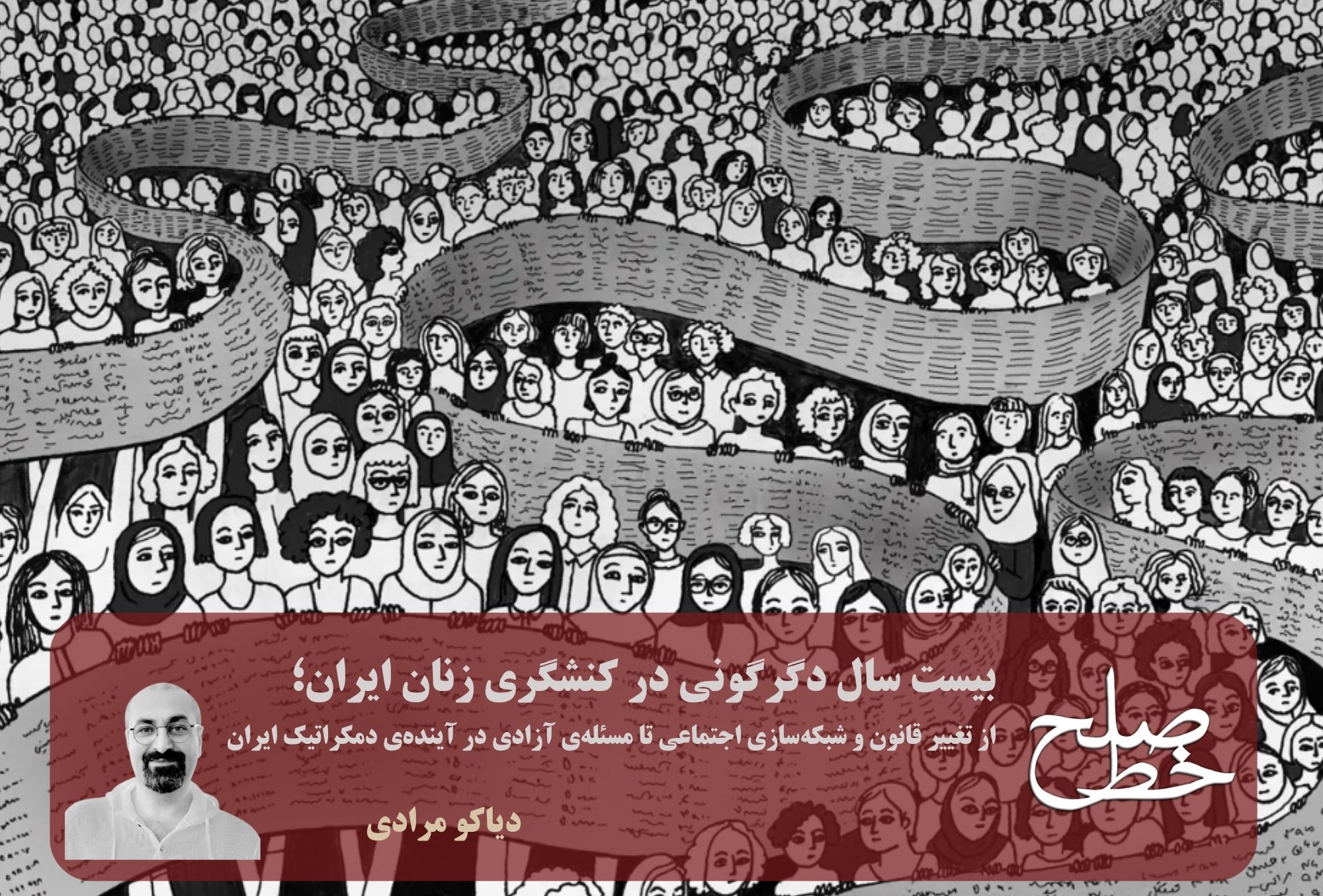
Twenty Years of Transformation in Iranian Women’s Activism/ Diako Moradi
Twenty years after the launch of the “One Million Signatures Campaign to Change Discriminatory Laws,” revisiting this experience becomes meaningful when we assess it not only by the number of signatures that were supposed to be collected or the laws that were supposed to be changed, but by the impact it had on forms of […]...
Read More Created By: Diako Moradi
 September 23, 2026
When Everyday Life Becomes a Security Issue/ Diako Moradi
In recent months, as the discourse of war has relatively subsided, significant signs have emerged of intensified government intervention in areas that, at first glance, are not directly political: the sealing of cafés and café-bookstores, measures against tour operators, the blocking of Instagram pages, the summoning of bloggers, removal of content, compulsory pledges, and pressure […]...
Read More
Created By: Diako Moradi
August 23, 2026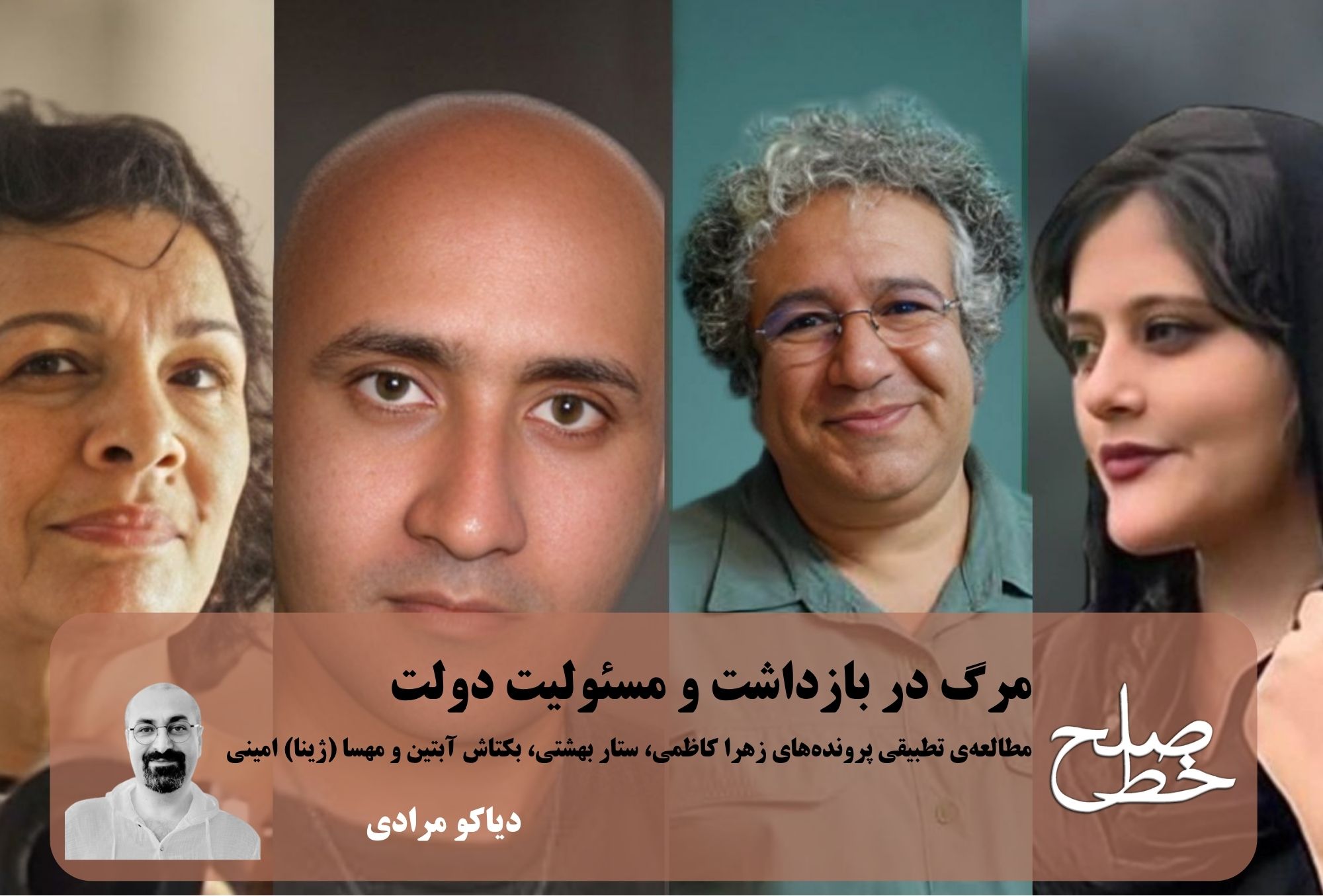
Death in Custody and State Responsibility/ Diako Moradi
Deaths in custody are among the most sensitive issues in international human rights law and one of the most significant indicators for assessing a state’s commitment to the rule of law. When an individual is deprived of liberty, the state assumes not only the authority to restrict that person’s freedom but also the direct responsibility […]...
Read More
Created By: Diako Moradi
July 23, 2026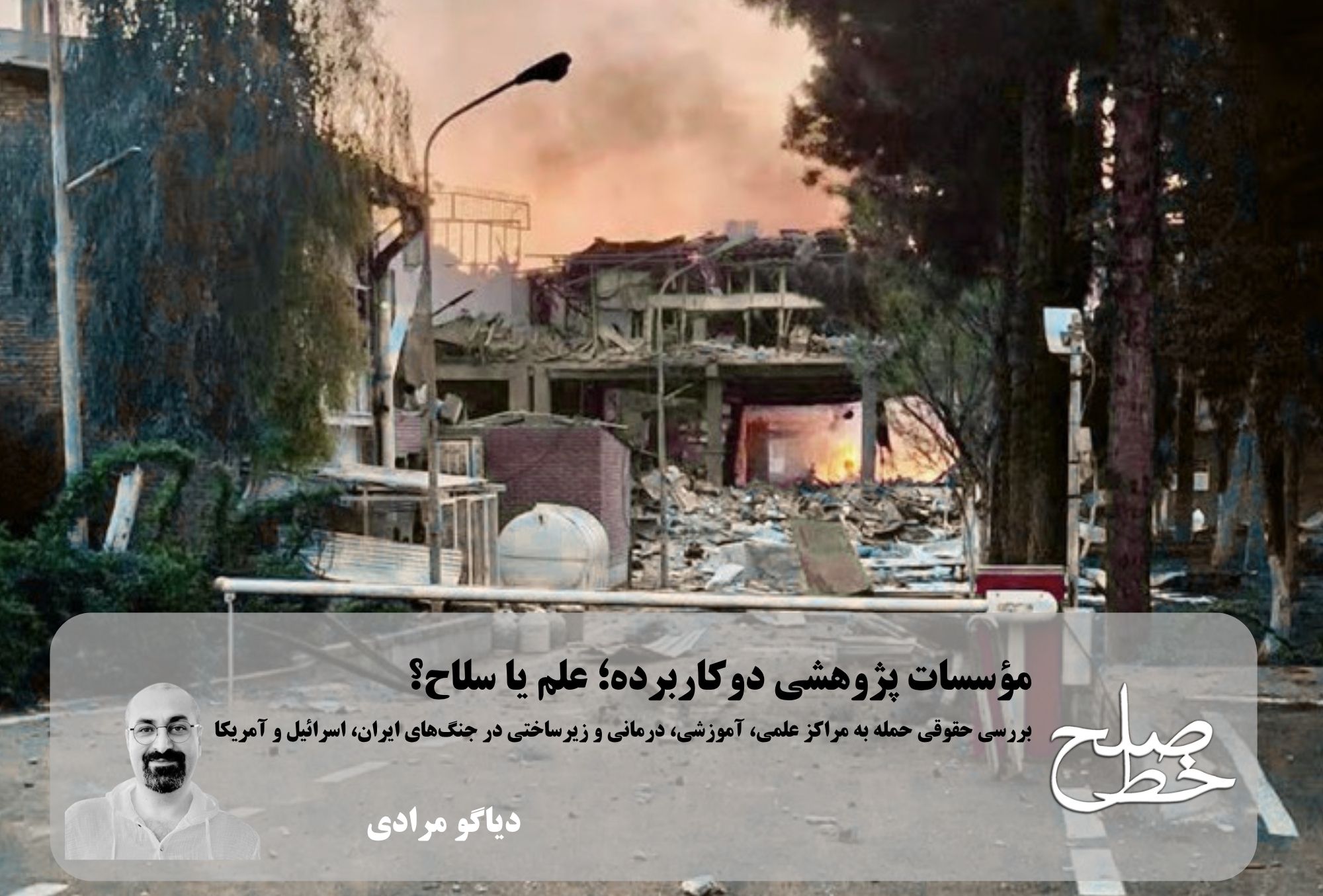
Dual-Use Research Institutions: Science or Weapon?/ Diako Moradi
Technological developments in recent decades have made the boundary between military and civilian objectives more ambiguous than ever. Universities, research centers, biomedical institutions, data networks, and communications infrastructure, while having civilian functions, can in some cases play a direct or indirect role in states’ defense capabilities. This situation has transformed the concept of “dual-use” from […]...
Read More
Created By: Diako Moradi
June 22, 2026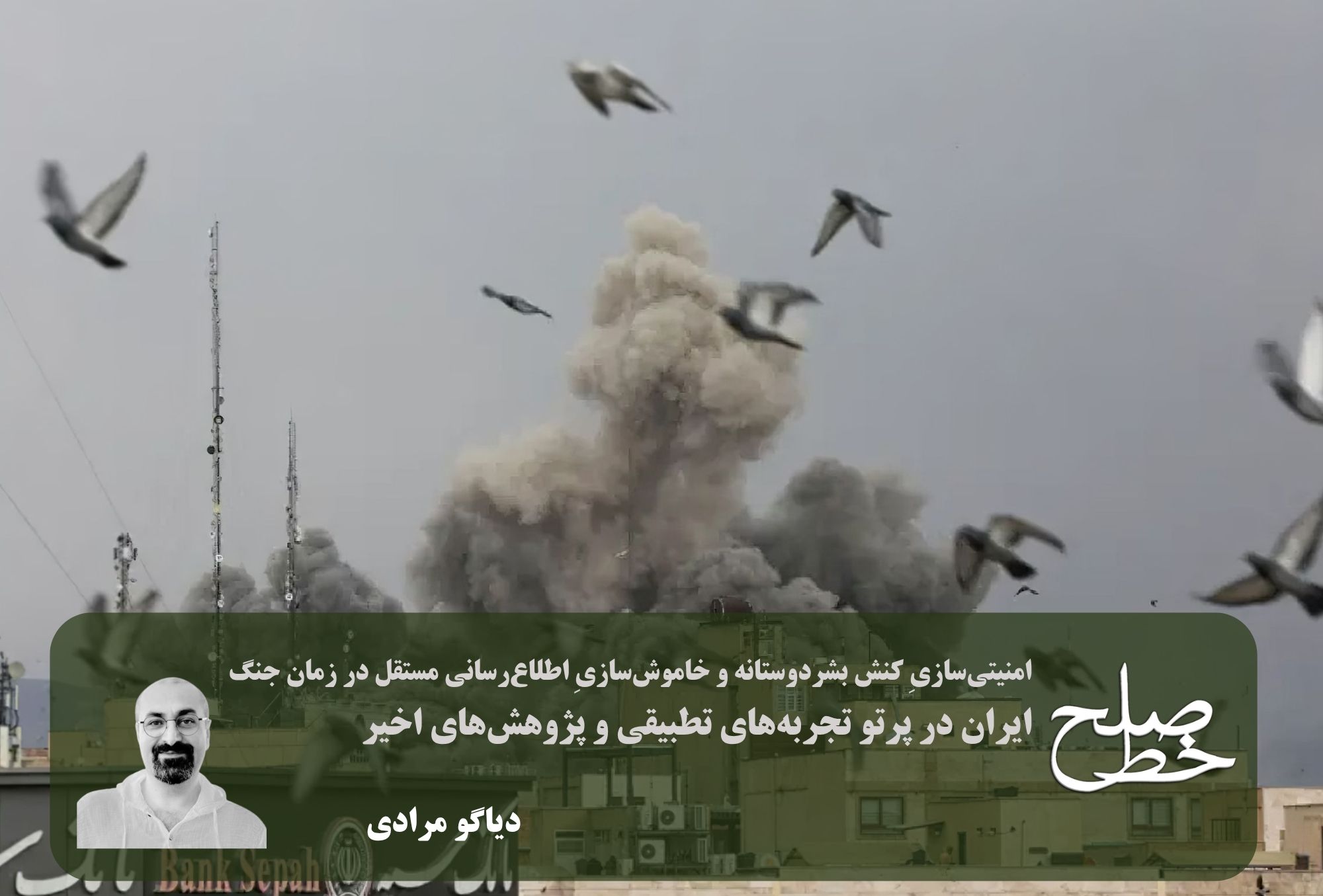
Securitizing Humanitarian Action and Silencing Independent Reporting in Times of War/Diako Moradi
This article attempts to show that in contemporary wars, the battlefield is no longer limited to the military arena, but that the humanitarian, media, communication, and legal spheres are increasingly integrated into the logic of war. In such a situation, war is waged not only through weapons, bombing, and the destruction of physical infrastructure, but […]...
Read More
Created By: Diako Moradi
March 21, 2026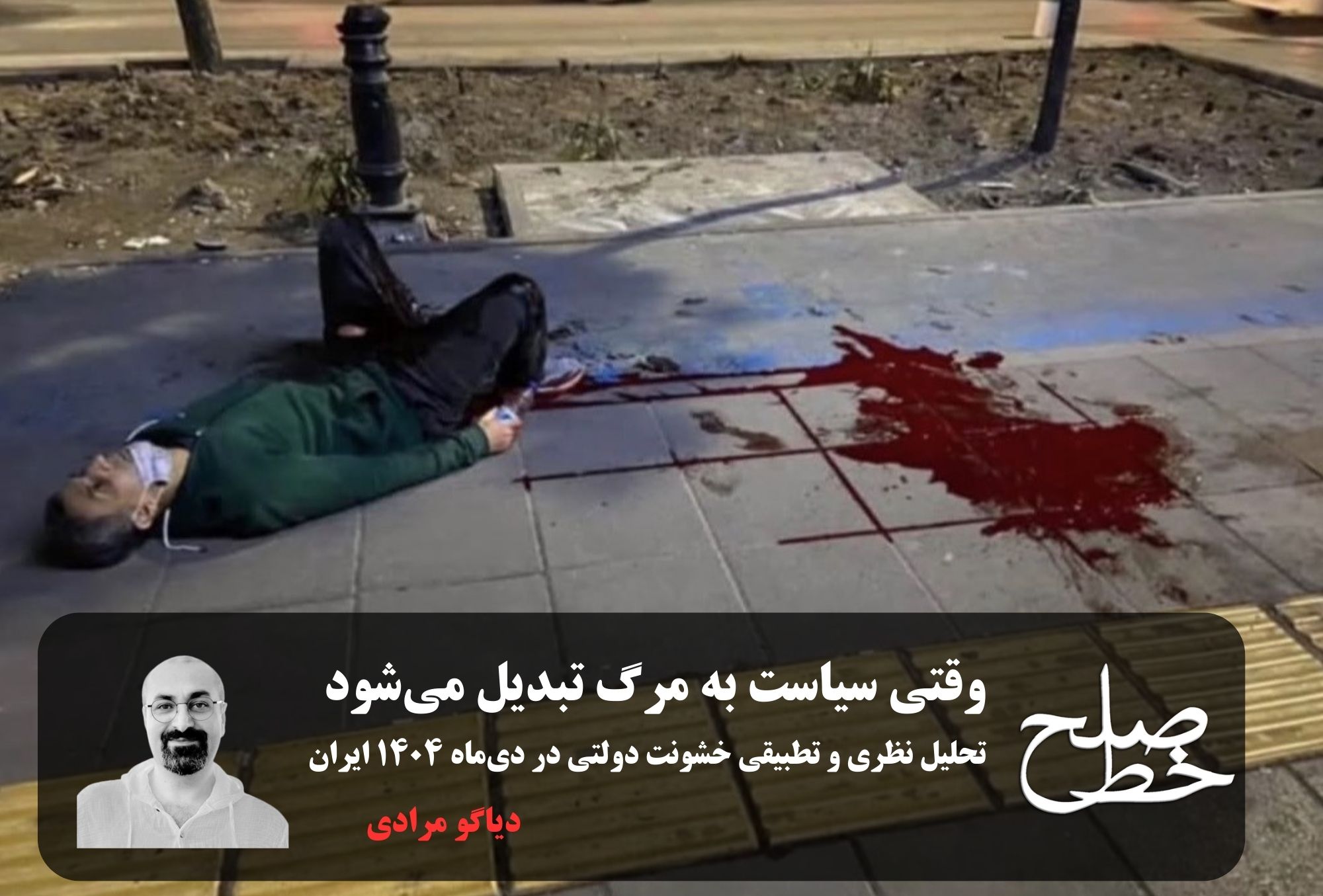
When Politics Turns into Death/Diako Moradi
Introduction: The Problem of State Violence in an Era of Collapsed Legitimacy In the classical tradition of political science, state violence was often analyzed as an exceptional means of containing crisis and restoring order, something that made sense in the context of Weber’s “legitimate monopoly of violence.” In this view, legitimacy was not only a […]...
Read More
Created By: Diako Moradi
February 20, 2026
