


Sina Yousefi
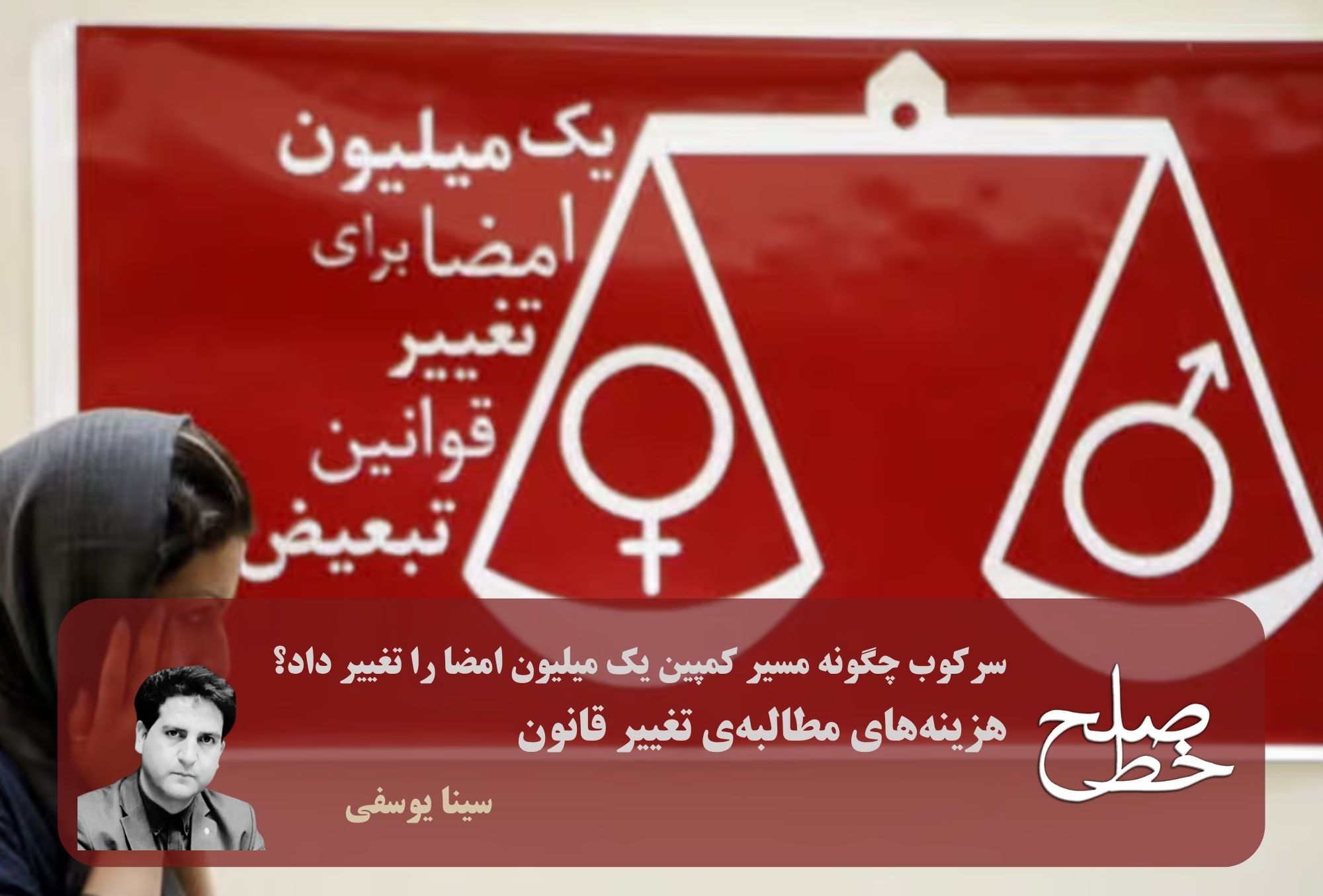
How Did Repression Change the Course of the One Million Signatures Campaign?/ Sina Yousefi
The twentieth anniversary of the One Million Signatures Campaign provides an opportunity to revisit one of the most important experiences of Iran’s women’s movement. It was an experience that, in the mid-2000s, sought to move the demand for legal equality from the realm of specialized discussions and limited circles of activists into the sphere of […]...
Read More Created By:
Sina Yousefi
Created By:
Sina Yousefi September 23, 2026
Prisoners’ rights in international law; from global standards to the reality of Iranian prisons/Sina Yousefi
The extent to which a legal system adheres to the rule of law cannot be measured solely through criminal laws or court decisions; one of the most accurate measures of its assessment is the way in which individuals who are deprived of their liberty for any reason are treated. Contrary to popular belief, prison is […]...
Read More
Created By:
Sina Yousefi July 23, 2026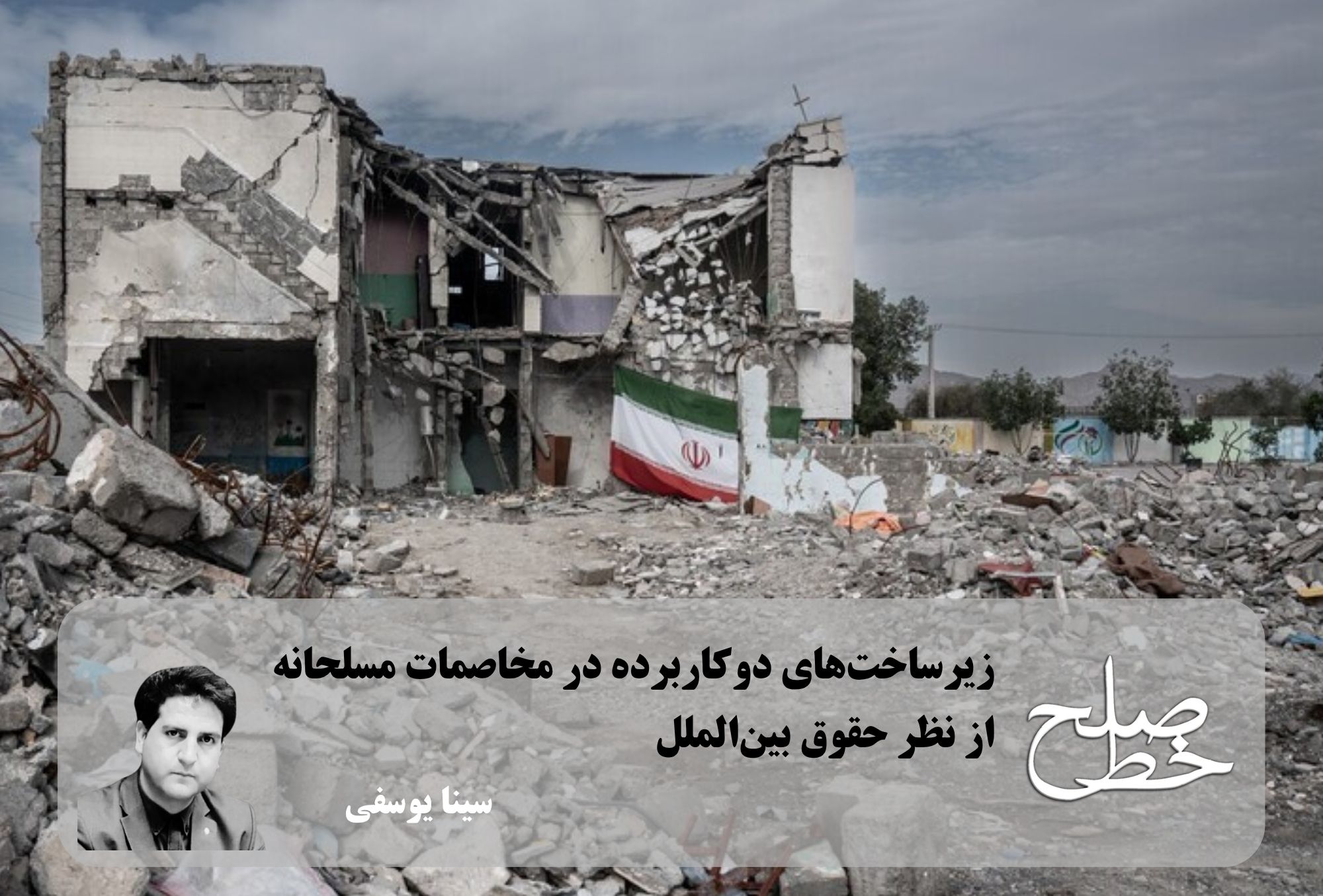
Dual-Use Infrastructure in Armed Conflicts from the Perspective of International Law/ Sina Yousefi
Before the recent war between Iran on one side and Israel and the United States on the other, the term “dual-use infrastructure” was mainly used in the specialized literature of the law of armed conflict and strategic studies. But with the expansion of the scope of military operations and attacks on facilities that appear civilian […]...
Read More
Created By:
Sina Yousefi June 22, 2026
Comparing the New Law on Intensifying Punishment for Espionage with Previous Laws/ Sina Yousefi
In contemporary criminal law systems, the crime of espionage has always been classified among the most serious offenses against national security, because it concerns attacks on the fundamental interests of the state and the disclosure of information that may endanger the country’s political, military, or diplomatic security. However, the gravity of this crime has never […]...
Read More
Created By:
Sina Yousefi May 22, 2026
Can Mere Filming of Strike Sites Lead to Arrest?/ Sina Yousefi
In wartime conditions, the question of respect for human rights is always raised as one of the fundamental challenges. It is a challenge in which the boundary between security necessities and human rights obligations becomes extremely narrow and slippery. Historical experience has shown that in times of crisis, states are more inclined than ever to […]...
Read More
Created By:
Sina Yousefi April 21, 2026
The gap between legal obligations and the reality of prisons during times of conflict/ Sina Yousefi
In contemporary international law, the situation of prisoners in situations of armed conflict is one of the areas that is particularly sensitive in international legal systems. This sensitivity stems from the fact that prisoners, as individuals who are completely at the disposal and control of governmental institutions, practically lack the ability to effectively protect their […]...
Read More
Created By:
Sina Yousefi March 21, 2026
Narrative Creation in the Communication Void/Sina Yousefi
The recent protests in Iran, accompanied by widespread, violent and unprecedented repression, have once again exposed the established patterns of human rights violations by the government. Along with the killing of protesters, mass arrests and the imposition of severe security restrictions, the broadcast of forced confessions by state media has become a central tool for […]...
Read More
Created By:
Sina Yousefi February 20, 2026
The Role of the State in Controlling Violence/ Sina Yousefi
Public trust in the judiciary is one of the fundamental indicators of achieving justice, and its absence paves the way for the emergence of personal justice-seeking. Personal justice-seeking is a behavior in which individuals, instead of referring to legal authorities, take matters into their own hands to obtain rights and punish violators. Such an approach […]...
Read More
Created By:
Sina Yousefi December 22, 2025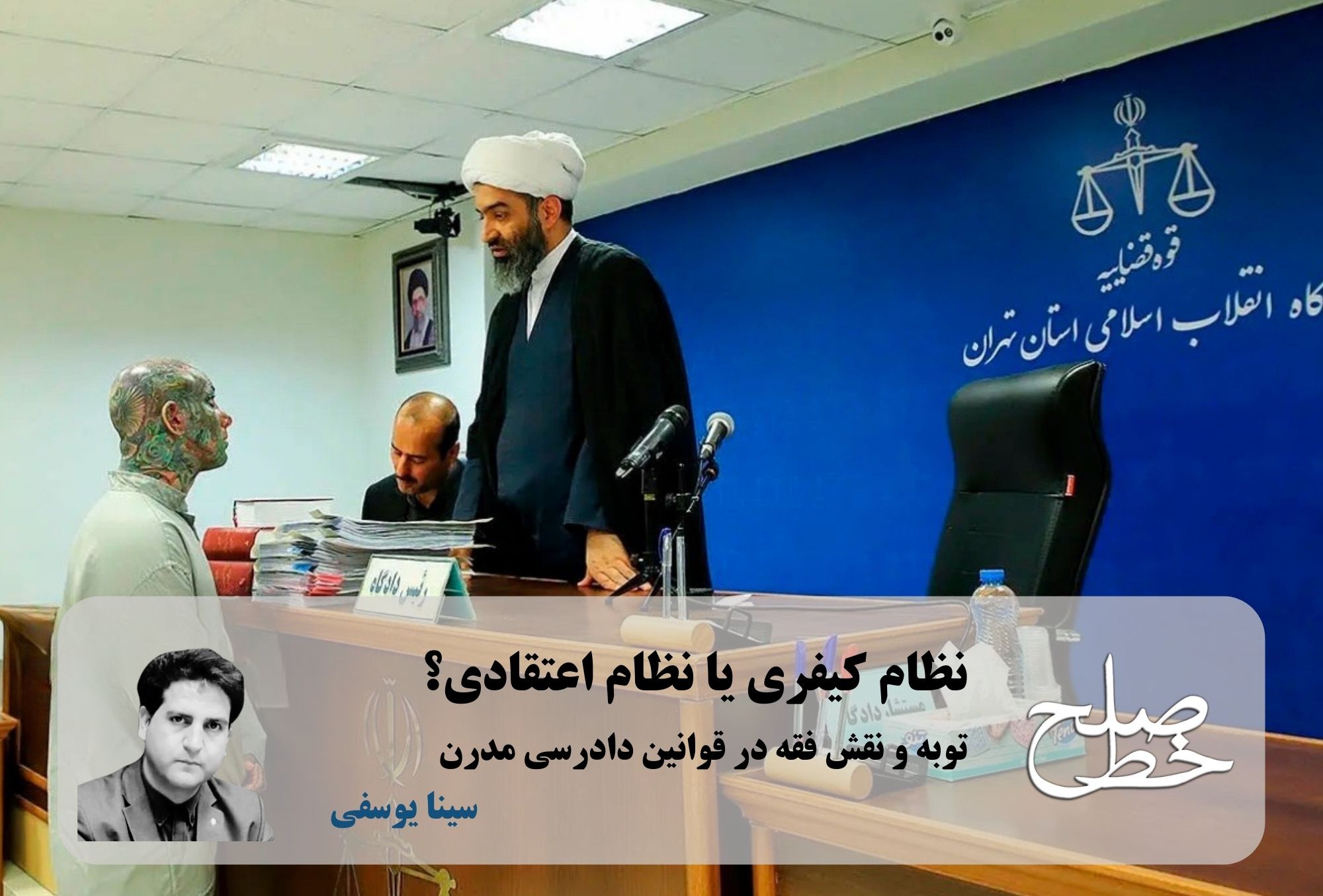
Penal System or System of Belief? / Sina Yousefi
Repentance (tawba) has long been regarded in Islamic jurisprudence as a moral and devotional concept, and over time, it has also gained a significant role in criminal proceedings. Islamic jurisprudence, by linking the realm of religious ethics with the domain of punishment, has created an institution in which inner transformation can lead to the annulment […]...
Read More
Created By:
Sina Yousefi November 22, 2025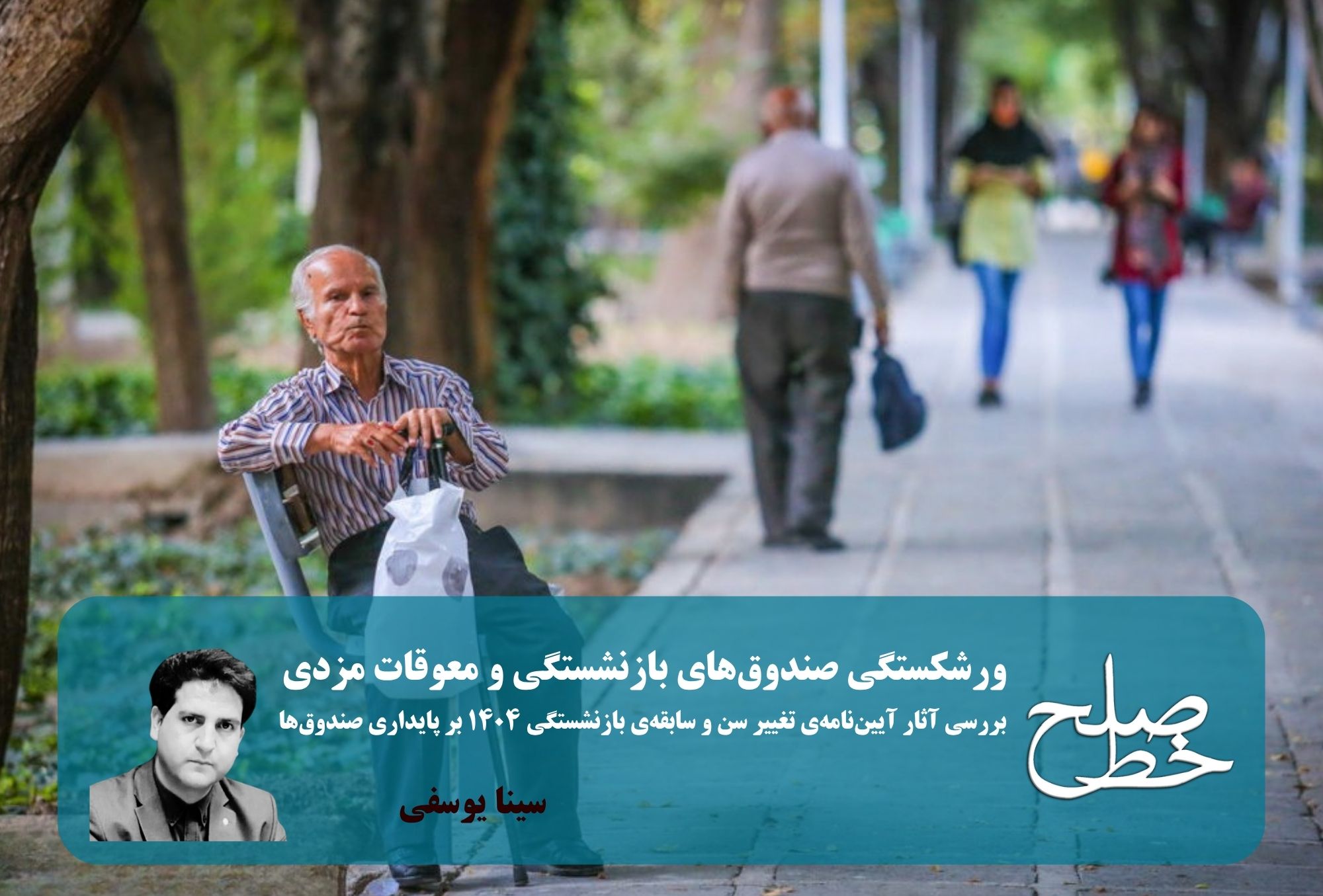
The Bankruptcy of Pension Funds and Wage Arrears/ Sina Yousefi
In recent decades, the country’s pension funds—especially the Civil Servants Pension Fund, the Social Security Organization, and the Armed Forces Pension Fund—have faced a deep structural crisis. This crisis stems from chronic imbalance between resources and expenditures, unprofessional policymaking, and weak corporate governance in managing these institutions. The share of public budget contributions to cover […]...
Read More
Created By:
Sina Yousefi October 23, 2025
A Look at the Role of Qisas in Murder Cases and the Distinction Between Justice and Revenge/ Sina Yousefi
In the legal system of the Islamic Republic of Iran, qisas (retaliatory justice) is not only prominently featured in Book Three of the Islamic Penal Code (2013), but its procedural structure and associated privileges are also legally codified. These include defining the scope of cases eligible for qisas, conditions for the equivalence of the weapon […]...
Read More
Created By:
Sina Yousefi September 23, 2025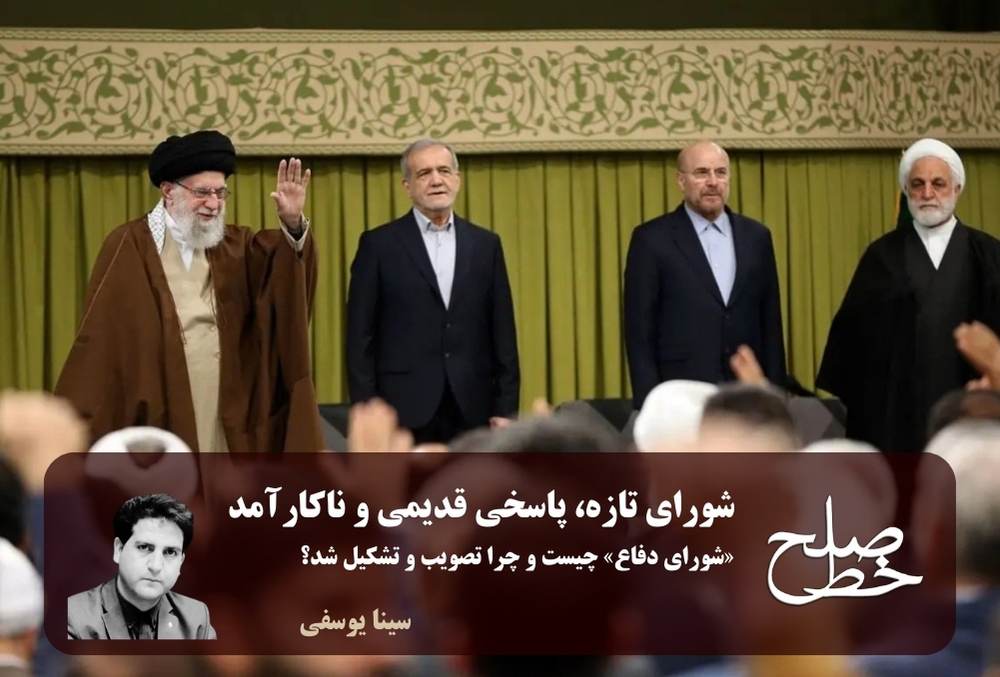
What is the ‘Defense Council’ and why was it approved and formed? / Sina Yousefi
In the month of Khordad of this year, Iran witnessed one of the shortest and most expensive military confrontations, known as the 12-day war. This war not only targeted vital infrastructure of Iran, including sensitive nuclear facilities and defense systems, but also exposed deep-rooted weaknesses in the structure of the Islamic Republic’s defense and security. […]...
Read More
Created By:
Sina Yousefi August 23, 2025
