


Kurdistan
Asia Arianfar: In military courts, the blood of kolbars is declared “wasted” / Ali Kalai
The shooting of Kolbars in the western border regions of Iran has raised serious questions about the right to life, the limits of the powers of armed officers, and the right of victims to seek justice for years. Although the Law on the Organization of Border Trade has set a framework for some of the […]...
Read more By:
Ali Kalaei
 October 23, 2026
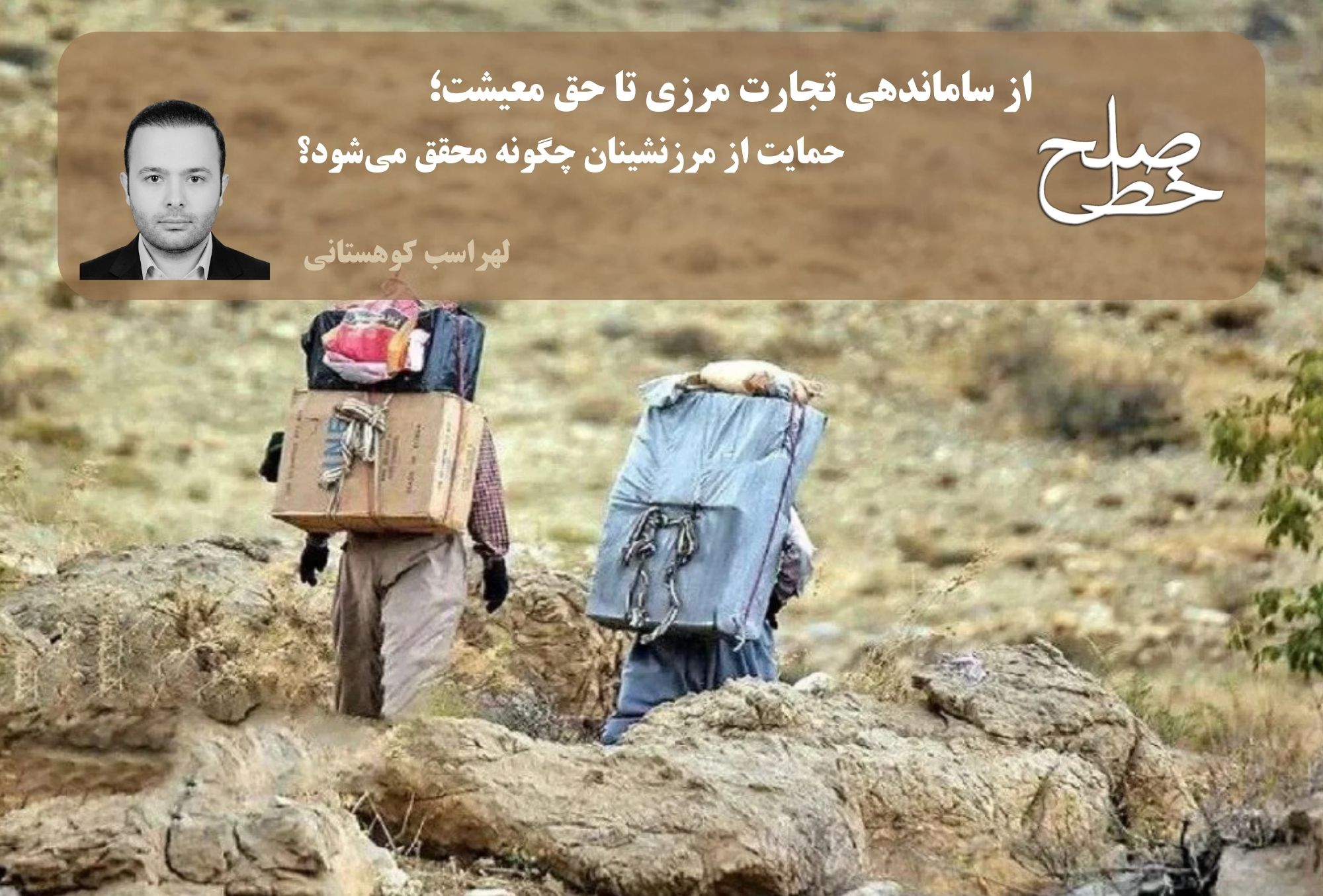
From regulating cross-border trade to the right to livelihood; how is support for border residents achieved? / Lohrasb Kohistani
Let’s say a resident of Marivan applies for a border trade quota. He has submitted his residency documents, but the answer is simply: Your conditions were not met. He does not know which document was incomplete, whether the quota capacity was filled or other people had priority. More importantly, he does not know where to […]...
Read more
By:
Lohrasb Kouhestani October 23, 2026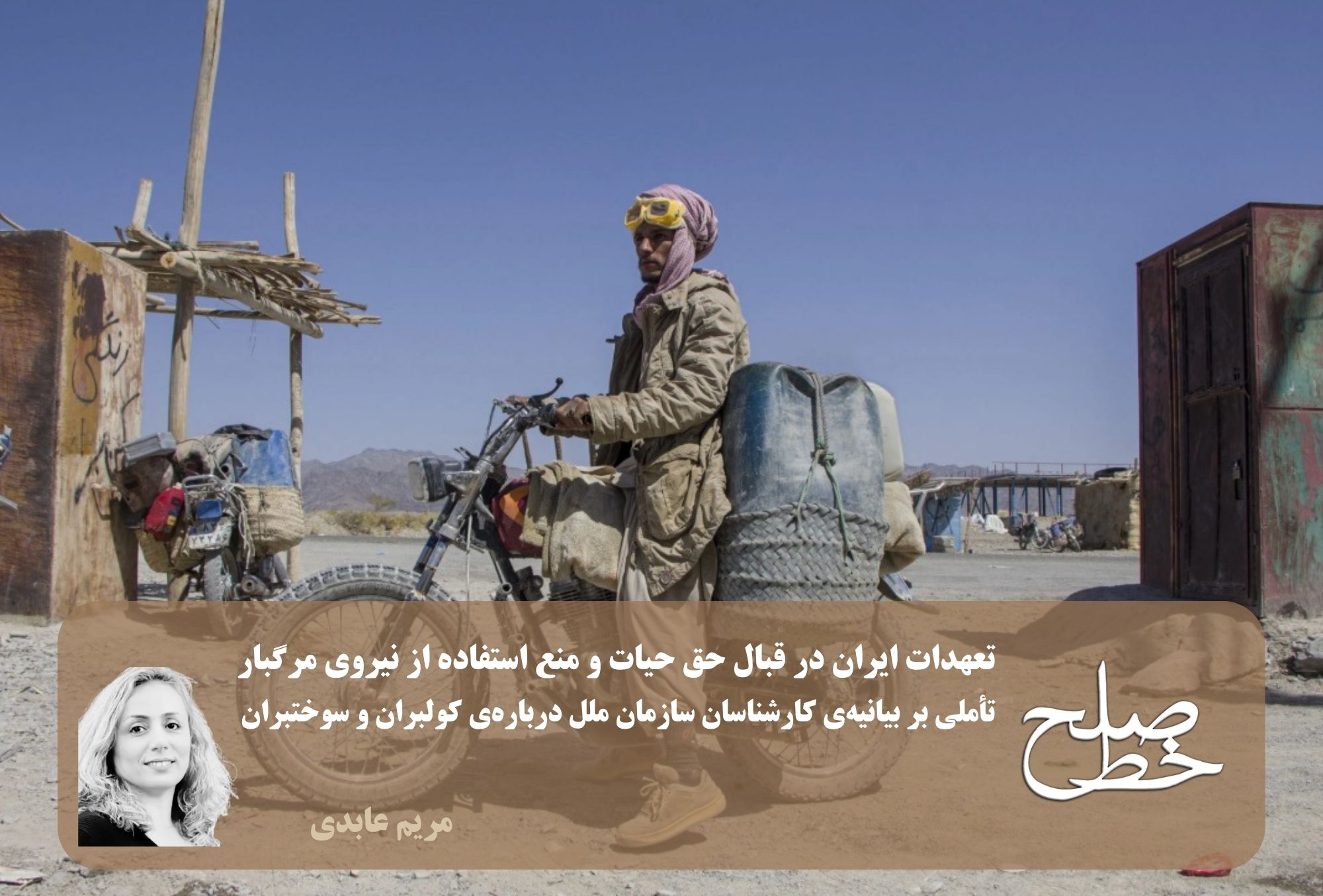
Iran’s Commitments to the Right to Life and the Prohibition of the Use of Deadly Force/ Maryam Abedi
Kolbari and fuel bartering cannot be analyzed within the classical framework of informal trade practices; this phenomenon is, first and foremost, a survival strategy in the context of structural poverty, chronic unemployment, and regional discrimination. It was in this context that the “Law on the Organization and Supervision of Border Trade (Kolbari and Melvani) and […]...
Read more
By:
Maryam Abedi October 23, 2026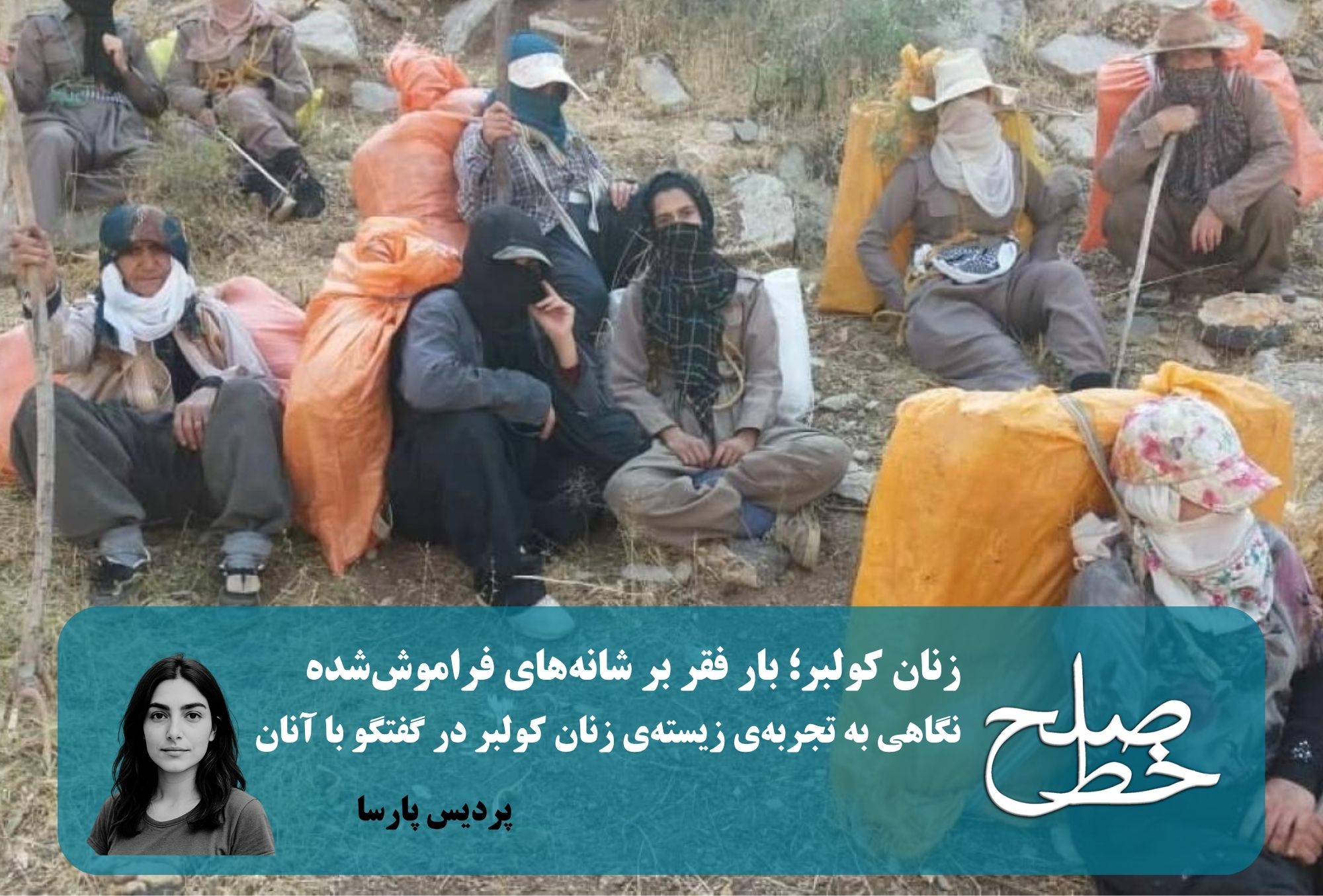
Women Kolbars: The Burden of Poverty on Forgotten Shoulders/ Pardis Parsa
Kolbari, a practice most common in the provinces of Kurdistan, Kermanshah, and West Azerbaijan, is a phenomenon tightly intertwined with structural poverty, underdevelopment, and centralized governance policies. The state, through continuous underdevelopment of non-Shia and non-Persian regions, has exacerbated this issue—particularly in the Kurdish border areas. Years of neglect, historical insecurity, and a securitized view […]...
Read more
By:
Pardis Parsa October 23, 2025
Government’s $7 Billion Control via Regulation of Kulbars: Will Kulbari Finally Be Legalized?/ Nafiseh Sharafaldini
The Pezeshkian administration is set to implement a regulatory framework for overseeing border trade practices, specifically kulbari (manual border transport) and tehlanji (small-scale maritime trade). Under this framework, the government plans to manage $4 to $7 billion worth of annual imports conducted through kulbari. Abdolnaser Hemmati, Minister of Economic Affairs and Finance, announced during a […]...
Read more
By:
Nafiseh Sharafaldini November 21, 2024
From acting to smuggling/ Negar Jokar
Kolbari and sukhatabari are laborious occupations that a significant percentage of citizens are engaged in due to the lack of suitable and equal job opportunities. Every year, a large number of kolbars and sukhatabars are injured and killed as a result of military shootings, falling from mountains, and freezing in Iran. On the fifth of […]...
Read more
By:
Negar Jokar April 20, 2024
Halabcheh; a terrifying tragedy that challenged the world / Keyumars Amiri
On the 25th of Esfand 1366 (March 15th, 1988), while only four days remained until the new year, the city was bustling with people. They had come to the market to buy things for the night of Eid and the city was filled with chatter and excitement. Mothers were holding their children’s hands and buying […]...
Read more
By:
Kiomars Amiri February 20, 2024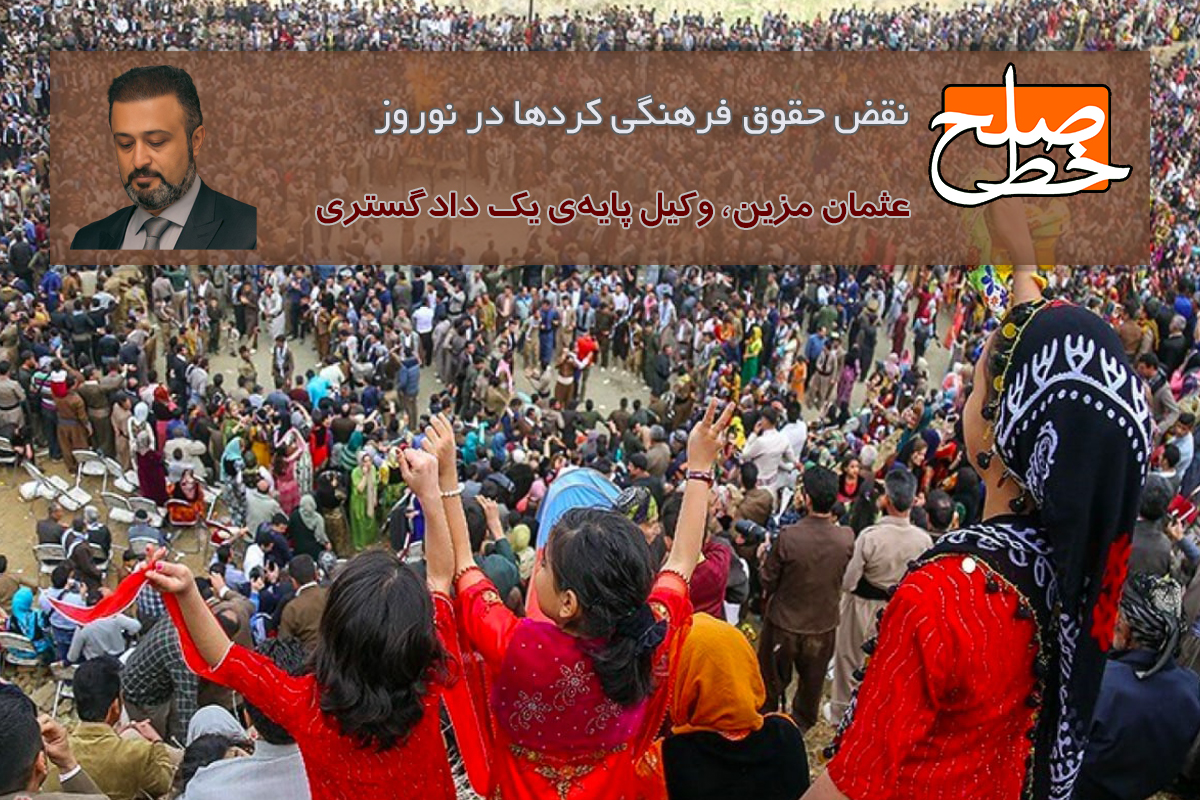
یThe violation of Kurdish cultural rights during Nowruz/ Osman Mozini
Each nation or people, according to their experience of passing through ups and downs and the darkness of historical events, considers certain days important and respects them, and as a result, has its own rituals and specific programs. Seen in societies with multiple nations, ethnic groups, or ethnicities, all the sorrow of government is focused […]...
Read more
By:
Osman Mozayan April 21, 2022
Suicide and its relationship with poverty in Kurdistan/Bahar Abbasi
Conclusion As mentioned, suicide is one of the leading causes of death in the world, and it is not limited to a specific country or ethnicity. There are multiple factors involved in the occurrence of suicide, and theorists have presented various opinions about its causes. Factors such as literacy rate, unemployment rate, divorce, poverty, generation […]...
Read more
By:
Bahar Abbasi February 19, 2021
Invalid line of activists on reporting “Let him be human” / Witness Alavi
The story of human rights violations in Kurdistan is a tearful tale. However, this bitter narrative, this open wound, was either denied for a long time or portrayed as a great lie to victimize the oppressed, or it was told in such a vague and sometimes heroic way that it was difficult for the audience […]...
Read more
By:
Admin November 21, 2016
Saleh Nikbakht: Iran reconciles with Iraq over the rights of chemical victims / Simin Rouzgar
Simin Rouzgar Mohammad Saleh Nikbakht, a well-known Iranian lawyer, has a long track record in the field of human rights. He has also taken on the representation of a large number of victims of chemical bombings in Iran. Mr. Nikbakht has played a significant role in the formation of the “Association for the Defense […]...
Read more
By:
Simin Rouzgard April 28, 2016
Chemical bombing; tactic or strategy? / Witness Alavi
This is a caption. Shahed Alavi About Black Monday in Sardasht, colorful balloons in the sky over the city in the morning and black fighter jets in the sky in the afternoon, about the day of death with the taste of lemon and bitter almonds, we have written, read, and seen very little today, 29 […]...
Read more
By:
Admin April 28, 2016
