


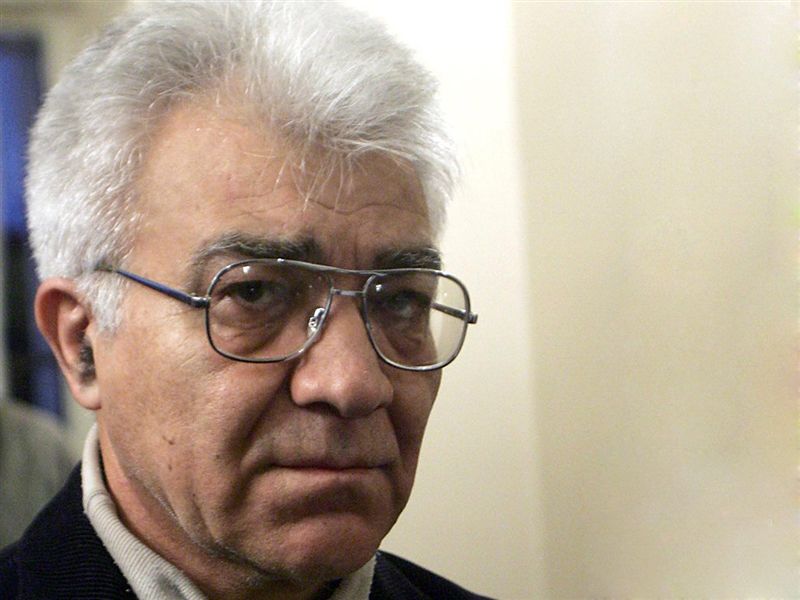
Dr. Naser Zarafshan: It rotates around the same previous heel.
A proposal regarding human rights and the Bahman 57 Revolution.
In light of the conviction of the Shah and the report of the International Red Cross Organization regarding the torture of political prisoners by SAVAK in prisons as an example of human rights violations, to what extent were the concerns of the revolution and revolutionaries about human rights standards and principles? To what extent did the slogans of the revolution refer to human rights concepts? In terms of human rights and freedom of expression, what was the situation in Iran before the revolution in February 1979 and what was the situation after that? What were the main reasons for the people’s protests? Some believe that the revolution itself cannot be free from violence; but what is actually considered violence? Do you consider yourself a revolutionary today or someone who is more committed to human rights standards?
These are the questions that we have asked in order to find answers to different perspectives, so that we may ultimately reach a unified conclusion. Therefore, we have approached a group of political and social activists who were involved in the political and social events in Iran during the late 1950s; most of these individuals were also considered victims of human rights violations before and after the February 1979 revolution.
Dr. Naser Zarafshan, writer, translator, lawyer and attorney, is one of the individuals who has answered our questions in this proposal and we are grateful for his cooperation…
Human rights were not a serious concern during the movement that took place in Iran during those years, and this issue was not reflected in their slogans. If you look back and reflect, the structure and fabric of the political forces involved in this issue show that their line of thinking and positions were beyond these matters; especially those who, after the initial turmoil, rose to power and had no such concerns in their thinking.
Freedom is a singular block and it cannot be interpreted where its scope and fields are. But in short, what is evident is that the political crisis that occurred and grew during those years could not, on its own, lead to the collapse of the ruling political system. In my opinion, it was simply a crisis and there were other external and internal factors (such as specific socio-economic conditions) that led to a change in regime. In any case, the previous generation had the maturity and ability to fight and believed in their power to change their lives and improve their conditions, which is why they joined this struggle. Now, the name of this desire cannot necessarily be defending human rights. Moreover, there are different opinions about what happened in Iran and whether it was fundamentally a revolutionary movement or not, which requires a detailed discussion.
Iran before and after the movement in Bahman 57, more or less, have similar situations in terms of human rights violations. Human rights issues were not respected at that time and still are not. However, the opening of social freedoms in the early months after the revolution was an undeniable fact that requires further investigation and elaboration. But what is certain is that after the initial turmoil settled, we returned to the same cycle that was already in motion.
Besides these issues, in any political system, those who are in power have created all available tools, including tools of violence, to maintain their position. The government is the political organization of those who have interests and advantages, and these same individuals have also created all necessary tools to maintain their position. Logic tells us clearly and simply that eliminating these tools is only possible with tools of the same kind. Therefore, this fundamental transformation (whether we call it a revolution or not) cannot be achieved without some use of force, and in some places, it even requires violence. The people and popular movements are never in favor of using force, and they are always subject to force from above. Whenever ruling regimes close all avenues for reflecting the will of the people and towards the people, the people are forced to resort to force in order to break that inevitable situation. Furthermore, reforming political systems that do not value the will of the people and reflecting their will is nothing but an illusion. Of course, I
 Created By: Admin
 February 24, 2015
Tags
Dr. Naser Zarafshan Magazine number 46 Monthly Peace Line Magazine Simin Daytrip The Revolution of Bahman 57 ماهنامه خط صلح