


Women Rights
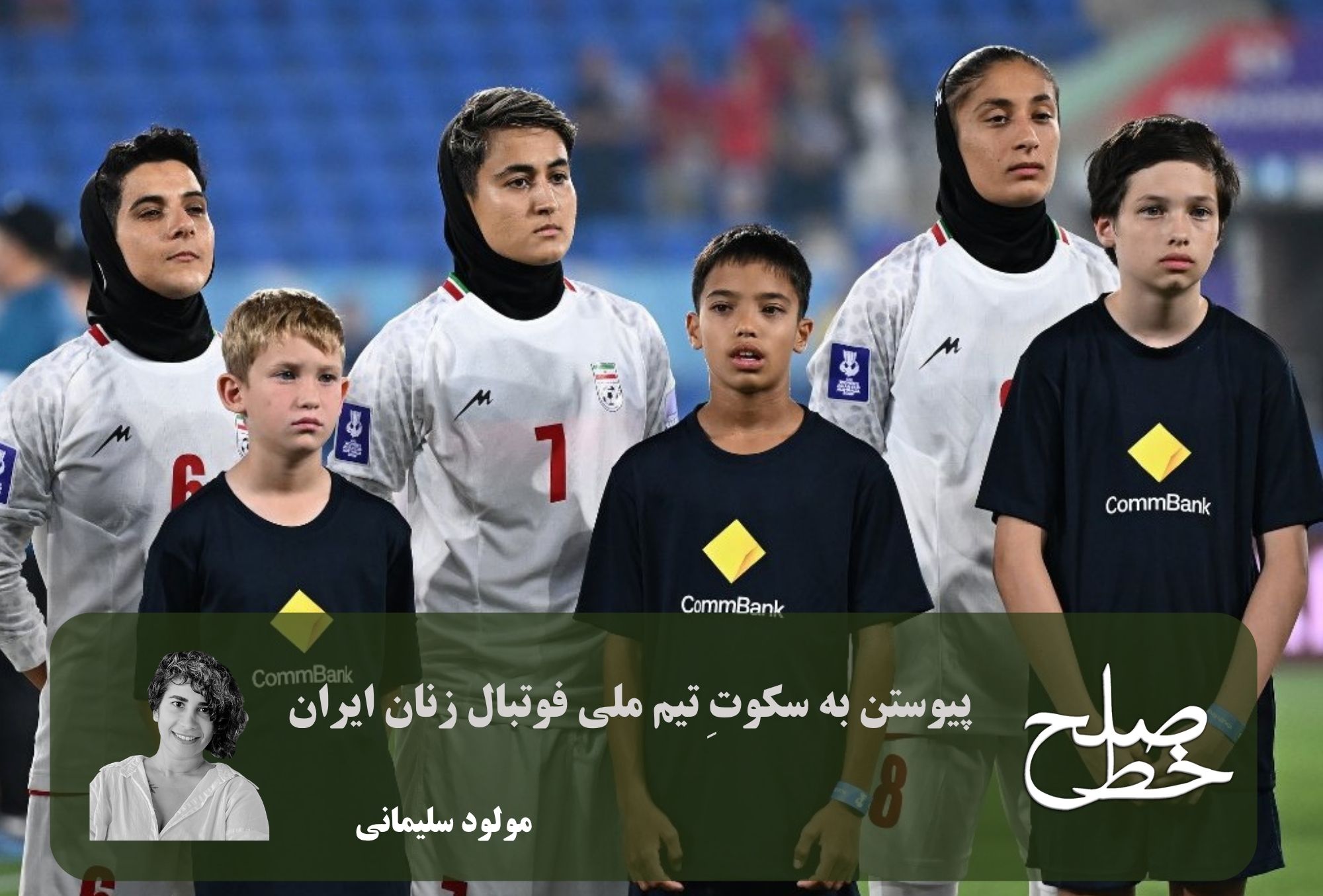
Joining the silence of the Iranian women’s national football team/Moloud Soleimani
The news begins with the act of silence by members of the Iranian women’s national football team in a match against South Korea at the Asian Cup in Australia. At the beginning of the match, the national anthem of the Islamic Republic is played. The camera moves over the faces of the female footballers; over […]...
Read More Created By: Moloud Soleimani
 March 21, 2026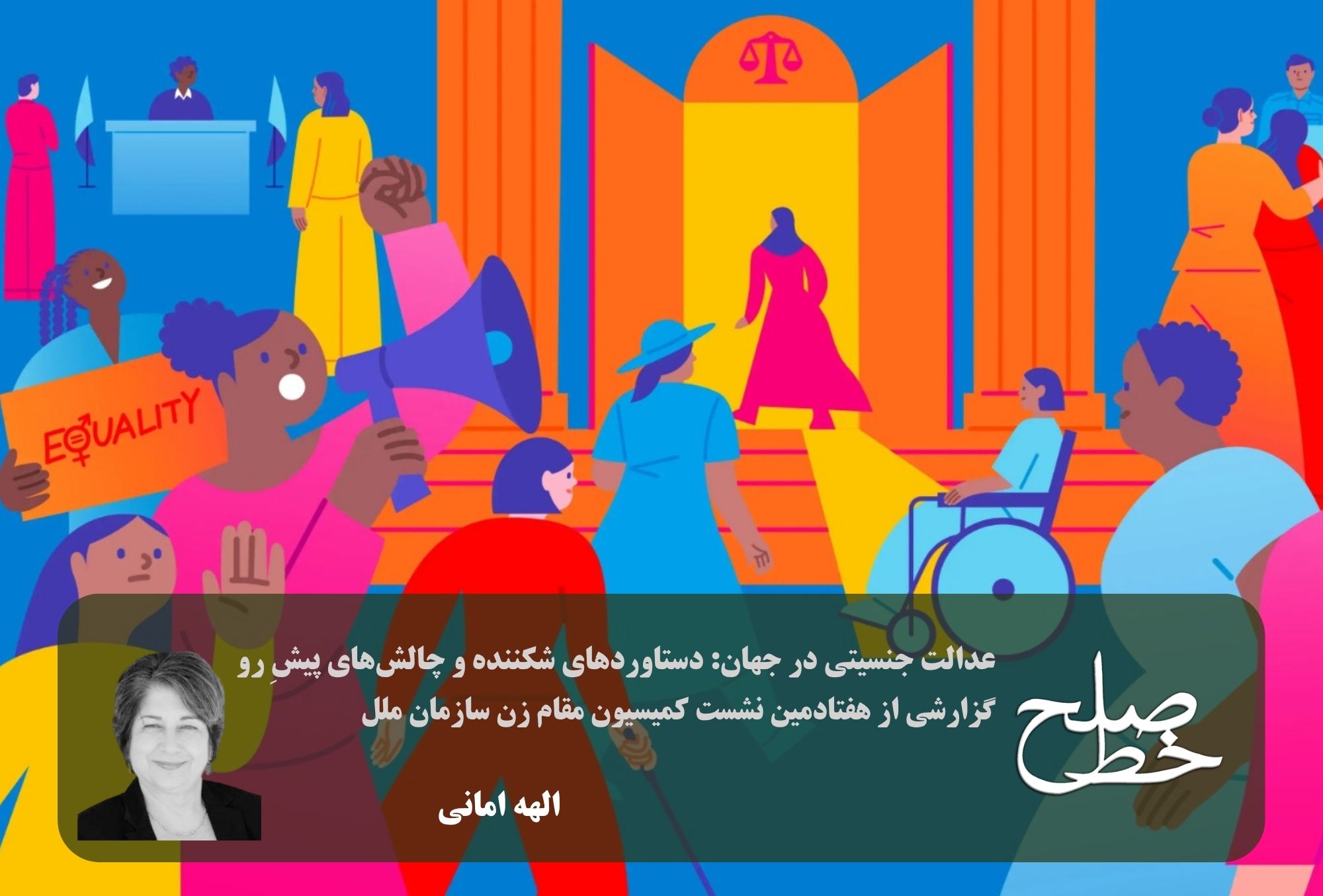
Gender Justice in the World: Fragile Achievements and Challenges Ahead / Elaheh Amani
The seventieth session of the United Nations Commission on the Status of Women (CSW70) was held from March 9 to March 19, 2026, at the United Nations Headquarters in New York. The theme of this session was “Ensuring and strengthening access to justice for all women and girls,” and it encompassed axes such as “promoting […]...
Read More
Created By: Elahe Amani March 21, 2026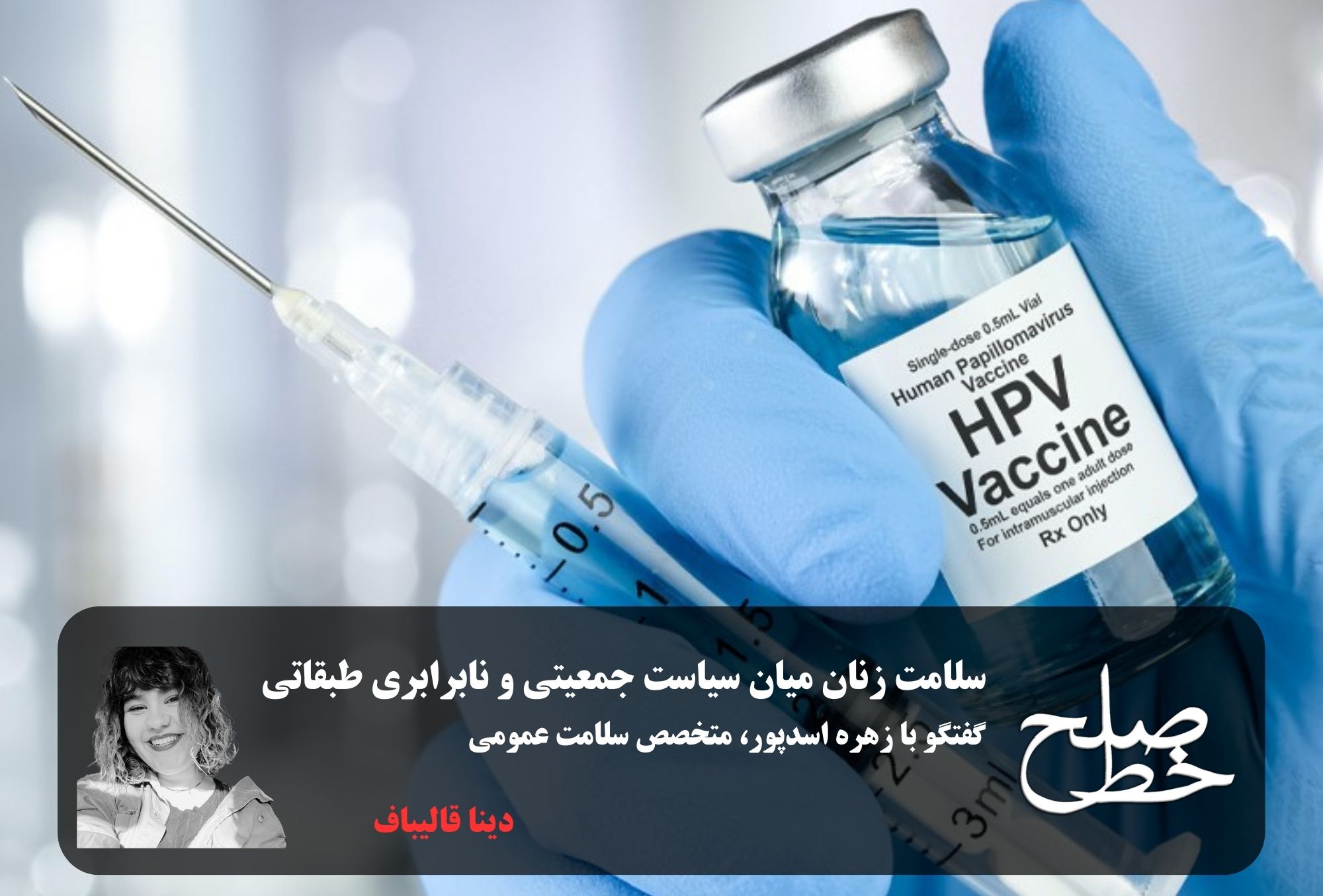
Women’s Health Between Population Policy and Class Inequality / Dina Ghalibaf
Following the sudden and quiet removal of the Iranian “Papilloguard” vaccine from pharmacies across the country, women who had been awaiting national vaccination to prevent infection with the human papillomavirus (HPV) have been forced to turn to foreign vaccines at prices several times higher—vaccines whose cost is incompatible with the economic circumstances of many women. […]...
Read More
Created By: Dina Ghalibaf February 20, 2026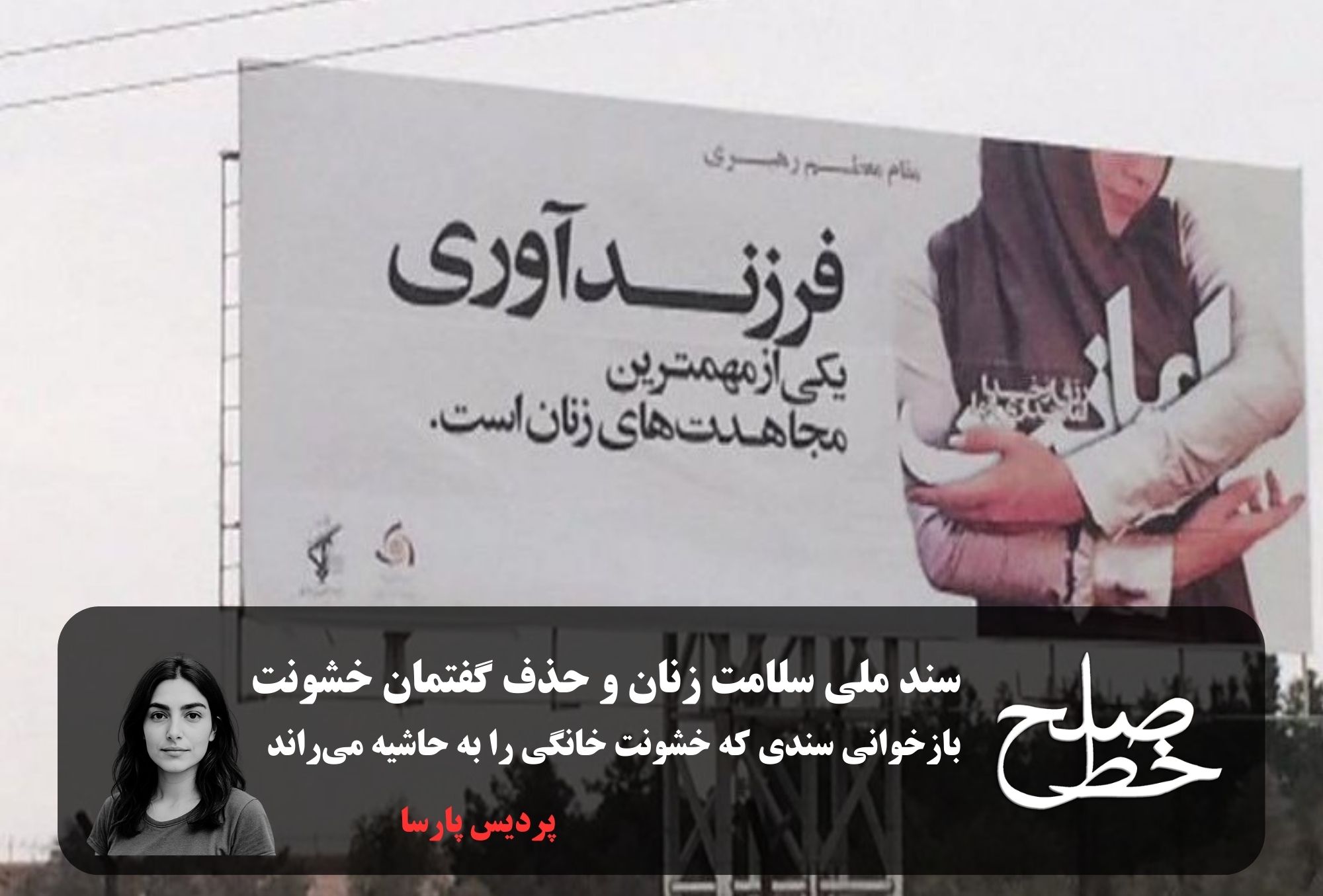
The National Women’s Health Document and the Erasure of the Discourse on Violence/ Pardis Parsa
Recently, the “National Women’s Health Document” was issued by the President of the Islamic Republic and the head of the Supreme Council of the Cultural Revolution, with stated goals such as promoting women’s physical, mental, social, and spiritual health. Yet rather than being the result of engagement with the lived realities of women, the document […]...
Read More
Created By: Pardis Parsa February 20, 2026
The role of men in confronting gender-based violence/ Elahe Amani
The annual international campaign “16 Days of Activism Against Gender-Based Violence”, entitled “16 Orange Days”, ended on December 10, coinciding with International Human Rights Day. Although public awareness of violence against women has increased during the 34 years of the global campaign, the path to ending this violence remains long and complex. Violence against women […]...
Read More
Created By: Elahe Amani December 22, 2025
Changing divorce patterns in Iran/ Maryam Hosseini
Divorce in Iranian society is no longer a marginal or merely individual phenomenon, but a social, legal, and economic issue; an issue that reflects profound changes in the family structure, gender relations, and living conditions of society. The increase in the number of separations, especially consensual divorces, the change in the age of divorce, and […]...
Read More
Created By: مریم حسینی December 22, 2025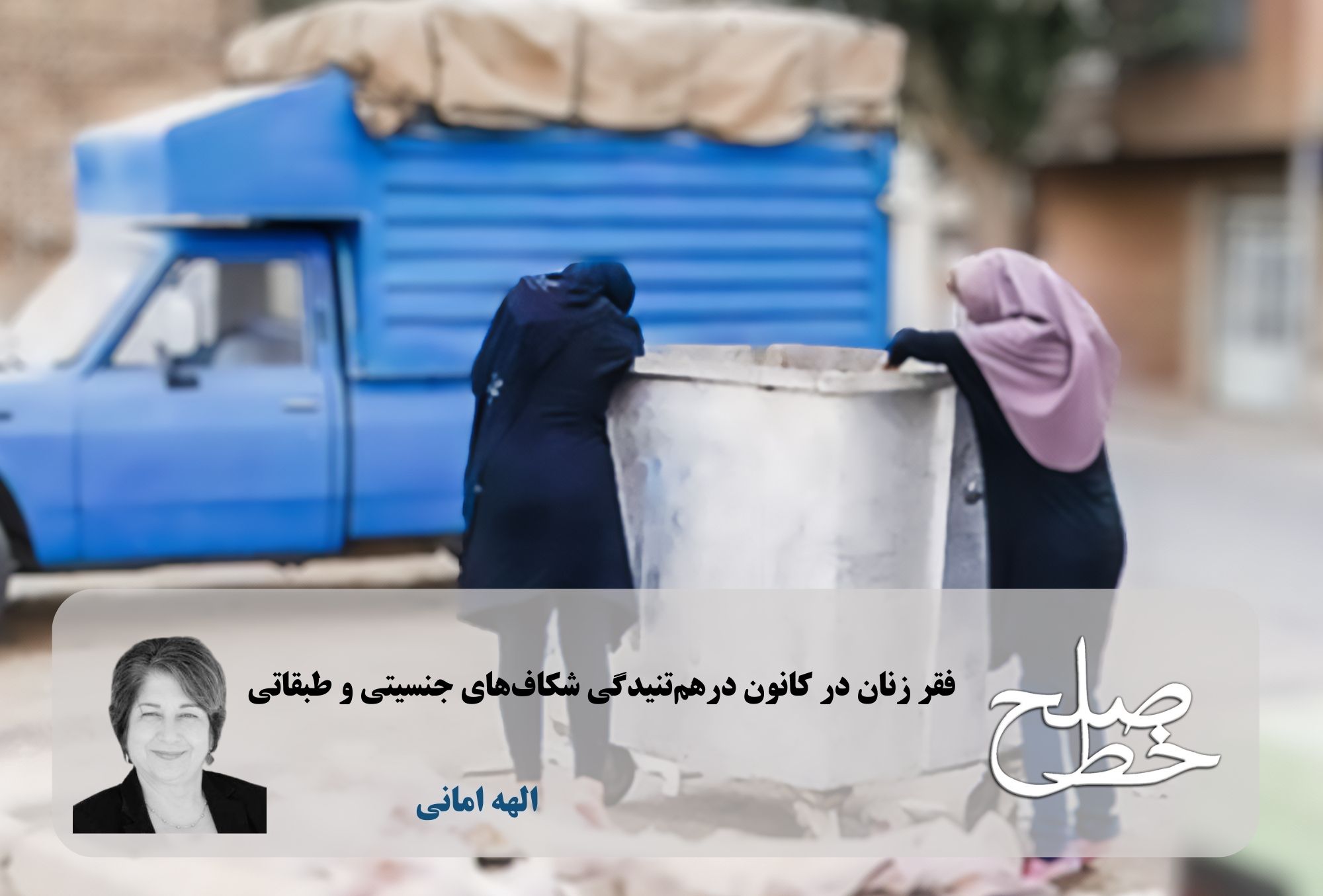
The Feminization of Poverty at the Intersection of Gender and Class Inequality/ Elahe Amani
In his 2020 speech at the “Nelson Mandela Annual Lecture” titled “Tackling the Inequality Pandemic: A New Social Contract for a New Era,” António Guterres, Secretary-General of the United Nations, offered strong criticism of neoliberal politicians and theorists. These were the same individuals who, at the height of the COVID-19 pandemic, claimed, under the slogan […]...
Read More
Created By: Elahe Amani November 22, 2025
Femicide in Iran: Unequal Law, Violent Structures, and the Cycle of Impunity / Maryam Hosseini
Femicide in Iran is a crisis phenomenon that reflects deep gender inequalities, legal gaps, and a culture of male dominance. The increase in the number of women being murdered, along with the absence of a strong legal framework that specifically addresses the killing of women based on gender, has raised concerns that some of these […]...
Read More
Created By: مریم حسینی November 22, 2025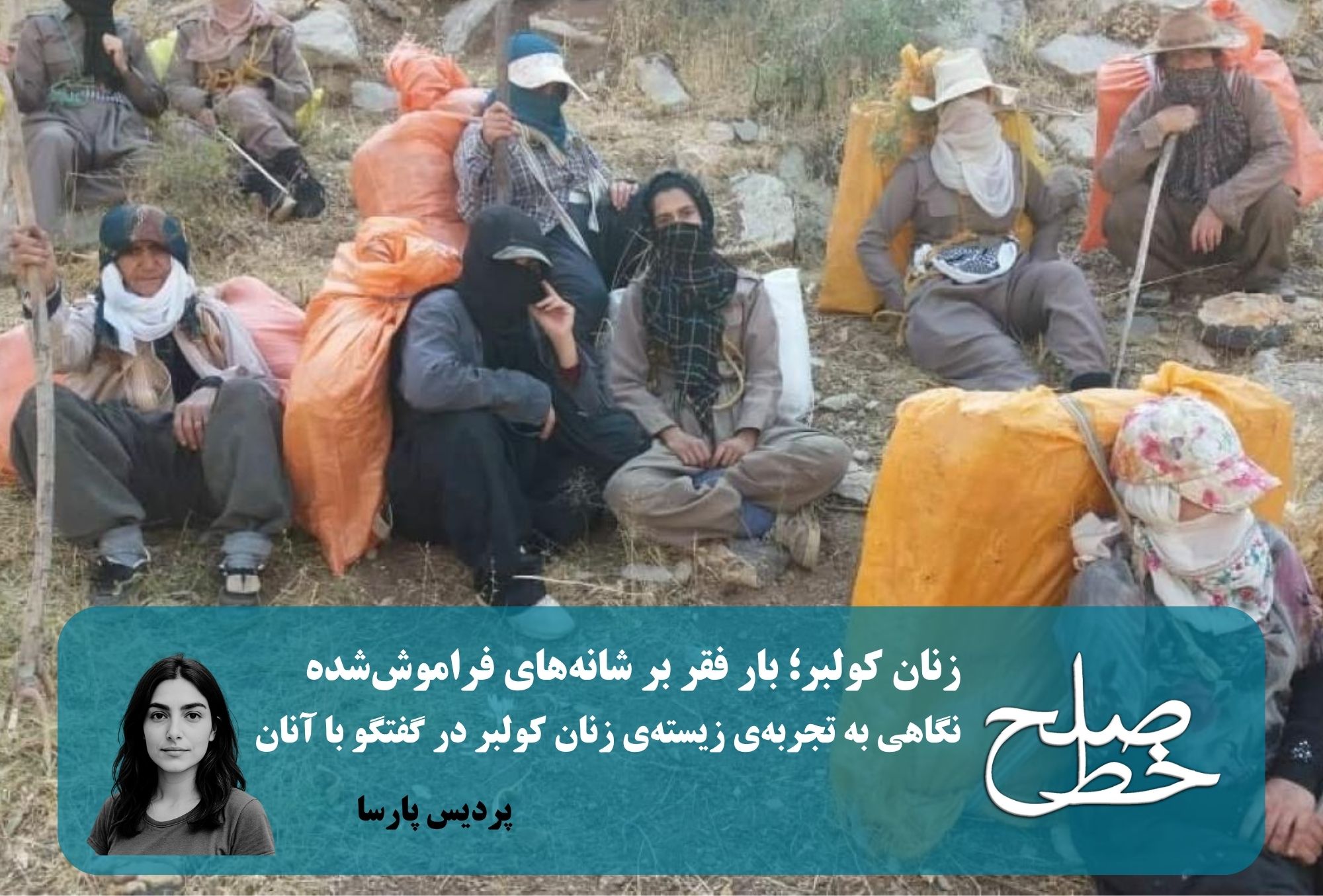
Women Kolbars: The Burden of Poverty on Forgotten Shoulders/ Pardis Parsa
Kolbari, a practice most common in the provinces of Kurdistan, Kermanshah, and West Azerbaijan, is a phenomenon tightly intertwined with structural poverty, underdevelopment, and centralized governance policies. The state, through continuous underdevelopment of non-Shia and non-Persian regions, has exacerbated this issue—particularly in the Kurdish border areas. Years of neglect, historical insecurity, and a securitized view […]...
Read More
Created By: Pardis Parsa October 23, 2025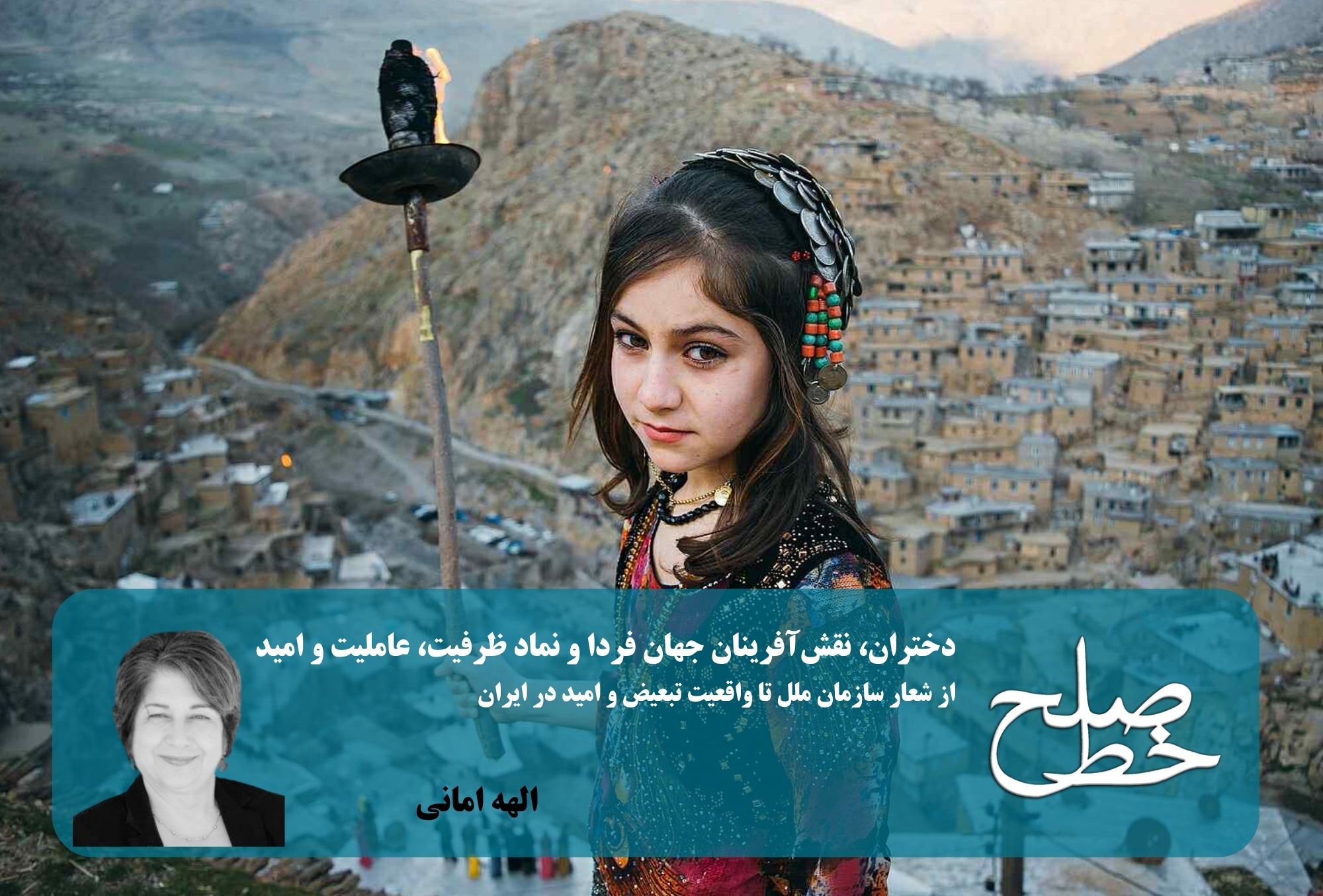
Girls: Architects of Tomorrow and Symbols of Capacity, Agency, and Hope/ Elahe Amani
In today’s world, girls are no longer mere observers of change; they are themselves the driving force behind transformation. By standing against discrimination, with an informed mind and active presence in society, they are redefining the path to the future. From classrooms to social movements, from scientific innovations to civic engagement, girls are symbols of […]...
Read More
Created By: Elahe Amani October 23, 2025
Femicide in Iran and the World: Revisiting the Intersection of Gender, the State, and Structural Violence/ Elahe Amani
Femicide, the killing of women because of their gender, is one of the most extreme forms of gender-based violence. At its core, femicide stems from deeply rooted and long-standing patriarchal and misogynistic systems in which women’s lives are considered inferior and expendable, and the exercise of control over them is normalized. When women defy social […]...
Read More
Created By: Elahe Amani September 23, 2025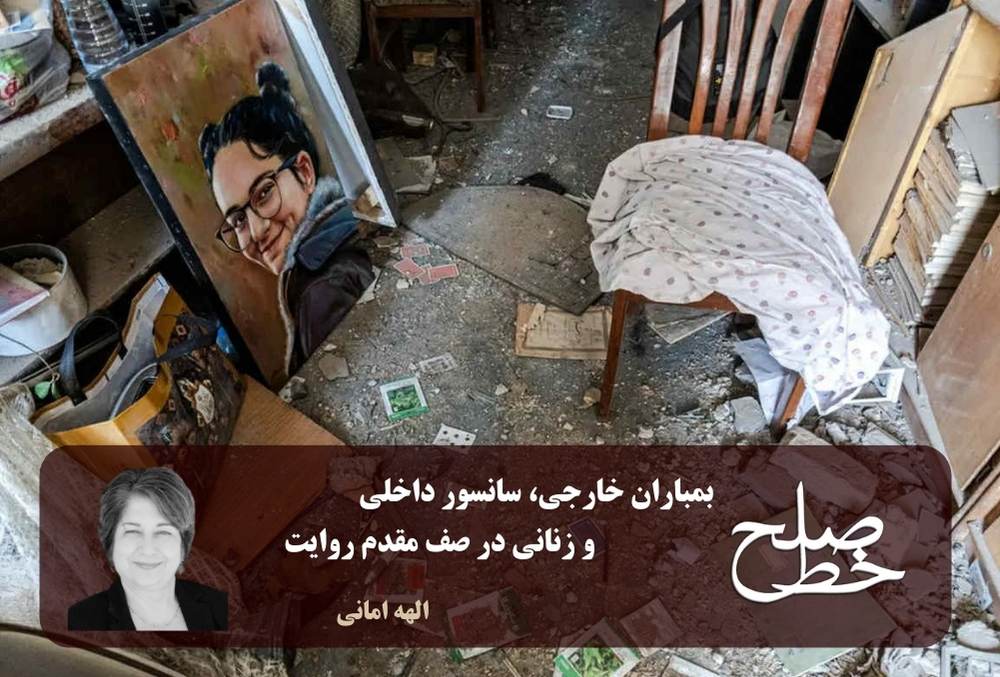
During the external bombardment, internal censorship and women in the forefront of the narrative / Elaheh Amani
“In war, women and children are the first victims, even before the conflicts begin seriously.”.* War is gendered, not neutral. The wounds of war are not only on bodies, but also in lives that are forever changed, and it is women who carry these wounds silently. The costs and consequences of war disproportionately burden […]...
Read More
Created By: Elahe Amani August 23, 2025
