


Women Rights
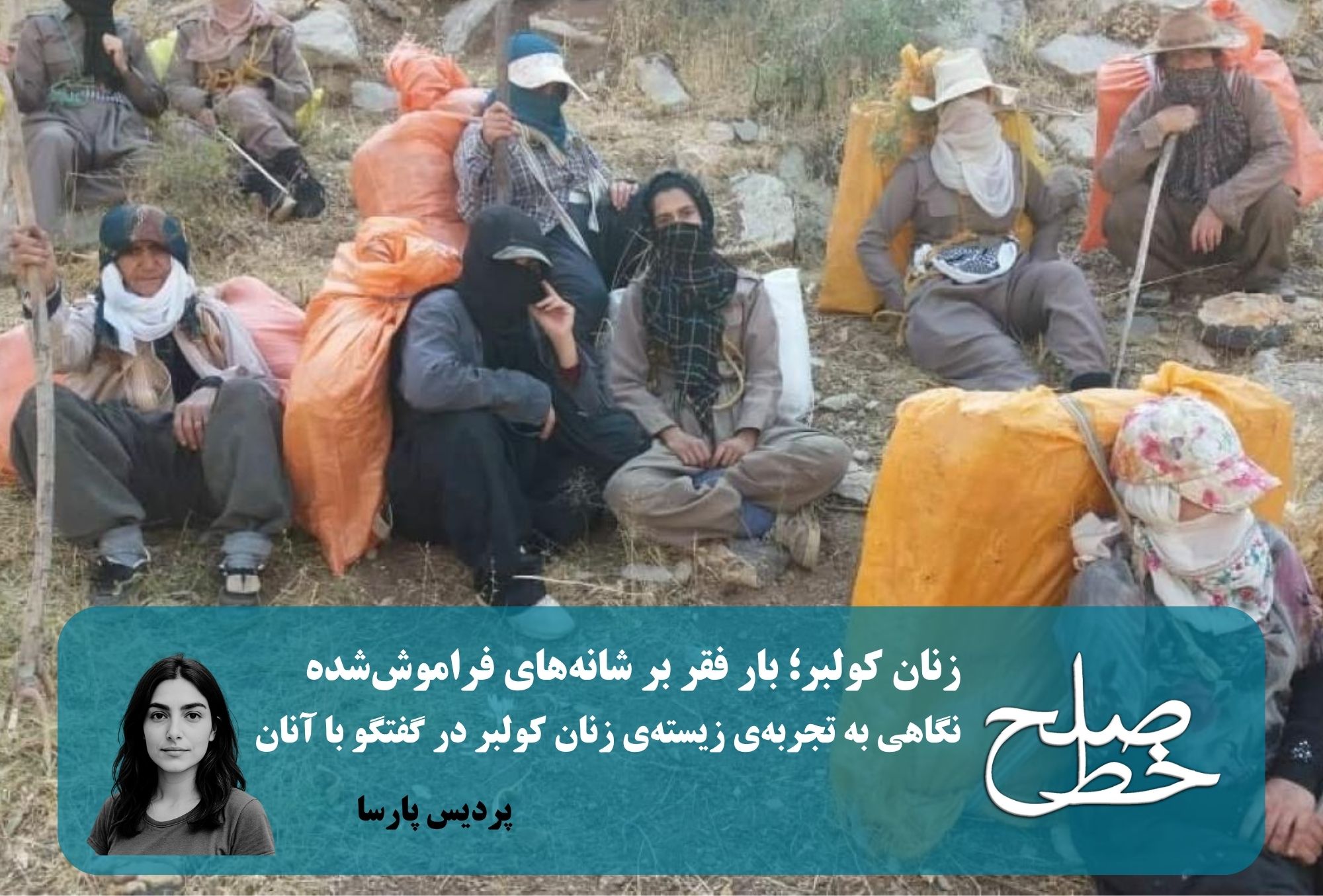
Women Kolbars: The Burden of Poverty on Forgotten Shoulders/ Pardis Parsa
Kolbari, a practice most common in the provinces of Kurdistan, Kermanshah, and West Azerbaijan, is a phenomenon tightly intertwined with structural poverty, underdevelopment, and centralized governance policies. The state, through continuous underdevelopment of non-Shia and non-Persian regions, has exacerbated this issue—particularly in the Kurdish border areas. Years of neglect, historical insecurity, and a securitized view […]...
Read More Created By: Pardis Parsa
 October 23, 2025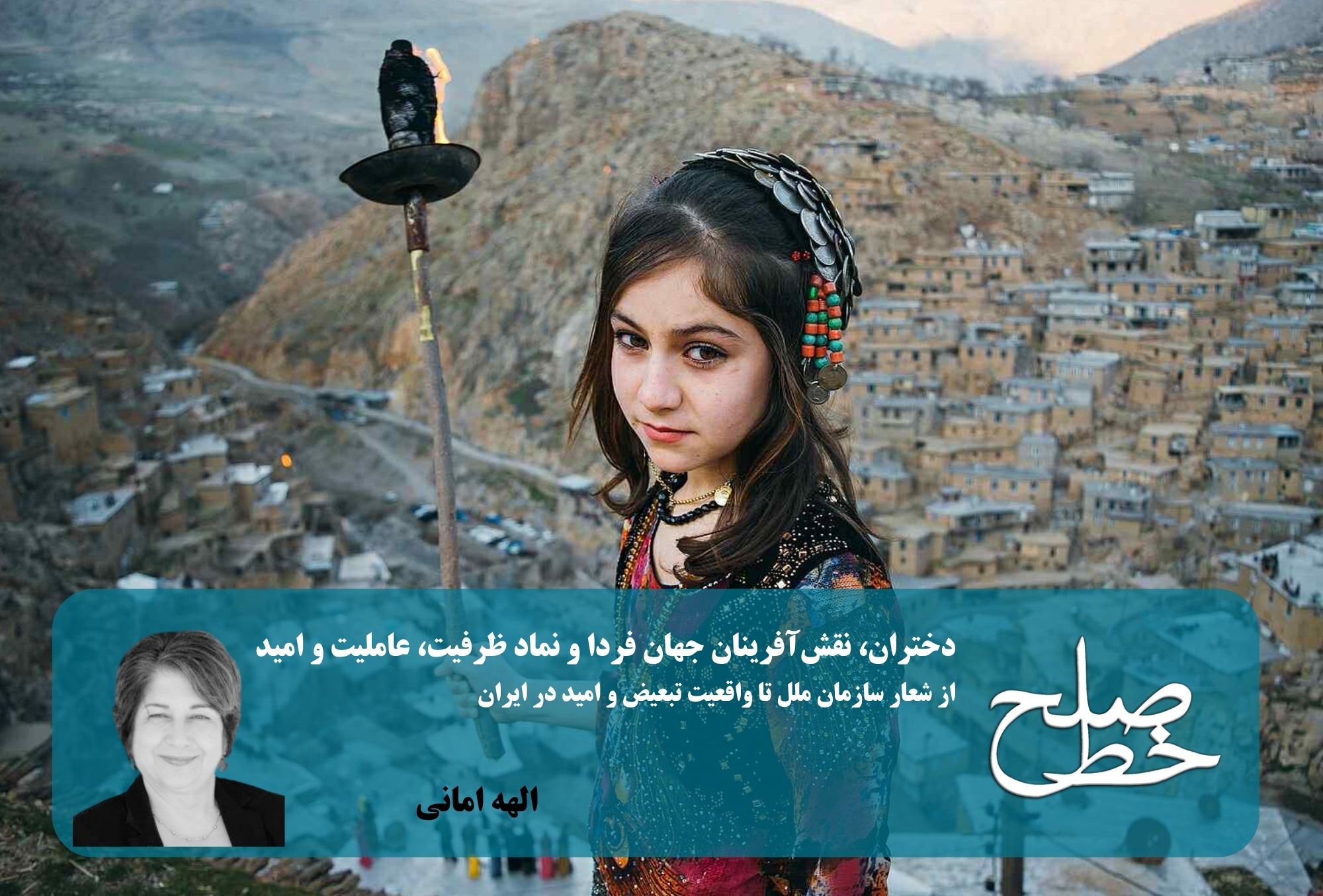
Girls: Architects of Tomorrow and Symbols of Capacity, Agency, and Hope/ Elahe Amani
In today’s world, girls are no longer mere observers of change; they are themselves the driving force behind transformation. By standing against discrimination, with an informed mind and active presence in society, they are redefining the path to the future. From classrooms to social movements, from scientific innovations to civic engagement, girls are symbols of […]...
Read More
Created By: Elahe Amani October 23, 2025
Femicide in Iran and the World: Revisiting the Intersection of Gender, the State, and Structural Violence/ Elahe Amani
Femicide, the killing of women because of their gender, is one of the most extreme forms of gender-based violence. At its core, femicide stems from deeply rooted and long-standing patriarchal and misogynistic systems in which women’s lives are considered inferior and expendable, and the exercise of control over them is normalized. When women defy social […]...
Read More
Created By: Elahe Amani September 23, 2025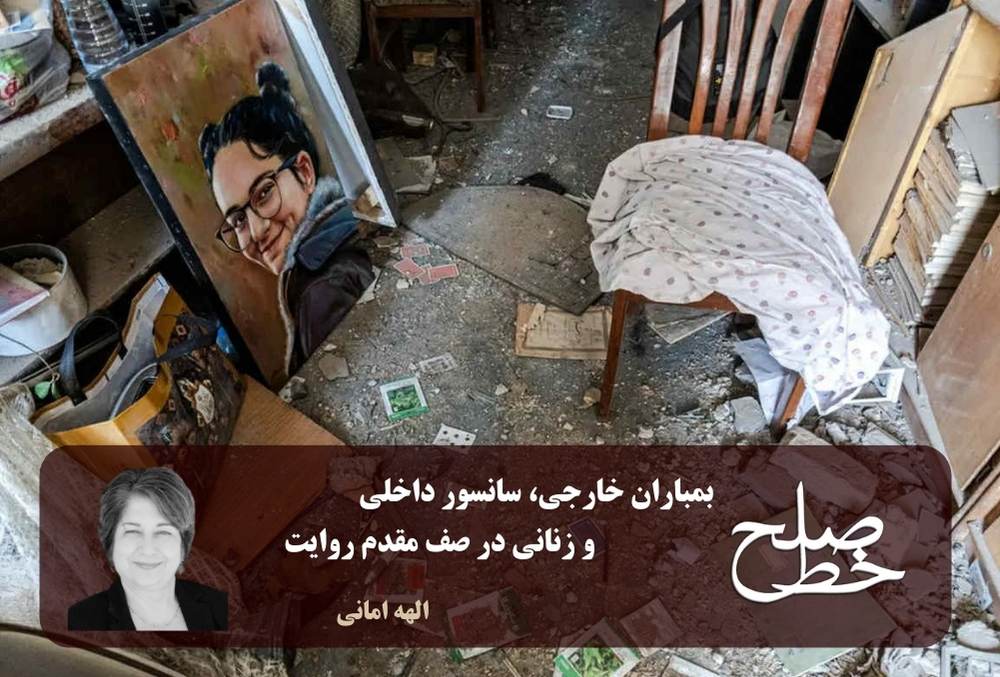
During the external bombardment, internal censorship and women in the forefront of the narrative / Elaheh Amani
“In war, women and children are the first victims, even before the conflicts begin seriously.”.* War is gendered, not neutral. The wounds of war are not only on bodies, but also in lives that are forever changed, and it is women who carry these wounds silently. The costs and consequences of war disproportionately burden […]...
Read More
Created By: Elahe Amani August 23, 2025
Mahr: A Guarantee of Women’s Rights or a Tool for Reproducing Gender Inequality?/ Alireza Goodarzi
Mahr can be understood within the broader context of tradition: it has come down to us from a distant past and represents a period that may not necessarily align with the needs of our present. I put forth this claim on the basis of questions that have been persistently asked within our society for many […]...
Read More
Created By: Alireza Goodarzi June 22, 2025
“My Mehr Is Yours, My Life Is Free”: From Slogan to Official Policy/ Mousa Barzin
In recent years, mahrieh (marital dowry) has become a topic of contention and dispute both in Iranian society and within the domains of policymaking and legislation. The culturally widespread trend of setting exorbitant mahrieh amounts has led lawmakers and the Iranian judiciary to pursue policies aimed at reducing legal and judicial support for mahrieh. However, […]...
Read More
Created By: Mousa Barzin June 22, 2025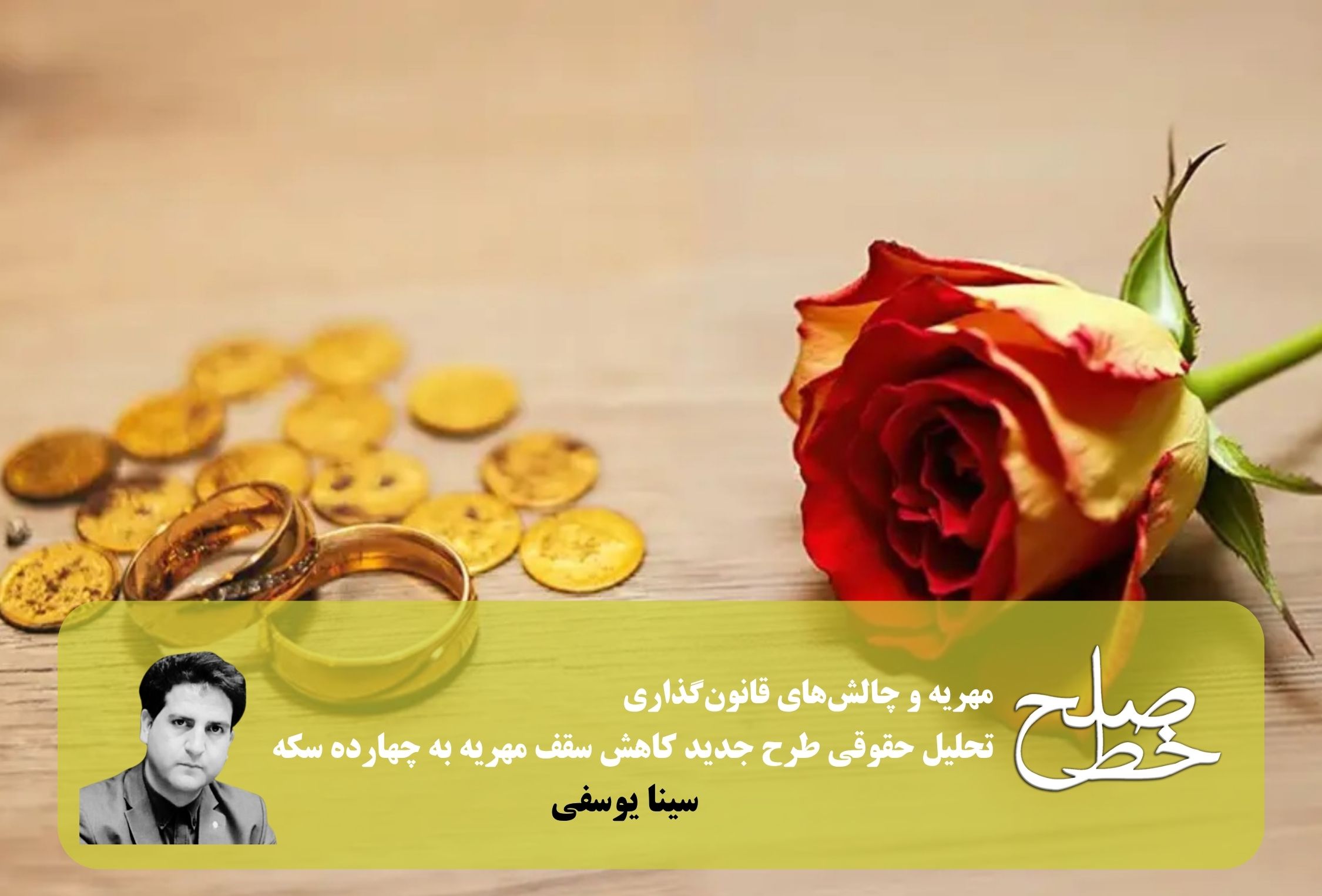
Legal Analysis of the New Proposal to Cap Dowry at Fourteen Gold Coins/ Sina Yousefi
In recent years, the issue of dowry-related imprisonment has become one of the significant challenges facing Iran’s legal and judicial system. On one hand, it concerns the rights and human dignity of men indebted for dowries; on the other hand, within the framework of Iran’s family law, dowry has become the only effective tool for […]...
Read More
Created By: Sina Yousefi June 22, 2025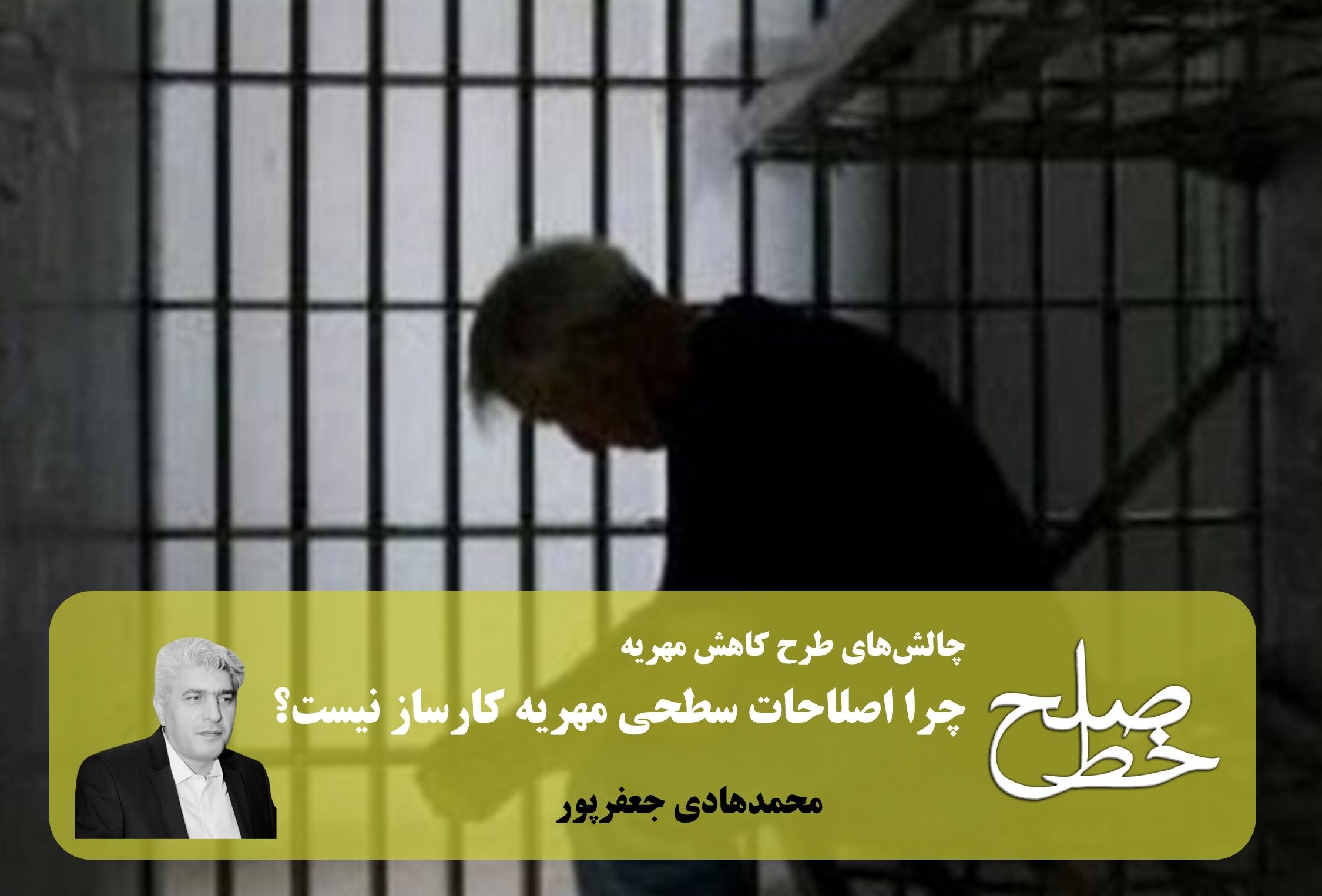
Why Superficial Reforms to the Dowry Law Are Ineffective/ Mohammad Hadi Jafarpour
Contrary to the belief that the challenges of dowry can be resolved merely by amending the Law on Financial Convictions, one of the most important and thought-provoking points in reforming family law is the necessity to consider religious matters and the codified rules outlined in the Book of Marriage. Despite the pressing need to adapt […]...
Read More
Created By: Mohammad Hadi Jafarpour June 22, 2025
From Profiteers to Victims of Dowry: Law, Poverty, Culture, and Media/ Mahtab Alinezhad
What is a dowry? In Islamic culture and jurisprudence, a dowry is property that the husband commits to the wife at the time of concluding a marriage contract, which he must pay her upon her demand. This property can be cash, coins, gold, real estate, or even non-material items like Quranic education or arranging a […]...
Read More
Created By: Mahtab Alinezhad June 22, 2025
From Gold Coins to Real Estate Titles: Dowry as a Mirror of Economic Transformations and Class Divides in Iran/ Morteza Hamounian
One person’s dowry is only “14 coins,” and another’s is “over one thousand and three hundred coins” (which corresponds to the bride’s age). The amount of this dowry also fluctuates each time. Dowry is supposed to be a sadaq and a symbol of affection and love, but like the price of housing and cars, it […]...
Read More
Created By: Morteza Hamounian June 22, 2025
Women, Dowry, and the Law: A Cycle of Injustice/ Elahe Amani
The proposed bill in Iran’s parliament in the year 1404 (2025) for reforming the dowry law has sparked widespread debate among legal experts and women’s rights activists. While the parliament’s goal is to reduce legal cases and the number of dowry-related prisoners, many feminists and advocates of women’s rights believe that such proposals do not […]...
Read More
Created By: Elahe Amani June 22, 2025
Old age, poverty, and gender: The triple challenge of women in unequal societies / Elaheh Amani
The elderly population in the world is continuously increasing today. Although global health improvements have led to longer human lifespans, alongside this trend, growing disparities of poverty and wealth and new trends that challenge the respect for the rights of the elderly have become a central issue in global discussions. It is predicted that by […]...
Read More
Created By: Elahe Amani May 22, 2025
