


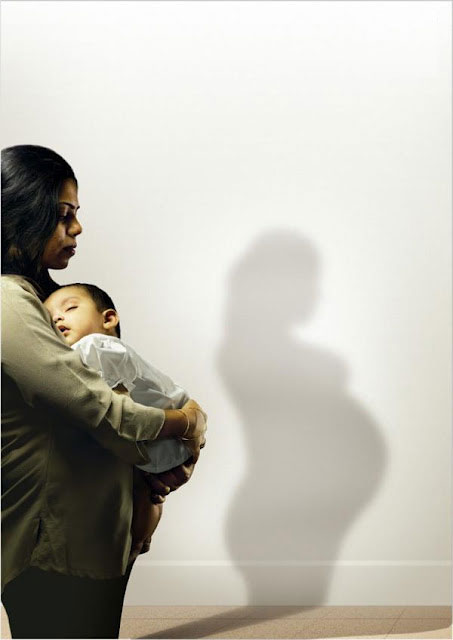
Single women and the laws of parenthood in Iran/ Zahra Bagheri Shad

Tunneling in the mountains is impossible.
The laws of adoption in Iran were amended in 1392 and the changes made for the first time allowed single women to adopt a child. However, the amendments did not create similar and equal conditions for single women as for couples who want to adopt. These women can only adopt a child if they are over thirty years old and the child is only chosen from among girls. On the other hand, single women are in second priority in the process of adopting a child, while childless couples have maintained their first priority for adoption.
One of the factors that contributes to the unequal conditions between single women and couples who want to adopt is the legal considerations for entrusting custody of a child to single women who are unlikely to marry or have passed the age of marriage and fertility. However, these are not the only women who choose to adopt. Among them are women who have been thinking about “becoming a mother” independently and without the presence of a life partner for years, and are not seeking to adopt
Single women are not a priority.According to the laws of adoption in Iran, childless couples are given priority for adopting a child, followed by single women, and then couples who already have children but are also seeking to adopt. However, single women are only allowed to take custody of female children. However, Lina says that during the process of taking custody of a child from the welfare organization, she heard this sentence from the officials of the organization: “The laws in welfare are flexible.” She explains, “This means that the final decision is based on the age and social conditions of the applicant. However, I have had a very positive experience with the welfare organization and they have always treated me with respect.”
The fact that single women can only adopt girls between the ages of six and seven has created a feeling of discrimination in Lina. However, she says she did not insist on adopting a newborn because her work responsibilities did not allow her to provide proper care for a newborn. On the other hand, Lina emphasizes that her
Discrimination in the process of mental health assessment
The qualifications of individuals who wish to become guardians of a child must be approved by four authorities. In the first step, the welfare organization conducts an initial evaluation and visits the person’s place of residence. In the following stages, obtaining a certificate of no criminal record from the police and a certificate of physical and mental health from a legal medical center is mandatory. The final stage involves the approval of a certified welfare counselor, after which a committee from the welfare organization will make the final decision. Lena says that the process of obtaining a health certificate from a legal medical center and a certified welfare counselor has been very difficult: “First of all, the medical evaluations for physical health are not very accurate. The certificate is only issued based on the person’s own statement and HIV and hepatitis tests. As for the mental health counselor from the legal medical center, I can say that I do not trust them. I have been going to a counselor for years and I realized that the counselor I spoke to at the legal
We are waiting in line to embrace “Ava”.
I have chosen the name “Ava” for my daughter, but I emphasize that she cannot necessarily call her by this name; because the child she is adopting may have become attached to their current name. She sees the process of adopting a child as exciting, challenging, and difficult, accompanied by many hopes and disappointments, and has mentally prepared herself to become a mother. Lena says, “This is like pregnancy. My parents say Lena is pregnant, we just don’t know when the baby will be born.”
In her opinion, the society’s perspective on adoption is from the angle of “doing good”; while she emphasizes that her goal is to form a family, not just to do a good deed. Despite this, she evaluates the reactions of those around her towards her decision positively and says, “In addition to my parents who have fully supported me in this matter, those around me have also encouraged me. Traditional people encourage me from the perspective of doing good, and modern people from another
Postscript:
The phrase “digging tunnels in the mountains of impossibilities” is borrowed from one of Ahmad Shamloo’s speeches.
 Created By: Admin
 November 24, 2017
Tags
Childhood Monthly Peace Line Magazine peace line Single women Zahra Bagheri is happy. ماهنامه خط صلح