


Becoming a security issue after years of mismanagement/Siamak Malamahmoudi

The industrialization of societies has increased day by day after the industrial revolution and the implementation of development plans without considering the environmental impacts. This has led to changes in land use from forests to agricultural and livestock lands, construction of dams, and manipulation of the natural water cycle, among other factors. The alarming increase in human population due to advancements in healthcare and medicine has also put a serious strain on water resources, to the point where not only is it difficult for humans to access water, but also for wildlife to survive. Once, civilizations and human societies were formed around water sources, but now humans are busy destroying the very foundations of their own civilization. Although in many countries this issue has been well understood and authorities have implemented various programs to compensate for the damage done to natural resources, including water resources, in Iran, despite numerous slogans, there is no noticeable effort towards replacing unsustainable methods of water resource management with more sustainable ones. The situation is so dire that today, in Iran, which is mostly located
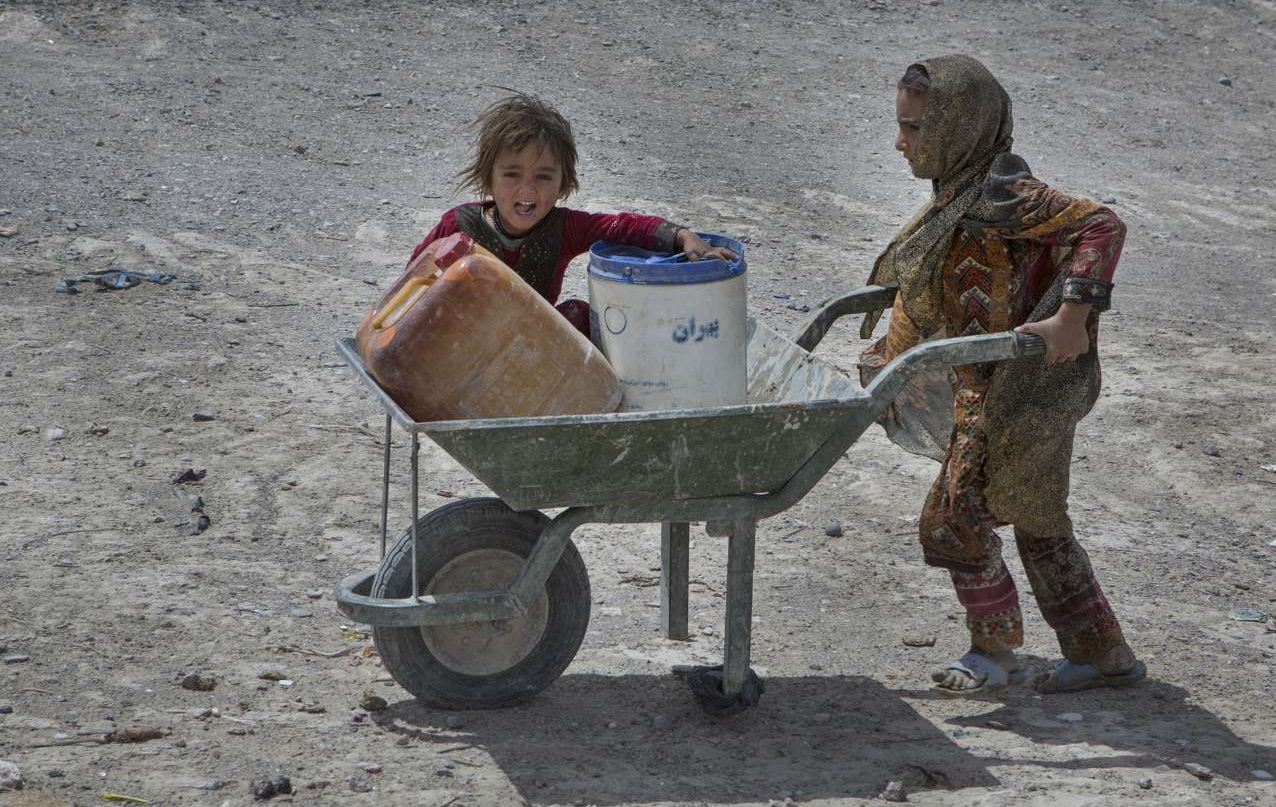
Sistan and Baluchistan and the constant drowning of young children.
On Friday, August 23rd of this year, an eight-year-old child from one of the villages in Sarbaz County, located in Sistan and Baluchestan Province, drowned in a river. This incident occurred when due to heavy rainfall, the water supply in the village of Jekigor was cut off and the residents had to resort to using non-potable river water for their needs.
Drowning of children in the rivers of Sistan and Baluchestan, including the rivers of Sarbaz, Nikshahr, Bahukalat, Kahir, and the ponds and hotags (dug wells for storing rainwater for people’s use and irrigation) is not a new occurrence. Lack of water supply, along with the hot weather, has led many children to go towards these rivers to obtain water for their families or to cool off.
Recently, the attack of a gando (a type of native crocodile) on a ten-year-old child from the
Khuzestan and the dilapidated urban water network
The water situation in Khuzestan is still critical and occasionally leads to people’s anger and protests, which in many cases are met with military force. On July 9th of this year, some farmers in Howeyzeh gathered in front of the Ghizanieh district office to protest the cutting off of water to their agricultural lands. This happened when officials from the Water and Power Organization and the police wanted to cut off water from lands that had been planted with sugar cane.
On May 23rd, the people of Ghizanieh also protested the water cuts and closed the old Ahvaz-Omidieh road. This protest was met with violence by special forces and the police, who used bullets and tear gas to suppress and disperse the people.
In the meantime, the Khuzestan Health Network announced that in many areas of the province, especially in rural areas and on the outskirts of cities, there have been cases of water and sewage mixing due to broken
The future of water in Iran.
Severe water shortages in most of the country’s dams are very serious and dangerous. The problem of water scarcity is influenced by various factors such as population growth, increasing relative prosperity of the people and consumerism, expansion of major cities, and most importantly, the need for water in industry and agriculture. However, a significant portion of water problems is related to water management in different periods, especially the development of agriculture, which has severely depleted underground aquifers. Experts believe that these problems will lead to tensions and even wars in the future, especially in the Middle East.
It is obvious that water resources in Iran are very limited and these limited resources are also unevenly distributed. Many officials are considering transferring water to drier regions, which will undoubtedly lead to more challenges and conflicts among people in different regions. For example, in the past years, people in Isfahan protested against the transfer of water from this city to Yazd and broke a pump and water pipeline that passed near the city, which
 Created By: Siamak Molamohammadi
 August 22, 2020
Tags
Hotgl Khuzestan Monthly Peace Line Magazine Number 112 peace line Siamak Malamhamedi Sistan and Baluchestan The right to access to safe drinking water. Water scarcity Without water