


Flood; Dos and Don’ts / Moein Khazaee
“این تصویر یک پرنده است”
“This image is a bird.”
Moein Khazaee
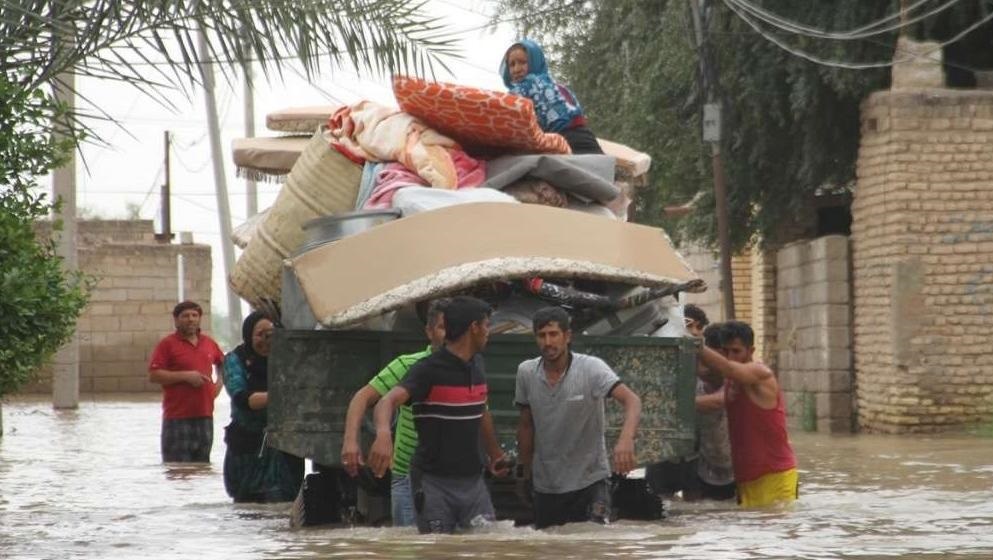
The recent flood in Iran has once again reminded us of the necessity of being prepared for natural disasters. According to reports, the flood has so far (April 14th) claimed the lives of 76 people and caused damages worth 35 trillion tomans. These damages are so severe in some areas that, according to reports, they have completely destroyed roads and villages, affecting the lives of millions of people directly and indirectly.
However, it has been proven through experience that having sufficient knowledge and awareness about necessary actions in dealing with natural disasters plays a crucial role in reducing the resulting damages. These actions, whose main goal is first and foremost to preserve human life and secondly to minimize material damages.
In this regard, the first step in preparation is to learn the points that paying attention to and following them during a flood can greatly help people in danger. These are points that it is necessary to learn and teach to others, regardless of the likelihood or unlikelihood of natural disasters affecting everyone.
Before the flood occurs.
Identify the high-risk areas around your living place and always be sensitive to changes in weather and environmental conditions around you. Being aware of construction regulations in the vicinity of rivers or canals and complying with them can greatly reduce the damage caused by floods during their occurrence.
Be aware that you should always keep your accident and natural disaster insurance up to date and renew it quickly and immediately when it expires.
Do not wait for a flood to occur to learn about necessary and essential actions. Prepare and get ready beforehand.
If the city or place you live in has a history of floods, always review escape routes and how to escape from floods and have a plan for it. Know exactly what to do and what items to bring when evacuating and leaving your home.
As only a few hours of heavy rain is enough to cause a destructive flood in valleys and riverbanks, if you live in areas that are prone to flooding, always keep yourself updated about the timing and likelihood of seasonal rainfall and potential floods, and never underestimate the possibility of it occurring.
If the danger of a flood is certain, try to prepare conditions for leaving the house while keeping calm and composed. In the first step, check the essential items that you have prepared in advance for such situations and add any necessary items. These essential items include: a bottle of drinking water, dry and packaged food (preferably canned), warm clothes, a flashlight with extra batteries, a first aid kit – including bandages, sterile gauze, pain relievers, wet wipes, wound disinfectant, tweezers, and anti-allergy cream -, a whistle or any other item that you can use to attract attention if needed, essential hygiene items – such as hand sanitizer, towels, and sanitary pads -, a means of communication such as a mobile phone, a small handheld radio with extra batteries, at least one extra pair of shoes, and if possible, one or two items to keep children entertained.
If you intend to bring identification documents such as birth certificate, national ID card, or other important documents with you, try to place them in a waterproof bag or case that you have prepared beforehand to prevent them from getting damaged due to moisture.
Always consider the needs of all family members and have necessary items with you, including specific medications.
If you have a pet, also consider its needs and make sure to have at least one or two meals for your pet with you.
Please note that before leaving your house, if possible and if you have the opportunity, remove your valuable and expensive items – such as documents and papers or other belongings – from the risk of water damage and transfer them to a place where water access is not possible.
When a flood occurs, before leaving your home, if possible and if you have the opportunity, cut off the water, electricity, and gas to your house. If you have enough time, cover the bathroom and toilet wells with a sturdy and filled bag of stones or sand to prevent sewage leaks.
If your house has multiple floors, try to transfer your expensive and valuable belongings to the upper floors before leaving the house, if possible and with enough time, to prevent any damage to them.
In case of an occurrence of a flood, always be alert. Never ignore the warnings issued by local authorities. A flood can happen at any time. Keep yourself prepared and always stay updated through reliable media outlets such as radio or television.
Take evacuation warnings seriously and if possible, complete necessary tasks before immediately leaving your home. Be aware that the first priority during a flood is to protect your life and the lives of your family members. Therefore, in necessary situations, leave your home immediately and go to safe locations that you have previously planned for.
If the risk of flooding is so serious and likely that you do not have the opportunity to leave your home, quickly go with your household members to upper floors or the roof.
If it is not necessary to leave the house, try to protect your home by placing guards such as sandbags, plastic blocks, or other items that are likely provided by local authorities to prevent flooding.
During the occurrence of a flood
Never doubt about a flood that is more than 15 centimeters deep and is flowing, except in cases where your life depends on it. Because only this amount of running water is enough to make you float and take you with it.
Reports show that nearly eighty percent of deaths caused by floods are due to people being trapped inside their vehicles. Therefore, if possible, try not to use a car; otherwise, avoid driving on a flooded road. Just 30 centimeters of flowing water is enough to make your car float and lose control. Remember that preserving your life is more important than any other action. So never try to save your car.
If you get trapped in a flood with your car, try to stay inside the car as much as possible. The water that has made your car float will definitely take you away. Close the car windows, loosen your seatbelt, and try to maintain your balance inside the car. If water enters your car, get on the roof of the car and put yourself in a stable position.
If you are trapped inside a building, do not attempt to leave under any circumstances. The conditions outside the building will be worse due to the flow and intensity of the water. Go to the highest point of the building and ask for help from there. Avoid panicking and being curious in the flood.
When you are forced to travel through a flood, try to use a tool to maintain your balance in the water. This tool can be a long stick or something similar. If you need to travel in the water, be sure to test the depth of the water using the stick you have in your hand and make sure it is not too deep.
Take the risk of electrocution seriously and avoid hanging onto electrical wires as much as possible.
Take care of your children and never leave them alone.
Avoid adventure and try to travel in groups as much as possible and refrain from solo travel.
After the flood
Do not rush to return home and make sure to confirm the complete subsiding of the flood before returning home. Pay attention to warnings and try to reconsider your return to the flood area before the authorities announce the complete subsiding of the flood.
Considering the possibility of another flood, please refrain from driving and try to walk as much as possible.
Be aware that stagnant floodwater is just as dangerous as running floodwater. Do not underestimate the pollution of the water and the possibility of dangerous animals such as snakes or other animals in the water. Therefore, avoid traveling (walking and swimming) in the water as much as possible.
Be aware that stagnant water caused by floods is heavily polluted and avoid drinking it. This water may even contain snakes or other dangerous animals.
When returning home, be aware that due to the flood, snakes or other dangerous animals may have entered the house. Therefore, be vigilant and do not enter the house without careful inspection.
Take the danger of electric shock caused by moisture seriously and if possible, cut off the main electricity before entering the house. Otherwise, refrain from touching electrical appliances and if possible, use rubber boots and gloves.
Until you are sure of the cleanliness of the city’s water supply, refrain from drinking it and preferably use bottled mineral water.
Avoid traveling on bridges and roads that have been eroded due to flooding, as they may collapse or experience landslides under the pressure of traffic.
After entering the house and during the reconstruction, make sure to follow hygiene guidelines and try to eliminate any items that have been exposed to the flood. These items are heavily contaminated due to contact with the flood. Otherwise, clean and disinfect them thoroughly.
Avoid unnecessary gatherings in places where emergency responders are busy providing aid and conducting operations. If you are unable to help, make way for the responders.
Be kind to each other. The shock caused by natural disasters often leads to strong reactions in people and causes anger and excessive sadness. If you encounter such people, maintain your composure and comfort them.
Do not be ashamed to ask for help. The rescuers have come to help you. Easily share your needs with them and ask for their assistance.
And finally, make sure to contact your insurance company at the earliest opportunity and take care of any related matters.
 By: Moein Khazaeli
 April 21, 2019
Tags
Crisis management Flood Moein Khazaei Monthly Peace Line Magazine peace line