


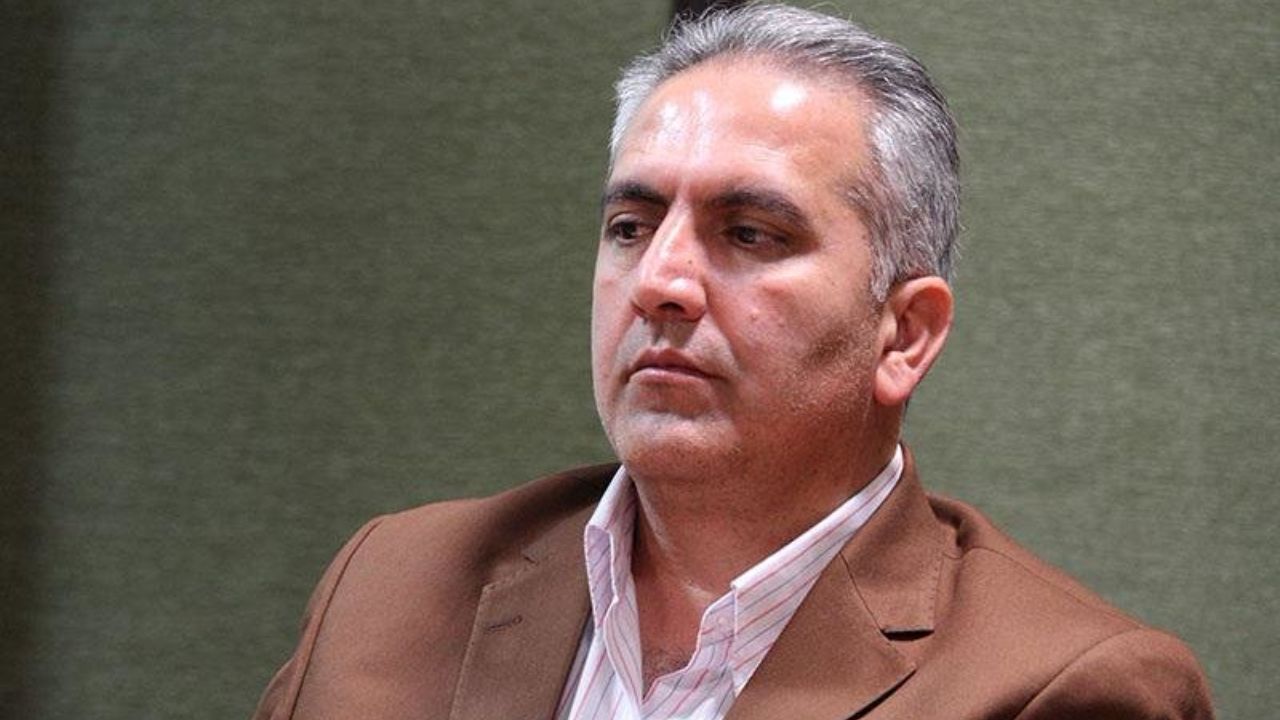
We are in an emergency situation! In conversation with Behrouz Baniadi, member of the Health and Treatment Commission / Conversation with Siamak Malamhmadi.

It acknowledges that we had economic problems before the coronavirus and that the coronavirus has exacerbated them. It also says that there has been a delay in forming the national coronavirus task force due to the decision-making process. However, this reformist representative and member of the Health and Treatment Commission of the 10th Parliament rejects any notion of monetizing healthcare in the country and says that if any money has been taken in hospitals, “it has been proven in investigations that they have been admitted to private hospitals.” He goes on to say that “patients also have the right to choose and whoever chooses a private hospital must pay their expenses at the same private rate.”
In this issue, the “Peace Line” monthly has gone to Behrouz Baniadi, the representative of the electoral district of Khorasan Razavi (Bardaskan, Khalilabad, and Kashmar) in the 10th Parliament of the Islamic Consultative Assembly, to talk about the management of the spread of COVID-
What is the relationship between the current economic and livelihood problems and the coronavirus? One of the members of parliament, Masoud Rezaei, had said in an interview with ILNA on April 11th of this year that “the country’s economic problems are not related to the coronavirus, the situation was not better before.”
After the sanctions, we faced problems with increasing inflation and economic instability in the country, and we were dealing with the effects of the sanctions. The coronavirus also became a cause and due to the coronavirus and the policies that all countries have implemented towards each other in terms of flights, many of the routes that had been planned by domestic producers, merchants, etc. to increase income, and the issue of trade exchanges faced difficulties. In fact, the coronavirus exacerbated the problem. Therefore, both issues are true. That is, we had economic problems before the coronavirus. After the coronavirus, these problems have intensified.
How do you evaluate the government’s management during the coronavirus crisis? Opinions have been expressed that the government has been overwhelmed and the lack of focus on management has led to scattered decisions and exacerbation of the crisis.
The point you made about coordination between ministries and possibly a delay in the formation of the national coronavirus task force is correct. The Ministry of Health had already started taking action in this regard after the announcement of the World Health Organization to all countries about the coronavirus threat and necessary measures. However, the ministers who were supposed to work directly with the Ministry of Health in the government cabinet, entered this process with a delay in decision-making. This caused us to be a little caught off guard. But after the formation of the national coronavirus task force and the direct involvement of the leadership, all departments got to work and we have seen a much better cohesion in decision-making at the highest levels and in the process of controlling and managing the disease in the country. We have witnessed the effects of this from mid-April of this year onwards.
“In the original 33rd Constitutional Law, health has been recognized as a fundamental need. In your opinion, how effective has the financial aspect of the country’s healthcare and hospital expenses been in limiting citizens’ access to medical services, especially during this COVID-19 crisis?”
I don’t know how much news you follow! It seems that part of the issue you are addressing is due to less focus on information. From 2014, after the formation of the eleventh and twelfth government, a project called “Health Transformation Plan” was implemented in the country, which the government has spent a lot of money on in recent years. We are also witnessing its positive effects. The discussion of health insurance, free insurance for all people, equipping hospitals and increasing hospital beds, increasing ICU beds, updating many medical and healthcare equipment, and also in the field of health, electronic health records, all of these have been established in recent years. If today we have a national screening plan for coronavirus, it is due to these issues that the parliament has followed up on and the government has also planned in this regard. Therefore, to say that everything has become about money, in my opinion, is not a correct statement.
The next point is the issue of payment from patients
Can the budget for 99 and the allocated funds meet the needs of crisis management in the country? Mr. Badamchian, the Secretary-General of the Coalition Party, has spoken about the need for reform and the necessity of writing a supplementary budget (3). Is this possible and has such an effort been undertaken?
“We are in a state of emergency. The point that Mr. Badamchian is making is for a normal situation, where if it were to happen, the budget would definitely need to be rewritten and brought back to the parliament. The honorable representatives should also vote on it and the Guardian Council should also approve it, and then the new budget should be announced. Therefore, in a normal situation, this statement is correct and this action must be taken. But right now, we are in a state of emergency and the people need support in their medical and economic matters.
As you can see, some of the issues have been addressed by the government itself, using the powers it has. In terms of economic support, the government has also provided assistance. Additionally, the leader has agreed to pay one billion euros.
Therefore, in a normal situation, this statement is correct, but right now we are in a state of emergency. Surely, with the legislative process that exists in the country and the passage
We are facing the crisis of coronavirus with the establishment of numerous institutions. From the coronavirus headquarters, which was formed by the order of the leader of the Islamic Republic, to the national headquarters for fighting coronavirus and the support council to support its decisions. What is your opinion? Wouldn’t it have been better if the president had come to the field from the beginning and the parliament, as the house of the nation and the head of affairs, had been involved in action and decision-making?
The board has completed its work. In the months before, we passed the Crisis Management Law in the country. There, all the details were specified, and during a crisis, each organization and official has their own responsibilities. One of the criticisms that the honorable representatives had for the government was why you did not implement this law properly and why it has not been put into action. Surely, if this law was considered in the government’s performance, we would not have seen this many command centers and decision-making centers. Although some of these centers that you mentioned were under the orders of the leadership and had a specific goal in mind. That was also pursued in terms of bioterrorism and researching the coronavirus. In terms of support, the army, the Revolutionary Guards, and other military and law enforcement forces were placed alongside the National Coronavirus Headquarters. Currently, the unit is under the command of the President and they make the decisions.
Thank you for the time you have dedicated to the peace line.
Notes:
1 – Status of parliament members who have contracted coronavirus / Table – Tasnim News Agency – April 11, 2020
2 – Qazizadeh Hashemi in an interview with Ana: A large number of parliament members are unable to attend the public session of the parliament due to contracting coronavirus – Islamic Azad University News Agency – April 7, 2020
3 – Badamchian: Budgeting requires transformation and revision – Fars News Agency – April 13, 2020
 Created By: Siamak Molamohammadi
 April 20, 2020
Tags
Behrouz Baniadi Corona Coronavirus crisis Coronavirus lessons Coronavirus lessons 2 Monthly Peace Line Magazine Number 108 peace line Siamak Malamhamedi پیمان صلح ماهنامه خط صلح ماهنامه خط صلح