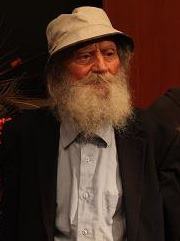
Conversation with Dr. Gholamali Baski, the father of nature and environment in Iran.

Last updated:

May 22, 2026

Conversation with Dr. Gholamali Baski, the father of nature and environment in Iran.

Dr.Beski

Dr. Gholamali Baski was born in Sabzevar in February 1931. He graduated from Tehran University of Medical Sciences with a specialization in gynecological surgery in 1966. He is the most well-known Iranian environmentalist. In the late 1940s, he left city life and after treating his illnesses, gradually became a strict vegetarian and dedicated his life to protecting the environment and promoting vegetarianism.

Dr. Baski has also donated a large portion of his wealth to charitable causes, including the establishment of Baski Hospital and Maternity Ward, the founding of a gifted students’ school, as well as the construction of a math house in Golestan province and a shelter for the poor in rural areas, known as Gandhi House. He has also dedicated six residential homes in Mashhad as endowments.

He, who is now 80 years old, has suffered a stroke and has difficulty speaking. With the help of his colleagues, he kindly accepted an interview with the “Khat-e-Solh” magazine.


Dr. Baski, you are known as the father of the environment in Iran and we believe that the most attractive aspect of your work is providing practical and individual solutions for optimizing the environment. Your life is a shining example of this harmony with nature… As our first question, we ask you, considering that 1.5 to 2 percent of Iran’s forests are destroyed annually, will Iran be completely deprived of green space in the next 50 years and the years 2050 to 2060 will be the years of complete destruction of Iran’s forests? How accurate is this statistic and what is the responsibility of the government and the people if it is true?

Green space means everything. If the Earth is habitable now, it is because of green space. It is because of forests and trees. Trees absorb carbon from the air and use it to create organic materials and produce oxygen. Photosynthesis is the basis of life. All food is the result of photosynthesis. But then humans come and cut down trees. One of the most important ways to save the Earth is to plant trees. But no one pays attention to it. When you want to build a butterfly or finish a building, they pay attention to everything except its green space. It is not necessary to plant trees; it is not mandatory. But there are a thousand other things that are necessary.

In Iran, with the current situation we are facing, as you say, there will be no forests left after 40 to 50 years. In northern Iran, the area of forests was close to 6 million hectares 70 years ago. Now only 1.8 million hectares remain. These are the Hyrcanian forests. They only exist in this region and in very small amounts in Azerbaijan. These forests are 40 million years old and cannot be found anywhere else in the world. They are called natural museums. They are the genetic reserves of Iran. It takes a lot of time and resources to preserve them. But does greed and overpopulation allow it? Everyone wants to have a villa. The government does not care. They must be preserved for future generations. It is the duty of the government to protect these forests, any government. The government must have a comprehensive plan for preserving the forests and develop it. All issues related to forests must be considered and taken into account in this

As you know, approximately 7.8% of our country’s land is under the control of the Environmental Protection Organization. That is 13 million hectares, which requires a large number of forest rangers to monitor. In some countries, even starting a fire or causing a spark is punishable by imprisonment, but we are negligent because we do not have environmental guards, hunters, or forest rangers. What is the reason for this?

“We have a great shortage in this field. We must allocate more capital and budget for these individuals. To maintain a great wealth, we must spend. We must understand this. Even what we have now is disheartening, as they do not have high wages and are also at risk. Some of them have been killed by hunters and some who have defended themselves now have to pay blood money and are in prison. We must give more power and credibility to these forces.”

Statistics show that during days of intensified air pollution in Tehran, the number of respiratory patients increases by up to 60%. Air pollution is also the most significant factor associated with the exacerbation of cardiovascular, vascular, and respiratory diseases. In your opinion, what is the most important factor contributing to pollution in Iranian cities, especially Tehran; excessive cars, non-standard factories, or other factors? What is an effective solution for combating air pollution at both local and national levels?

The most important factor in air pollution in cities, including Tehran, is the high number of cars on the roads. In 2012, Iran’s car production, due to sanctions and crises, decreased to around 850,000 and this year it has definitely increased. Factories produce nearly one million cars per year. In Tehran, more than 1500 cars are registered daily. No one has asked why we produce so many low-quality cars. Is it to bring foreign currency for us? No; no country buys them. There has been no environmental, social, or health assessment in this regard. Car manufacturers must answer. Is it right for people to get sick and go to the hospital and suffer from dangerous diseases so that a few can make money? This type of production of state-owned and monopolized cars without evaluating the country’s needs and capacities is not acceptable at all. The air pollution in Tehran has reached a dangerous level and Mashhad is almost the same, so continuing this production

The second important factor is the polluting factories such as Abyek cement, Tehran refinery, power plants, etc. They also need to be filtered and many factories have to move out of this area. In Tehran, there are also a large number of non-standard heating appliances, both domestic and non-domestic, which are all sources of pollution.

Therefore, the summary is that firstly, the production of automobiles must be greatly reduced. This means that the supply should be decreased. Instead, there should be a strong investment in light urban trains and advanced BRT buses, using advanced technology. Factories must be filtered and many must relocate. Heating equipment must be used with high efficiency and clean fuel, and many other things must be done. People must also lobby for the use of trains and buses and demand it from the government.

According to global statistics, Ahvaz is one of the most polluted cities in the world. What is the main factor of air pollution in this city? What should people do to solve this problem?

The air pollution in Ahvaz is caused by dust storms. The Turkish government, by building a dam in that region, has diverted 47 billion cubic meters of water from its path. As a result, the lands after the dam have become extremely dry and the wind carries their soil away. This issue should be resolved through diplomacy and by planting more bushes and trees. People can only plant more trees and make more use of traditional Iranian architecture. The main responsibility lies with the government to mobilize the people.

What is your personal experience with peaceful coexistence with nature? For example, in regards to waste, what should people do to produce less waste? Please share your practical experiences with us.

People should live like in the old days. I don’t mean they should go back in time, but rather that they should benefit from the old ways and experiences and be friends with nature, not enemies. They should not be quick to imitate everything that comes from the West and instead try to be themselves and live and consume according to their own nature and climate. In the old days, people didn’t use plastic. Tablecloths were made of cloth. Handkerchiefs were made of cloth and were washed after each use. In the summer, when you went to someone’s house, they would bring you rose water or plum syrup or lemon syrup to quench your thirst. Everything was served in glass or ceramic cups and with metal tea spoons that could be washed. As a result, everything was reused over and over again. Now, they give us Pepsi and Coca Cola and everything is in plastic containers and full of artificial colors, which are all harmful. They also contain a

This lifestyle of ours is harmful for both us and nature. In the past, people didn’t throw everything away, but nowadays everything is discarded. The economy based on waste is now one of the main problems of humanity. Environmental analysts consider three economic factors as the main cause of environmental destruction and the destruction of humanity’s future: an economy based on fossil fuels, automobiles, and waste-producing materials. These three, along with explosive population growth, have turned the Earth into an environment that is no longer suitable for living. Our deserts are now full of garbage, full of plastic. Rivers are full of waste. The shores of the Caspian Sea are full of plastic. The agricultural lands of Sarehsoo are covered in plastic. These things need to be managed. Nature has a certain capacity for absorption. We cannot continuously dump waste into it and expect nothing to change and for it to remain the same. In the Golestan forest, where I have lived for years, there

What does a healthy diet in conjunction with peaceful coexistence and environmental pollution mean for you? What kind of food and plants do you use?

I am a raw plant-based eater. This means I only eat raw plant materials. There is a high tendency of cancer in my family, and after many investigations, I have come to the conclusion that only raw plant-based eating can protect me from this disease. I have been eating this way for almost twenty years now, and I am very comfortable with it. My cholesterol and blood pressure do not increase. Exercise and eating raw plant-based foods such as vegetables, plant-based seeds, and fruits have played a major role in my health. I never get sick like others. My digestive system also works very well. Eating animal-based foods is harmful to humans and also to nature. These large-scale animal farms are one of the main factors in the release of methane gas, which is one of the strongest greenhouse gases and has a much greater impact on creating the greenhouse effect and warming the earth than carbon dioxide. Animal-based oils, which are saturated fats, are one of the main causes of atherosclerosis

Is it even possible to have harmony with the environment you envision in urban life, such as planting plants at home?

I have been living in my own personal house in the garden of flowers for years and I try to not be in the city at night and during sleep as much as possible. But in regards to your question, I must say that your answer is positive. Planting plants in urban homes is not only completely possible now, but it has also become very popular. Trees, plants, and green spaces are something that humans need. Throughout the evolution of humans as a species, they have lived in the heart of nature and nature has taken care of them. In studies conducted in some hospitals in the United States, it has been seen that patients who have a window facing the hospital courtyard and see green spaces, recover faster than those who have a window facing concrete walls (with a similar illness). Trees and fruits should be planted in homes.

This is now happening in many places. In our own Gombad Kavous, we have someone who has planted grapes on the roof of their house and gets close to a ton of produce. In Mashhad, Mr. Sajadi has planted everything on the roof of his house and produces a lot of products. This should definitely be encouraged. The municipality has a thousand conditions for issuing building permits, but tree planting is not one of them. It should be mandatory. All houses should have enough green space and plant trees and fruits and use drip irrigation. I have done this in the north and Golestan and have planted grapes and the result has been very good.

If you want to put your hand on three points of your life that led to a healthy life after the initial turbulent period, when you sought refuge in northern Iran, what are these three points?

Healthy and plant-based nutrition, clean air of the flower garden forest, and exercise and physical activity.

We are infinitely grateful that you have accepted the interview with the magazine “Khat-e-Solh”.
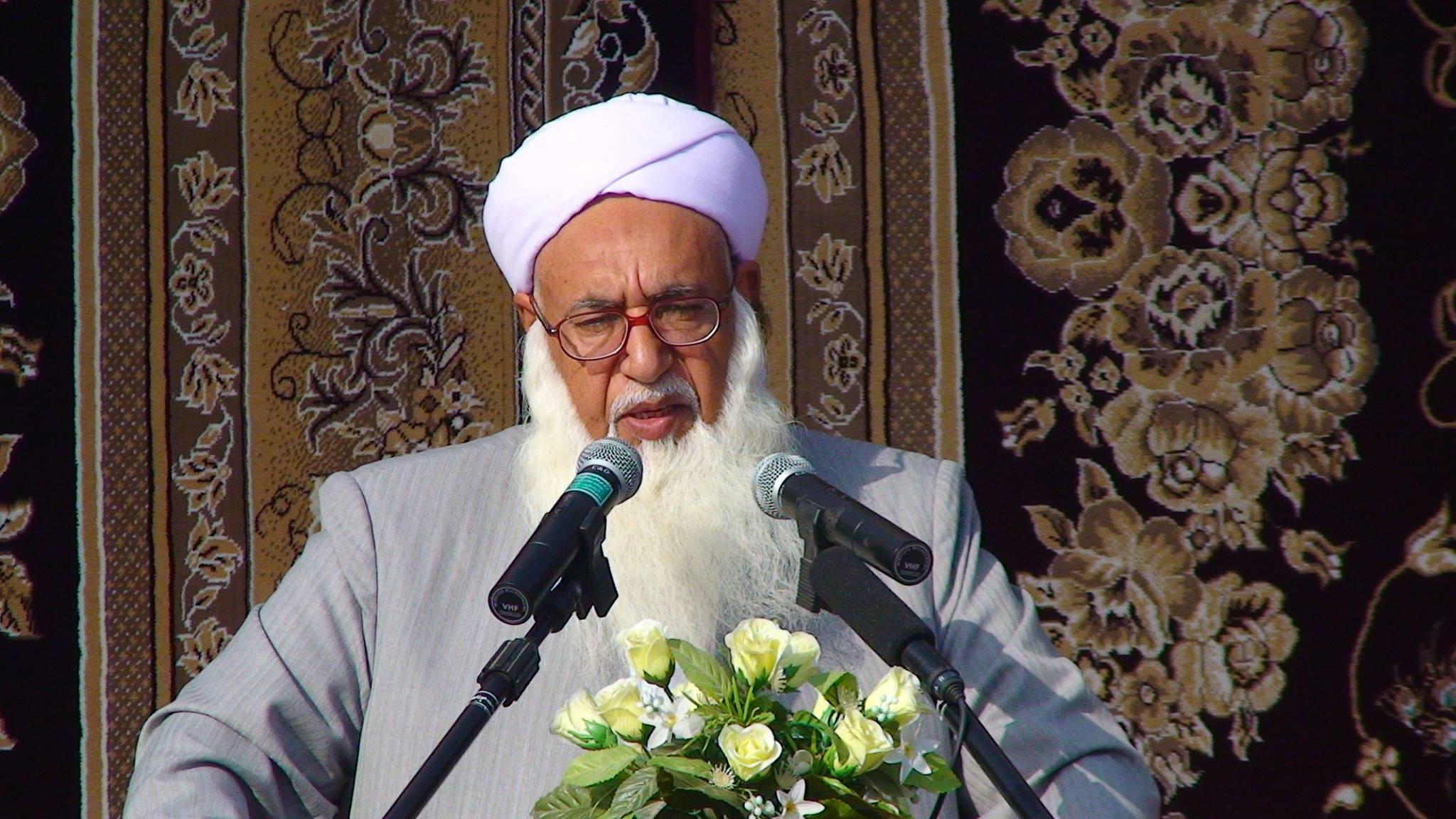
The Friday prayer leader of Azadshahr: I do not have a good opinion about execution.

1961366_657262461001779_2101348219_n

Maulana Mohammad Hossein Gorgich is the Friday Imam of the Sunni community in Azadshahr, and is one of the influential Sunni clerics in Iran. He is a critic of the Iranian government and has always been at the forefront of defending the rights of Sunnis in Iran. Along with his religious activities, Maulana Gorgich has also played a mediating role in securing the release of two soldiers who were held hostage by extremist armed groups. His humanitarian efforts have also gained him widespread recognition and satisfaction from the families of the victims, as he has been able to save 30 death row prisoners from execution so far.

You are the Friday Imam of the Sunni community in the city. Is the effort to save citizens from death row part of your official duties as the Friday Imam, or is this activity a personal and voluntary decision on your part?

Good; this is not one of my official duties as the Imam of Friday, but rather a humanitarian motivation; according to verse 32 of Surah Al-Ma’idah (And whoever saves one life, it is as if he had saved mankind entirely), whoever saves a life, it is as if he has saved all of humanity.

You have saved more than 30 death row prisoners so far; this is a very high number. What was your goal in doing this? Are you completely against the death penalty?

The goal of God has been satisfaction. The cases that Islamic law has made an exception for (and do not kill the soul which God has made sacred, except by right) are recognized as legal boundaries and are beyond the realm of human power. In other cases, I do not have a good solution. How beautifully Ferdowsi Pakzad said, “May mercy be upon that pure grave, like a farmer who has seeds, who has a life and a sweet soul.”

Who are the people who have been saved from death? Have their accusations been important to you; meaning have you only gone after intentional murderers or have you only focused on their execution without paying attention to their accusations?

I have saved many people who have committed intentional murder, because I have been able to mediate in this matter and the power of forgiveness lies with the heirs of the victim. Mediation is not a problem from a religious perspective and I pay attention to the person who has been sentenced to death and follow up on the issue. According to verse 178 of Surah Al-Baqarah (So whoever is pardoned by his brother for something, then it is obligatory to follow what is acceptable and pay it in a good manner), so if someone is pardoned by his brother (in religion), it is necessary to follow the acceptable way (and the punishment of retaliation is changed to blood money). And the owner of the blood should consider the one who pays the blood money. And the killer should also pay the blood money to the heir of the victim and not fall short in it.

1617426_648279258566766_181247561_o

Have all survivors been followers of the Sunni sect? In other words, have their religious beliefs been important to you?

No, religion has not been the criterion for me, rather humanity has been the criterion, and in these 30 cases of mediation, if the Shia brothers did not have the majority, at least half of these 30 cases have been theirs…

What method do you use for your activities? Do you, for example, spend money, or simply act as a middleman; or do you use people’s religious beliefs to gain satisfaction?

I do not spend any financial expenses. I have only made a heartfelt effort as a spiritual person and have requested cooperation from influential and prominent individuals, elders, and other clergy, as well as using religious beliefs to gain satisfaction.

Are your activities organized or group-based, or are they individual initiatives? Do you have a plan to expand the rescue of death row inmates?

It is an individual action, yes I have a plan.

Are you willing to make an effort to save the lives of border guards who have recently been taken hostage at the Balochistan border and are in danger? What is your opinion about this incident?

Yes, just as I have previously saved two hostages, in this case I have also sent an official letter to the hostage takers and demanded the unconditional release of them. My opinion on such actions is stated in that letter. I am against any form of terrorism, hostage-taking, or suicide operations. It should be noted that killing a believer is a great sin. God says in the Holy Quran: “And whoever kills a believer intentionally, his punishment is Hell; he shall abide in it, and God’s wrath shall be on him, and His curse, and He has prepared for him a great punishment.” Keep in mind that if you escape from the punishment of this world (execution), the punishment of the hereafter from the Almighty God is greater and you must answer for it. A large number of intentional murderers have been executed in front of the people and have not been pardoned. Another point is that those who have been saved from execution have paid a financial compensation, which has been a

A general overview of the events of 11 Esfand 88.

In modern and contemporary societies, two factors are considered as indicators of progress and prosperity of a political society: first, freedom of news and circulation of information, and second, respect for fundamental human rights, known as “human rights”.

The connection between these two factors in ensuring security and well-being of a society is so great that nowadays the media is referred to as the “fourth pillar” of democracy and the concept of “democracy” as the ultimate goal of all human societies is manifested in the respect and observance of human rights in governments. In fact, the existence of individuals and organizations working in the field of human rights is one of the essential tools for intellectual, political, cultural growth and the development of democratic foundations in a society, without which all freedom-loving activities will undoubtedly go astray. On the other hand, contrary to the claims of dictatorial governments, the existence of such activities makes them at least adhere to minimum standards in dealing with people and opponents, so as not to provoke human rights activists more than ever before. This last point is enough to emphasize the importance of the existence of such activities and activists.

It is obvious that one of the best factors for informing people about their rights and preparing them to assert their rights and familiarizing them with the human and legal foundations that every individual should have based on modern political and legal philosophy, is information dissemination about human rights by institutions and individuals active in the field of information dissemination and human rights. Undoubtedly, “The Collection of Human Rights Activists in Iran” is one of the few collections that, with faith in its mission, without any specific political spectrum and affiliation, has fulfilled its sacred and crucial duty of informing in the areas related to human rights and its foundations, and the violations of it in the current regime of Iran.

In the midst of all this, governments and political regimes that are run by a small group of people based on authoritarianism and power concentration, consider the two mentioned factors, namely “human rights” and “free press”, as their biggest enemies and use all their power to restrict, control, and even suppress these two factors; because they are certain that these two titles are the biggest threat that can shake the foundations of their authoritarian rule.

Given the above introduction, it is very natural that those who are active in areas related to both issues are more closely monitored by governments such as the Islamic Republic and are subject to more careful control and suppression in an attempt to limit and control them.

On the other hand, in Iran, due to the sensitivity of the government towards the activities of human rights activists, these activists have not had the slightest margin of security; because they are not affiliated with any specific group, party, or movement, and only based on their humanitarian mission, they speak out about what society needs to know. They consider their goal to be defending the rights of citizens, who easily have their rights violated by the government, and in all cases where unrest has occurred in the country or the government has wanted to show its power, the first victims have been the “human rights activists” in Iran and will continue to be so.

The best example and indicator in this field was the unprecedented security and intelligence attack by the Iranian government in February 2010, which was carried out using all means of advertising and all software and hardware facilities. This event can be seen on one hand as the government’s reaction to tactical actions after the unrest of that year and covering up for the unrest that ended that year, and on the other hand, as the biggest confrontation of the Islamic Republic government with human rights activists since its establishment.

In fact, what makes the volume of 11 Esfand important is the clash of the dominant ideology with the topic of “human rights” and its activists in this field, not a simple clash that the government usually has with its opposing groups; because on one hand, the nature of human rights activists’ activities is different from other political and party activities; meaning that they are not seeking to introduce a replacement for the government and overthrow it, but they are seeking the respect of human rights by that government and any other government, and on the other hand, the impact of these individuals’ activities, due to their lack of political and party nature and lack of affiliation with a specific movement or ideology, makes these types of activities acceptable to the general public.

What happened in December 2009 was a well-planned and extensive operation by the Sepah (Iranian Revolutionary Guard) that had been preparing for it for a long time. On the 11th of December 2009, they launched a coordinated attack and arrested a large number of human rights activists. This operation has continued until today, four years later, in other forms and dimensions.

The series of actions that began with the arrests on February 11th and in the following stages, the information activities of the Islamic Revolutionary Guard Corps, the websites belonging to the group, and their emails were hacked by the cyber army on February 23rd. The purpose of this was to identify forces that did not openly cooperate with the group and on the other hand, by destroying the group’s bases, they attempted to prevent the group from disseminating information and timely responding to the allegations raised in the next stage, and also to showcase their capabilities.

In the third stage, which continues in various forms until today, the government, using its immense media power in television networks, newspapers, and affiliated websites, engaged in negative advertising. By connecting these young groups to political or violent organizations, or other countries’ institutions, they attempted to discredit them through these controversial actions. These actions continued for years, with several hours of video and multiple pages of content published under different titles on internet media and domestic newspapers. Even in photo exhibitions, images of organizational charts designed by Sepah experts were displayed as the achievements of this security institution in the field of soft war. They also published a book titled “Passing the Sedition” which dedicated more than 13 pages to introduce and destroy this group.

An interesting point to note is that some of the detainees were labeled as “members of the human rights activists group in Iran”, even though they had no connection to this group and were not actually members. However, under the guise of combating this group, these individuals were also arrested or even simple colleagues who were active in the country were introduced as senior officials of organizations outside the country.

After the arrest of the members of the group, all efforts and attempts of security forces and the Revolutionary Guard were focused on publishing their confessions in line with their own agenda and presenting it as evidence of the truth of their claims to the public. Now, four years after those events, Mr. Mehdi Khodai, Abolfazl Abedini, Nasour Naghipour, Eqan Shahidi, Navid Khanjani, and Mohammad Hassan Yousefipour are currently in prison, and some of them have been pressured by security authorities to request amnesty.

In any case, what is certain is that according to the beliefs of human rights activists, the path they have chosen and the sincere efforts they make in this regard, it seems that actions of this kind can never hinder Iranian human rights defenders from fulfilling their mission.

165929_475122765875651_335708045_n

Who is an activist or defender of human rights and how should they be?

6a00d8345269c569e2011571a03212970b

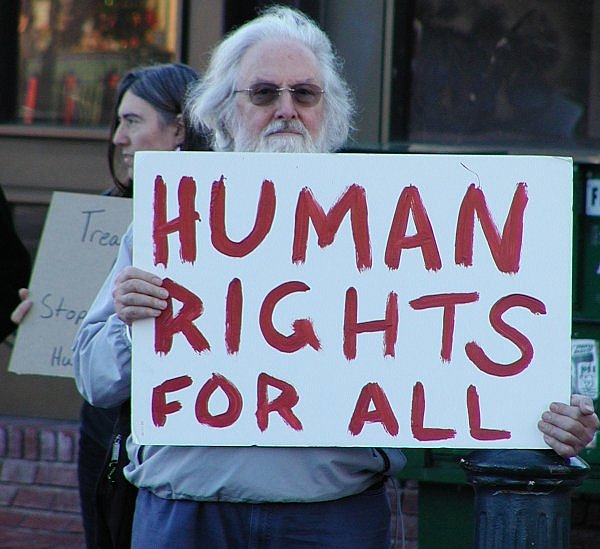
Human rights is one of the issues that its scope is so vast that it is difficult to define its boundaries. The activities of human rights defenders, from fighting against female genital mutilation to criticizing domestic rulers and international warmongers, are so extensive that it is hard to imagine any space that is not somehow connected to human rights and its activists. Human rights recognizes no borders other than humanity; meaning the protection of all humans everywhere, from the poorest to the most advanced countries, from the most unstable to the safest countries, from the most dictatorial to the most democratic countries, in all situations of war and peace, human rights must be respected and in all societies, big and small, it is necessary for human rights activists to strive for the promotion and protection of human rights in order to achieve a better and more humane state.

But who are activists or defenders of human rights, what legal status do they have, and what standards must they adhere to in order to enjoy those rights? In this short note, we will try to clarify these issues.

Who can be human rights defenders?

There is no specific definition of who a human rights defender is. In a general sense, the term refers to someone who works individually or collectively to promote and protect human rights. This term is commonly used in the media, while the preferred and more legal equivalent is “human rights defender.” What the Declaration on Human Rights Defenders refers to is a broad concept that includes a diverse population, from international organizations to individuals working at a local level. A human rights defender can be of any gender, age, race, or religion, from any corner of the world. They are not limited to working for NGOs or intergovernmental organizations, but may also be government employees, civil society activists, or members of the private sector. Generally, human rights defenders can be divided into two categories:

1 – Human rights defender is a professional.

Professional defenders are individuals who regularly and either full-time or part-time engage in human rights activities and often have employment in this field. They may be paid or volunteer, such as national and international observers, NGO managers, UN reporters, Ombudsmen, human rights lawyers, and so on.

It should be noted that what makes someone a human rights defender is not their job title or the organization they work for, but rather the important work they do. They do not necessarily have to be recognized as an activist or human rights defender, or carry the name of human rights with them in the organization or institution they work for. Many United Nations employees are considered human rights activists, even though their work does not have the title of human rights. For example, those who work for UNESCO or the World Food Program, as well as others who work under a different name but their work is essentially human rights, should be referred to as human rights activists.

Many human rights defenders are not directly or full-time involved in human rights work, but their work sometimes intersects with human rights due to their profession. For example, a lawyer who deals with commercial law cannot automatically be considered a human rights activist unless they take on human rights cases and defend victims of human rights violations in court. Similarly, journalists are not necessarily human rights activists, but many are recognized as such for reporting on human rights abuses. Teachers who teach human rights are also considered human rights activists because they promote human rights.

There are also other groups of human rights activists who, on the surface, have no connection to human rights in their profession, but in reality, they indirectly help promote human rights; such as artists and writers who defend women and children’s rights or advocate for freedom in their works. Artists and writers have the most influence on public opinion, which in turn can aid in promoting human rights.

2 – Non-professional human rights defender.

Many human groups who help promote human rights outside of their profession or occupation fall into this category. For example, a student who joins a campaign against execution and encourages others to join, a politician who stands against widespread corruption and thus supports and promotes good governance, volunteer doctors, environmental protection advocates, or others who gather in the streets to protest against government actions and policies that are incompatible with human rights, are considered non-professional human rights defenders. Some of these defenders may be internationally recognized, but most remain anonymous; however, their work is highly valued.

“Defenders’ rights are human rights.”

Human rights defenders, while engaged in defending the rights of their fellow human beings, are themselves at risk of severe human rights violations by governments and, in some cases, by terrorists; such as the case of Malala Yousafzai, a Pakistani schoolgirl who became a victim of Taliban terrorist attacks for her human rights activities, including advocating for girls’ right to education in tribal areas. Therefore, human rights defenders, who selflessly work to promote human rights, require special support, recognition, and respect for their human rights and fundamental freedoms by governments, civil society organizations, and international organizations.

In 1998, the United Nations General Assembly approved a declaration on the 50th anniversary of the Universal Declaration of Human Rights, titled “Declaration on the Rights and Responsibilities of Individuals, Groups and Social Institutions in the Promotion and Protection of Human Rights and Fundamental Freedoms.” This declaration, also known as the “Declaration on Human Rights Defenders,” is a significant achievement of the collective efforts of human rights organizations and some government representatives. It is considered an important and practical document in the collection of United Nations human rights documents. Perhaps its most important significance is that it not only addresses governments and human rights defenders, but also all human beings. This declaration tells us that we all have a role to play in defending human rights and emphasizes that human rights are a global movement that involves all of us in some way; however, it specifically recognizes certain rights that are reserved for human rights professionals. Although the declaration is not a legally binding document, it contains rights that are rooted in other legally binding documents such

The most important rights that this declaration considers for defenders are:

The right to promote and protect human rights at the national and international level.

The right to form associations and non-governmental organizations to defend various human rights issues.

The right to form peaceful assemblies and gatherings.

The right to acquire and disseminate information about human rights issues or their violation.

The right to criticize the laws, executive and judicial procedures of the government and to present constructive suggestions for amending those laws and policies to improve the human rights situation.

The right to receive government support in ensuring security during human rights activities and guaranteeing freedom afterwards.

Minimum required standards for human rights defenders.

All human beings have the dignity to become defenders of human rights, but alongside the rights that are granted to them, they also have responsibilities. Therefore, every activist or human rights defender must have at least the following three standards:

من یک دانشجو هستم

I am a student.

Accepting all human rights.

A human rights defender must accept the universality of human rights and internalize them in an indivisible manner, in accordance with the principles set out in the Universal Declaration of Human Rights, which includes all thirty articles of the declaration. It is not possible to defend some rights while denying others. For example, one cannot defend freedom of speech while opposing gender equality.

ما اینجا هستیم

We are here.

Defending the rights of all humans.

“All human beings have the right to be defended, regardless of race, nationality, gender, religion, ethnicity, language, or any other political belief or origin. It is important to support all victims of human rights violations. It is possible for a human rights defender to support the rights of a group that they do not belong to. For example, men who defend women’s rights, members of the majority defending the rights of minorities, or able-bodied individuals defending the rights of the disabled. A human rights activist sees themselves as belonging to all human beings and does not draw a line between defending those who are like them and those who are not. In fact, the concepts of self and other have no meaning in human rights activities, and it is possible for the activist to disagree with the beliefs of those they are supporting. The famous quote by Voltaire can be a guiding light for every human rights activist: “I may disagree with what you say, but I will defend to the death your right to

سلام

3. Hello

Adherence to the principle of non-violence:

Human rights are not compatible with violence, and human rights defenders should always keep in mind that it is only through peaceful means that human rights, as the ultimate ideal of human peace, can be demanded and nothing else.

The Triple Islands and the Oppression of Deprivation in the Shadow of Political Conflicts.

Naghshe

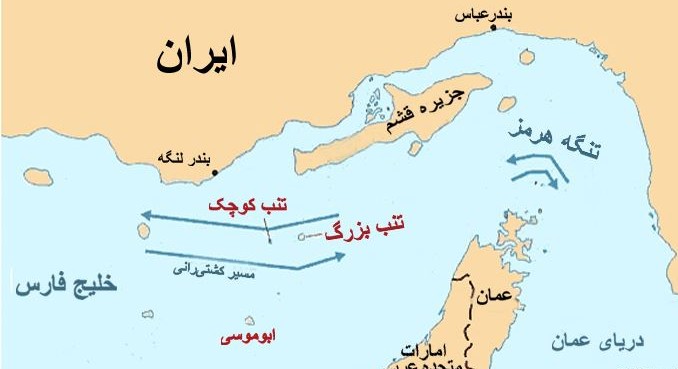
On the second of Esfand month in 1991, a news was published on one of the domestic websites, which among other news, had a strange account of a disputed island in political news and Iran’s relations with its southern neighbor, the UAE. However, the news made no mention of the heated disputes over ownership of the islands; instead, it told the story of the entry of 500 luxury Porsche cars through the Abu Musa customs and their transfer into the country. The news, amidst the general unawareness of the living conditions of the people on the three Iranian islands, could have been an excuse to shed light on their situation. But as far as we search the news of these years, there have been few reports about the people living on these islands, and when we ask people and social media users, apart from emphasizing their Iranian ownership, nothing substantial is found except for one link on YouTube where “Kamran Najafi Zadeh,” a controversial reporter from the national

Perhaps these are not the only recorded images of that island by a television reporter; because in April 2012, reporters, along with the convoy carrying the head of state, traveled to this island and published controversial images of this visit that had led to insulting reactions from Emirati officials; to the extent that even the UAE had summoned its ambassador from Iran.

Of course, what has been published in the controversial discussions about the ownership of these islands – in the present report – is less of our concern. However, the trip of the highest government official of Iran in the attire of the head of state and the unfulfilled promises regarding the support of the inhabitants of this island can be considered our subject.

On the seventeenth of Azar month in 92, Hossein Khademi, the CEO of the Water and Wastewater Company of Hormozgan, announced in a news interview: “Drinking water on Abu Musa Island is provided by four desalination plants and 72,000 cubic meters of water is desalinated on the island every month. The island is also equipped with a 25-kilometer pipeline for water delivery to homes.” He even mentioned the construction of a sewage network on Abu Musa Island and stated that the sewage network and treatment plant are currently under construction and will be operational by the end of this year. However, even though there are only forty days left until the end of the year, the fact that news of the “delayed construction” of the treatment plant is only being published in 92, is a clear indication of the officials’ neglect of health matters on this remote island.

During this interview, Khademi also mentioned the situation of the large Tanb Island and said, “The drinking water on this island is also provided by three desalination plants with a capacity of 1,300 cubic meters per day.” It is worth mentioning that Tanb Island is a small uninhabited island and due to its strategic location, it is under the control of the Revolutionary Guards, and of course, the “Red Soil” mine on this island is currently being extracted and exported.

The red soil sways, which is not so barren, and one can gain a great deal of money and wealth from it, and bring prosperity to the economy of this land and its people. It is good to know that the red soil mine, which has settled in the Abumousa region, remains untouched, and by exploiting it, one can turn the economic wheel of this island and bring color to the table of its inhabitants. The main use of red soil mine products is for producing dyes and cosmetics.

This is while, according to the deputy of exploration of the Geological Survey Organization, small reserves of red soil have been seen on this island, but due to the military location of Abu Musa, it has not received much attention. Behrouz Barna, in an interview with Aseman magazine, confirms the existence of a red soil mine in Abu Musa and reminds that the Geological Survey Organization has reported the existence of a mine and reserves of red soil in this region to the government. However, due to the small volume of these mines and the lack of high economic benefits, it has been decided not to pay attention to this report! According to Barna, in southern Iran, the island of Hormuz has the highest volume of red soil reserves; to the extent that Hormuz mines are ranked highest in the world in terms of size. According to him, Hormuz red soil mines are a familiar name among miners around the world.

Although the miners of the world are familiar with the red soil mines of Hormuz, the Abu Musa red soil mine has certainly not escaped their attention. If officials pay attention to the extraction of this mine, the name of Abu Musa will not only be mentioned in political circles, but will also open the door to its economy. This is while if the red soil mine is extracted from the Persian Gulf, not only will there be opportunities for business on this island for its few inhabitants, but also with the export of products from this mine, development will also reach Abu Musa.

In the past, the annual production of red soil in Abu Musa reached about 16,000 tons, which was extracted by the Germans and then the British. However, due to the poor quality of the product and lack of suitable facilities, they abandoned the project that year.

On the day that Mahmoud Ahmadinejad, in the first round of provincial trips, ordered the Geological Survey Organization to investigate the island of Abu Musa and determine the capacity of the red soil mines on the island, he may have hoped to one day open the mine on Abu Musa Island. But this did not happen, as the people of Abu Musa continued to happily fish while having the red gold under their feet. Interestingly, during the same government, the mafia of Ahmadinejad’s associates opened the island to import 500 Porsche cars without customs formalities, using a provincial order to allow a car to enter the island without customs formalities. These luxury and expensive cars, which had been left out of the car import cycle due to their high price and high consumption, were imported into the country without anyone knowing the share of the residents of Abu Musa – whose name the car was imported under – and whether they even knew about the type of car that was imported.

Abu Musa lacks water and suitable land for agriculture; however, there are small date palm orchards in it, even though most of the native people make a living from fishing.

One of the centers for crude oil production in the country is also Abu Musa, which operates with a considerable capacity. However, it does not seem that the native residents play any role other than guarding in this industry and it is not a source of income for the people of the island. The area of Abu Musa is about 12 square kilometers, the large Tanb Island with 3.10 square kilometers and the small Tanb with 1.5 square kilometers, Sirri with 3.17 tenths of a square kilometer, Farur-e Bozorg with 2.26 square kilometers and Farur-e Kuchak with 1.5 square kilometers make up a county with Abu Musa as its center. In the southern part of the island, about five hundred people from the residents of Sheikh Nasheen Sharjah (Emirates) live in their homes, but according to documents and evidence, the administration of the islands and their ownership is in the

Dr. Pirouz Mojtahedzadeh has a lot to say about this. In an interview with ISNA, he said: “A six-article agreement was written in November 1971 between Iran and Sharjah, according to which the Iranian flag will be raised in the northern half of Abu Musa Island and Iranian military forces will be stationed there. The Sharjah flag will only be raised above the [Sharjah police headquarters in Abu Musa village], which means that only Abu Musa village will be under Sharjah’s control and the rest will belong to Iran. Unfortunately, sources have mistakenly referred to this as a joint administration of the island, when in fact, the island is completely under Iran’s strategic management.”

Iran has accepted in that agreement for the people of the village of Boumousi to be under the jurisdiction of Sharjah and for their travel to Sharjah to be unrestricted. At the same time, the Iranian Ministry of Foreign Affairs has issued an official statement that is attached and a part of this agreement. The statement says that for now, we accept this agreement, but we reserve the right to take control of the entire island at any time if strategic conditions require it.

Iran’s policy has been to not take such action from that date until now. However, it seems that the Iranian government, after the start of the dispute by the government of the Emirates – and not the Sheikh of Sharjah – has taken control of the entire island and perhaps the reason for not paying attention to the island’s mines is that, at present, until the end of the dispute, it does not consider investment to be very suitable. However, the fact that the Revolutionary Guards still have extraction and possession in their hands in the small island of Tonb rejects this option.

Ahmadinejad had promised during his trip to Abu Musa to turn the island into a tourism hub by organizing affordable tours. However, according to existing facilities, there are only small guesthouses that cater to government officials and the only reception hall on the island is a small restaurant with a capacity of about 30 people, which currently serves the locals. Another recreational space on the island is a beach and a children’s playground. The only flight to the island, which we see Kamran Najafzadeh boarding in his report, is operated by Kish Air with a capacity of 100 people and to reach the island by sea, one must go to Bandar Lengeh and take a few hours journey on speedboats. Despite all this, there are still three disputed names between the two governments and the Iranian government, despite its complete presence and control over all the islands, has not been able to find a solution for the people of these islands – just like in similar areas where

This is while the governor of Hormozgan has approved the transformation of Abu Musa Island into a model tourist destination by the government council of Hormozgan. The initial studies have been conducted and in the fourth round of the government council’s trips to Hormozgan, this plan has been approved. However, so far, no one has publicly announced the comprehensive tourism plan for Abu Musa Island! Something that should actually be made available to private investors so they can participate, but it seems that the role of investors – similar to the occupation of the small island’s rich mines by the military – is intended to be in the hands of the Revolutionary Guards.

It is necessary, with all that has been said above, to speak about the disregard for the environment when making decisions for similar areas. It is important that the government takes advantage of the potential of coastal areas and uses sustainable development methods; however, if the development of these areas is done without coordination and a joint plan with the Environmental Protection Organization, it will undoubtedly result in disasters like Lake Urmia, Bakhtegan, the Caspian Sea coast, Kish and Qeshm, and Chabahar. Any hasty actions for the exploitation of coral reefs can preserve the beauty of the coast, and we hope that amidst fruitless external conflicts and internal political disputes, forgotten islands and their inhabitants will be seen and not ignored.

“What have women done for the revolution, and what has the revolution done for women?”

demo201

Iran before 22 Bahman 57

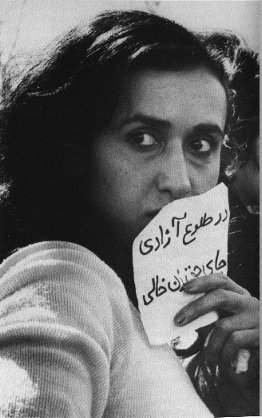
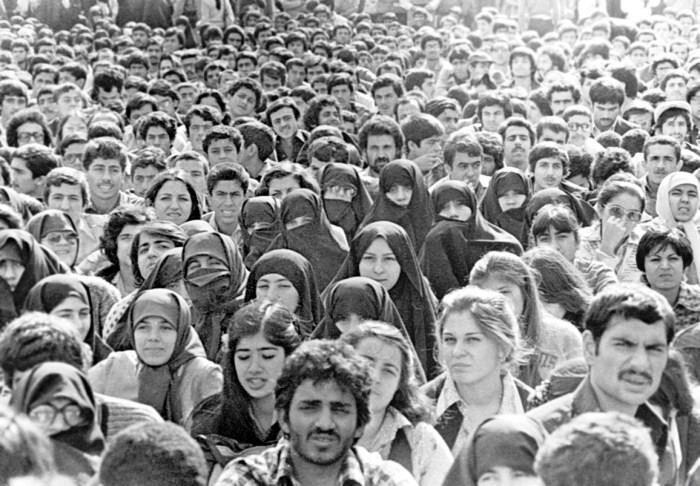
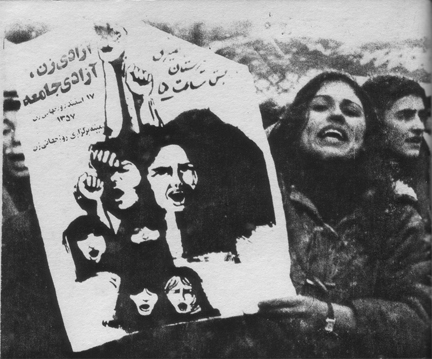
In the years before the revolution, there were no special organizations or associations for women in Iran. The revolution also did not initially have any special intentions for women. It was a general revolution against the dictatorship of the Shah and its associated relationships. The revolution aimed for freedom, a better life, and the full participation of women in economic, social, and political spheres, as well as achieving equal rights for women and men. It was a mass movement in which women and men actively participated and were partners in the revolution. “All together” was the backbone of the revolution. In this atmosphere of “all together,” women’s demands and attention to their desires were somewhat ambiguous. Interestingly, even in the culture of protest in society, which was heavily influenced by the fervor of the revolution, whether in political groups such as Marxist or Islamic, or in the intellectual space of poets and writers, women and men actively participated. During the revolution, no one could even imagine how, in a very short period

Women played a significant role in the 1957 revolution and in the fight to overthrow the Shah; whether in the midst of protests outside the boundaries, in marches and strikes, in fortifications and university poetry nights, or in political groups of that era, women had a prominent role. It is not enough to say that women participated and had a prominent role, this does not fully acknowledge their contribution. The 1957 revolution was the first major political experience for women in the history of Iran and, in terms of participation and presence, it was fundamentally a feminist revolution. In fact, the hardworking women and students were the main pillars of the 1957 revolution.

A brief look at the pre-revolution era in the field of women’s issues.

1307- Women have gained access to educational scholarships for studying abroad.

1314- The first co-ed elementary school was opened with the discovery of the veil.

In 1317, women, without any restrictions, found their way to the University of Tehran.

1323 – The Compulsory Education Law was approved.
The High Council for Women’s Societies was formed.

1341 – Women were granted the right to vote.

In 1342, women were elected as representatives to the parliament.

In collaboration with various women’s associations, the “Iranian Women’s Organization” was formed in 1345.

1346 – Women’s entry into the political staff of the Ministry of Foreign Affairs.
– Women were granted the right to serve as judges and join law enforcement forces.
– The Family Protection Law was passed.

1347 – The first female prime minister joined the government.
– The law for women’s social services was passed.
– The first family welfare center was opened by the Iranian Women’s Organization.

In 1347, women joined the ranks of the Revolutionary Guards.

In 1349, women were elected as members of the city, county, and provincial associations.

In 1354, the Family Protection Law was revised and Iran participated in an international women’s conference. The first woman reached the position of advisor minister for women’s affairs.

1357- The national action plan was approved.

In this year, two million Iranian women were officially employed. 187928 women were studying in universities and in specialized fields. 146604 women were government employees, of which 1666 held managerial positions. 22 women were members of parliament, two were senators, one was a minister, one was an ambassador, three were deputy ministers, one was a governor, five were mayors, and 333 women were representatives in county and city councils.

It must be emphasized that although women were forced to wear the hijab before the revolution, it did not mean that there was enlightenment among women and they were consciously encouraged to enter the social sphere. During that time, the dominant mindset among women was the necessity of fulfilling the traditional roles of being a cook and a mother. This view still existed during the revolution.

demo298

Iran after 22 Bahman 57:

The “dictatorship” and “dualistic” monarchy government collapsed and was replaced by a government born out of revolution. The first remarks regarding women’s basic rights to choose their attire were made by Mr. Khomeini on February 16th, 1979 at the Rafah School: “There should be no sin in the Islamic Ministry. Women should not come to the Islamic Ministries naked. Women can go, but they must be veiled. They can go and work, but they must be veiled according to Sharia law.” (Kayhan, February 16th, 1979, issue 10655, page 1)

In the photo, it was evident that the wave of social protests had taken over. This was happening while the sound of their knives clashing against women and government newspapers could also be heard.

Following the issue of hijab and the expression of different opinions by clerics and officials, different sections of the society had different positions on this issue. Among them, religious people supported Islamic hijab and considered those without hijab as disrespectful, causing disturbance in the country. Although there was no specific law for how to dress, these people believed that after the victory of the revolution, everyone should become religious or at least appear to be religious. As a result, after the revolution, if the Pahlavi government was removed from Iran, the people themselves, who naturally had different tastes and interpretations of religion, became divided. In the midst of this, since the religious forces were more numerous and were supported by the clergy, they were able to take control of the affairs. For this reason, other groups who considered themselves involved in the victory of the revolution demanded to present their opinions in the structure of government and legislation, and saw the absolute rule of the clergy as a violation of freedom and the fundamental

Experience has shown that when governments enforce something as mandatory without providing a platform for public acceptance and persuasion, it leads to a political culture and social approach that is contrary to the intended reaction and ultimately results in various forms of forced and hidden mobilization. Two concrete examples of this can be seen in relation to the phenomenon of women’s covering (hijab); both during the time when it was forcibly imposed by the order of the Shah and after the revolution when it became mandatory by the decision of the parliament and not adhering to it was considered a violation of public morality and a crime against decency.

According to Article 638 of the Islamic Penal Code, women who appear in public places and streets without observing the Islamic hijab will be sentenced to imprisonment from 10 days to 2 months, or a fine of 50,000 to 500,000 rials. This article is under a section that deals with the punishment of individuals who engage in forbidden acts or commit actions that, although not punishable by law, violate public decency.

Before the mandatory hijab, there were resistances from unveiled women. But after the hijab became a law and unveiled women were confronted and cleansed from workplaces, even opponents began to adhere to the mandatory hijab, to the extent that we no longer faced the phenomenon of unveiled women in society. However, due to disbelief, some groups of women gradually formed the negative phenomenon of improper hijab as a protest against it.

On the other hand, since the limits and boundaries of religious veil were not specified by the legislator and personal opinions were followed, gradually women were confronted for reasons such as not observing the veil or improper veiling.

Female employees who did not observe the hijab in offices, according to the law, were subject to written reprimands or dismissal from their positions as a result of administrative violations.

On this basis, it was because:

In the spring of 1358, the law of protection of the family was officially announced and gave way to civil courts, which entrusted the right of divorce to religious authorities.

In the spring of 1958, the age of marriage for girls was reduced from 18 to 13 years old. At the same time, girls who were married were prohibited from attending high school and a large number of them were deprived of education.

In the spring of 1958, women’s right to judgment was taken away. Women were no longer able to study in the field of judicial law and law interns protested and rebelled.

In the spring of 58, mixed high schools were also not spared from the “revolutionary” decisions and it was announced that these schools must be closed. As a result, high school girls who did not have an independent school were left wandering.

In the spring of 1958, the government took action to restrict the operation of childcare centers in factories and offices. The Central Bank, Ministry of Water, Planning and Budget Organization, Starlight and Mino factories were among them. These actions were met with protests from women.

In the spring of 1358 (1979), family welfare centers were closed and centers for child assistance and family planning were limited. Social workers who were employed in these centers were laid off from non-specialized services. Distribution of birth control pills was greatly restricted and only available to women over 40 years old. The Iranian government implemented all of these measures before drafting its constitution.

As mentioned, the dominant discourse during the 1357 Revolution was populist. This populism was also mixed with violence. The prevailing atmosphere, language, and leadership during the Bahman Revolution imposed a lack of attention towards women’s rights. When we look back from the platform of the future, we see that democratic demands and human rights were not addressed, and of course, women’s issues could not be at the center. After the Revolution, a significant transformation took place in the lives of Iranian women. Four major changes shaped the lives of Iranian women in a different way. In this regard, Mehrdad Darvishpour writes: “The four main axes of post-revolution politics regarding women were still in place:

1- Forcing the veil, 2- Separating women from men, 3- Emphasizing the role of women as mothers and wives, 4- Emphasizing the difference in privileges between men. (Women’s challenge against the role of men, page 73)

In 1982, the part-time work bill for women was passed and most women left full-time jobs and started working part-time. A retirement plan was established and women were able to benefit from retirement benefits and rights after 15 years of work. Women were asked to stay at home and open up opportunities for unemployed men. In the 288th session of the Supreme Council of the Cultural Revolution in 1992, homemaking and raising children were recognized as the biggest responsibility and job for women. Most of the responsibilities of women were limited to feminine jobs such as midwifery and education.

Furthermore, according to Article 54 of the draft of the Islamic Labor Law, married women must have a work permit and social activities from their husbands when seeking employment and hiring.

Despite all the political and economic upheavals in our country, such as the Iran-Iraq war, men’s participation in the war, expansion of government sectors, urban population growth, and the need for cheaper labor for economic progress, the entry of women into the workforce and their collaboration with men was accepted. It is clear that education, knowledge, and skills in any field pave the way for this acceptance. While most men with high school education had a better chance of finding employment, women with the same level of education could not easily find work. Therefore, Iranian women made great efforts to attend universities and higher education institutions and rose up against staying at home and unemployment; to the point where the number of female students in every field exceeded that of male students.

1979Iran

A brief look at what happened to women after the revolution.

1358 – Cancellation of the Family Protection Law; Deprivation of Women from Employment in the Judiciary; Forced Veiling of Women; Separation of Women and Men on Beaches and Sporting Events; Women’s Protests Against the Imposition of Islamic Veil and Cancellation of the Family Protection Law.

In 1359, with the approval of the Constitution of the Islamic Republic, Ayatollah Khomeini is chosen as the Supreme Leader and Islamic laws and traditions determine the role of women in the family and society. With the start of the Cultural Revolution, universities in Iran are closed. Women are given the right to participate in general elections while adhering to Islamic standards.

1360 – The boundaries of women’s rights and freedoms are determined by the fatwa of the Supreme Leader, especially in cases of disagreement between the Islamic Consultative Assembly and the Guardian Council.

According to Islamic laws, women are deprived of the right to custody of their young children after separation from their husband; elementary and high schools are exclusively for girls or boys.

1362 – Special police patrols against non-Islamic hijab begin.

In 1368, the exclusive right of divorce by the husband is deferred to special courts, based on Islamic criteria.

In 1373, women are allowed to serve as legal advisors in specialized family courts.

1376 – The Human Rights Watch organization awards its prize for defending the rights of women and children to Shirin Ebadi; in the presidential elections, a large number of women vote for a candidate – Mohammad Khatami.

The 1377 law passed by the Islamic Consultative Assembly requires the presence of a female legal advisor in courts handling child custody cases.

In 1379, the number of female students entering universities is higher than the number of male students; female students at Qom University protest against being deprived of taking some courses due to the lack of female professors by holding demonstrations in front of the university…

Comparison of the current situation and pre-revolution status of women in Iran

After the revolution in Iran, a young mother was sentenced to death for killing a man who she claimed was attempting to rape her. The judge had said, “The way she was dressed had prepared the ground for his assault.” Many women have been sentenced to suspended prison terms for promoting egalitarian ideas, and the Guardian Council of the country has withdrawn from the 1981 United Nations Convention on the Elimination of All Forms of Discrimination against Women.

During the time before the revolution when women were granted the right to vote, the first protest was led by Mr. Khomeini. Polygamy had also become illegal and divorce laws were based on equality between men and women.

The revolution promised equality and justice for women, but after three decades, women are still deprived of both. Instead of following a flexible legal approach that is compatible with Islamic law and promoted by Ms. Ebadi, the Islamic Republic of Iran promotes what Farideh Ghirat, the leading advocate for women’s rights, calls the “dry bone version”.

After the revolution, Iran revived polygamy, made divorce almost impossible for women without the consent of their husbands, and condemned women as “adulterers” and subjected them to stoning.

Following the rapid growth of the population in the first decade of the revolution, family planning reduced the national fertility rate to two children. The average life expectancy for women is seventy-two years, which is two years longer than men. In 1975, the illiteracy rate among women in rural areas was ninety percent, and in cities it was over forty-five percent. Currently, the literacy rate among girls aged fifteen to twenty-four has reached ninety-seven percent. In previous years, the number of female students in state universities was higher than that of men.

Despite the increase in the number of educated women and considering inflation, there are not many families who can live off the income of one person. However, the economy is not able to create jobs to attract these women.

“A historical movement” has begun in Iran. Nowadays, many girls in different provinces of Iran are getting married to the boys they have chosen, not the ones their parents have chosen for them; a decade ago, this phenomenon was unknown. However, some parents feel threatened. In a tragic incident, a father from Shiraz prevented his daughter from pursuing her accepted Bachelor’s degree and burned her alive.

Before the revolution, two women were present in the government.

After a lot of conflict, the age of female maturity has increased from nine to thirteen years, and dowry is now considered due to inflation. Girls can also receive scholarships for studying abroad.

In the past few years, 150 women have been engaged in activities in non-governmental organizations in Iran.

The transformation of these institutions into effective supporters of women’s rights takes time, but these organizations provide a way for Iranian girls to introduce and express their identity.

Non-governmental organizations are highly vulnerable to the fear of conservatives in civil society.

Domestic violence, infidelity, and AIDS have multiplied several times.

The sale of family values in Iran has had consequences: one third of marital bonds lead to divorce, while twenty years ago divorce was rare. However, judges who show sympathy towards women seeking divorce are few. Women are often forced to give up their dowry in order to ensure their husband’s agreement to divorce.

Issues such as profanity and addiction are prevalent in Iran.

No one knows how many Russian women are in Tehran, although their presence on the streets suggests that their number reaches tens of thousands. There is also a debate about one issue: the majority of these women are self-sellers, girls who have fled from poor and destitute families, and their number increases every day and their age decreases.

In Iran, special attention is given to the poems of Forough Farrokhzad, an Iranian poet. Forough used to say:

Social changes in Iran have given new meaning to concepts such as religion, ethics, and love.

But after forty-five years have passed since his time, such statements can imprison the speaker, but the judges of the Islamic Republic cannot prevent the young Iranian women from solidarity with this perspective.

An Introduction to Social Justice and its World Day

Social_justice_movement1

What is social justice?

Social justice is one of the indications of the concept of justice, which refers to the fair allocation of resources in a society. In this sense, the law must achieve an acceptable level of real and formal equality and ensure fair distribution of resources and equal opportunities.

Nowadays, in the mainstream political discourse, there are three theories of political philosophy and three main schools of thought on justice:

1- Aristotle’s works on justice, which are highly influential and controversial, are the basis of modern Aristotelian and individualistic theories of justice; such as Nietzsche’s philosophy of existentialism. The most important contribution of Aristotle’s methodology was his distinction between corrective and distributive justice.

2- Social contract theories, which justify the principles of classical liberalism with the famous hypothesis of social contract: It is assumed that a liberal and democratic society is based on the free choice of rational and autonomous agents.

3- Utilitarianism, a philosophy whose goal is to maximize the welfare of society: The influence and power of utilitarianism has been the main force behind the strength and reinforcement of political philosophy, especially after its acceptance by neoclassical economics. Many contemporary theories begin with a (usually critical) reaction to utilitarian ideas.

The main idea of social justice.

The demand for social justice always raises the question of how rights, positions, and material and non-material blessings are distributed in a society. This demand is related to conflicts that determine what each person should have and to what extent. Since in every society there are costs alongside assets, this conflict also exists, determining how these costs can be divided fairly and proportionately among everyone’s shoulders, taking into account their income levels.

If we want to connect social justice with normative expectations for the distribution of blessings and social costs, we will achieve a concept of social justice that has a relatively short lifespan and returns to the second half of the twentieth century. With the emergence of welfare states in the decades after World War II, political struggles over the issue of social justice were reflected in a specific manner in the programs of political parties.

While in the 1960s and 1970s, social justice mainly focused on the fair distribution and redistribution of wealth in the 20th century, today the issue is more about equal distribution of opportunities and chances that make it possible for individuals to achieve their life goals. In other words, social justice today is not only about guaranteeing material benefits and social welfare, but also includes the possibility of access to education, culture, and political participation.

Five dimensions can be presented for social justice as follows:

1- Prevention of poverty expansion and efforts to eradicate it.

2. Increasing social opportunities through education.

3. Increasing social opportunities through creating more job opportunities and proportionally dividing incomes.

4. Attention to the special role of women.

5- Creating social security through establishing a fair balance between income levels and social expenses such as healthcare and others.

World Social Justice Day

World Social Justice Day is a day to recognize the need to promote efforts to combat issues such as poverty and unemployment. The United Nations General Assembly adopted February 20th as World Social Justice Day on February 26th, 2007, which became effective in 2009.

With the recognition of this day by the World Summit, social development, with the goal of social justice, solidarity, harmony and equality within and among countries, and social justice, equality and fairness, form the fundamental values of all societies.

Governments have committed to creating a framework for promoting social justice at national and international levels in order to achieve “a society for all.” They have also pledged to promote fair income distribution and greater access to resources through equal rights, equality, and opportunities for all.

Governments also recognized that economic growth should promote equality and social justice, and that “a society for all” should be based on social justice, respect for human rights, and fundamental freedoms.

Sources:

Ratlage, International Political Economy Encyclopedia: Topics J-O, page 858.

John Rawls, Theory of Justice, 1971

“Hey B. Atkinson, Social Justice and Public Policy 1982”

“Ji Kitchening, in search of social justice through globalization 2003.”

United Nations website

The right to respect.

In a not-so-distant time in South Africa, for the writing of the Declaration of Freedom, announcements were published and distributed in all cities and villages of the country. This announcement asked: If you could write the law, what would you do? How can you turn South Africa into a land of happiness for all its people? And now in Iran, we want to write the text of citizenship rights; do we really want to turn Iran into a land of happiness for all its people – without any exceptions and self-interest? I think the first step is to identify our intention and be honest with ourselves, and if our intention is not to create a land of happiness for all the people of Iran, our law will not be a law of citizenship. How wonderful it would be if we prioritize honesty as our first right and audience in this stage.

Assuming that our intention is sincerely to recognize a land of happiness for all people of Iran, some believe that the existing laws are deficient and need to be amended, while others say that the problem lies in the implementation of the laws, and some see both as the problem. As a result, in the pursuit of a law-abiding society, we can place the quality of the law and its enforcement on one side, and the people’s lawlessness and law-breaking on the other. One of the factors of lawlessness is unjust and discriminatory laws; some believe that when a person is deprived of the right to live in the way they believe, they have no choice but to rebel. Therefore, I believe that entering into a discussion of prioritizing the quality of the law and its enforcement or the people’s lawlessness is like discussing the chicken and the egg. Therefore, I understand that it is not about giving or taking away rights, but about respecting them.

Every individual, organization, and government can, by respecting their own rights, simultaneously help to respect the rights of others and speed up the process of building a land of happiness for all Iranians. I agree that the law and its enforcement are one of the tools for educating and changing the behavior of society, and the effectiveness of this tool depends on the quality of the law. Sometimes, laws can be a catalyst for increasing dishonesty and inequality in order to be accepted, gain security, or gain an advantage. This means that a certain issue in society is reduced and becomes normalized, resulting in a loss of sensitivity and acceptance or inaction. For example, in our country, what is the purpose of asking about a person’s religion on a hospital admission form? Will this question affect the acceptance or rejection of a patient or the type of treatment they receive? Is this practice of asking about religion on passport forms, university applications, government employment, and many private institutions in line with Article 23 of the

Spectators of death

Edam
Execution, it is execution, whether you are guilty or innocent, the result of execution is the same. It is where the world becomes as small as the size of a four-legged animal for you. Your only refuge is the ground… under which they bury you, and death embraces you with open arms. It is unbelievable, the moment that passes and the next moment that never comes; bitter but true.
But in legal terms, execution refers to a type of punishment that includes the most severe penalties. This punishment is one of the measures prescribed in the laws of some countries, including Iran, where the life of a person is taken away by the order of the law and according to the ruling of a court – public, criminal, military, etc.
According to the report of the Center for Human Rights Documentation in Iran, in the year 2013, a total of 624 executions took place in Iran, 324 of which were announced by official sources and 290 were reported through unofficial sources

Edam2

Watching death
In this film, the voices of some people who have gathered around the execution scene can be heard, sympathizing with the young man being executed. The young man, as mentioned, requests to see his mother one last time and bid her farewell. He screams out his request, saying that he will go to his mother with his hands and feet bound, but is beaten by the officers accompanying him for the execution. His last words are “Forgive me, mother.” The execution show ends with the applause and prayers of the spectators.

From a sociological perspective
Seeing the image of a dead person (in general) is an unpleasant and disturbing sight, which is why many people turn away and cover their children’s eyes when they come across bodies on the street. Behavioral scientists, psychologists, and sociologists also condemn the portrayal of death in films. This is while in Iran, public executions are carried out in front of thousands of spectators. A look at the images published from these executions reveals a bitter reality, where people willingly choose to witness the death of a human being.

“Majid Mohammadi,” a professor of sociology living in the United States, has seen the film on social media and says, “I watched the film from beginning to end. It was difficult to watch, but as a professional, I had to see it. Anyone who follows Iranian issues closely should see these images.”

He believes that individuals can decide for themselves whether or not to watch this film based on their own understanding. It is their own decision and cannot be recommended.

The basic rights of an execution convict.
According to legal laws in Iran, a person sentenced to execution has the right to meet and say goodbye to their parents before the sentence is carried out. “N.M.”, an Iranian lawyer, says: “The regulations on the implementation of retribution, stoning, execution, hanging, and flogging describe the mechanism and method of implementing these punishments. According to Article 7 of these regulations, after receiving the final verdict and the order of execution from the issuing court, the judicial authority responsible for carrying out the sentence is obliged to inform the condemned person’s defense lawyer at least 48 hours before the execution.”
This lawyer also mentioned Article 8 of these regulations, saying: “Article 8 of these regulations refers to the fact that a person sentenced to execution can request to meet with their relatives before the sentence is carried out. However, the last part of this article states: “Visitors will be invited to the place of imprisonment, provided that accepting the request does not delay the execution of

Watching a movie promotes violence.

As mentioned at the beginning of the report, after the release of this video on social media, a debate began about whether to watch it or not.
One of the active journalists in Iran, in response to the question of whether he, as a media activist, has watched this film or not, said: “I have not seen this video and I must mention that watching executions in Iran, although it seems unconventional, has become a full-fledged subject of social recognition. To the extent that many sociologists and even cultural studies in Iran are examining the behavior of people who have brought themselves to the park of artists, the place of execution, to watch the execution. Among the countless executions in Iran, the last case that was circulated on social media also faced different reactions. Some groups published the video with the aim of mourning for the executed man. Their opinion was that execution is a distressing punishment and they condemned the incident even more because the executed man’s request to meet his mother was not granted

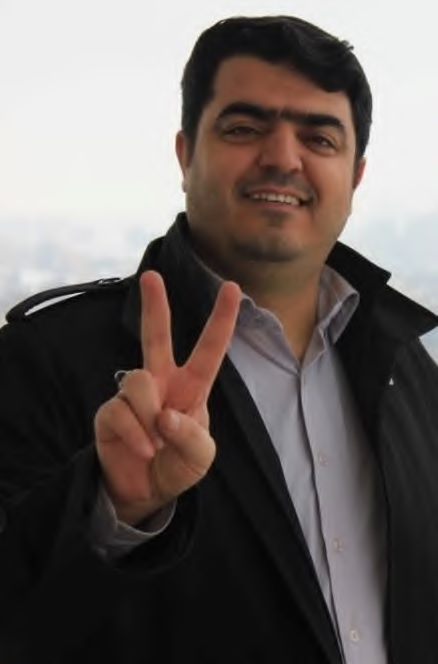
Ismaeil Abdi: The continuous presence of clerics in schools is an insult to teachers.

The education system in Iran is facing serious problems such as budget shortages and a lack of health and sports instructors; however, according to a recent agreement between the Tehran Education Department and the Tehran Seminary, the education system has committed to accepting the costs of religious instructors in schools and allocating a separate budget for this purpose.

We have had a conversation with Ismail Abdi, the Secretary-General of the Iranian Teachers’ Association (Tehran), regarding the subject of this memorandum of understanding.

Mr. Abbadi says about this agreement: “It seems that the system believes it can strengthen the conditions ideologically, which I doubt will be successful in this regard.”

He believes that the continuous presence of spiritual leaders in family gatherings, among students and teachers, is considered as justification and insult to teachers.

33439443691233255967

Mr. Abdi, Education is an educational institution. To what extent do you believe that religious teachings should be included in the education system of Iran?

See, considering that the educational approach in our country and in schools has shifted towards ideological discourse since the early days of the revolution, and many elements such as Islamic and religious insight and teaching of the Holy Quran have been included in the curriculum, and also in some stages of education, the deputy of education has been appointed; the government has shown its intention to create this ideological discourse in schools. However, the studies they have conducted themselves indicate that they were not very successful in this process, and it is even estimated that students in schools, compared to before the revolution, have not only not improved in terms of religious beliefs and anti-religious discussions, but have also worsened.

As someone who holds a position in the education system of Iran, do you know the reason for this? Why should subjects like religion, Quran, and morality be taught to children, but not receive the necessary feedback?

Due to the fact that there was no proper planning in line with technological advancements, our education system is outdated and follows a Western model. However, instead of updating our schools with technology, they were simply given a laptop or computer and labeled as “smart”. As a result, we are falling behind in modern sciences and our fundamental beliefs are not being properly taught to students. They are being introduced to these beliefs in a narrow and biased manner, and as a result, we are not seeing success. This is because the system did not invest in what was predicted and instead, due to the mismatch between behavior and structure, we have not reached our goals.

We have educational, religious, Islamic insight, and such lessons in our education system. In your opinion, what shortcomings do these lessons have that lead to the presence of clergy in schools? Is it necessary for this to happen and for there to be direct interaction between clergy and students?

I think that this is not necessary because at the national level, the clergy has access to around seventy or eighty thousand mosques, there are more than eleven thousand Imamzadeh shrines in our country, there are Friday prayer centers, and various newspapers and publications through which the clergy can advertise. Additionally, with the allocated budget for advertising in the religious sector, they can also promote themselves through national media and even social media. However, they are already doing this, but because they have not been successful, they should not come and directly enter the field of education. This agreement, signed between the Tehran Education Department and the Tehran Seminary, aims to place government schools under the coverage of a plan called “Amin Schools affiliated with the Seminary”. According to this document, the educational management of these schools is supposed to be established by the clergy, and the Tehran Education Department has made commitments to the Seminary, including the issuance of notifications by the deputy and their distribution to different regions and schools

According to this plan, will clerics be recognized as teachers or will they enter schools as assistant coaches?

No, unfortunately in every school, clerics are defined in a fixed manner and continuously, families and teachers must be covered and the education system promises to provide a platform for clerics to continuously justify themselves in meetings, families, students and teachers. In my opinion, this is an insult to teachers. On the other hand, according to the question you asked, they do not perform the role of a teacher in a verbal and traditional manner and only have a supervisory role, which is a clear insult.

Is this plan only going to be implemented in Tehran?

Yes, the agreement between the Ministry of Education and the seminary is specific to Tehran and is being implemented within Tehran, currently at the high school level. However, according to the approach outlined in the national education document, this plan will be extended to middle and elementary schools and gradually, in my opinion, will be implemented at a national level.

I would like to explain some of the contradictions that exist to you: Firstly, our schools are facing problems in terms of health and sports coaches. For every approximately four thousand students, we have one health coach. Now this number may be a bit lower, for example three thousand and five hundred. This means that one health coach has to teach four thousand students! While in the world, there is at least one health coach for every five hundred to seven hundred students. Currently, we have all these health problems and specific diseases, and education does not address this issue. Now they also want to introduce religion into education and give them control. On the other hand, we have a defined organizational position for this part in schools and there is a deputy for education for this purpose, and in any case, there is a conflict between the performance of the clergy and the education coach. They have not specified how the performance will be. That is, whether the clergy is above the deputy for education or vice versa

In addition, we also have doubts about the legality of this agreement, because the regulations of education do not allow the Minister or the Director General to convert a public school in any way they want, and the opinions of parents and students about the conversion of these schools have not been taken into account. In my opinion, a scientific survey should be conducted and international organizations should monitor it and the rights of students should be considered, as students have the right to have a say in this matter. Also, a survey should be conducted among parents and teachers to determine how many people in our country are satisfied with the idea of clergy entering education in a fixed and uncertain manner, even though there is certainly a motivation among the clergy to come and take control of the overall management of education.

I wanted to know if, in your opinion, the presence of clerics in schools is a political move to take control of schools by the seminary or, as claimed, it only has an educational aspect?

This plan was formed four years ago with the intention of establishing a series of pre-seminary schools, meaning that clerics would enter schools to promote the seminary and transfer talented students there. On the other hand, this agreement seems to have a political aspect to it. Perhaps the ideological aspect is more prominent, but it still has a political direction and it seems that the authoritarian movement is pleased with this issue and you can see this in their discussions.

Untitled666

Do you know or can you estimate where the budget for such programs will be provided from and whether allocating such budgets to these types of cases can be a priority for the Ministry of Education?

The order of the clergy is from the Ministry of Education and in clause 3, note 9 of the agreement it is mentioned that special financial support and provision of needs and facilities should be provided for the clergy and the costs should be borne unilaterally by the Ministry of Education in collaboration with the clergy. Considering that the Ministry of Education is currently facing budgetary issues, it seems that this plan will not be successful as the costs will surely be high.

The field of seminaries has established a number of non-governmental schools called “Sadra” and there are about one hundred to two hundred high schools in the form of pre-seminaries that are currently carrying out this work. This has probably motivated them to come and also do this work at the government level, which undermines the independence of the education system and even the independence of the seminary itself. It is not clear if even the seminary itself, at its highest level, agrees with this movement, as the direct presence of clerics may harm their own reputation and is also an insult to teachers, school staff, and even middle managers. In my opinion, this agreement should be canceled because its implementation and mechanism are not clear.

Dear Mr. Abbasi, does the Ministry of Education collaborate with other organizations such as the Ministry of Health or the Red Crescent, which are also responsible for educating children in areas like this? Or is this type of collaboration only specific to your department?

I think the approach to education and upbringing has not been in a way that they work in the fields of environment, health and historical issues. For example, they can now make a contract with the environment of Tehran and have environmental experts come and talk about health and related issues. They can also make a contract with cultural experts, considering that Dr. Najafi himself has separated from the body of education and has been the Minister of Education for several years and is popular among the cultural community. They can use his capacity. I even think that if this proposal is presented to Mr. Najafi, they can ask for a discount from cultural experts to come to schools and explain the historical situation of our country and the heritage of our ancestors to students from different areas and familiarize them with it. Other activities can also be done with other institutions, but unfortunately, the approach is ideological. It seems that the system thinks that by doing this, it can strengthen the situation ideologically, which I doubt will be

Dear Mr. Abdi, you brought up a discussion about ideology; Mr. Rouhani has stated in his speeches that there is an ideological approach to education. How much do you agree with this statement? If you agree, don’t you think Mr. Rouhani’s words have strengthened this issue?

I doubt this process will be dependent on the opinion of the honorable president; as I mentioned, this approach has been in place for four years and has become more prominent and public this year; meaning they have already made this decision beforehand. In fact, this approach has existed since the early days of the revolution; now some of our colleagues who are going backwards and say that even before the revolution, the clergy had collaborated in writing textbooks… In any case, it is these types of collaborations that balance the work, not direct interference from the clergy.

Of course, it is possible that the pressure for its development is based on the same thing. Mr. Rouhani said during the elections that I agree that every political-social system should emphasize its ideological and political beliefs on education and upbringing, but in our country, this ideological and political process is very intense in education and upbringing. Well, the power-oriented and in fact dogmatic currents have reacted to Mr. Rouhani’s statement. If you look at social media or newspapers, you will see that there has been a very explicit reaction to this issue. But I doubt that this agreement is exactly related to Mr. Rouhani’s statement, although it may have catalyzed it, meaning that it has accelerated it to some extent.

Do you have any other specific conversation?

To conclude, I would like to add that there are some issues currently happening in education that have caused some concern among our colleagues. These include the sudden closure of schools on Thursdays, which was not clearly explained and is now being debated for reinstatement. Another issue is the four-bell system in schools, which is really damaging to the educational process, as students do not receive any academic instruction after the fourth bell at 1 PM. In addition, there have been constant changes in the curriculum and structure of education, with the old system being replaced by a new one and thousands of different plans being implemented within it. The 6-3-3 plan was not evaluated and there is no strong will to organize and standardize schools. The Shina Abad incident, the Shift incident, and the deaths of students during non-expert educational trips should be eliminated. All of these issues require expert attention and cannot be solved by the clergy. The structure of education must have an approach that is

I hope that the future will provide a suitable platform for respected educators and students to experience positive changes.

Thank you for giving your time for the peace line…