The role of media in health and nutrition.

Last updated:

May 22, 2026

The role of media in health and nutrition.

Fast Food

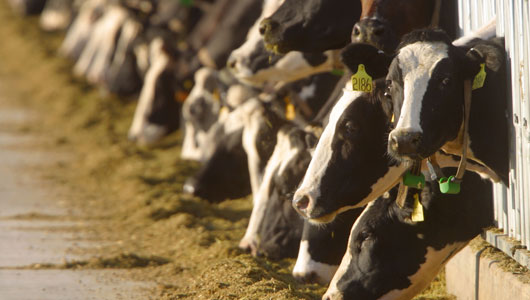
As much as communication tools have a significant role in entertaining their audience and users, they have also simplified communication and created good and bad interactions between the world and its people. They have also placed them in the crossroads of eating or not eating. The information overload that entices them to eat and drink, also warns them that if they do, they will have a shorter lifespan, or develop various types of cancer and blood and skin diseases, or have high blood sugar and cholesterol levels.

The role of media, on one hand, in generating income and covering their expenses through advertisements, usually puts people in a vicious cycle. They neither enjoy nor have the ability to confront the world of capitalism that constantly advertises all these delicious treats for you. Yes, dear viewer, just reach out and cool off. Blow up paradise under your teeth.

Opposing dualities of encouragement and punishment.

“Weren’t things different in the past? They used to eat animal fat and were healthy until the end of their lives. There was no cancer, no high blood pressure; why? Because the air was good. Not only were their nerves calm, but their health was also good. And the science had not advanced so much. So why did everyone die of natural causes? Everyone was healthy and strong until the age of 90. Now even newborn babies have diabetes and heart disease.”

This is a very old memory; they say that they had neither a diet nor exercised, and they didn’t have all these diseases. By chance, they were not bound by any good or bad and everything was edible, and in the end, they didn’t even see the face of a doctor!

Of course, there is no document or evidence left from any of those predecessors that would indicate whether they were all immune to high blood pressure, diabetes, and various incurable diseases or not. However, now everyone is concerned about being affected by these types of diseases and having a healthy life with a healthy diet is one of the new aspects that is included in certain stages of life. These concerns are growing every day and even expanding.

Many people who are more involved in reading and researching are more concerned. Various medical and health announcements that are entered into people’s email inboxes every day warn them about how much harm soft drinks can do to their body, or how similar to acid they are, what oil does to the heart and liver, and how much impact chips have on intelligence and alertness; some of which are accompanied by shocking images. But all of these harmful and poisonous foods, colors, and snacks have a different appearance and form in audio and visual media hours after leaving the warning messages. All of them are attractive, edible, and desirable. They show such combinations that make one want everything in the moment. This desire, this eagerness to buy and eat, is actually a sign of the media’s success. Advertising has penetrated to the point where it has created a sense of need, and now the audience, the viewer and the listener, will want to buy without paying attention to their weight and health status. The

Financial commitments that affect ethics.

Media with higher levels of influence receive more attention and, in fact, more scrutiny is also placed on their productions. Groups with more important goals also rely on these media outlets more.

If one side of programs is about earning income, the other side is about developing and expanding ethics, education in various fields such as health, sciences, texts, or changing and improving social behaviors. Encouraging people to live a life full of health and happiness. Programs are not meant to guarantee the health and well-being of individuals, but they should, based on their mission, develop public awareness. This section is usually included in codes of conduct and charters, which can also be easily overlooked. However, for creating programs that fall into the second category, the solution is not just focusing on the first side for earning income. Like Robin Hood who stole from Prince John to give bread to the poor. The poor who then have to return the same money as taxes to Prince John.

In this section, the media, due to their commitment to their capitalist clients, make themselves obligated to generate more profit for them in order to gain their trust. They use all their resources and skills for this purpose. However, in this pursuit, they only have one ethical commitment to their audience, which they fulfill through short and concise programs on health, treatment, life, and healthy nutrition, but they often deviate from it. This commitment is usually pursued by institutions that are in the minority in terms of advertising and their goals are often in conflict with those of the capitalists. This conflict and the allure of material and financial gain always pose a serious obstacle to achieving the ethical goal of the media, and on the other hand, the fundamental rights of the audience.

The reality is that media plays a significant role in changing and improving lifestyles, creating new habits, or eliminating actions that are considered unacceptable through their programs, and they have taken advantage of this opportunity and capability. This is why one of the functions of media is education. On the other hand, audiences have the right to receive media content that is in line with their interests, helps their mental and physical well-being, and improves their quality of life. However, it is not possible to simultaneously provide benefits for both sides. In fact, with extensive and attractive advertising at high speed, media promotes consumerism, and on the other hand, it puts audiences in doubt as to which one to choose, ultimately causing them to suffer from guilt and remorse. Or, with a positive outlook, it can be said that it presents various attractive and colorful productions on a table and by showing them to the audience, it invites them to the small and insignificant table that we have set up on the other side and guarantees their

A narrative on insurance in Iran and its neighboring countries.

vikramsheel_healthinsurance_illustration - 002

An incident has occurred, of any kind; accidental or catastrophic or any other factor. Financial damage has been incurred and this financial loss or cost for treating an illness or solving a spinal problem and not having this cost can lead to destruction and significant loss and damage. This is where a modern structure comes to help. “Insurance” is a way to assist the injured. Of any kind. Assistance that can only help with physical damage.

The word “insurance” is familiar to us. For years, we have seen advertisements for various insurance companies in the media, on the walls of cities and neighborhoods. There are different types of insurance with various uses and applications available to us, and at first glance, this wide range of options may seem like a stroke of luck for insurance seekers. However, the issue that both the insurance seeker and the individual face is not just about insurance being a means of creating security and peace of mind, but also as an industry. An industry that, due to its nature, has costs and benefits, competition, and its own bureaucratic processes.

Every search that is done, we are not only faced with the word “insurance”; what comes to hand is the insurance industry. And it is considered a way to reduce medical expenses for individuals, companies, and any legal entity that encounters risk, difficulty, or problem and seeks a solution.

Article 44 of the Constitution of the Islamic Republic of Iran recognizes insurance as part of the division of economic sectors belonging to the government.

This means that logically, the main supporter of the insurance issue, as a human right in Iranian society, should be the government. Article 29 of the Constitution of the Islamic Republic also states: “Access to social security in terms of retirement, unemployment, old age, disability, single parenthood, staying on the job, accidents and disasters, the need for health and medical services and care, etc. is a universal right. The government is obligated to provide services and financial support for each individual in the country, according to the laws, from public revenues and revenues obtained through public participation.”

Based on this principle, access to social security, medical care, and insurance has been determined as a universal right. A right that all Iranian citizens should equally benefit from.

Furthermore, according to Article 21 of the Constitution of the Islamic Republic of Iran, the establishment of special insurance for the elderly and women without a guardian is considered a right for Iranian women.

Furthermore, social security, having insurance, and insurance support have been considered as a human right, which is necessary for the survival of human society in the present era and the preservation of human values, fundamental rights, and dignity.

Based on the provisions of the Constitution of the Islamic Republic of Iran and relevant laws such as the Social Security Law (which was passed in 1975), insurance and social security have been considered as human and citizen rights. These rights should be provided through government organizations such as the “Social Security Organization” in Iran. This organization, according to its own law, justifies its existence by stating that its purpose is “to implement and expand various social insurance schemes and establish a coordinated and proportional system in line with social security programs, as well as to concentrate and invest the funds and revenues specified in the Social Security Law and to manage and benefit from the funds and reserves.” This independent organization, called the “Social Security Organization”, is affiliated with the Ministry of Health, Treatment, and Medical Education, and is referred to as the “Organization” in this law. It has legal personality and financial and administrative independence, and its affairs will be managed solely according to its articles of association, which will be approved

However, the everyday experience of people in Iran shows something different. Protests regarding insurance issues in Iran are heard frequently. Despite having supplementary insurances and various types of insurance, medical expenses are not covered. The issue is so chaotic that Seyed Mohammad Mehdi Alavi, a senior manager of the Entrepreneur Insurance and an activist in the insurance industry in 1392, explained the country’s insurance conditions in an interview with the media, stating that “the unfavorable economic conditions in the country over the past 10 years have caused a recession in the insurance industry.” He also added in the interview: “If the insurance industry is not in a desirable state, it will have a negative impact on the economic conditions. Similarly, if the economic sectors of the country do not request insurance, the insurance conditions will be inadequate, and if insurance companies are unable to issue insurance policies for industries, we will face problems.”

Alavi explains the insurance situation in Iran, stating that due to the past 10 years’ conditions and the economic situation, “we do not have a position in the insurance industry in the world and the region.”

5 months ago, the former head of the Central Insurance Company, in a conversation with the central news unit, stated, “By overcoming the barriers of insurance sanctions that are completely against international and global norms, we can turn this threat into an opportunity for the development of the domestic insurance industry; a very valuable and almost endless achievement.” He claims that the Iranian insurance industry has a superior position in the region. However, this statement contradicts the remarks of senior insurance activists who are directly involved in the issue, and it clearly reveals the attempt by the country’s top insurance managers to cover up the chaotic state of the insurance industry. This is something that can easily be seen through the experience of living in the country.

Another important point in this regard is that according to Mohammad Hossein Ghorbani, the spokesperson of the Health and Treatment Commission of the Parliament, in an interview with Fars News Agency, Iran’s health ranking among 190 countries in the world is 117.

But let’s examine the insurance situation in one of our neighboring countries. Afghanistan; our eastern neighbor that has endured about three decades of war and is currently awaiting the results of their presidential election. A neighbor whose citizens have been present in Iran for many years as laborers and workers, and a nation that has suffered greatly. Let’s see what the insurance situation is like in Afghanistan…

The situation of insurance and healthcare services in Afghanistan is not suitable. According to statistics and an article in an Afghan newspaper, 38% of the population still do not have access to health services, which means that this 38% do not have access to public clinics and doctors, nor to medication and treatment, and the issue of having private doctors and insurance systems is foreign to the people of Afghanistan.

But the most important issue for Afghans is the issue of insurance culture; people who have gone through long wars are distrustful of the government and all government services, including insurance. The Afghan Voice Agency (AVA) writes in this regard: “What is certain and evident is that many of our compatriots do not even know what insurance is and what benefits it can have for them, which is of course due to various reasons, including the very limited activities of insurance companies and the lack of widespread availability of their services. Currently, in Afghanistan, out of 167 types of insurance services available in global markets, only 4 are used, which according to country officials include commercial, motor, health, and accident insurance.”

In fact, the main issue in Afghanistan is its cultural problem. However, there is a trend towards improvement. The intelligence agency reports that a one-day conference on cultural insurance was held in the ancient city of Herat in November 2011. This is one of the many conferences that have been held in recent years in this country on this topic. A report on another conference on this topic was also published in July 2012. Surely, if more research is done, more news will be found on this matter, which shows that Afghanistan is on the path towards improvement. Despite years of war, tragedy, and disaster, Afghanistan is moving towards improving its situation.

The first time that the Afghan Insurance Company was established in this country was in 1364. Currently, this company is owned by the government, with approximately 60% of its shares belonging to the Ministry of Finance and the remaining shares owned by Qaragol Company, Afghan National Bank, Afghan Textile Company, and Pashtani Commercial Bank. An examination of the company’s activities shows that the majority of its operations (around 92%) are in the field of third-party insurance.

After the establishment of the new government in Afghanistan, a new insurance administration was formed and the path for the insurance industry in Afghanistan became smoother. Today, there are 4 active insurance companies in this country and the government is seeking to increase participation in the insurance industry.

In the United Arab Emirates, another neighbor of Iran, according to the 2013 insurance report by multinational company Capgemini, alongside 40 other countries such as the United States and England, they hold 95% of the world’s insurance market. In fact, the UAE competes with these countries in this field and each sheikh has their own separate access to these services and has their own modern structure. In the UAE, only 30% of medical expenses are paid for by the people.

The issue of our western neighbor, Iraq, is similar to the story of Afghanistan. A country that has been struggling with years of dictatorship, war, poverty, and a focus on oil rather than food, trying to move towards improvement. According to the Teacher’s Insurance Agency, in the year 1389, Ali Akbar Zali, the manager of one of the branches of this insurance in Iraq, speaks of the lack of insurance knowledge among the people and introduces the Iraqi market as a virgin market for insurance companies.

Iraqi authorities welcomed the presence of foreign insurance companies with large financial assets at a conference held last summer aimed at attracting investment for the insurance sector in Iraq. They saw their presence as a catalyst for the growth of the insurance industry in Iraq. It should be noted that Iraq is among the advanced countries in the insurance industry and has had this industry since 1950. In 1964, a law was passed to link Iraqi insurance organizations with the economic organizations of the country. Relevant authorities are striving for the growth of this sector in the ongoing economic and industrial development of these countries.

The World Health Organization also reports on Turkey’s growth in the past ten years in the field of insurance and social security in the health sector. This situation is also based on government policies towards improvement. The insurance market in Turkey is considered a dynamic market because it is constantly growing and updating, and as a result, this market is constantly changing, evolving, and renovating itself.

In Turkey, the healthcare system follows a model that many developed countries also adhere to; the payers are usually the government or insurance funds, financing is based on income tax, and the type of payment to service providers is through a budget and fixed salaries. The ownership of healthcare facilities belongs to these payers (local government, central government, and public insurance). In fact, service provision, financing, planning, evaluation, and management are all the responsibility of the government, and universal coverage of services is easily achievable in this model. (4).

However, among the countries in the Middle East, Saudi Arabia seems to have a special situation. Despite having the largest local population, insurance penetration in the local market of this country is only 0.8%. Saudi Arabia also suffers from a lack of interest from insurance policyholders, and the news indicates the severity of the situation of insurance companies and the state of insurance services in this country. Based on World Bank statistics, Saudi Arabia’s health expenditure per capita is $795, which is significantly higher than Turkey’s $664.6 per person (in 2012). However, the climate, tribal composition, and highly traditional society of Saudi Arabia reduce insurance penetration. This lack of insurance penetration also means a lack of access to modern medicine, new medical centers, and medical science in this country. In these types of societies, instead of modern medicine, traditional medicine, herbal medicine, and local traditional doctors are responsible for the health of the people, who have been working tirelessly for years. The issue

But our eastern neighbor, Pakistan, which has recently been in the spotlight due to border issues, can only be described as having a per capita health expenditure of $39.4 in 2012. (6) This number, along with the deeply traditional and religious society of Pakistan and its tumultuous history since gaining independence, is a result of religious tensions with Hindus (by Muhammad Ali Jinnah, Iqbal Lahore, and the Muslim League) and ongoing sectarian violence, indicating a dire state of healthcare and, consequently, the issue of health insurance as a guarantor of health in this country.

What is understandable from the situation of our neighboring countries, except for Pakistan, is that all of them, both based on their current situation and the trend of growth in insurance status, are in a better situation than Iran. Of course, all of these except for Saudi Arabia have a special social and governmental structure, which directly affects the society’s attitude towards insurance. It is necessary to mention about Iraq and Afghanistan that, considering their new political structure in the early years of the present century, and their growth trend, they may surpass Iran in this area in the future (in the near future for Iraq and a little later for Afghanistan due to special circumstances). Let the numbers speak: Iraq’s health per capita in 2011 was $160 and in 2012 it was $226.4. This figure for Afghanistan in 2011 was $48.2 and in 2012 it was $51.2. But for the Islamic Republic of Iran, it has reached $325.7

Insurance and the insurance industry in Iran suffer greatly from various diseases. Diseases that are not only related to economic issues and recent sanctions. The first problem is the lack of insurance culture in the country, and this poverty of insurance culture in Iran has persisted despite years of advertising and the use of all government and non-government facilities that still remain.

Another issue for insurance in Iran is the non-insurability of government managers; a government manager in Iran comes with a senior manager and leaves with him. The number of managers in banks and economic enterprises in Iran that have been replaced in the past decade is evidence of this. In fact, insurance is seen as a citizen’s right and ensuring it is not a fundamental human and social issue, but a political one. Senior managers in this field also strongly advocate for this issue, fearing that it may become a problem for them; a problem that is not seen in neighboring countries such as Turkey, the Emirates, and even Iraq and Afghanistan, where senior managers are subject to general legal decisions. In fact, the two constructs of person-centered and law-centered are in opposition to each other in this field and experience has shown which one is superior.

Another issue is the weakness of insurance laws in the country, which results in non-competitive domestic and foreign insurances. In this lack of competition, the quality of services is not prioritized in the development of Iran’s economy.

Furthermore, our insurance system has its own problem. A system that is not reflected in modern insurance structures.

Insurance in Iran is a public, citizenship, and human right. Insurance is an industry, one that is closely tied to the issue of the health of the people. In the modern world, healthcare requires financial guarantees, and insurance is a crucial component of this. With the current dominance of capitalist ideology, the concept of health as a human right is directly related to insurance. Unfortunately, like other vital industries in Iran, insurance is also plagued by mismanagement and incompetence of those in charge. It is a struggling industry, at risk of bankruptcy, and any such event would result in the violation of the human rights of Iranian citizens. Like any other vital issue, insurance is also connected to the economic and political situation in Iran, and certain policies can lead to the destruction of this industry, which in turn would harm a significant portion of the population who rely on it. Currently, whether insurance exists or not does not make a difference in the amount of financial burden on different segments of Iranian society.

1- Definition of the Insurance Market Experts website from insurance.

2- Maleki, Rouhollah, Social Security as a Human Right, Fundamental Rights Journal, Winter 1384, Issue 5, page 143.

3- Shakardost, Abdul Rauf, Investigation of the Insurance Industry in Afghanistan, Voice of Afghanistan (Ava), 9 November 2008.

4- Health and treatment system in Iran and the world, VISTA website.

5- Meiri Nezhad, Hadi, in which countries do they spend more for health, Khabar Online, August 14, 2013.

6- Same.

Guard

Untitled

Pursuit, abduction, denial; conversation with Faraj Sarkouhi

Faraj-Sarkoushi

In this issue of the monthly magazine “Khat-e-Solh”, we have gone to meet Mr. Faraj Sarkouhi. Faraj Sarkouhi was born in November 1326 in Shiraz. He spent his school years in the same city and then went to Tabriz for further studies, where he studied social sciences and Persian literature at Tabriz University. Mr. Sarkouhi is a member of the Iranian Writers Association and the editor-in-chief of the literary magazine “Adineh”.

Mr. Sarkoohi, who also has a history of enduring years of imprisonment before the February 1979 revolution, was arrested at the airport in 1996 by agents of the Ministry of Intelligence. There were many protests both inside and outside the country against his arrest.

Faraj Sarkoohi explains the reason for his own detention (kidnapping) as follows: “After the publication of our letter with more than 60 signatures in protest against the detention of Mr. Saeedi Sirjani and especially after the publication of the text of 134 writers in protest against censorship, the Ministry of Intelligence, under the order of the National Security Council, put the program of physical elimination of critical, oppositional, and active writers in the Writers’ Association on its agenda. The National Security Council had concluded that cultural elimination through censorship, imposed censorship, and other mechanisms of cultural suppression were not enough and had failed to uproot independent intellectuals from the government. Therefore, the Ministry of Intelligence was ordered to combine physical elimination of independent intellectuals with cultural elimination.”

I was a member of the active writers’ council. I was one of the eight selected members of the council who collected signatures and published the text of 134 writers. I was also the editor-in-chief of Adineh magazine, and the increase in its circulation, influence, and credibility, which provided a space for independent intellectuals from government factions, had worried the Ministry of Intelligence. Being active in the writers’ council and editing Adineh magazine were reasons why my name was also written on the list of those who should be eliminated and killed.

Mr. Sarkoohi, referring to repeated pressure from security institutions, says: “I have been summoned and threatened several times for various reasons. One or two times, myself and several other writers were summoned and threatened by the Ministry of Intelligence. This includes the day when the news of Saeedi Sirjani’s death was announced. One time, along with 18 other writers, I was detained by the Consultative Assembly. Another time, myself and several other writers were arrested at a cultural attaché’s party at the German Embassy. In the infamous incident known as the “Armenian Bus of Death”, the Ministry of Intelligence attempted to throw me and more than 21 other writers and journalists into a ravine. Much has been written about these incidents and I have also written about them in my books “Yas and Das”… The last time was on November 13th, when I was arrested at Mehrabad Airport in Tehran while traveling to Germany for a speech. The

“I spent 45 days in one of the secret prisons of the Ministry of Intelligence in solitary confinement. At that time, Mr. Ali Fallahian was the Minister of Intelligence and Mr. Hashemi Rafsanjani was the President. The newspapers of the Islamic Republic wrote that Faraj Sarkouhi had traveled to Germany and disappeared there. Mr. Rafsanjani, the President at the time, said in a press conference in response to a European reporter that Sarkouhi was in the Netherlands or Germany. Mr. Ali Velayati, the Foreign Minister at the time, repeated Mr. Rafsanjani’s statements in an official letter to several international organizations, including the European Union.”

The Ministry of Intelligence wanted to kill me and not take responsibility for the murder. Before my arrest, they had killed Ahmad Mir Ala’i, a prominent translator and member of the Writers’ Association in Isfahan, and Saeedi Sirjani in prison in Tehran.

However, in any case, the story of the Ministry of Intelligence about my trip to Germany had faced public disbelief. The German government announced that the fugitive had not entered Germany. Iranians outside the country, Persian and non-Persian media, international human rights organizations including the Writers’ Association, Amnesty International, Reporters Without Borders, etc. launched a major campaign. Like IATA (International Air Transport Association), it announced that according to the Islamic Republic’s claim, the fugitive had traveled to Germany and according to German airport documents, the fugitive had not arrived in Germany, so he disappeared on an Iran Air flight and this company is not safe for passengers and its flights are not allowed to land at international airports.

The Ministry of Intelligence was forced to release me as a result of an extensive campaign, on the condition that I state in an interview that I have been in Germany and Turkmenistan and not disclose the story of my abduction and detention to anyone.

We ask him about the way the agents treated me: “The treatment of interrogators and torturers towards me was different from how they treated non-governmental individuals and members of left-wing and Mujahedin groups. It was the most brutal and savage physical and psychological torture. The treatment of the Ministry of Intelligence and other security institutions towards non-religious political activists or Mujahedin, differs from how they treat religious reformists or supporters of the Green Movement.

Our Islamic Republic government considered writers as the Trojan horse of Western culture. From the perspective of the Islamic Republic, cultural differences are a security issue and this government deals with them through a security approach. The government aims to impose its own monotheistic and religious culture on society and considers any other form of thought or failure to conform to the official government culture as an attack on itself, which it suppresses with violence.

We ask him to speak about the tortures during his detention: “During these 45 days, the most physical and mental tortures were inflicted upon me. I have written about the 45 days of torture in the first prison in the book “Yas and Das” and in several stories and letters published under the title “The Torture Letter of Faraj Sarkouhi” in Iran and European newspapers. During those 45 days, I was as good as dead. They showed me the news published in newspapers, claiming that I had disappeared in Germany. It was clear that they had no intention or plan other than killing me, as they had officially announced that Sarkouhi was in Germany and they could not release me.”

This former political prisoner titles his second detention as follows: “After my release, I knew that the Ministry of Intelligence would kill me because they are afraid of the truth being exposed. I wrote a letter and sent it secretly outside the country. I also gave a few copies to friends in Iran. In that letter, I wrote that it should be published 3 days after my death or return. This letter is a report of what happened to me during those 45 days and a report of the harsh treatment of the Islamic Republic towards intellectuals and writers.”

This letter was published in most European newspapers. It was also published within the country under the name “Zajrnameh-ye Faraj Sarkuhi”. Later, I found out that Mr. Pirouz Faqihaye Do’ani played a significant role in the reproduction and distribution of this letter. He reproduced the letter and wrote “Reproduction by Firouz Faqihaye Do’ani” on it. Pirouz Faqihaye Do’ani was killed in the famous chain murders a few years later, and his brave work in reproducing my letter was one of the reasons for his murder. I was arrested after the letter was published abroad. This time, after 3 days, they announced my arrest.

Mr. Sarkoohi continues: “I spent the first 9 months in solitary confinement in Tohid prison. Tohid prison was a temporary detention center during the reign of the Shah, and later became the Joint Anti-Espionage Committee prison. After the revolution, this prison was under the control of the Revolutionary Guards’ Intelligence Agency, and after the formation of the Ministry of Intelligence, it was handed over to this ministry under the name of Tohid prison. This time, I was tried and sentenced to “3 executions” on false charges of “anti-revolutionary activities, espionage, and illegitimate relationships.”

For 9 months, I was in solitary confinement in Tohid Prison, waiting for my execution and unaware of everything happening outside. After my release, I learned that the widespread publication of a letter inside and outside the country had strengthened the campaign against my imprisonment. The European Union and some European governments, including Germany, Sweden, Denmark, etc., were forced to intervene in my case due to public pressure and demanded that the Iranian government release me and acquit me of the charges of espionage. My case became intertwined with the departure of European ambassadors from Iran, and my release and acquittal of espionage charges were one of the conditions for their return to Iran.

After 9 months of solitary confinement and waiting for execution, I was retried and acquitted of my previous charges of “anti-revolutionary activities, espionage, and illegal relationship”. Instead, I was sentenced to one year in prison for promoting against the Islamic Republic due to writing a famous letter. I was transferred to Evin prison and after serving one year, I was released. They did not give me a passport for several months, hoping to kill me in a staged incident, but with pressure from UNESCO, they were forced to grant me permission to travel.”

Mr. Sarkouhi speaks about his staged executions as follows: “During that 45-day period, I was executed three times as a show. I believed these executions because they had announced that Sarkouhi was in Germany. Once again, after 9 months, they staged another execution and I believed it as well; because I had been sentenced to death three times.”

Given that Mr. Sarkoohi has a history of enduring prison before the February 1979 revolution, we ask him about the difference between torture and imprisonment during these two periods: “I was also imprisoned several times during the second Pahlavi dynasty and the last time was about 8 years. During that time, physical and psychological torture was also carried out, but mostly during interrogations and for the purpose of obtaining information. After the trial, physical torture was mostly stopped, except in some cases.”

Faraj-Sarkohi

The common tortures during the time of Shah Apolo included whipping on the soles of the feet, handcuffing, hanging from the hands or feet, burning the genitals and back, sleep deprivation, nail pulling, prolonged solitary confinement, and so on. During the time of the Shah, I was tortured with whipping, hanging, and prolonged sleep deprivation, and I was in solitary confinement for one year in Tehran and one and a half years in Zahedan prison. In the Islamic Republic, I was tortured with whipping, hanging, handcuffing, sleep deprivation, and psychological torture. In the Islamic Republic, the tortures of the Shah’s time were still prevalent, but they had added other tortures such as roasting chickens. Psychological torture was actually intensified in the Islamic Republic and was very common. For example, I was executed three times. But in my opinion, the effect of psychological torture is when it is accompanied by physical torture.

“One of the most effective forms of psychological torture is the use of victims’ personal information during interrogation. The tortured victim is brought to the interrogation room, beaten and sleep-deprived, and tortured with bits of personal information. For example, they had placed listening devices in my bedroom and would play recordings of my orgasms during interrogation…”

The whip increases the pain: “The most effective form of torture is whipping the soles of the feet. If, for example, they whip your back or buttocks, after a while you become numb, but your feet do not. And because they force you, you have to run, blood flows in your feet and they can whip again. Some tortures, like burning, cannot be continued for a long time, but whipping the soles of the feet can be continued every day and night for several months.”

“In some cases, such as with us writers, torture through physical pursuit is also common. They chase the victim in a way that the victim becomes aware before being arrested. In a situation of oppression, the victim expects any kind of violence and when they realize they are being pursued, they ask themselves why? What mistake have they made, etc. The physical pursuit turns the victim into their own interrogator. The victim is tormented for a while, chased from afar, and then arrested.”

Long-term isolation is one of the worst forms of psychological torture. In isolation, a person’s relationship with other humans, with colors and the sun, and with life itself is severed. The senses become dull and the imagination turns against the active person, and so on. But I knew how to triumph over isolation. Everyone has a way; I wrote a novel in my mind. This experience can be read in one of the stories I have written and published.

“In the first 45 days, the torture was intended to break me. They didn’t want information from me because I didn’t have any. Our activities were in the open in the center and in the evenings. We had nothing to hide. They had taken and had the minutes of the center’s negotiations months before my arrest. In addition, our activities were public in the center and in the evenings, so they didn’t want information from me, but they tortured me to break me. But in the next 9 months, the torture was retaliatory. With the publication of my letter, their lies were exposed. For the first time in Iran, a letter was published that explicitly reported the actions of the Ministry of Intelligence against the writer and intellectual activists. They were extremely angry and tortured me severely.”

Mr. Sarkoohi concludes by discussing the effects of torture: “Physical torture is painful and constant suffering, and the fear of enduring more pain. The human body is not made to withstand beatings. Some forms of torture have long-term effects. I had a heart attack in prison. One of my veins was closed and because they didn’t take me to the hospital, it remained closed. One of my kidneys failed. I had a kidney stone, but because I was not allowed to go to the bathroom more than 3 times a day, the water accumulated in my kidney and destroyed the tissue.”

The effects of physical and mental torture remain. The victim of torture never truly escapes from it. I still have nightmares and suffer from insomnia. Someone who has been tortured becomes sick, and this sickness is never cured. People like me who have experienced severe physical and mental torture are patients who suffer from the effects of torture for the rest of their lives and do not have normal behavior.

Women’s rights in Islam in conversation with Mohsen Kadivar

Dr. Mohsen Kadivar is a researcher, writer, religious thinker, and reformist political activist. After the February 1979 Revolution, he left his studies in engineering unfinished and began studying religious sciences in Shiraz in 1980. In the middle of Khordad 1360 (June 1981), he went to the seminary in Qom and is considered one of the students of Ayatollah Montazeri and the youngest Iranian religious scholar.

_40983260_irankhadivar203

I had a conversation with Mohsen Kadivar about women’s rights from the perspective of Islam and also the differences between traditional juristic views and modern religious thinkers.

Mr. Kadiour believes that the meaning of freedom of dress is not “absolute freedom” and says: “There should be no common ground between different Islamic perspectives!”

Mr. Kadiour, does Islam have compatibility with what the free world and women’s rights activists consider as the rights of Muslim women, or does Islam have a special and different definition for “women’s rights”?

Firstly, in both sides of the issue, there is not as much clarity as is presented in the question. The rights of Muslim women in the free world and women’s rights activists are represented by a diverse spectrum of radical, moderate, and conservative views. Muslims are also divided into three groups in this regard: traditional conservatives, moderate extremists, and radical reformists. Each of these three groups also represents a spectrum.

Secondly, I can only compare my understanding of both concepts, considering that there are also other opinions from both sides. What is recognized in the moderate view of human rights and the rights of Muslim women is compatible with the moderate view of human rights among Muslims. In the book…

The rights of people.

(1387) I have discussed this topic in detail. It is sufficient to refer to its introduction.

Thirdly, all human rights are subject to not causing harm to others and not conflicting with public health, ethics, and safety. From an Islamic perspective, the exercise of rights for both men and women should not violate modesty and chastity. Islamic standards of modesty or chastity require limitations in the gaze and clothing of believing men and women. Modesty is a constant moral value in Islamic law. If this principle is observed, Islam has no problem with any of the rights of Muslim women as far as I understand.

On your personal website, we sometimes come across fatwas that do not differ much from the views of traditional authorities in that field. For example, regarding women’s clothing, you have forbidden women from wearing tight jeans and have not even considered the social norm in this regard. What is the reason for this strictness?

Firstly, there is no requirement for there to be any agreement between different Islamic perspectives. It is not the case that traditional authorities are always conservative and non-traditional ones are always liberal. In “Islamic Values and Laws,” traditional scholars who are conservative have similar views to moderate and extreme scholars. However, traditional authorities often consider the rulings of past jurists as established principles, while I, based on specific criteria that I have stated in my principles of jurisprudence, believe in much more time-sensitive and variable rulings than the traditional perspective. I also believe that many of the established religious rulings are based on the customs and norms of a specific time and place, rather than being absolute. However, it is clear that unlike radical reformists, I do not believe in a version of Islam without sharia, and as a result, I do not consider all jurisprudence to be incidental, variable, abrogated, and related to the past. Therefore, my religious stance falls between these

Secondly, the human rights system is not like democracy and secularism, which can replace religions, beliefs, schools of thought, and ideologies. According to the standards of human rights, democracy and secularism have the right to follow any religion or belief and to respect and recommend valid religious and ethical standards in their own religion and belief. In such a way that if someone is not practicing their religious teachings or is generally non-religious, in all three cases, it is a fundamental human right that no one can be forced or punished for their religious or non-religious beliefs and actions. If the declaration and recommendation of these religious and ethical standards are not accompanied by coercion and worldly punishment in case of violation, it cannot be considered a violation of human rights simply because some people do not agree with these standards.

Thirdly, even in the narrowest secular perspective where religion is considered a personal matter, the voluntary and free observance of religious teachings does not have any connection to human rights and should not be challenged or criticized.

Fourthly, a young girl has asked me about her religious duty regarding a specific type of clothing. I have also mentioned “without specifying any examples” the guidelines of Islamic dress according to my understanding. A believer who trusts the Islamic verdict of a mufti acknowledges their expertise in this matter, and someone who for any reason does not accept their opinion or fatwa is not obligated to follow it. Unless someone invites a non-believer to follow the mufti’s opinion!? It is not clear to me how this question relates to human rights. It is not intended for the “ideology of human rights” to replace Islamic law and the Jewish tradition.

Fifthly, it should be known that in a place where religious law has established values and obligatory rulings, the customs of society – even non-Muslim society – are not reliable. The instances where customs are referenced in the principles of jurisprudence have been carefully determined. Do you expect the values and established Islamic rulings to be subject to the dominant customs of non-Muslims?

article_CarolineRodriguez

Is the right to freedom of dress for women recognized in Islam? For example, according to the early history of Islam, is there any information about how the Prophet dealt with women who did not want to adhere to the accepted dress code after the revelation of the verse of hijab?

Your question has two parts. In response to the first part, I must say that the concept of “absolute freedom” of dress is not what is meant, as in all societies, there are certain limitations on the dress of citizens, both men and women. For example, in America, appearing naked in public is a crime. The minimum dress code in public varies in different cultures. On the other hand, no one can be forced to wear a specific uniform or use a specific color in their clothing.

Islam has considered modesty and chastity as a necessary introduction for both men and women believers (not just women), requiring a minimum level of covering. This minimum, in my understanding, for Muslim women is to cover from the neck to the knees in a way that the natural adornments of the body are covered. By observing this minimum, Muslim men and women are religiously entitled to a relative freedom of dress. This obligation is a religious obligation, not a legal or punishable obligation.

In any society, the minimum coverage depends on the legislator and the accepted culture. The minimum legal coverage should be less than the minimum religious coverage, so that, firstly, the freedom of believers is meaningful, and secondly, the rights of non-believing citizens are also respected. In any case, “

Compulsory hijab is devoid of valid religious justification.

(July 2012).

But regarding the second question: after the revelation of the verses about hijab, there is no evidence of disobedience and lack of observance of Muslim women from Islamic standards on one hand, and coercion and punishment of violators by the Prophet (PBUH), Imams (AS), or Caliphs on the other hand. Furthermore, my latest views on women’s hijab can be found in the series of articles “

A reflection on the issue of hijab.

(1391) is available for study.

Can a woman remain a Muslim without following the social and religious laws related to women, even if she does not want to?

This issue is not specific to women. Both men and women are subject to this ruling. It is a practical aspect of Islam. A Muslim is someone who, firstly, believes in Islamic beliefs, secondly, does not deny practical rulings and obligations of prophethood, and at least performs some of the rituals and acts of worship of Islam, and thirdly, does not neglect some of their religious duties. Even if they do not fulfill some of their religious obligations, they are still considered Muslim. And since they have not explicitly or practically denied the two testimonies, no one has the right to consider them non-Muslim.

In other words, there are two types of Muslims: first, the active Muslim who is called a believer, and second, the neglectful Muslim who does not fulfill certain religious duties. If a Muslim neglects certain religious obligations, it is acceptable only if they are an expert in religious sciences. Otherwise, their excuse for neglect is only valid if it is justified by a religious scholar (mujtahid) as a valid reason for neglecting that religious duty.

Should human rights be limited and restricted within the framework of Sharia laws in the eyes of a faithful Muslim, or vice versa?

Firstly, ten years ago in the writing “

Human rights and religious enlightenment

(Sun, summer 1382, and then the book “Human Rights”, 1387) In detail, I have argued for the precedence of the Universal Declaration of Human Rights over the dominant understanding of the Sharia (traditional Islam). The reason for this precedence is the rationality, fairness, morality, and effectiveness of the principles mentioned in the declaration compared to some past fatwas that have been repeated without new reasoning in different circumstances and beyond the initial context.

Secondly, if we consider the values of morality as the basis of the law (not the legal system), then it is clear that for a faithful Muslim, the adherence to these fixed moral values is not negotiable and their acceptance of human rights cannot contradict these fixed moral values. This is my perspective on the law. It is clear that the discussion is about the rights of Muslim humans, meaning the cases that are recognized as valid international documents, not everything that is introduced as human rights without a valid international document.

Mr. Kadyor, as a man, does he have the right in Islam to determine the type of clothing and behavior of his wife?

A marriage contract has rights and responsibilities for both parties, if no conditional clause is included in the contract, the couple cannot expect more than their religious rights from each other.

B. Islamic rights (to the extent of my understanding) have not given any specific right to men in this matter, although it has set responsibilities for both spouses in this regard. In other words, a husband does not have authority over his wife to determine her fate without her consent and free will.

The minimum requirements for the coverage and interactions of a married person are religious matters that cannot be increased or decreased by the man or woman. The religious beliefs and level of commitment of each couple determine these minimum requirements.

As a Muslim, husband and wife can use the obligation of enjoining good and forbidding evil, just like other Muslims, towards their life partner. However, fulfilling this obligation is different from the mutual rights and responsibilities of marriage.

It is clear that married life requires mutual understanding and agreement, regardless of legal requirements.

And in conclusion, what is the difference between the fundamental principles of traditional jurisprudence and the religious jurisprudence of modern thinkers like you?

Firstly, traditional jurisprudence has confined itself to “ijtihad in branches”. The epistemological foundations of this type of ijtihad are world-view, epistemology, anthropology, and theology, which have not been subject to “critical reinterpretation”. In this approach, the Quran is the “book of law” and the Sharia is the “legal system”, and the book and tradition “extracted from history” are referenced. The right of reason in ijtihad has not been practically observed and the ethical and just nature of fatwas has not been the concern of the jurist’s inference.

Secondly, my understanding is based on “ijtihad in principles and fundamentals”. “Ijtihad in principles” means using ijtihad in the principles of ontology, epistemology, anthropology, and theology, and paying attention to the achievements of moral philosophy, legal philosophy, political philosophy, and overall sciences related to the subject of religious rulings. “Ijtihad in fundamentals” means using ijtihad in the fundamentals of jurisprudence, such as paying attention to the principles of hermeneutics, taking a “historical perspective” on the text, re-reading the text in its context, viewing the Quran as a “book of guidance” (not a book of law), viewing Sharia as “moral values” (not a legal system), and adhering to the four principles of being rational, just, moral, and more effective than rival solutions in the process of deducing religious rulings.

Thank you for the opportunity you have given us.

Why do tourists travel less to Iran?

222

Iran is described as a country full of contradictions and paradoxes. Although the United Nations ranks Iran as one of the top ten countries in terms of ancient history and historical sites, the tourism industry does not play a significant role in Iran’s economy, accounting for only 3.3% of the gross domestic product and 14% of the country’s income. The Iranian Cultural Heritage Organization invested 10 million dollars in international advertising campaigns in 2006-2007 to change the world’s perception of Iran and encourage potential tourists to choose Iran as their vacation destination. Despite all of these investments in the tourism industry, Iran’s economy has been isolated from the rest of the world due to its negative image, social problems, political complexities, and lack of international brands.

Therefore, it can be concluded that having the potential to attract tourists alone is not enough.

Negative face among people.

Tourism in Iran is largely affected by the weak relations between Iran (as a staunch Islamic country) and Western countries. In the statements of most investors and Western politicians, it is clearly mentioned that Iran is not an open market for economic and commercial activities. There are other issues that have contributed to the Westerners’ pessimism towards Iran, including the lack of embassies for the English and Americans, which reflects the lowest level of relations between these countries. Such actions have led some writers to describe the Iranian government as “xenophobic, ignorant, and harsh”. Most importantly, Gallup’s annual report showed that Americans wanted to vote for their favorite country in 2004, and Iran ranked at the bottom of the list with 77% against them, which in itself reflects the distrust of countries towards the Iranian government.

Social problems

The 2005 issue of World Travel and Tourism Magazine shows that tourists have been discouraged from traveling to Iran due to strict social laws, including the prohibition of alcohol consumption and discrimination against women. The international image of the country has been greatly damaged since the Islamic Revolution in February 1979, with the implementation of mandatory Islamic veiling for all women in Iran, including foreign nationals and travelers. Violation of human rights laws is another factor that drives Westerners away from Iran. Restrictions and punishments in the Islamic Republic, such as heavy penalties for expressing freedom of speech in the media (including imprisonment of journalists), limitations on religious freedom in the constitution, and discrimination against Baha’is, Sunnis, and Kurds, are evident every day.

Furthermore, the Iranian LGBTQ organization in 2013 introduced Iran as a place where homosexuality is punishable by death. Another factor that contributes to the negative perception of Iran in the world is that it has the second-highest rate of executions, after China. According to the statistics from the Center for Human Rights Documentation in Iran for the year 2012-2013, 710 people were executed in just one year, with 343 of them being officially announced by the government. More accurate statistics, according to a report by BBC Persian published in January 2014, revealed that in just the first two weeks of 2014, 21 people were hanged.

The lack of development of mixed beaches for tourists is another factor that has influenced the opinions of travelers. Surprisingly, mixed beaches exist in other Islamic countries such as Dubai and Qatar. In response to these issues, the head of Iran’s travel and tourism has stated, “Iran is not a mass tourism destination and is only a destination for mature travelers who share similar beliefs with Muslims.”

Political complexity

The report “EuroMonitor” has described Iran as highly controversial in global politics and isolated from the West. Economic sanctions against Iran have been cited as the main factor for Iran’s isolation due to its nuclear program. Regional tensions and Iran’s support for certain governments in the region are also political obstacles that hinder the future growth of the travel and tourism market in the country. Therefore, it has been proven that “all tourist attractions will not be able to bring tourists to Iran without political peace.”

Lack of international brands

Due to Iran’s weak relationship with the West, this country is described as lacking international brands in all sectors. Many global chain hotels, such as Hilton, which had branches in Iran before the revolution, were forced to leave the country after the revolution. Additionally, the country suffers from a lack of facilities and inadequate transportation infrastructure, as evidenced by the sanctions on two major Iranian airlines. According to an Iranian journalist, air travel on Iranian planes is increasingly unsafe and, according to reports from Iranian news agencies, in the past 25 years, 17 planes have crashed in Iran, resulting in approximately 1500 deaths. It is worth mentioning that due to current sanctions, Iran is unable to use foreign planes for domestic flights.

In summary, it seems that there is a significant distance between Iran’s current position in terms of attracting tourists and its long-term goal. Iran is a country that, due to strict laws and other reasons mentioned, fewer people are willing to travel to. However, if this industry expands, it will not only contribute to the improvement of the country’s economy and even its citizens, but also increase tourists’ familiarity with unique historical and cultural attractions such as Nowruz. But for Iran to expand its tourism market and be recognized as an official holiday destination in the world, it must first become a safe place for its residents, with respect for human rights, in order to minimize the distance between its current position in the eyes of the world and a free and prosperous Iran.

Comparative analysis of civil liberties between Iran and Afghanistan.

lt08zovl

Before anything else, I must say that the writer firmly believes that civil liberties cannot be achieved through the barrel of a gun, war, or violence. The following text is only a comparative analysis to see where we stand in the world.

Afghanistan was a central point on the Silk Road and archaeologists have found evidence of early human settlements dating back to 5000 years before Christ. They also estimate that urban civilization emerged in Afghanistan between 2000 and 3000 years before Christ.

Contemporary Afghanistan experienced a short period of relative democracy in the last 10 years of the reign of “Mohammad Zahir Shah”, which is referred to as the “Decade of Democracy”. Zahir Shah attempted to modernize Afghanistan by implementing political and economic reforms, establishing a democratic legislative system, promoting modern education, establishing universities, and providing education for women.

In 1973, “Daoud Khan” became the first president of Afghanistan after a coup against his cousin’s son. From then on, Afghanistan faced a series of internal wars, including the invasion and military occupation of Afghanistan by the Soviet Union in 1979 and the United States in 2001.

Civil liberties in Iran and Afghanistan today.

In general, civil liberties can be examined in areas such as freedom of thought and religion, freedom of religious and ethnic minorities, freedom of expression, freedom of the press, freedom of dress, freedom of sexual minorities, and freedom of assembly and formation of political parties.

After the Taliban period and the arrival of international forces in Afghanistan, despite the fact that some civil and political freedoms were established in this country, the very traditional and patriarchal society, which is still bound by religious customs and traditions, has caused the local authorities and tribal leaders to play the role of oppressors and suppressors instead of the government hindering and restricting the civil liberties of the people. However, in this writing, we will only focus on the governmental restrictions imposed on the people of Iran and Afghanistan.

Freedom of belief and religion

The following is stated in the 23rd article of the Constitution of the Islamic Republic of Iran: “Investigating beliefs is prohibited, and no one can be prosecuted or accused for holding a certain belief.”

Investigating the issue of freedom of thought and religion in Iran is not a difficult task. This is because the existence of tens or even hundreds of political prisoners in Iran is a bitter reality of Iran today. In contrast, in Afghanistan, there are currently no political or religious prisoners in jail. Although occasionally, there may be religious reactions towards certain behaviors, some of which include:

In 2009, a Persian translation of the Quran was published by a publishing house in Afghanistan under the name “Quran Pak”. Some scholars strongly opposed it and considered the printing of the translation of the Holy Quran without its Arabic text as an act against Islam. The people involved in its publication were pursued and detained for a period of time.

The Hindu communities living in Afghanistan, who have experienced difficult conditions during the Taliban era, still face some religious restrictions; for example, they cannot easily hold funeral ceremonies. However, they are able to hold their own religious ceremonies in Dharamshala without any limitations. In addition, there have been reports of protests by Sikhs and Hindus in Afghanistan this year regarding the removal of a proposed seat in the Afghan parliament.

It is necessary to mention that numerous reports have been published about the imprisonment of two Christian converts named “Saeed Musa” and “Shoaib Asadullah” between the years 1389 to 1390. These two Christian converts were released from prison with the intervention of international human rights organizations and left Afghanistan due to concerns about attacks from extremist Muslims.

The Department of Monitoring Religious and Spiritual Freedoms in the United States has also reported that despite remarkable progress in Afghanistan, religious and spiritual freedom in this country is still facing significant threats.

In the original 12 articles of the Constitution of the Islamic Republic of Iran, Islam and the Ja’fari Shia religion are the official religion, and other Islamic sects mentioned in the Constitution, including the four Sunni schools of thought “Hanafi, Shafi’i, Hanbali, Maliki” and the Zaidi Shiites “Four Imams”, are also recognized and respected by law. Additionally, in Article 13 of the Constitution, Iranian Christians, Jews, and Zoroastrians are recognized as religious minorities and are allowed to practice their own religion within the limits of the law.

However, in practice, many followers of the Baha’i faith, Sunnis, Shia Gonabadi dervishes, as well as Christian converts and those who have recently converted from Shiism to Sunnism, are currently imprisoned in Iran.

In articles two and three of the Afghan Constitution, it is stated that: “The religion of the state of the Islamic Republic of Afghanistan is the holy religion of Islam. Followers of other religions are free to practice their religion and perform their religious ceremonies within the limits of the law. No law in Afghanistan can be contrary to the beliefs and laws of the holy religion of Islam.”

The recognition of the Shia religion as an official religion was one of the achievements of the Afghan government after the military occupation, and articles two and three of the constitution – mentioned above – allow for the religious ceremonies of minorities within the limits of the laws based on Islamic Sharia.

Afghanistan-Newspapers1

Freedom of ethnic minorities

In the field of ethnic minorities in Iran, despite the explicit statement in the Constitution of the Islamic Republic in Article 15 regarding the use of local and ethnic languages in the media, group media, and teaching their literature in schools alongside Persian, we can see how the Iranian system operates; for example, on Mother Language Day, which was held in early February 2014 in Ahre and Akbarabad, Tehran, dozens of participants were arrested.

Article 16 of the Afghan Constitution states: “Among the languages of Pashto, Dari, Uzbek, Turkmen, Balochi, Pashai, Nuristani, Pamiri, and other commonly used languages in the country, Pashto and Dari are the official languages of the government. In areas where the majority of the population speaks one of the languages of Uzbek, Turkmen, Pashai, Nuristani, Balochi, or Pamiri, that language is also recognized as the third official language alongside Pashto and Dari, and its usage is regulated by law. The government implements effective programs for the strengthening and development of all languages in Afghanistan. The publication of media and press in all commonly used languages in the country is free. National scientific and administrative terminology is preserved.”

So far, no reports have been published regarding the restriction of ethnic minorities in education and speaking in their mother tongue in Afghanistan.

Freedom of speech and freedom of the press

It is enough to mention the latest annual report of the Committee to Protect Journalists regarding freedom of speech and press in Iran, in which Turkey, Iran, and China ranked first, second, and third respectively.

In Afghanistan, over the past 12 years, the statistics of daily and weekly newspapers have been different and mostly due to financial constraints, many publications that found their way to newsstands have been closed. Currently, in Kabul, about 20 newspapers are sold on newsstands and 10 local newspapers are published in the provinces. The Ministry of Information and Culture of Afghanistan has announced the publication of over a thousand different newspapers, including daily, weekly, monthly, and occasional newspapers in the past year.

Currently, no individual is imprisoned for reasons related to journalism in Afghan prisons. However, in a few cases, reports of arbitrary and short-term detentions of journalists, as well as physical assaults on journalists, have been published, which have been addressed with appropriate legal measures.

In recent years, several cases of journalist arrests have occurred in Afghanistan, two examples of which are listed below:

In 2003, Mr. Mir Hossein Mahdavi, an Afghan journalist, and Mr. Amir Payam, an Iranian journalist, wrote an article in the weekly magazine Payam-e Aftab describing Zoroaster. This caused a reaction from some Afghan religious scholars and leaders, resulting in their arrest and detention for a period of time. Eventually, they were released and left Afghanistan.

In 2008, “Parviz” was one of the students at Mazar-i-Sharif University in northern Afghanistan who wrote an article about Islam. This article received strong reactions from some scholars and he was pursued by the Afghan prosecutor and spent some time in prison. Eventually, after being released, he left Afghanistan.

The law of mass media in Afghanistan specifies in certain cases that should not be published or broadcasted in visual, audio, and print media: “Publishing content against the religion of Islam is prohibited.”
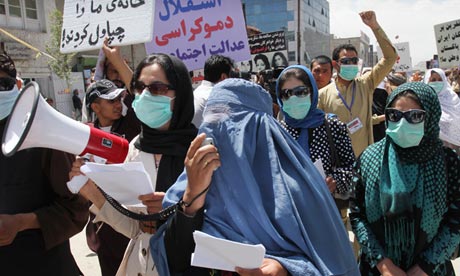
Solidarity Party supporters

Ali Akbar Rostami, the secretary of the research reports section of the 8 AM Afghanistan newspaper, said during a conversation with the peace line: “In the course of 137 years of journalism in Afghanistan, in the current period, freedom of expression has reached its highest level.”

He still faces many challenges in achieving freedom of expression in Afghanistan, including the threat to journalists by powerful individuals.

“Reporters Without Borders, in a report published in 2014, ranked Iran at 173 in terms of press freedom and wrote: “Iran has moved up one spot in the ranking this year, solely due to the addition of one country. The situation of press freedom has not changed significantly compared to the previous year. Iran plays a crucial role in the crisis in Syria, as a non-negotiable actor in the region. The government, still dominated by men, maintains complete control over information, especially regarding their involvement with their allies in Damascus, from the presence of the Revolutionary Guards in Syria to financial aid to the Assad regime. Many other issues, such as nuclear energy, human rights, and the situation of political prisoners under the label of “actions against national security,” are censored. At the end of 2013, Iran had 50 imprisoned journalists and bloggers, making it one of the top 5 countries in the world in terms of imprisoned journalists. Despite the release of

The following statement is included in the continuation of this report: “Despite the persistence of violence against journalists and especially female journalists, Afghanistan remains at 128th place in terms of overall press freedom, unchanged from last year. In the past year, due to some serious decisions, this country has seen a rise in several rankings. In the coming year, the holding of presidential and provincial council elections, along with the withdrawal of international security forces (ISAF) from the country, will be important challenges for assessing the strength of press freedom in Afghanistan’s young democracy, as well as ensuring the safety of journalists and citizens in general.”

In Iran, the radio and television are under the control of the government and there are no private television networks. However, in Afghanistan, there are currently over 38 national television channels, of which only 3 are government-owned and the rest are completely private. The Education TV, National TV 1, and National TV 2 are considered the government television channels of Afghanistan.

In Iran, internet speed is extremely slow and numerous news websites, as well as social networks such as Facebook and Twitter, are filtered.

Ali Akbar Rostami complained about the slow speed and poor quality of internet in Afghanistan and attributed it to the presence of economic mafias in private companies and lack of healthy competition in this field.

He also reported on the lack of filtering of social networks in Afghanistan and said, “All pornographic websites are filtered in Afghanistan and last year, YouTube was also filtered for 10-15 days in Afghanistan due to the release of a blasphemous film about Islam in Western countries.”

The freedom of sexual minorities

Regarding the laws related to homosexuality, it can be said that Iran is one of the few countries in the world where homosexuality can be punishable by death. Even the new Islamic Penal Code, which has recently been implemented, considers sexual relations between two men or two women as “hadd” (punishable by death).

In modern Afghanistan, no law has been passed against homosexuality, but legal protection has also not been provided for sexual minorities.

It is hard to believe that Afghanistan, as a country, could have a presence of homosexuals, but this minority has never been able to openly exist due to cultural and religious reasons, and this can be explored in the deeply traditional and religious fabric of Afghan society.
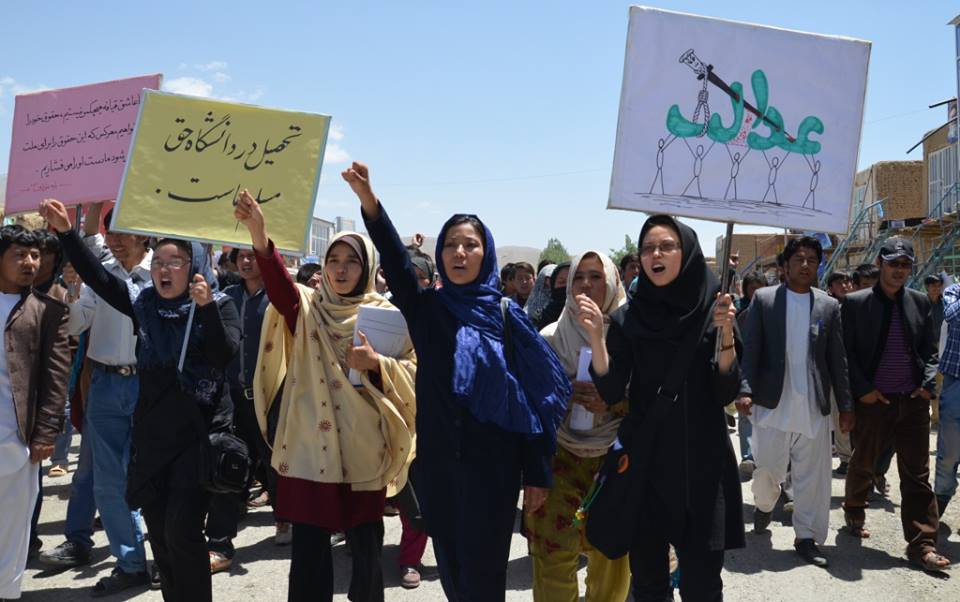
1075732

Freedom of clothing

Islamic hijab and dress code being mandatory for at least half of the population in Iran (women), may be the most prominent violation of civil liberties. Apart from Iran, the only countries that emphasize on Islamic dress code – and in some cases, even hijab – in today’s world are Saudi Arabia and Somalia.

The newly established system of the Islamic Republic in 1357, according to the order of Ayatollah Khomeini, prohibited women from entering government offices without hijab. This ban was met with opposition and protests from women, which were suppressed by private security forces and supporters of hijab.

In 1984, with the approval of the Islamic Penal Code in the Islamic Consultative Assembly of Iran, a punishment of 72 lashes was determined for not observing hijab in public places. However, this punishment is sometimes converted to a fine, but it still remains in force in the new Islamic Penal Code and is enforced.

Hijab and type of clothing for women in Afghanistan is completely optional.

Formation of meetings and parties

According to Article 27 of the Constitution of the Islamic Republic of Iran: “Formation of gatherings and processions without carrying weapons is free, as long as it is not against the principles of Islam.”

“Freedom of societies and demonstrations is considered one of the most prominent manifestations of democracy and civil liberties in any society. Regarding the treatment and suppression of civil societies in Iran, as the latest example and after the establishment of Hassan Rouhani’s government, we can refer to the protests of Gonabadi Dervishes on 17th and 18th of Esfand month in 1392 (March 2014) during which hundreds of participants in a peaceful gathering were beaten and attacked by the police with tear gas and pepper spray, causing them to be harassed and mistreated.”

Article 36 of the Afghan Constitution states: “Afghan citizens have the right to peacefully assemble and demonstrate, without carrying weapons, in accordance with the law, for legitimate and peaceful purposes.”

Ali Akbar Rostami also said in this regard: “In Afghanistan, if a group or party intends to hold a gathering or march, they must inform the Afghan security institutions 24 hours before the start of the march and after that it is free.”

Article 26 of the Constitution of the Islamic Republic of Iran states: “Parties, societies, political and trade associations, and recognized Islamic or religious minorities are free, provided that they do not violate the principles of independence, freedom, national unity, Islamic criteria, and the foundations of the Islamic Republic. No one can be prevented from participating in them or forced to participate in any of them.”

Despite this, the Commission of Article 10 has always monitored parties that have criticized the government or a part of it, and in recent years, several political parties and organizations, including the Mojahedin-e Khalq Organization and the Participation Front, were declared illegal after protesting the results of the presidential election in Iran in 1389. With the emergence of the new government, we have not yet seen the removal of obstacles to the legal activities of these parties.

Article 35 of the Afghan Constitution states: “Afghan citizens have the right to establish associations in accordance with the law for the purpose of achieving material or spiritual objectives.”

In Afghanistan, there is no obstacle to establishing political parties or civil organizations.

Based on the comparison that you have witnessed above, it can easily be understood that Afghanistan has become a leader in civil liberties in the region today, but undoubtedly both countries have a long way ahead towards a progressive and free society.

Explanation: One of the defense lawyers in Afghanistan, who did not want their name to be mentioned, has assisted the writer in preparing and organizing this report.

Women and the environment

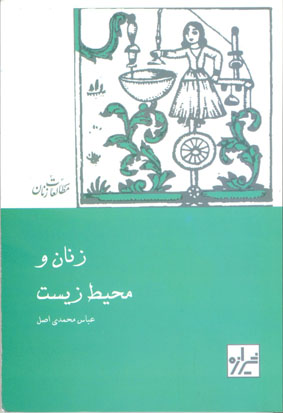
jeld-2-1e770

The book “Women and the Environment” is one of the notable works of Dr. Abbas Mohammadi Asl, a prominent sociologist and professor at Allameh Tabatabai University. In this book, Dr. Mohammadi Asl examines “peaceful coexistence with nature” in today’s world, based on the principle that the love and perspective of women can restore the environment. “It seems that we live in a society where a narrow-minded, male-dominated approach to career advancement has led to great dangers for the environment, and therefore we must strive to replace the power of nature with a comprehensive, feminine perspective.”

Women and the environment have been formulated in 5 seasons: “Nature becomes captive to culture”, “Human nature becomes self-alienated”, “Nature becomes a way to find our mother”, “The environment becomes green in the absence of a ruler”, and “The blue sky becomes a world”.

The book begins with these sentences: “Nature or the environment is like a mother; because just like women and mothers are busy with the work of giving birth and producing offspring, and they are carriers of love; she lovingly produces and gives to humans.”

The first chapter deals with the environmental crisis and presents statistics and figures on how humans have exploited nature from the past until today. In this chapter, the book discusses three factors: private ownership, social alienation, and increasing human conflicts as the separation of humans from nature. The author strongly believes that the division of labor as a direct product of capitalism and the commodification of nature has alienated humans from themselves, while they are a part of nature, and immersed in monetary relationships (through buying and selling) that they forget their relationship with the land and nature, leading to increasing environmental destruction.

In the second chapter, the focus is on the important concept that in contemporary society, human identity is defined based on their consumption. Bourdieu’s theory of class consumption is referenced here, and various forms of human identity, such as consumer identity and social identity, are examined. In fact, the first two chapters of the book discuss the current situation and environmental crisis; how modernism has had important achievements for humanity, but at the same time has caused irreparable damage.

Chapter three also delves into the details of citizenship rights and their relationship with a democratic society and civil society. It then touches upon new environmental movements. The author sees these movements, which are more focused on peace, civil and gender rights, and environmental preservation, as a continuation of older social movements that fought for workers’ rights and unions, which have brought about changes in society and its structure. It is in this chapter that the relationship between feminism and the environment is discussed: “Ecofeminism, relying on the environment and human rights, is considered a new social movement that connects nature with women and, while using tangible indicators of environmental destruction and violation of human rights, draws on inner moral motivations and the unconscious conscience and anima of humans. Ecofeminism aims to liberate women by preventing ecological destruction, placing them on the front lines.”

The fourth chapter discusses the critique and evaluation of nature as a mother. The author writes with the approach that the use of the term “mother nature” is relevant to the era of motherhood and in the era of patriarchy, men misuse this term to exploit nature. He states, “The invocation of woman and nature as endless and invisible sources justifies the exploitation or freedom of man’s exploitation.” In the fifth chapter, the author examines the maturity of the male mind and proposes “the rise of a two-gendered wisdom” as a way to preserve the environment.

At the end of the book it is stated: “Sustainable development, based on the environmental conservation movement in the process of globalization, has equipped the world with a new global order based on gender equality, which, while taking a systemic approach to the biosphere and issues of economic and social development among advanced and underdeveloped nations, utilizes the integration of interests and affiliations to promote public participation.”

The book “Women and the Environment” which examines the perspective of gender towards the environment, was first published in 1388 (2009) by Shirazeh Publications in 196 pages. Reading this book is recommended for all human rights activists and defenders, regardless of any kind of ideology or gender.

Book Title: Women and the Environment

Author: Abbas Mohammadi Asl

Publisher: Shiraz Publishing and Research

Print date: First 1388

A look at the issue of depression in women and men in Iran.

depression

He is impatient. He has little appetite and is easily irritated. He argues with anyone who comes near him. He doesn’t sleep well and is always tired, and his work productivity is also disastrous. His friends tell him to relax and be alone, maybe it will help. Unaware that he is not just tired and in need of rest, but “sick”.

The patient could be either a woman or a man. Both genders have always been susceptible to such behaviors. But perhaps before delving into the discussion of gender in relation to this particular “patient”, we should understand what this illness is.

Self-doubt, self-destructive thoughts, lack of motivation for usually enjoyable activities, fatigue, changes in appetite, disturbed sleep, numbness, sexual problems including decreased desire, sadness, anxiety, feelings of emptiness and worthlessness, guilt, hopelessness, negativity, and many other symptoms that a person with this condition experiences. Its name is very well-known; “depression”. A word that is sometimes used in our colloquial literature, regardless of the fact that it refers not only to a reaction to internal and external issues, but also to a disease.

In normal situations, humans can feel sad and upset. In some cases, it is a natural human reaction to sadness and distress. However, these feelings are temporary and come and go. But when these feelings become chronic and affect the person and those around them, it is a cause for concern for a common and serious illness. A disease called depression.

Due to the similarity of this disease with the intermittent sorrows and griefs of human life, many easily pass by it and are not seeking treatment or a solution. Treatments can range from medication to counseling and talking with psychologists. And if the person themselves is not seeking treatment, which is usually not the case considering their mental state, their loved ones must have this minimum awareness and understanding of the disease in order to seek a solution and make efforts to bring the person to treatment and refer them to the appropriate doctor to resolve the issue.

But why does this disease occur? In fact, if we want to come up with a more accurate formulation for this question, we should ask why depression occurs?

Many factors are involved in this issue. From genetics (for individuals with a family history of this disease), to environmental factors and pressures; from psychological and social factors that occur in the course of life to biological issues such as adolescence, menopause, and specific women’s issues such as menstruation, postpartum depression, and so on. Generally, from biological, social, and genetic factors to specific life events such as the death of loved ones and divorce, and even thyroid disorders and resulting medical issues.

But let’s move on from the medical field and clarify the issue a bit more: As mentioned above, a part of the factors of depression is specific to women. Issues such as hormonal changes, reproductive and menstrual cycles, and postpartum depression.

A question may arise in one’s mind: among the two genders, do women become more depressed or men? And is this question even worth asking? In summary, in a world where we are moving towards gender equality, if we consider depression in addition to biological issues and unpredictable life events, social issues and pressures on humans, do women become more depressed or men? Or should we seriously reconsider the question if we want to address the issue?

From now on, we may enter a discussion that is somewhat gendered. This means that in the minds of researchers in this field, there may be a burden of historical meaning associated with femininity and masculinity.

In our society’s traditional behavioral categorization, crying is considered a feminine behavior. “Real men don’t cry!” is a phrase that most of our men have heard from their parents in childhood. When faced with a girl’s crying, parents usually see hugging their child as the right action, no matter what tradition they follow. But when it comes to boys, crying is often met with disapproval even from a young age, accompanied by the same well-known phrase: “Real men don’t cry!”

Keep the above paragraph in the back of your mind while reading the rest of this text. The issue is that the occurrence of symptoms of sadness and grief, as defined earlier, on a daily basis, causes distress to the individual and those around them, and is indicative of symptoms. In fact, a sad person, who from now on will be referred to as depressed, must show some movement and reaction that observers can understand and interpret as a reflection of their inner state. This is where the above paragraph, stemming from the traditional upbringing of Iranian families, comes into play and is a result of the “man of the sun”. Showing sadness to others is more acceptable by society from women than men. Therefore, the natural defensive reaction of men to put up a false wall of a pleasant appearance against the unpleasant inner state results in a contradiction between the inner and outer self. A natural and masculine reaction.

However, according to scientific research, there is no significant difference between men and women in terms of depression. The main difference lies in how these two genders experience, perceive, and behave towards it.

Let’s see what the scientific findings say so that we can come to a logical conclusion and avoid gender-based biases.

It may be shocking statistics and initial information. According to the report of the Center for Disease Control and Prevention, the United States, the rate of suicide among American men is four times higher than that of American women. This action is exactly the result of the same traditional male reaction, which, according to this report and the traditional preconceptions we have from Iranian society, seems to be common between us and them. Men who suppress and hide their grief, and this accumulated and suppressed grief leads to consequences such as extreme anger, aggression, substance abuse, and suicide. Statistics that can shock us! (4)

On the other hand, especially in societies like Iran where social tradition (which includes national tradition to religious traditional practices) has always been striving to provide a role for women in the family rather than in society. Here, religion refers not to faith, but to religion as the backbone of traditional practices.

Dr. Shapour Karimi, a psychiatrist, believes in an interview with the Iranian Students News Agency (ISNA) that “oppression of women, their failure to reach their true position in society, and living in a male-dominated society can lead to women being more susceptible to depression than men, especially those who are biologically predisposed to the illness.” He also points out that “most women have traces of mild depression, but they consider it normal and do not try to treat it.”

In fact, according to this psychiatrist’s argument, due to the pressures imposed by social norms on women and the prevention of their full and free presence in the public sphere and discriminatory laws against women that exist in the constitution and civil laws of the Islamic Republic, environmental factors necessary for depression are provided. And due to traditional and legal barriers, changing these barriers requires changing the overall structure governing the country. Therefore, for an afflicted woman, the only way out and escape that is demanded by the illness and mental conditions (not a voluntary decision caused by psychological pressure) are actions such as suicide and the like.

On the other hand, in a society that is still caught between the traditions of yesterday and the modern world, men are also afflicted with such problems.

Amanollah Gharai Moghadam, a sociologist, in an interview with Ana News Agency, mentioned that according to available statistics, about 15 to 20 percent of Iranian society is depressed. He also states that men have a higher rate of being affected by depression.

Qara’i Moghadam says that economic problems and the inability to meet basic family needs are the main factors in this depression. These factors lead to frustration and this frustration leads to depression. Qara’i Moghadam mentions that due to the masculine nature of family life in Iran and the economic problems that affect the majority of society, the risk of depression is much higher for men than women due to the aforementioned reasons. Additionally, the issue of sexual dysfunction and the inability to satisfy a sexual partner, which has always been a problem for men and the taboo surrounding sexual education, can be seen as another contributing factor.

Amongst this discussion about the causes of depression in women and men, there is a statement from the Director of Mental Health at the Ministry of Health of the Islamic Republic of Iran, which can be referred to, and statistics about the mental state of Iranian women and men have been obtained. Abbas Ali Nasahi tells Fars in an interview: “According to the latest research by the Ministry of Health, which was conducted after 10 years, 26.5% of women and 20.8% of men suffer from a type of mental disorder within a year, which ranks first in terms of women’s illnesses. According to this official, the population composition mentioned in the statistics is for Iranians between the ages of 15 and 64.”

The statistics speak for themselves. Depression is more common in women than men. But! Are these statistics reliable, especially with such a small difference? What social factors contribute to depression in both women and men?

The statistics of depression in Iran, like other statistics of social problems and issues, are unreliable; meaning they are not accurate. This inaccuracy is due to the dependence of statistical centers on the government and their lack of independence. Because if the statistical institution were independent and published statistics on social problems, the Iranian government would definitely face public and serious challenges. However, there is another reason for this inaccuracy.

However, there are also some non-governmental sources that have a different view from the official statistics of the government. These views even consider the rate of depression among women to be 1.5 to 2 times higher than men. Dr. Azatollah Kardamirza, a psychologist and member of the faculty at Allameh Tabatabai University, in an interview with the Zistboom website, says: “From a universal perspective, the prevalence and occurrence of a disorder, which in our case is depression, varies among women based on culture, race, age, and living environment. According to statistics, which have reached over 20% in society, depression is 1.5 to 2 times more prevalent in women and its distribution also varies in different parts of the country, with more prevalence in cities than in villages and even in some provinces compared to others. Depression has different levels, major or fundamental depression, dysthymia, and minor depression, with

The issue may be a bit complicated. Iranian men, with their traditional Iranian upbringing, do not show their sorrow and sadness, even if it presents itself as depression. In fact, values such as “enduring pain” and “being strong and manly” exist in this tradition. Naturally, with such values in traditional Iranian society, men who are attached to this tradition do not seek medical help for depression and do not believe they are sick. The natural result of this issue is the lack of statistics. On the other hand, Iranian women have also been under the oppression of family, society, laws, and behavior throughout history. In fact, this oppression has become a natural behavior towards Iranian women throughout history, which has only been reduced to some extent in recent years and after the Constitutional Revolution in Iran. And Iranian society, with a small slope, has begun to move towards addressing this oppression, which requires a separate and historical discussion in this area.

Expressing a definite opinion on the issue of depression among women and men with accurate statistics is somewhat difficult due to the detailed information provided. The statistics provided by the government and the margin of error and factors that contribute to this error greatly reduce the accuracy. However, what is clear is that in societies such as Iran, due to the dominance of a masculine culture, there is a greater tendency for violence against women, which can lead to increased rates of depression among Iranian women. Additionally, the issue of biological depression is also a contributing factor for women. These depressions, which should be turned into a tolerable period for women with the help of men, are seen as a weakness or a feminine problem by Iranian society, and this biological event is turned into an excuse for inappropriate behavior towards women. This, in turn, only exacerbates this abnormal psychological situation.

Non-governmental statistics and perhaps the personal experience of Iranian residents themselves can also be indicative of this issue. In general, it is indicative of mental illness such as depression and the fact that both genders are affected by it, and the alarming statistics of non-governmental sources show that depression in women is 1.5 to 2 times higher than in men. These statistics and reports can be a warning for social planners in Iranian society to take action before this wave of mental enemy becomes even more prevalent.

Sources:

1- The difference in depression between women and men, Tabian website, 28 Farvardin 1392.

2- What is depression? Website of the National Institute of Mental Health.

3- Is there a difference between men and women in depression? Health Central website

4- The difference in depression between women and men, Parsi Tab website.

Cruelty and industrial methods of animal breeding.

Cruelty in industrial methods of animal farming in the meat, dairy, egg, and leather industries is one of the most important topics of discussion for humans today. There are many studies and reports on this issue, but due to the power and control of industries over government regulatory agencies, they have not been able to have the necessary impact on improving standards and practices of these facilities and controlling the treatment of animals in this industry.

Factory Farming (Industrial)

Small farms have disappeared. Farms have turned into huge factories that are only accountable to shareholders and operate solely for the purpose of maximizing profits. In these farms, animals are treated as commodities, objects, or machines. Many of these farms are run by corporations, while others are still managed by large family-owned farms. However, in all of them, the treatment of animals in “production units” is similar.

Cruelty towards animals is one of the fundamental topics.

Knowing about what is done by humans to animals today is of great importance. In this regard, we have translated a section of an article about the breeding methods of cows, chickens, and turkeys in this issue for you, and we are committed to providing our readers with information about breeding other animals such as fish, duck liver, veal, eggs, pigs, and dairy production in the future.

chicken_b_02211

Chicken and turkey.

“;”

Place of growth.

In a factory farm, each chicken is given less than half a square foot of space and each turkey is given less than three square feet. As soon as the chickens and turkeys hatch, their beaks are trimmed to prevent them from attacking each other – due to the tight and unnatural living conditions. This process, called “beak-trimming”, is not done with anesthesia or painkillers and is similar to cutting off the tips of a human’s fingers or mouth. By doing this, the birds are deprived of one of their most important senses – sight.

The trimmed beak chicken cannot search the environment well or clean its own feathers and those of other chickens. Beak trimming also causes constant and intermittent pain in the beak, head, and face of these birds. Recently, beak trimming is less used for “broiler chickens” that are raised for meat, because these chickens are sent to the slaughterhouse in 45 days and are too young to have any understanding of social relationships. This practice is usually used for egg-laying chickens.

Beak trimming is not the only type of surgery for chickens. In one day, their toes are cut off with a 5-inch blade. The colorful beak tip that hangs under the chickens’ beaks is also cut off with scissors, and all of these procedures are done without the use of anesthetics or painkillers, resulting in short-term and long-term pain during the time of organ failure.

Growth.

In factory farms, both chickens and turkeys are genetically engineered and saturated with various antibiotics, resulting in faster growth. In the 1960s, a turkey would reach the age of slaughter in 32 weeks, but today it only takes 13 to 16 weeks. In the 1950s, a chicken would reach a weight of 5 pounds in 84 days, but today it only takes 45 days; meaning these animals die before they can even reach their full size.

Broiler chickens grow so fast that their heart and lungs cannot keep up with their rapid growth, leading to heart failure and death. Economically, it is more profitable for them to grow quickly, even if it means a higher mortality rate.

The turkeys are bred in a way that their chests become so large that they are unable to mate naturally, and artificial insemination methods are used to produce them. Male turkeys used for breeding are kept in darkness and their sperm is extracted from them throughout their entire lifespan. Meanwhile, female turkeys are placed on the ground once or twice a week and their legs are held open with metal forceps, and workers quickly perform artificial insemination on 1200 to 1400 turkeys within 2 hours.

Just like chickens, turkeys also grow at a faster rate and to a higher weight, to the point where their bones cannot keep up with the growth and cause their thin legs to be unable to support their weight, resulting in them falling and getting injured or even losing their lives.

Transportation

In Canada, chickens and turkeys are legally allowed to be transported for up to 36 hours without food, water, or rest to unlimited distances, which is considered one of the worst standards in industrialized countries. The birds are transported in open cages, and due to weather conditions, their mortality rate is very high. The transportation conditions are so inadequate that every year, two million chickens and 20,000 turkeys die during transportation and are delivered lifeless to slaughterhouses. Another eight million chickens and 200,000 turkeys are also harmed during transportation, making them unsuitable for human consumption.

The remaining live birds are treated in the worst way at the slaughterhouse. They are dumped onto conveyor belts with small cranes, and considering that thousands of birds pass through this path every hour, the owners of the slaughterhouses do not waste their time on the birds that fall to the ground.

To kill them, they are hung from their feet on a moving rail and passed through a tank of electrified water to shock them into immobility. In order to prevent potential damage to the bird’s corpse, they are usually hung lower than necessary to render the bird unconscious. From this stage, the birds pass through to have their throats cut by mechanical blades or workers. Usually, the birds flap their wings inappropriately and insufficiently, causing them to be thrown alive into boiling water tanks. The number of these birds is estimated to be one in every twenty and this occurrence is so common in the industry that they have been given a name: “Redskins”.

In an official testimony signed in 2003, a former worker writes: “The chickens that are thrown alive into boiling water flap their wings, scream, and their eyes pop out of their sockets. Due to excessive overcrowding, they usually come out of this stage with broken bones, deformed bodies, and missing body parts.”

factory-farming

Shame.

A beef cow typically lives between a few months to a year on average, and during this time, no medical services are provided for them. Many become sick and die. The most common disease among cattle herds is “eye cancer”, caused by the growth of a malignant tumor in the cow’s eye, which destroys their face.

Amputation.

Cows are still being branded today using hot iron, just like in the past. A state government website writes about it: “Don’t be heartless”! The branding with iron should be deep enough to burn the hair and outer layer of skin. Cutting the ear tags of cows is also usually used for marking on cows.

In Canada, cows must be identified with tags in their ears, for which their ears are pierced in the middle.

Cows are usually castrated. For this, the testicles of male cows are removed, crushed, pierced, or tied with a rubber band to cut off blood flow. Horns are also cut off. The budding horns of young male cows are uprooted or burned with electric tools. The horns of adult cows must be removed from the base to prevent regrowth, or they are sawed off, resulting in severe bleeding for the cows.

Hormones.

Although growth hormones are banned by the European Union, they are still legal and used in Canada for meat production. Currently, six hormones are used for this purpose: progesterone, testosterone, estradiol 17-beta, which are natural hormones, and three other synthetic hormones. These hormones are usually given to cows through food or by injection under the skin, usually behind the ear.

Transportation and Slaughter.

Three months before slaughter, cows are brought from their holding place to feeding spaces where they are artificially fattened in crowded and manure-filled environments. During their lifetime in Canada, herds of cows are transported thousands of miles multiple times. In Canada, the transportation of cows for up to 52 hours without food, water, and rest, and for unlimited distances, is legal and falls under the worst standards in industrialized countries. The methods of transportation, where animals are moved in different weather conditions, lead to their death. “Transport fever” costs the livestock industry one billion dollars a year.

At the entrance to the slaughterhouse, cows are supposed to be killed with a mechanical blow to the head, but due to the fact that 250 cows have to pass through the production line per hour, this process is usually not done correctly and the cows are still alive, struggling. They are alive, blinking, making noise, and looking around with their eyes wide open. They are alive and alert as they reach the blades. Some of them remain alive until the tail is cut off, the stomach is torn apart, and even until they are hung up; many cows die piece by piece.

Explanation: This article, with a brief summary, is taken from the website of the Animal Liberation Movement in British Columbia, Canada.