


Swelling
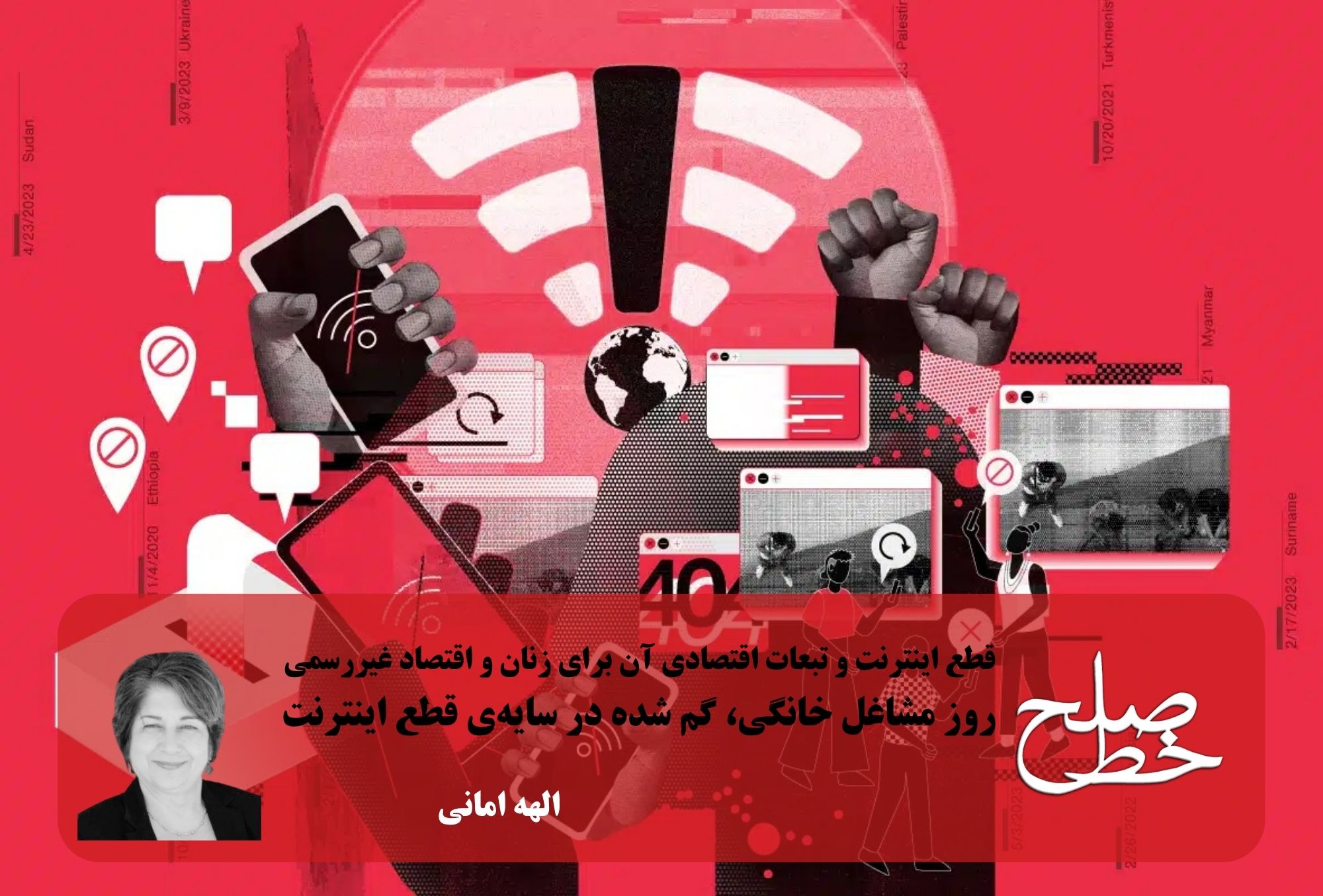
Internet Shutdowns and Their Economic Consequences for Women and the Informal Economy/ Elaheh Amani
This article is not about the catastrophic depth of war as an absolute evil; it is not about the innocent children who lost their lives and never returned home; it is not about the civilians in Iran and other countries of the region who were killed; it is not about the historical heritage destroyed and […]...
Read More Created By:
Elahe Amani
Created By:
Elahe Amani April 21, 2026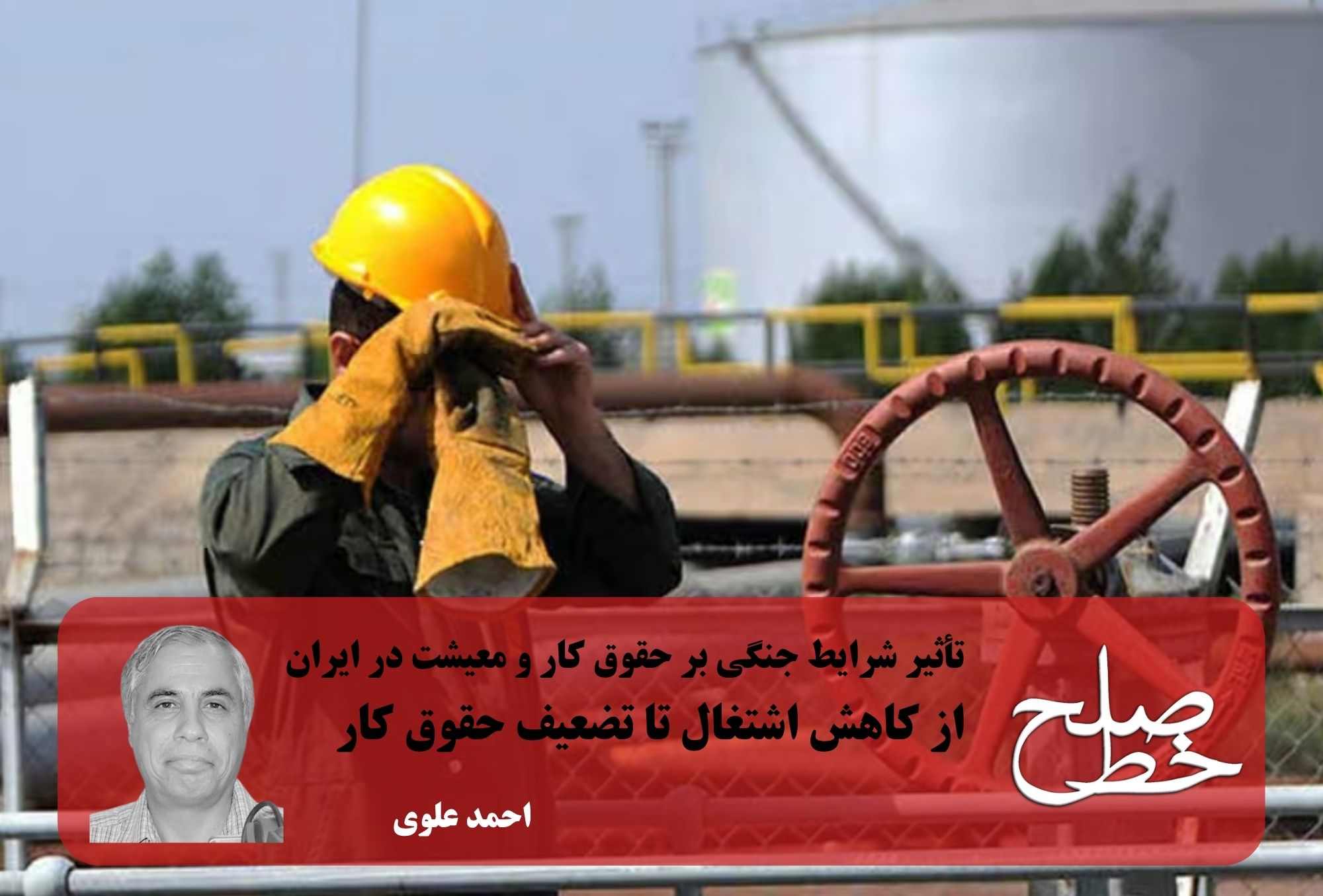
The Impact of Wartime Conditions on Labor Rights and Livelihoods in Iran/ Ahmad Alavi
Wars in the modern economy are no longer merely military events; rather, they are multidimensional phenomena that simultaneously affect economic, social, and institutional structures. In the case of present-day Iran, in the year 2026 (1405), this characteristic is clearly observable, where the economy had already been facing chronic imbalances and war has acted as an […]...
Read More
Created By:
Ahmad Alavi April 21, 2026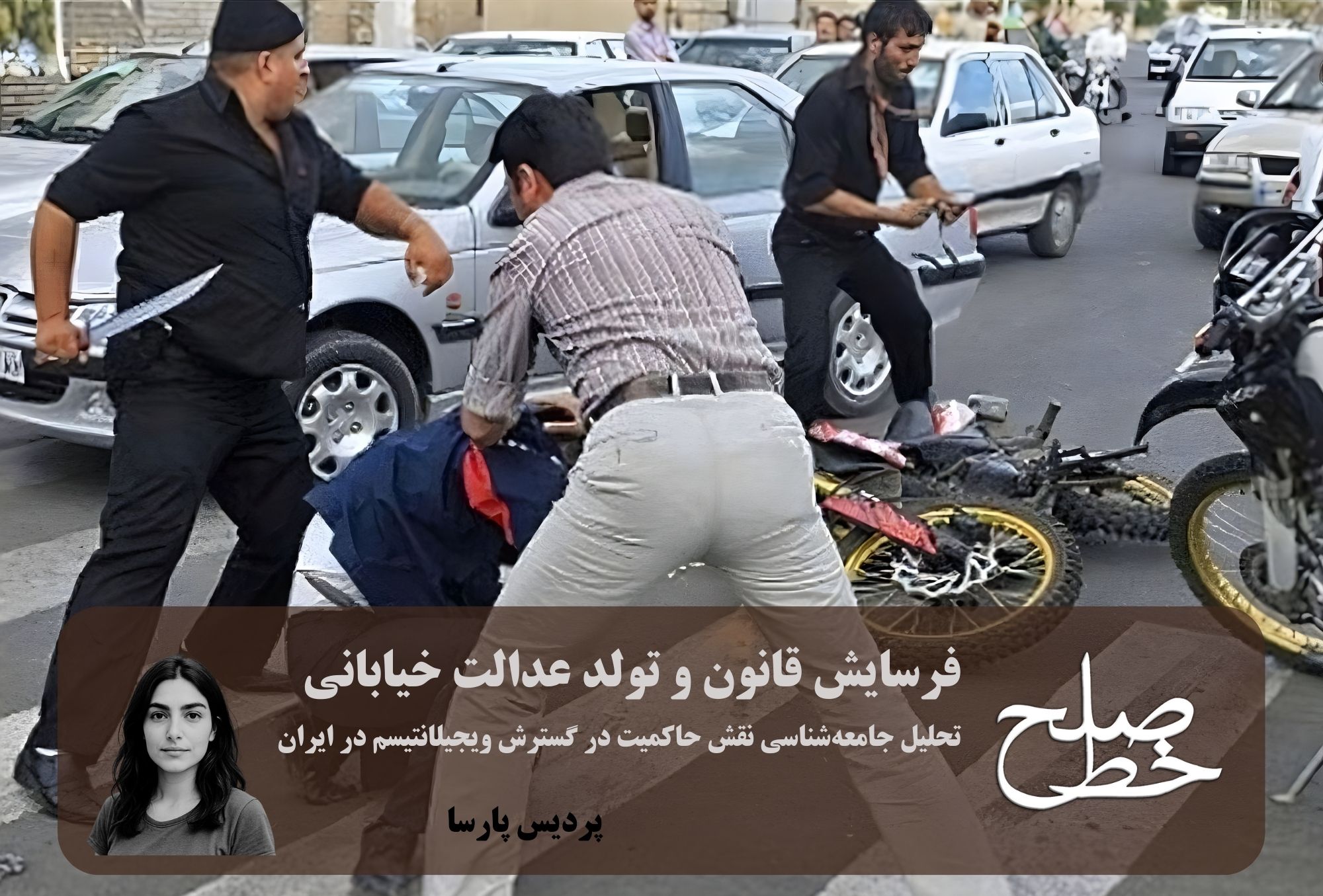
The erosion of law and the birth of street justice/Pardis Parsa
In the turbulent transition of the fifth decade after the 1979 revolution, Iran is facing a fundamental challenge in the field of public order and security that can be called the “erosion of the authority of the law.” The increasing statistics of street fights and personal conflicts in recent years only reveal the tip of […]...
Read More
Created By:
Pardis Parsa December 22, 2025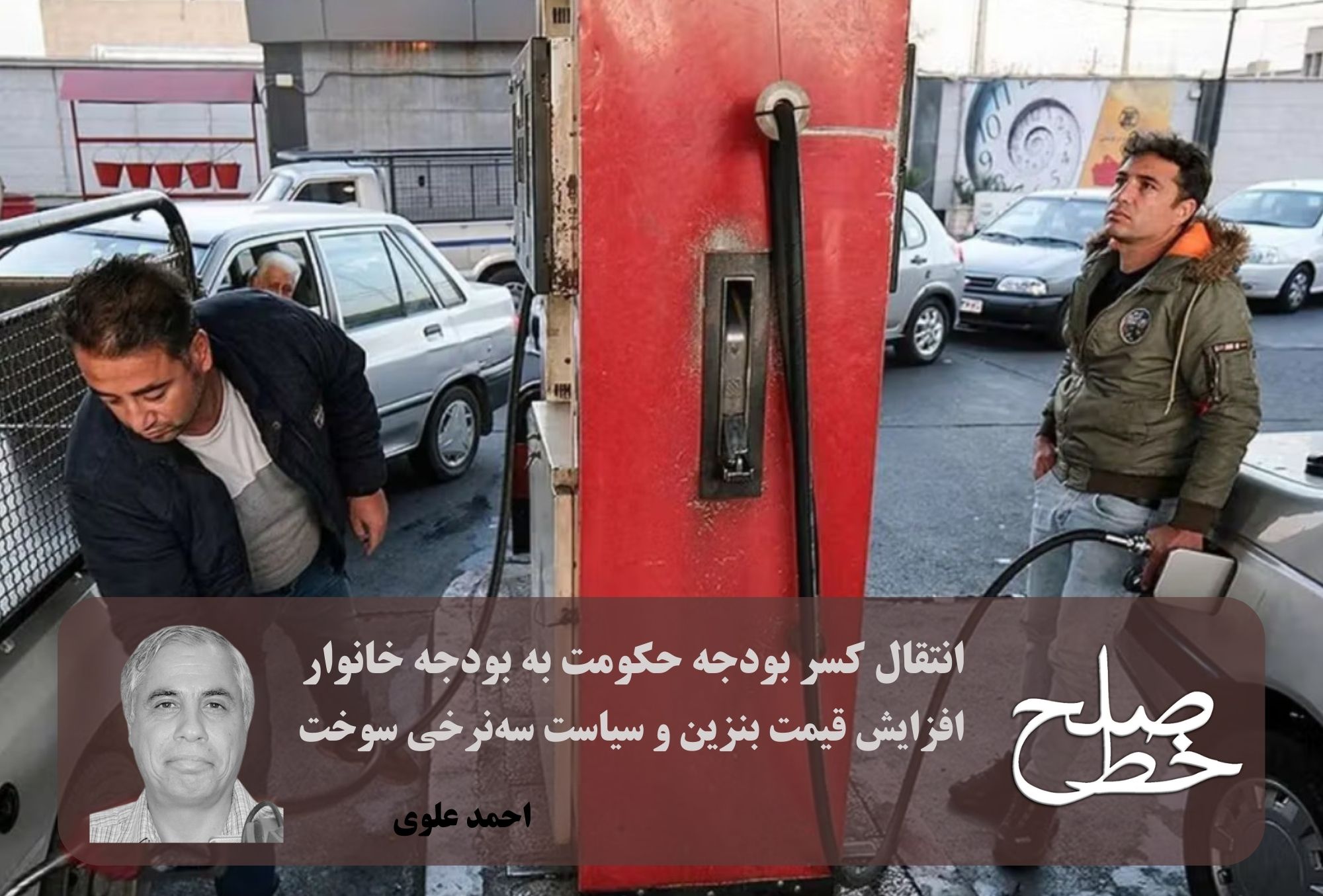
Transferring the government budget deficit to the household budget/Ahmad Alavi
Recent developments in Iran’s energy policy, particularly the triple-price gasoline pricing and price increases, have once again brought the long-standing issue of the relationship between pricing policies, governance structure, and household economics into the spotlight. The government promotes this policy with ostensibly economic goals, including controlling consumption, targeting subsidies, and reducing pressure on the public […]...
Read More
Created By:
Ahmad Alavi December 22, 2025
Ardeshir Garavand: The government is the greatest destroyer in the field of social organization/Ali Kalai
In Iran today, inequality is no longer limited to the gap in income or lifestyle, but rather this inequality and class differences have taken on new dimensions and found new practices. The question is: how have these gaps formed and in what direction are they taking Iranian society? Are we still faced with traditional patterns […]...
Read More
Created By:
Ali Kalaei November 22, 2025
Deepening Class Divides Through Inequality in Affordability and Access/ Amin Ghazaei
The deepening of class divisions is structurally rooted in the cycle of production within the capitalist system. Since the minimum wage of the working class is always determined by the minimum required to reproduce labor power, while on the other hand, the wealth of capitalists accumulates through cycles of investment and production, class disparity continuously […]...
Read More
Created By:
Amin Ghazaie November 22, 2025
From Bread to Justice/ Mina Javani
Food insecurity in Iran is no longer merely a subsistence issue; it is a symptom of deeper fractures in the country’s economic, environmental, and institutional structures. In a world where food production has never been so technologically widespread, the persistence of hunger and malnutrition across societies points above all to inequality in resource distribution and […]...
Read More
Created By:
Mina Javani November 22, 2025
Hassan Sadeghi: The Government Is Social Security’s Biggest Debtor/ Pedram Tahassoni
In recent years, as the shadow of crisis has grown heavier over the country’s pension systems, conversations with those who have spent their lives working in this field have become all the more vital. The social security system, as one of the main pillars of social justice and economic sustainability, reflects—both in Iran and elsewhere—the […]...
Read More
Created By:
Padram Tahsini October 23, 2025
Mehdi Pazouki: The Business Operations of Pension Funds Are the Greatest Managerial Mistake/ Ali Kalaei
While signs of bankruptcy among Iran’s pension funds are appearing one after another, and their financial burden increasingly weighs on the national budget each year, the need to discuss the causes and consequences of this situation is more urgent than ever. Peace Mark Monthly Magazine, in this regard, conducted a candid interview with Dr. Mehdi […]...
Read More
Created By:
Ali Kalaei October 23, 2025
The Bankruptcy of Pension Funds and Wage Arrears/ Sina Yousefi
In recent decades, the country’s pension funds—especially the Civil Servants Pension Fund, the Social Security Organization, and the Armed Forces Pension Fund—have faced a deep structural crisis. This crisis stems from chronic imbalance between resources and expenditures, unprofessional policymaking, and weak corporate governance in managing these institutions. The share of public budget contributions to cover […]...
Read More
Created By:
Sina Yousefi October 23, 2025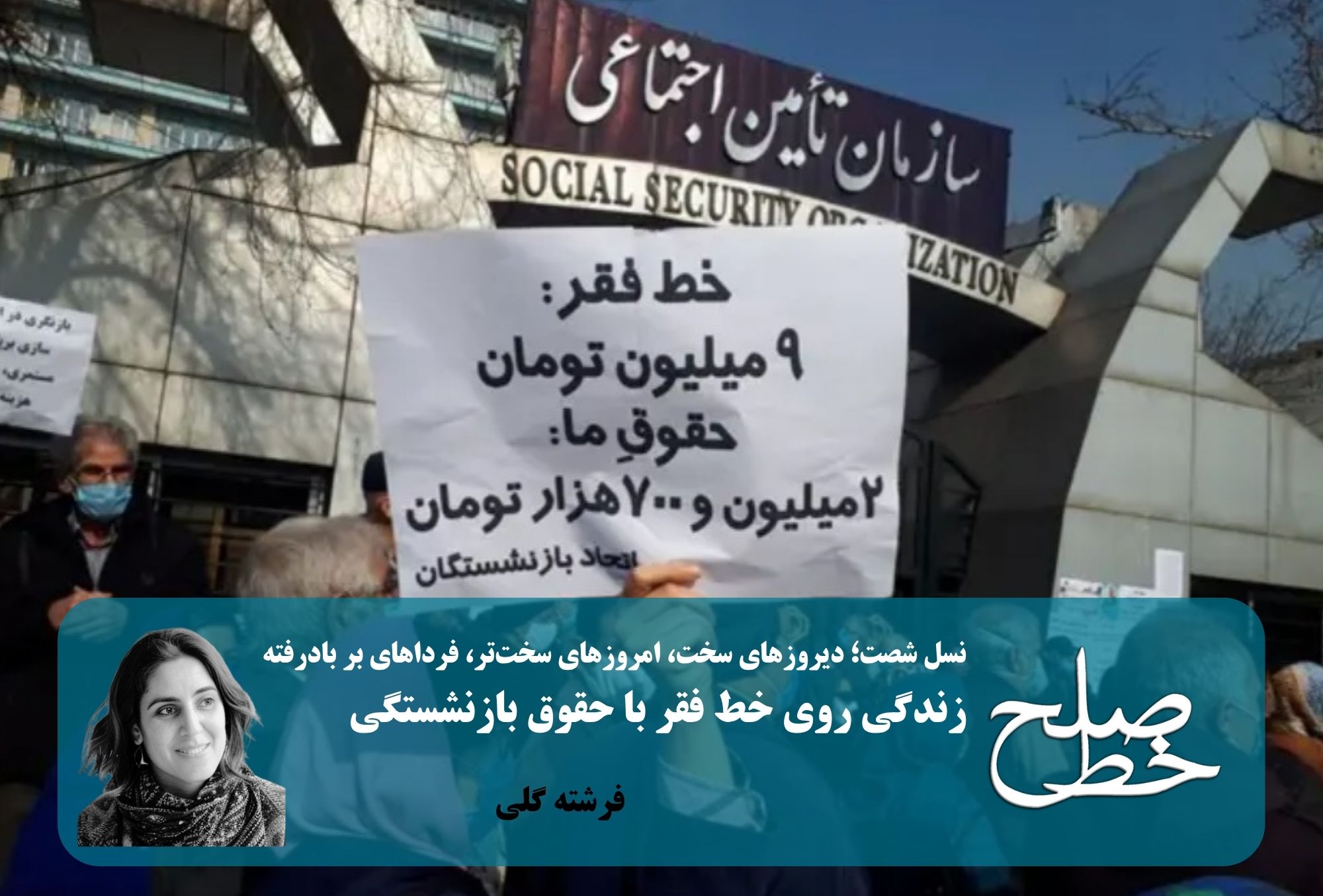
Generation of the 1980s: Hard Yesterdays, Harder Todays, Vanished Tomorrows/ Fereshteh Goli
In Iran, pension funds are financial-social institutions established to provide for individuals during old age and retirement. Their mechanisms rely on collecting insurance premiums from the workforce (employees and employers) and investing these funds, so that monthly pensions and other legal benefits can be paid to retirees. In essence, these institutions operate based on an […]...
Read More
Created By:
Fereshteh Goli October 23, 2025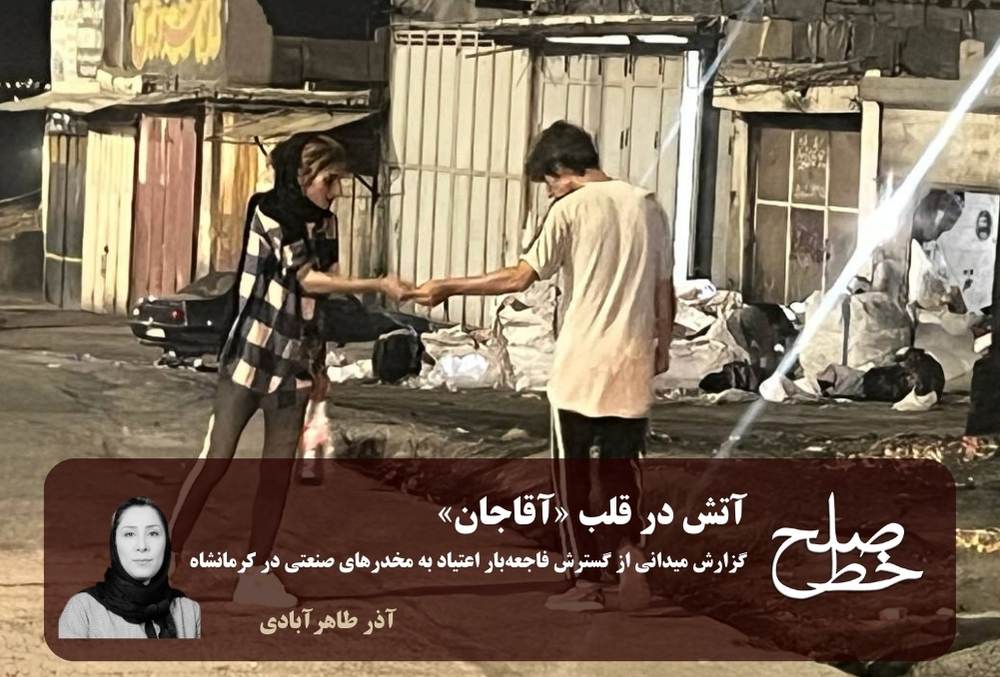
Fire in the heart of “Aghajan” / Azar Taherabad
The hot summer morning air in “Aghajan” is bitter; the smell of burning smoke, city sewage left in the streets, and the strong scent of mixed substances. The approximate distance from this neighborhood to the heart of the city is about ten minutes. From the moment I step into the neighborhood, I realize that this […]...
Read More
Created By:
Azar Taherabad August 23, 2025
