


Border
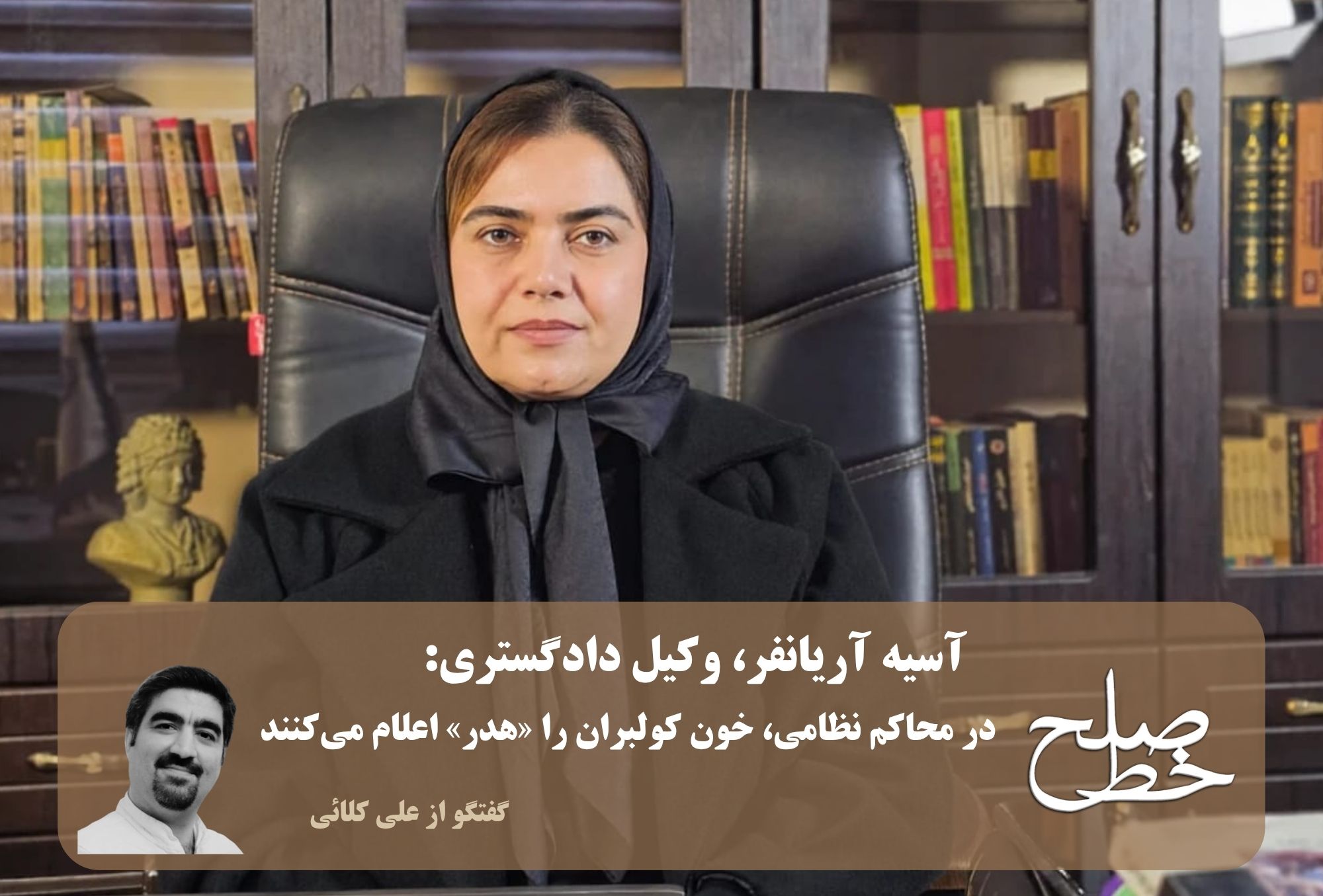
Asia Arianfar: In military courts, the blood of kolbars is declared “wasted” / Ali Kalai
The shooting of Kolbars in the western border regions of Iran has raised serious questions about the right to life, the limits of the powers of armed officers, and the right of victims to seek justice for years. Although the Law on the Organization of Border Trade has set a framework for some of the […]...
Read more By:
Ali Kalaei
 October 23, 2026
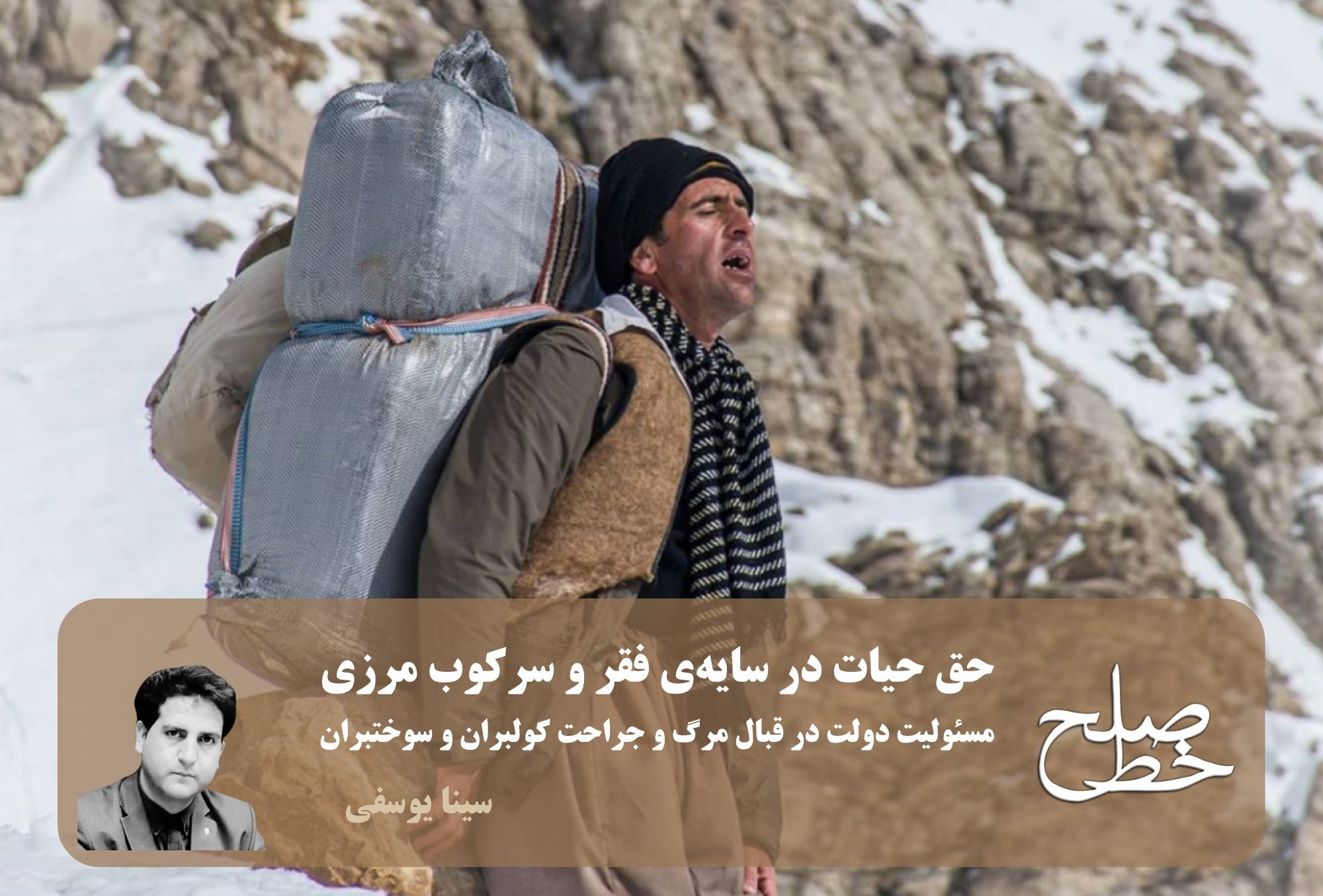
The Right to Life in the Shadow of Poverty and Border Repression/Sina Yousefi
Kolbari in Kurdish areas, fuel carriers in Balochistan and other forms of informal and risky employment in other border areas, including Azerbaijan, are part of the economic reality of regions that have faced structural poverty, a lack of sustainable job opportunities and deprivation of development opportunities for years. In these regions, a significant part of […]...
Read more
By:
Sina Yousefi October 23, 2026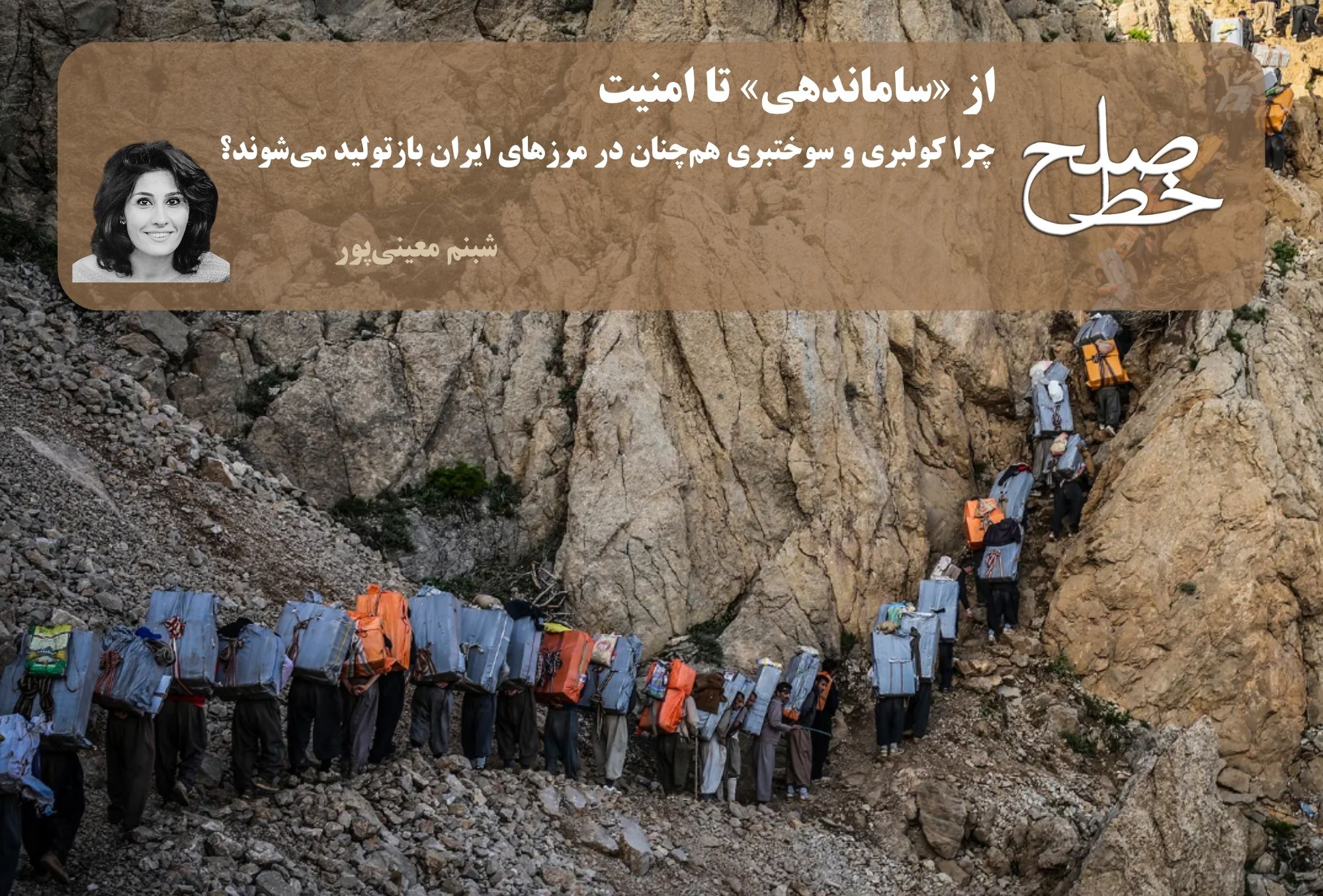
From “Organization” to Security; Why Do Kolbari and Fuel Carriers Continue to Reproduce on Iran’s Borders? / Shabnam Moeinipour
The passage of the “Law on the Organization and Supervision of Border Trade (Kolbari and Sailors) and the Creation of Sustainable Employment for Border Residents” in 1402 can be seen as a kind of official acceptance by the Islamic Republic that the Kolbari issue cannot be viewed solely in the context of smuggling or border […]...
Read more
By:
Shabnam Moinipour October 23, 2026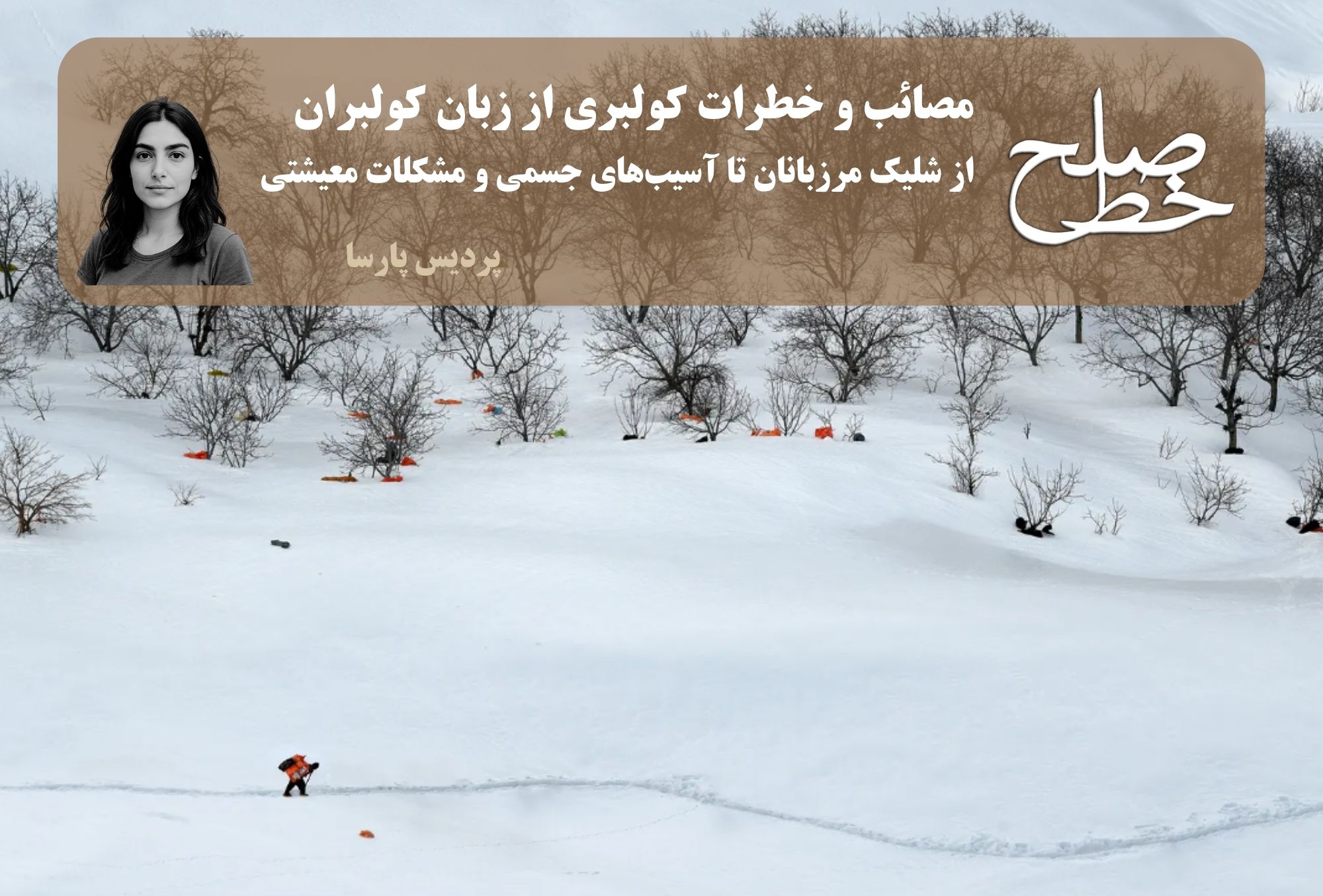
The hardships and dangers of kolbari, as told by kolbaris/Pardis Parsa
The phenomenon of kolbari has become one of the most painful manifestations of the informal economy in the western and northwestern borders of Iran in recent decades. Kolbari is mainly prevalent in the provinces of West Azerbaijan, Kurdistan, Kermanshah and Ilam. Field estimates show that about 70 thousand people are kolbari in the provinces of […]...
Read more
By:
Pardis Parsa October 23, 2026
