


Mahsa Movement

A Look at the Path of the Iranian Student Movement from 1378 to 1401 / Ali Taghipour
The Iranian student movement has played a central role in the social, political, and cultural transformations of the country from the late 1970s to 2022. After the suppression of leftist, nationalist, and religious forces in the early years of the revolution, the student movement emerged as a critical and independent force. Universities became a platform […]...
Read more By:
Ali Taghipour
 September 22, 2024

How the “Women’s Freedom Movement” made it impossible to go back; a conversation with Azar Tashakkor / Pedram Tahsini
Azar Tashakor is a sociologist and an active researcher who is concerned with social changes. She has carried out various research and facilitation projects throughout Iran, mostly in the areas of cities and women. In addition to observing, writing, and presenting sociological analyses, Azar Tashakor is also a life coach. She explains that coaching is […]...
Read more
By:
Padram Tahsini August 22, 2024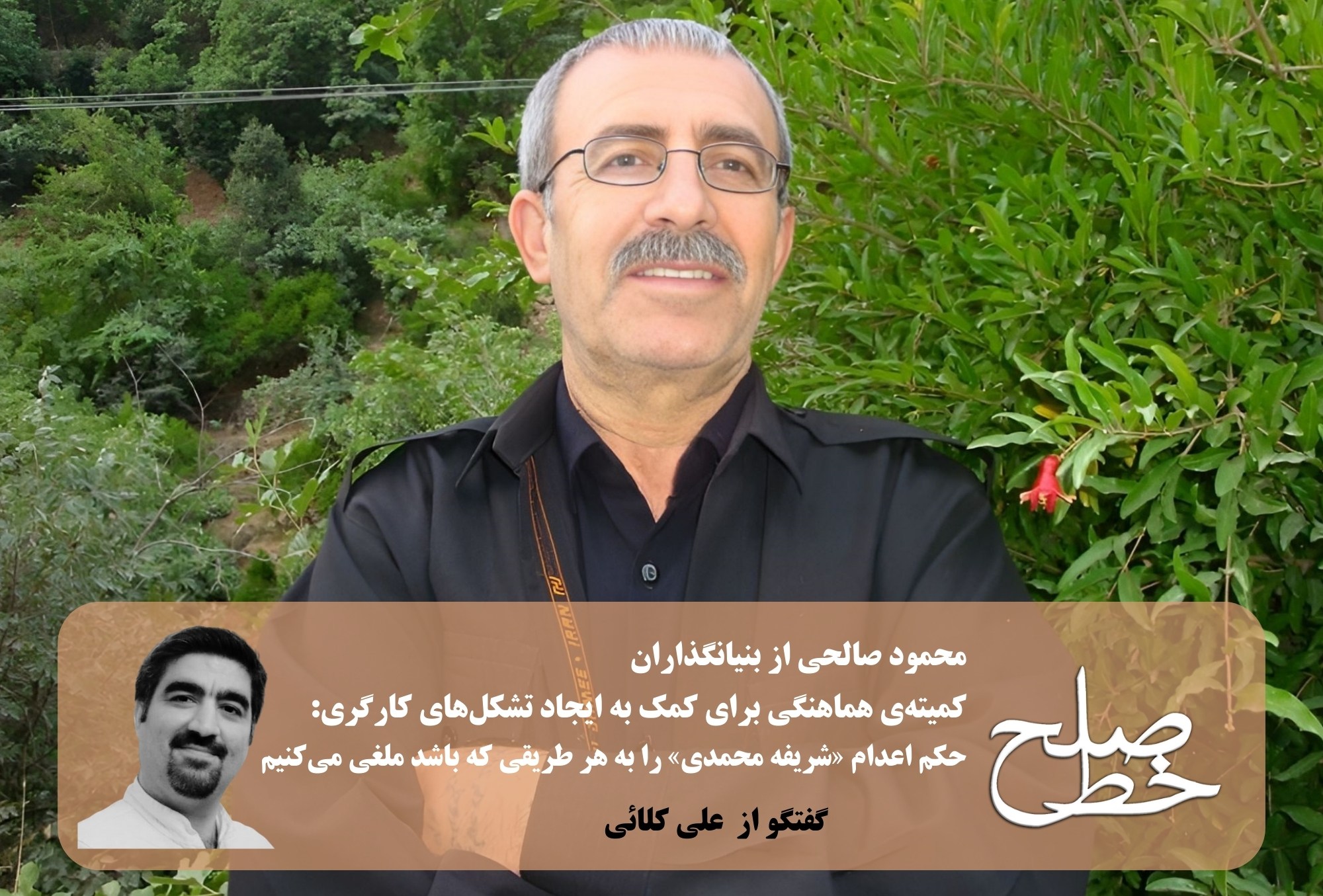
Mahmoud Salehi: We will cancel the execution sentence of “Sharifeh Mohammadi” in any way possible / Ali Kalaei
On the eve of the second anniversary of the nationwide protests in 1401 and the Mehssa movement, the death sentences issued against women in the courts of the Islamic Republic surprised everyone. Sharifeh Mohammadi, a labor activist, is one of the women who has been sentenced to death on charges of “rebellion”. Mrs. Mohammadi is […]...
Read more
By:
Ali Kalaei August 22, 2024Mahmoud Salehi: We will cancel the execution sentence of “Sharifeh Mohammadi” in any way possible / Ali Kalaii
On the eve of the second anniversary of the nationwide protests in 1401 and the Mehssa movement, the death sentences issued against women in the courts of the Islamic Republic caught everyone by surprise. “Sharifeh Mohammadi”, a labor activist, is one of the women who has been sentenced to death on charges of “rebellion”. Mrs. […]...
Read more
By:
Ali Kalaei August 22, 2024How the “Women’s Liberation Movement” made it impossible to go back; a conversation with Azar Tashakkor / Pedram Tahsini
Azar Tashakor is a sociologist and an active activist researcher who is concerned with social changes. She has carried out various research and facilitation projects throughout Iran, mostly in the areas of cities and women. In addition to observing, writing, and presenting sociological analyses, Azar Tashakor is also a life coach. She explains that coaching […]...
Read more
By:
Padram Tahsini August 22, 2024
Two years after the “Mehsa” movement; Is the Islamic Republic seeking revenge against women? / Sina Yousefi
One of the most significant social and political developments in recent years in Iran is the “Woman, Life, Freedom” movement, also known as the “Mahsa” movement. It began in late summer 2022, coinciding with the death of Mahsa Amini at the hands of the Iranian police (morality police), and has continued in various forms since […]...
Read more
By:
Sina Yousefi August 22, 2024
“Jenbesh-e Mahsa, Iranian Civil Resistance and the Role of Women / Majid Shia’ali”
The contemporary history of our country is filled with violent protests and nonviolent resistance for changing the political power structure; so much so that it could be considered the first civil resistance of the 20th century by Iranians. This is because the Constitutional Revolution of Iran in 1905-1906 is listed as the first nonviolent revolutionary […]...
Read more
By:
Majid Shia’ali August 22, 2024
“Underground Theater”, Selection of Independent Artists / Dina Ghalehbaaf
“In Sync with the People”, “Anti-Dictatorship”, “Independent”, and “Strong” are titles used to describe the “Free Art” movement in Iran. The Free Art movement, which became more radical and widespread after the killing of Mahsa (Zhina) Amini, showed that the artistic community in Iran is aligned and in harmony with the ideals of the “Women’s […]...
Read more
By:
Dina Ghalibaf August 22, 2024 By:
Admin August 22, 2024

Is the Islamic Republic a symbol of hijab or is hijab a symbol of the Islamic Republic? / Hassan Farshchian
One of the characteristics of humans is the ability to think abstractly and use symbolism. Humans encode and mark their thoughts into a framework of verbal, visual, and auditory symbols and use these symbols and signs to convey their intended concepts. A “symbol” or “icon” within the framework of an object or image, and sometimes […]...
Read more
By:
Hasan Fereshtian May 21, 2024
