


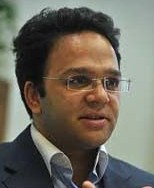
“Manifested spirit, manifestation of different perspectives on the concept of citizenship.”

The most important and sensitive part of citizenship rights is political rights, which the Charter of Citizenship has remained silent about. If such silence is intentional, which is likely the case, it indicates deep disagreements about political rights such as freedom of expression, freedom of religion, free and fair elections, unlawful arrests and detention centers, secret trials, gender equality, the right to peaceful assembly and protest, the right to form unions and strike, granting Iranian citizenship, the right to use unofficial languages, the rights of sexual minorities, and others within the government.
Of course, in comparison to other countries, this situation is not particularly unique or strange, as even two-party liberals in the West until recently considered civil rights (freedom and property) as the main component of citizenship and believed that the market and its mechanisms regulate these rights. In America, before the civil rights movements of the 1970s, there were even instances of African Americans being set on fire in some cities. Giving women the right to vote also became a reality in the 1960s in many democratic countries. Three years ago, Turkey recognized the right to strike for workers. This means that in very few countries in the world have citizenship rights, especially political rights, been given to citizens simply by providing them with a document. What has guaranteed citizenship rights has been social and political struggles or the consensus of elites. These provide the necessary political foundation for guaranteeing citizenship rights. The presentation of a charter of citizenship at this stage cannot be analyzed without considering the developments of the past few
The fifteen issues that, in my opinion, this charter intentionally remains silent about, are indicative of the deep disagreement between the two dominant discourses of interaction-oriented and resistance-oriented in many issues, including political-citizenship rights. Therefore, the section on social-cultural, economic (civil), and judicial rights in this charter is much more neglected than citizenship rights. The more severe the disagreements, the more silence there has been. For example, regarding the rights of minorities, the charter only briefly mentions two vague clauses, but it goes into detail about social-cultural (welfare) rights. Resolving these disagreements among the ruling elites in the foreseeable future depends on events, not processes, but the active involvement of civil society in this matter and raising public awareness can balance the discourse in favor of those who advocate for change and transition to positive democracy.
The analysis of the content of the Citizenship Charter shows that this charter contains three categories or types of elements from the perspective of civic discussions.
1- The elements of pre-modern or hegemonic discourse of Shia Islam, which include strengthening the foundations of family, the right to appropriate clothing, limiting freedom of expression to avoid conflict with the principles of Islam, the official religion, and creating specialized cultural centers for women. The audience of this group are traditional religious classes who, from a religious-cultural perspective – not necessarily political – oppose citizenship rights. Part of the government, clergy, and traditional classes of society have more or less this approach to the issue of citizenship, defining it under the religion of Islam (Shia). It is important to mention this part because it strives to take a realistic look at the existing social-political package and advance the Iranian experience of modernity.
2- Modern elements of citizenship, which gradually emerged with the rise of Westphalian nation-states, especially after the French Revolution, include concepts such as public interest, national unity, self-determination, national language, national security, welfare state, personal or private sphere, freedom of expression, judicial justice, and state centrism. Here, the source of granting and determining citizenship rights is the social contract between the state-nation and the will of the people. These elements are also mentioned in the published Charter of Citizenship Rights. If the problem with the first category of elements is the emphasis on obligations, the problems of defining citizenship within the framework of the modern state-nation include the superiority of rights over responsibilities and obligations of citizens, defining citizenship based on nationality, culture, and ethnicity, emphasis on individual independence instead of mutual dependence, exclusion of specific religious, ethnic, or linguistic identity groups, suppression of diversity for the sake of unity and cohesion, and some other issues.
3- Post-liberal or new citizenship elements that have been raised in the context of defining citizenship within the framework of modern nation-state. Elements such as the right to sustainable development and environment, the right to good governance, citizen participation, economic transparency and government decision-making, equal opportunities for citizens, the right to happiness, the right to a satisfactory marriage and the right to a dignified life. These elements have been raised in response to the challenges posed by defining citizenship based on a specific cultural, ethnic, linguistic or religious identity.
The summary is that the Charter of Citizenship has brought together elements of Islam, modernity, and post-liberalism without offering a solution to their conflicts. The silence of the Charter on this issue shows that the differences are so deep that even the President is hesitant to use the phrase “equality of all citizens regardless of religion” for fear of providing ammunition for the media empire to create a marketing campaign for the resistance discourse. In the new approach, attention to the concept of citizenship and the participation of citizens as a commitment and responsibility to realize citizenship rights is essential. Fortunately, today among political forces and activists, this initial consensus has been formed that the mistake of the reform period of handing over everything to the government by civil society cannot be repeated. Only leaving the government as the only supporter of interaction and change in the field of struggle against hardline, fanatical, and powerful supporters of the resistance approach will eventually lead to government retreats due to coercion. In defining the political society of the government (
Civil society activists and officials must accept the undeniable fact that Iranian society has always been diverse and varied. In the past, the Iranian empire or the Safavid dynasty had a framework, albeit authoritarian, for dealing with the issue of diversity. However, with the onset of modern times, efforts were made to solve this problem by imposing a specific secular or religious identity, which has not been successful so far. The Charter of Citizens’ Rights is a confirmation of the fact that we are still faced with the problem of a common identity that is accepted by the majority of society. Political citizenship (beyond religious, ethnic, linguistic, secular, gender, and urban identities) is one of the solutions that can put an end to the problem of our recent century, and defining and legitimizing this identity will not be possible without active participation of civil society.
Explanation: This article is presented by the author during a lecture on the examination of the Bill of Rights in section 350 of Evin prison.
 Admin
Admin February 21, 2014