


Women Rights
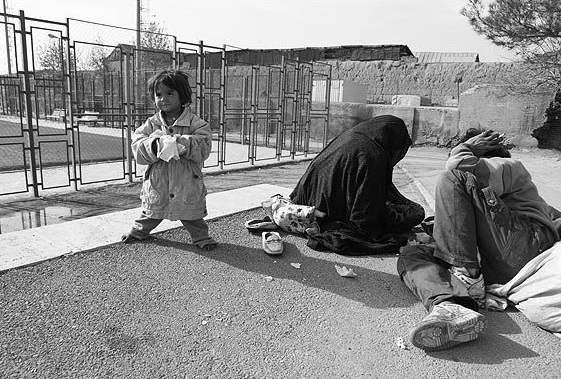
Human Rights and Gender Notes on Homelessness / Elahe Amani
This is a caption This is a caption Goddess Amani Homelessness is a bitter reality of today’s world that exists in all countries, despite their level of economic progress. Leilani Farha, the United Nations Special Rapporteur on the right to adequate housing, expressed her serious concerns to the Human Rights Council in Geneva on March […]...
Read More Created By: Elahe Amani
 December 26, 2016
 Created By: Ali Kalaei November 26, 2016
Created By: Admin November 26, 2016
Created By: Admin November 26, 2016
Created By: Mohammad Mohebi November 26, 2016
Created By: Admin November 26, 2016
Created By: Elahe Amani November 26, 2016
Created By: Ali Kalaei November 26, 2016
Created By: Admin November 26, 2016
Created By: Admin November 26, 2016
Created By: Mohammad Mohebi November 26, 2016
Created By: Admin November 26, 2016
Created By: Elahe Amani November 26, 2016
Parvin Ardalan: The movement of two female chess players against the involuntary conformity of women under the title of culture / Amir Hossein Zoulghadri
Amirhossein Zolghadri Parvin Ardalan, born in 1345, graduated in the field of Social Communications at the Bachelor’s level and Women’s Studies at the Master’s level from Allameh Tabataba’i University in Tehran. She is a journalist and well-known activist for women’s rights, and is one of the founders of the “Women’s Cultural Center” and a member […]...
Read More
Created By: Admin October 25, 2016
Soulmaz Sharif: The view of officials towards women’s sports is from top to bottom / Simin Rouzgar.
Simin Rouzgar Solmaz Sharif, who has years of experience as a sports journalist in Iranian media, launched the weekly magazine “Shirzan” in 2007 after immigrating to the United States. This was the first independent media outlet dedicated to women’s sports, with the aim of filling the gap in coverage of this field in national […]...
Read More Created By: Simin Rouzgard October 25, 2016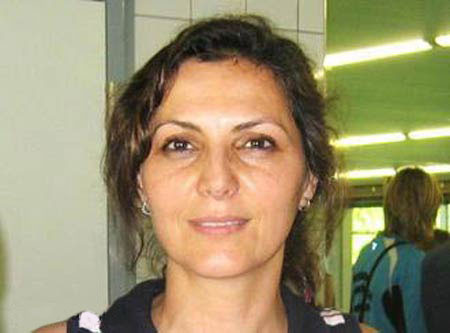
Tonia Vali Oghli: Female athletes are being used for advertising / Siavash Khoramgah
Tonia Vali Oghli has been a member of the Iranian national swimming team since the age of 12 and holds records in the 200-meter and 100-meter backstroke, as well as the 400-meter individual medley in the 7th Asian Games held in Tehran in 1974. She has a history of participating in multiple world competitions and […]...
Read More
Created By: Siavash Khoramgah October 25, 2016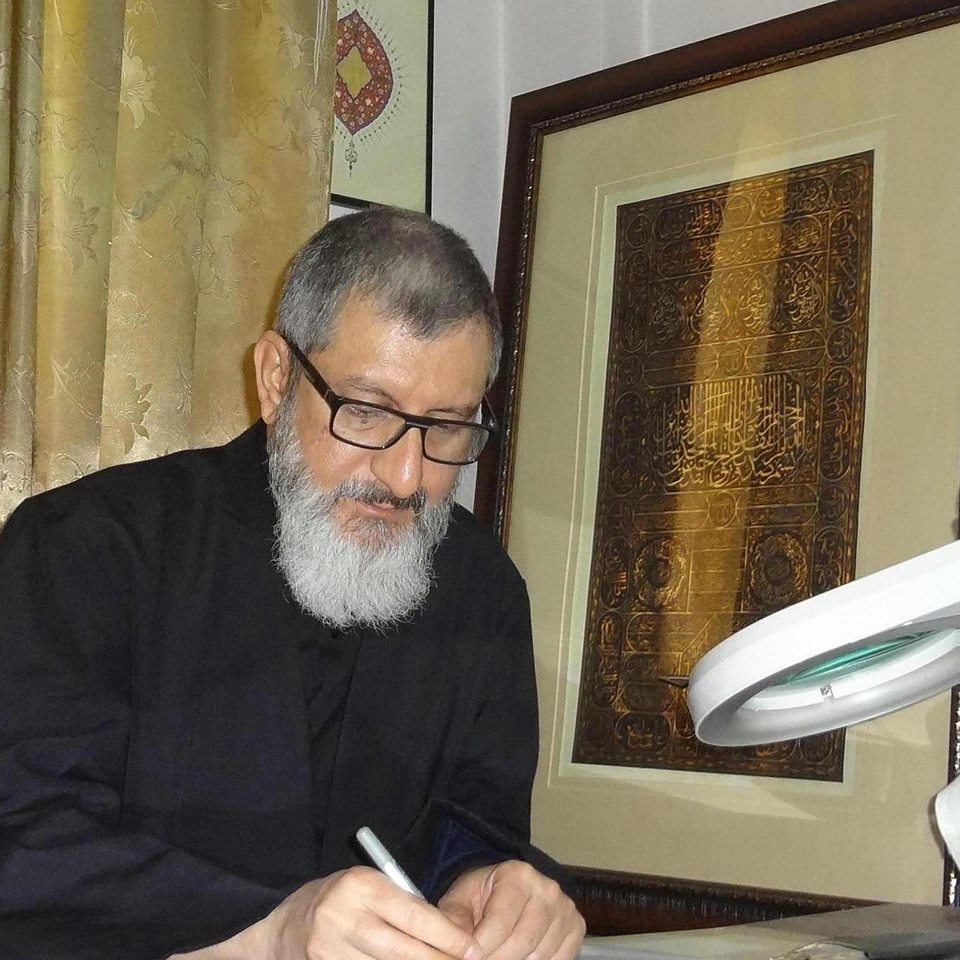
Ayatollah Abdulhamid Masoumi Tehrani: If we have a constitution, fatwas have no meaning / Morteza Hamounian
Ayatollah Abdolhamid Masoumi Tehrani, a well-known cleric, resides in Tehran. In the past three decades, due to his activities and unique religious views, he has experienced imprisonment, torture, and security confrontations in the Islamic Republic. He has always strived to emphasize coexistence among religions and denominations in all parts of the world. This calligrapher, painter, […]...
Read More
Created By: Admin October 25, 2016
Notes on Human and Gender Rights in Combating Drugs / Elaheh Amani
The text is not provided. Please provide the Farsi text so I can translate it to English. Thank you. Goddess Amani More than 55 years have passed since the declaration of the “War on Drugs” in the world. The year 1961 was when the first special convention of the United Nations on drugs was held. […]...
Read More
Created By: Elahe Amani September 25, 2016
