


Latest Posts

A Review of the Film “Leila’s Brothers” by Keyumars Amirian
The film “Leila’s Brothers” takes a fresh and sociological look at the visible and hidden layers of incorrect social and cultural relationships in Iranian society; a society that, according to the film’s screenwriter, is synonymous with being a victim, being trapped in ignorance and backwardness, and continuing to be unaware. In this film, Mr. Rural, […]...
Read More Created By:
Kiomars Amiri
Created By:
Kiomars Amiri April 21, 2023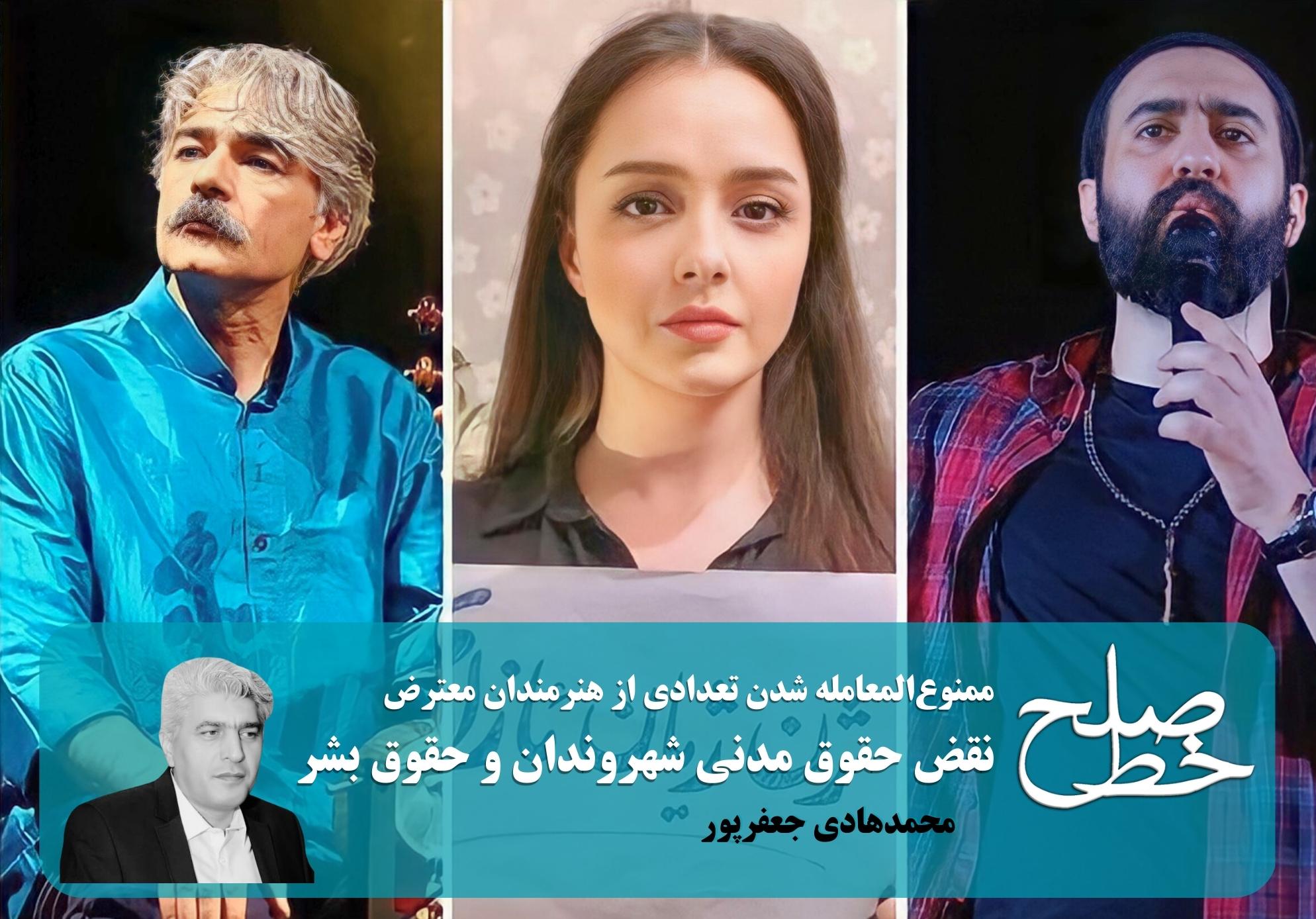
Violation of citizens’ civil rights and human rights / Mohammad Hadi Jafarpour
Some protesting artists have been banned from engaging in transactions. Violation of civil rights and human rights. In a world where social scientists, including philosophers and jurists, are striving to define a comprehensive global concept of human rights based on humanistic theories and analyses, and thinkers like Hannah Arendt and her colleagues are working towards […]...
Read MoreCreated By:
Mohammad Hadi Jafarpour April 21, 2023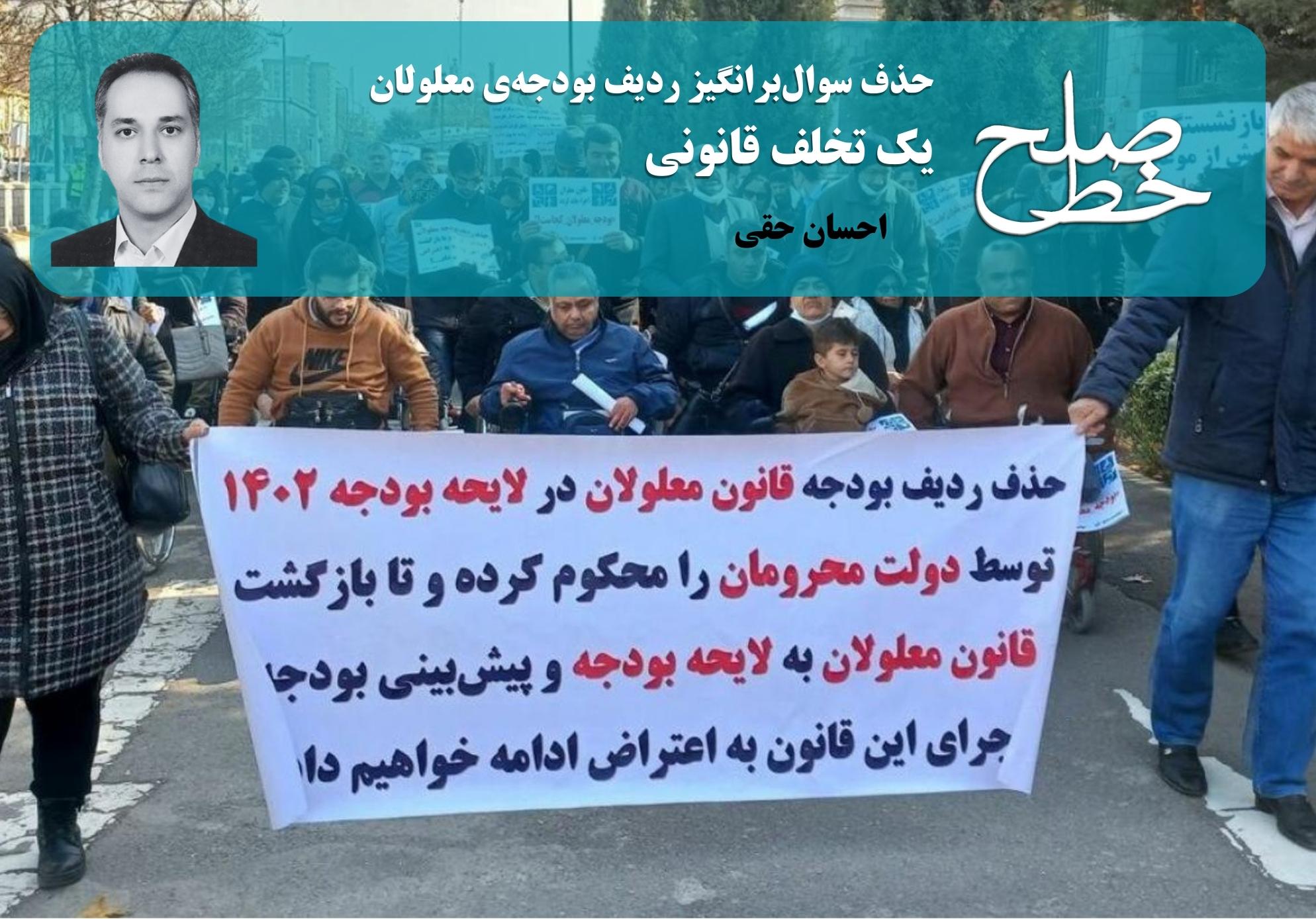
One legal violation: Removal of the thought-provoking question from the budget line for the disabled / Ehsan Haghani
One of the most important and fundamental criteria for ensuring equal enjoyment of social rights and opportunities and eliminating discrimination is special and increased support for individuals who are deprived of certain physical and mental abilities. This disability makes it difficult, and in some cases impossible, for these individuals to have equal access to social […]...
Read MoreCreated By:
Ehsan Haghi April 21, 2023
Digital Empowerment and Women’s Rights / Elaheh Amani
A report on the sixty-seventh session of the United Nations Commission on the Status of Women. The United Nations Commission on the Status of Women (UNCSW) held its sixty-seventh session at the UN headquarters from March 6th to 17th (1). The main focus of this session was innovation and technological advancements and their impact on […]...
Read MoreCreated By:
Elahe Amani April 21, 2023
Iran ranks 101st among the happiest countries in the world / Pouyan is happy.
The ideology of government is in contradiction with happiness. Annual list of the happiest countries in the world based on survey results. Galup Institute Once again, it was announced and for the consecutive year, the people of Finland were named the happiest people in the world. A look at the top 10 happiest countries in […]...
Read MoreCreated By:
Pooyan Khoshhal April 21, 2023
The struggle for survival revolves around the wage line / Amir Aghaei.
A look at the minimum wage of workers in 1402. Every year at the end of the budget season, the discussion of increasing wages for the next year becomes a concern that occupies the minds of both workers and employers. This concern is especially serious and important in recent years, when inflation rates have been […]...
Read MoreCreated By:
Amir Aghayi April 21, 2023
The right to the city and the ideological production in Shiraz / Marzieh Mahbobi
There are two ways to organize social space. The first method follows a predetermined goal. This approach is authoritarian, rational, and reductionist. It is carried out by those who are responsible for understanding and producing organization. The second method of creating social space is a living process that only benefits the main centers of activity […]...
Read MoreCreated By:
Marziye Mohebbi March 21, 2023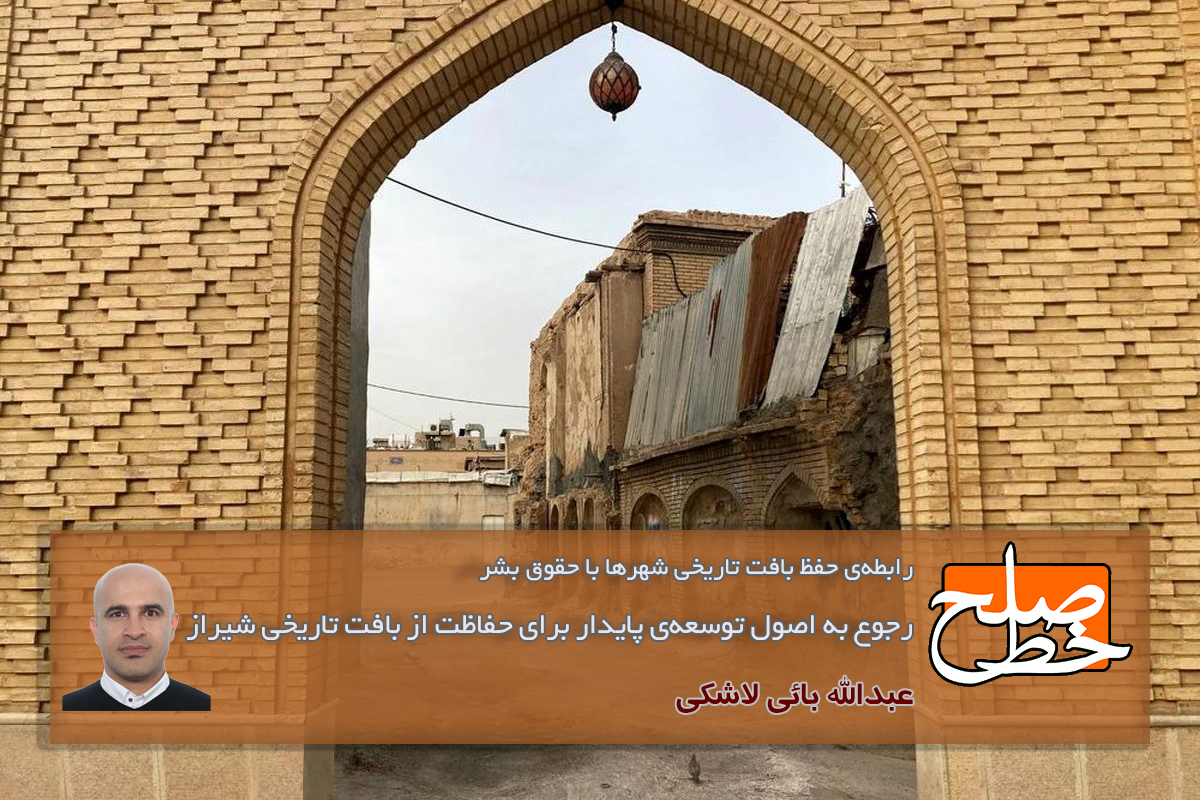
Returning to the principles of sustainable development for the preservation of the historical fabric of Shiraz / Abdullah Bai Lashki
The issues of urban heritage are closely related to human, social, and cultural rights, although this relationship is often overlooked in urban conservation laws and even heritage laws. International human rights law refers to cultural issues as fundamental in a more concrete way than just symbolic. The Universal Declaration of Human Rights by the United […]...
Read MoreCreated By:
Abdullah Bai Lashaki March 21, 2023
The Right to Cultural Heritage: Protecting Historical Sites in Shiraz / Abolfazl Alizadeh
At first, it is necessary to have a general overview of concepts such as: what is history, what are historical monuments, the importance of preservation and how to protect them, and the responsibilities of the Ministry of Cultural Heritage. In addition, if time permits, crimes against cultural heritage should also be mentioned. The word history […]...
Read MoreCreated By:
Abolfazl Alizadeh March 21, 2023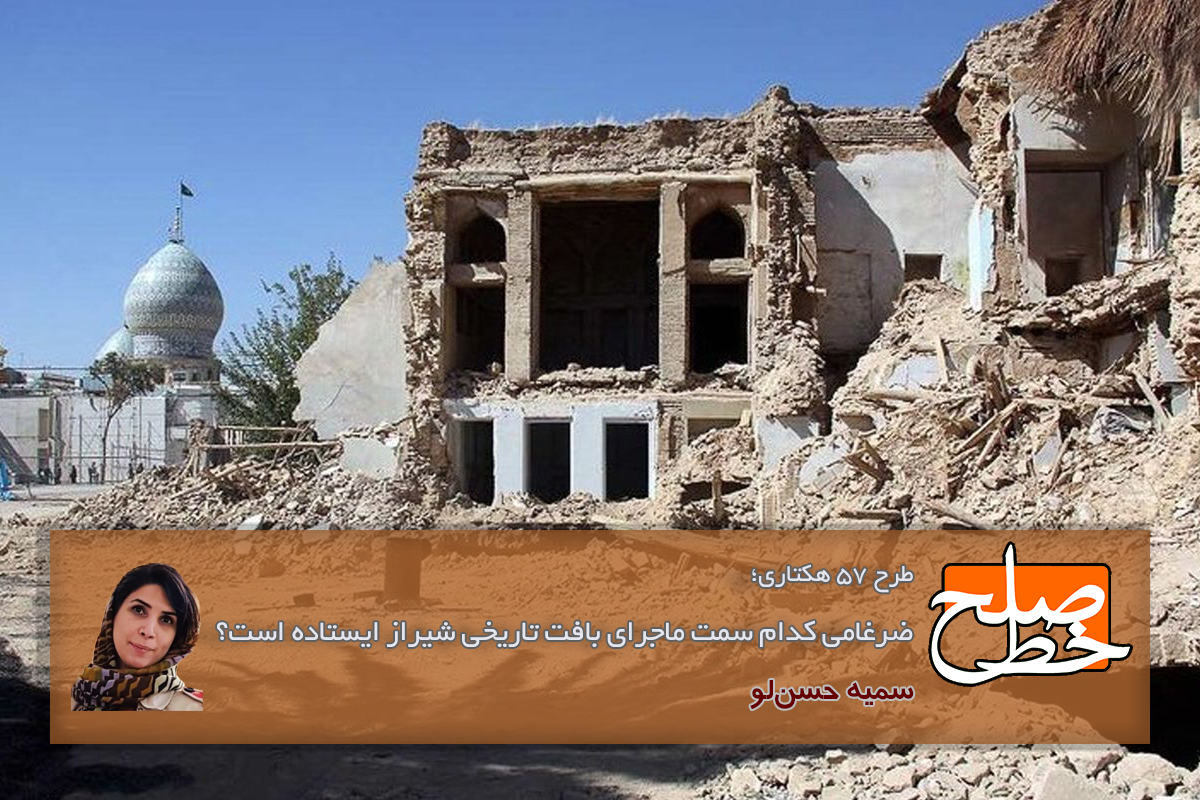
Which side of the Shiraz historical fabric is Zarghami standing on? / Samia Hassanlu
In every corner of the city of Shiraz, there is a historic house that has been acquired, scattered and neglected. Most of these houses have been bought by the shrine of Shahcheragh; houses that are often empty and abandoned. Recently, the municipality has also joined this trend and is trying to acquire some of these […]...
Read MoreCreated By:
Somayeh Hassanlou March 21, 2023
