


Latest Posts

The Right to Internet Access from the Perspective of International and Iranian Laws/ Abouzar Zaman
Human rights, along with the enactment of laws to recognize these rights, establish mechanisms to ensure their realization, and define their limitations, have always evolved in response to changing human needs, societal developments, and advancements in science and technology. Many emerging legal issues, while interpretable and inferable from previously recognized principles and laws, require new […]...
Read More Created By:
Abouzar Zaman
Created By:
Abouzar Zaman January 20, 2025
Human Rights in the Grip of Internet Filtering/ Sina Yousefi
Filtering, as a tool for controlling and restricting access to information, has always been a controversial issue in the realm of cybersecurity and human rights violations. This policy, often justified by concepts such as national security, territorial integrity, public order, and the system’s interests, can, in practice, lead to serious violations of freedom of expression, […]...
Read MoreCreated By:
Sina Yousefi January 20, 2025
Fundamental Freedoms of the Nation in the Hands of Quasi-Legislative Authorities/ Ehsan Haghi
One of the most fundamental and prominent indicators of civil societies is the reliance on “law” in the administration of affairs, relationships, and personal and social interactions—a principle often referred to as the rule of law. Accordingly, in the relationship between the government and citizens, as well as among citizens themselves, it is the law […]...
Read MoreCreated By:
Ehsan Haghi January 20, 2025
Controversy and Clamor Against Stratified Internet Access/ Parvaneh Ahmadi
The idea of stratified internet access, introduced after the unblocking of WhatsApp, signaled stricter governmental control over the internet and was met with opposition from various groups. This idea was initially proposed before WhatsApp was unblocked by a representative advocating for governance of cyberspace. In December 2024 (Azar 1403), Hossein Ali Haji Deligani, Vice Chairman […]...
Read MoreCreated By:
Parvaneh Ahmadi January 20, 2025
Gendered Impacts of Internet Filtering/ Elahe Amani
The phenomenon of internet filtering in Iran is far from new, with a history spanning nearly two decades. Internet restrictions are implemented in various countries for reasons ranging from internal security to external pressures. Governments worldwide apply varying degrees of censorship to filter the internet. Some nations, like China, North Korea, and Iran, enforce the […]...
Read MoreCreated By:
Elahe Amani January 20, 2025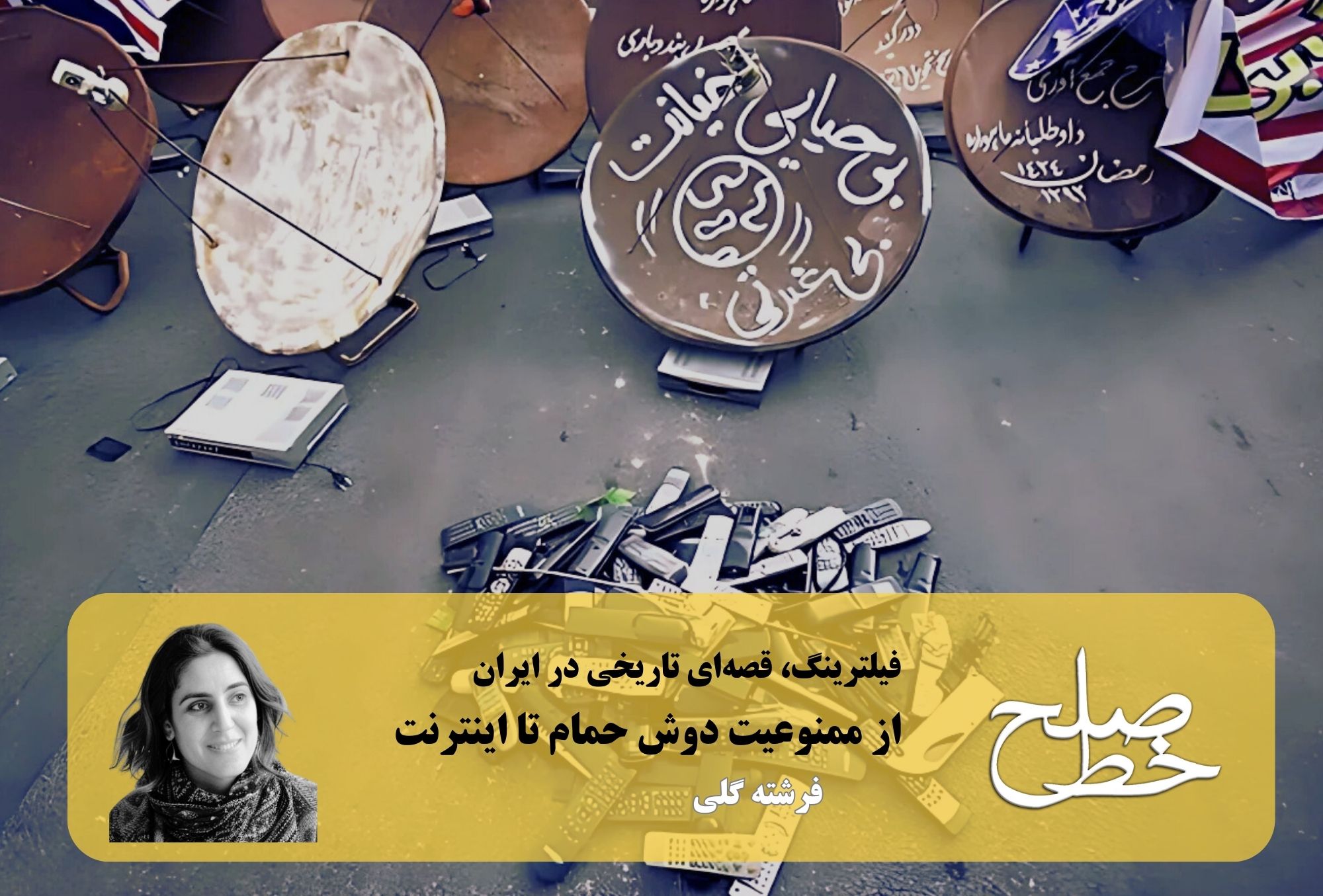
From the Ban on Showerheads to Internet Filtering / Fereshteh Goli
To understand the history of internet filtering in Iran, we need to go back to the early years following the victory of the February 1979 Revolution. As soon as the Islamic Republic was established, it declared many cultural topics—and generally anything that carried the scent of technology—either forbidden or subject to bizarre restrictions and censorship […]...
Read MoreCreated By:
Fereshteh Goli January 20, 2025
Historical Evolution and Contemporary Challenges of Qisas in Law/ Mostafa Ahmadian
The essence of qisas (retributive justice) has long been based on a natural law: “You kill, you are killed; an eye for an eye, and a tooth for a tooth.” This well-known principle existed long before the emergence of Abrahamic religions. Historical stone carvings—including the Code of Hammurabi, which dates back to 1800 BCE and […]...
Read MoreCreated By:
Mustafa Ahmadian January 20, 2025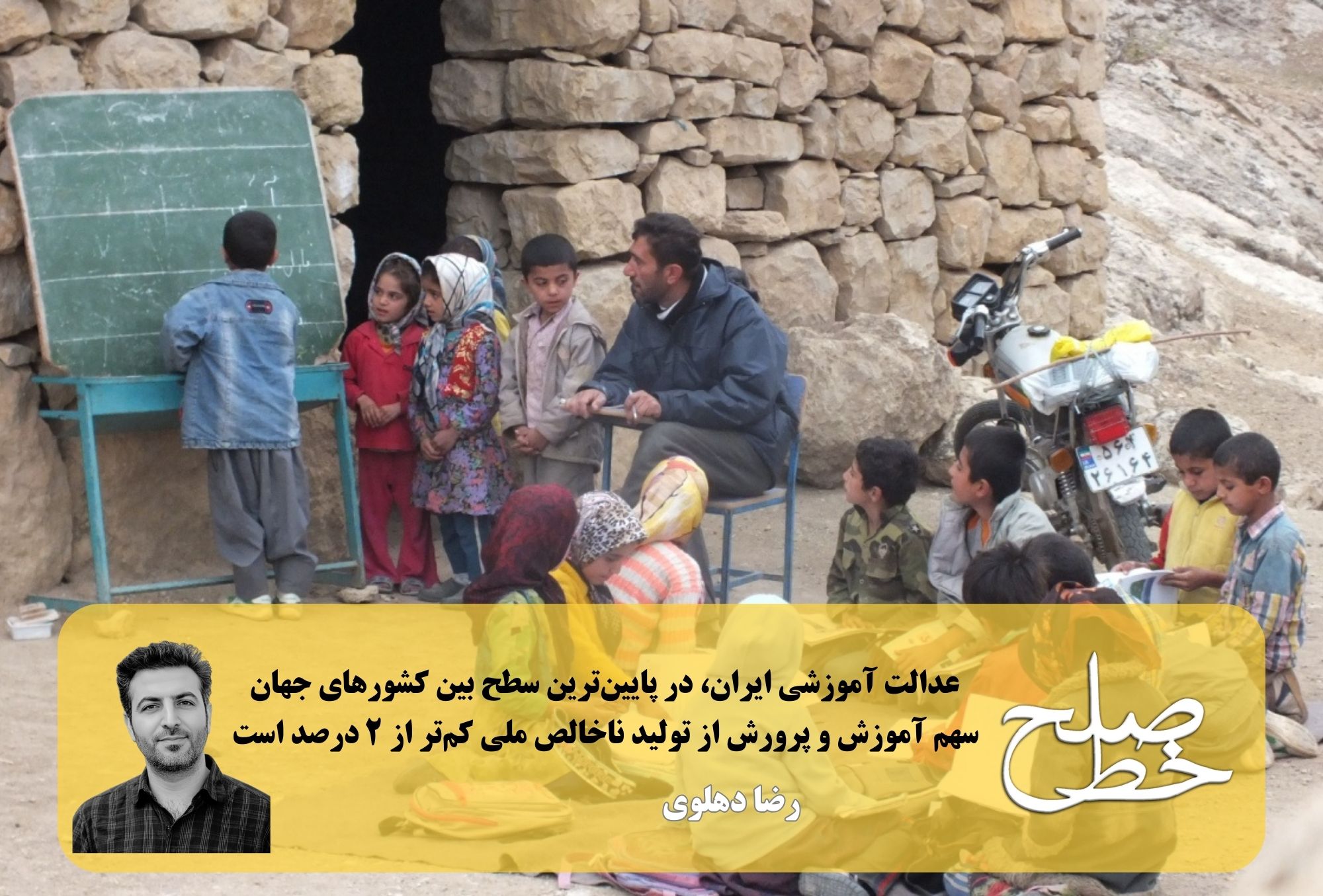
The Share of Education in the National GDP Is Less Than 2% in Iran/ Reza Dehlavi
Social justice, as a subset of the principle of justice, means equal rights for all people—regardless of race, color, language, social status, or similar factors—so that each person can attain what they rightfully deserve. Justice in education, as the most critical pillar of national progress and development, refers to the availability of “opportunities” and “educational […]...
Read MoreCreated By:
Reza Dehlavi January 20, 2025
From “Savola” to “Hyperstar”: A Warning Bell for Iran’s Economy/ Nafiseh Sharafaldini
The withdrawal of foreign investors from Iran’s economy could severely reduce the country’s chances of competing in global markets and might even push Iran’s economy out of the global economic cycle. For this reason, some experts believe that the decline in foreign investment in recent years—particularly the recent withdrawal of major investors—has raised concerns that […]...
Read MoreCreated By:
Nafiseh Sharafaldini January 20, 2025
Are Hashtags and Campaigns Tools for Change or Illusions of Participation?/ Mehrnaz Razaghi
Today, social media has become a key platform for activism, enabling everything from public support for political and social causes to the organization of protests. This digital space gained even more significance during the COVID-19 pandemic when people turned to digital media more than ever before. Now, every gathering or protest is not just a […]...
Read MoreCreated By:
Mehrnaz Razaghi January 20, 2025
