


Latest Posts

“Salahdideh”; From the Roman wolf to the legendary twins/ Ali Kalai
This is a caption. Ali Kalai From the wolf-like breasts of the Rom Club to the words of the president of the country, Mr. Hassan Rouhani, everything is scrutinized and edited by the auditor and the adjuster according to their own taste and those who dictate it to them. They replace whatever they want or […]...
Read More Created By:
Ali Kalaei
Created By:
Ali Kalaei April 20, 2018
Did the TV series “Peytakht” defend child marriage?/ Scent of Mozaffarian
The translation is: “The Persian language is one of the oldest languages in the world.” The scent of Mazafariyan. Reactions to the topic of marriage between Sara and Nika, the twin daughters of an actor in the TV series “Peytakht”, began from the first days of the show’s broadcast during this year’s Nowruz. Now, child […]...
Read More Created By:
Rayeheh Mozafarian April 20, 2018
Created By:
Rayeheh Mozafarian April 20, 2018
Notes on Women and Economic Challenges in Iran / Elahe Amani
This is not a complete sentence, so it cannot be accurately translated. Please provide a complete sentence for translation. Goddess Amani In a sudden leap of love. Rising from hatred. The remaining remnants have been mixed together. To a fiery and volcanic mass. Jushan and mysterious have been transformed. A part of the poem by […]...
Read MoreCreated By:
Elahe Amani April 20, 2018
“Shaparak Shojai Zadeh: A beautiful day will come / Zahra Bagheri is happy.”
This is a caption. Zahra Bagheri is happy. Since the beginning of 2018, a limited number of Iranian women have protested against compulsory hijab. They stand on electrical boxes on the streets, place their headscarves on a stick, and shake it. This is their way of protesting. Despite the fact that the number of these […]...
Read MoreCreated By:
Admin April 20, 2018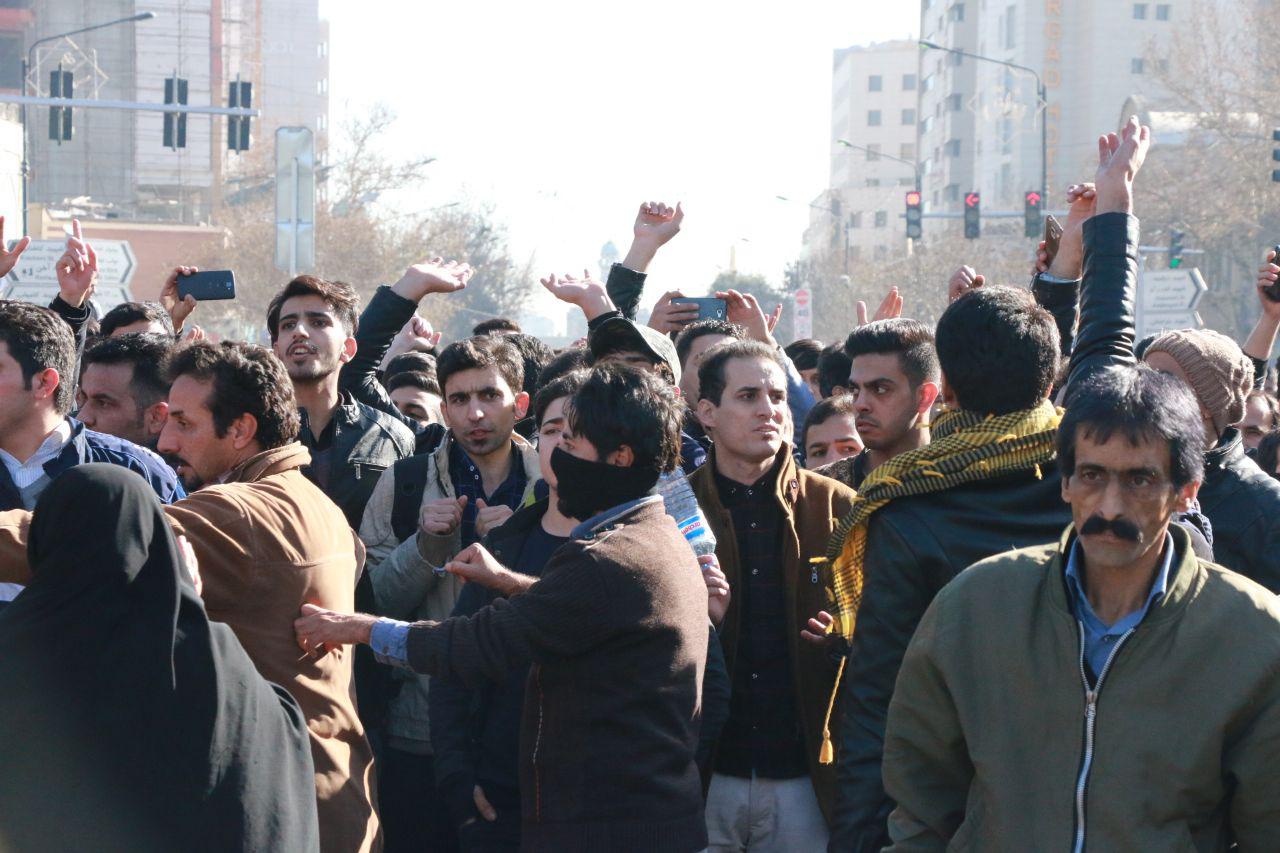
Which one accumulates more experience: the protesting force or the suppressing force? / Reza Alijani
This is a caption [/caption] This is a caption. Reza Alijani In December 2017, young and middle-aged people from around one hundred cities in different parts of the country took to the streets and expressed their economic and social grievances, linking them to the overall power structure. These protests started in Mashhad with crude thinking […]...
Read More Created By:
Reza Alijani March 20, 2018
Created By:
Reza Alijani March 20, 2018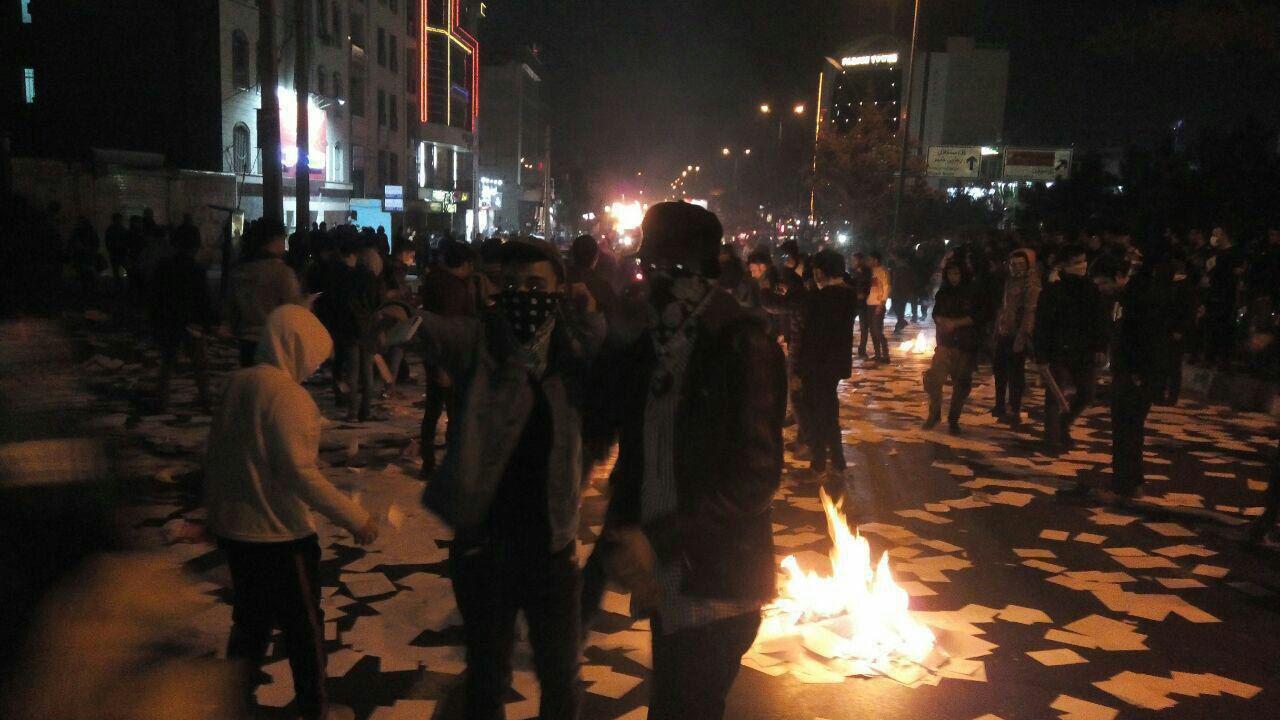
Protests of December 96, dangers and necessities/ Behnam Darayizadeh
This is a caption. Behnam Darvayi Zadeh In this note, an attempt is made to not only explain the nationwide protests of last December, but also to address the necessities and dangers that are present in the current protests in Iran. The reality is that without such an analysis, it is impossible to talk about […]...
Read MoreCreated By:
Behnam Daraei Zadeh March 20, 2018
یPublic protests and the issue of “implementation”/ Omid Shamsi
This is a picture of a beautiful flower. Hope Shams Street protest has fundamentally taken the form of execution and display of knots. Dehkhoda has mentioned “displays” as the second synonym for the word “demonstrations”, while “people’s political gathering and movement in the streets” is the last meaning of the word. Demonstrations have a common […]...
Read MoreCreated By:
Omid Shams March 20, 2018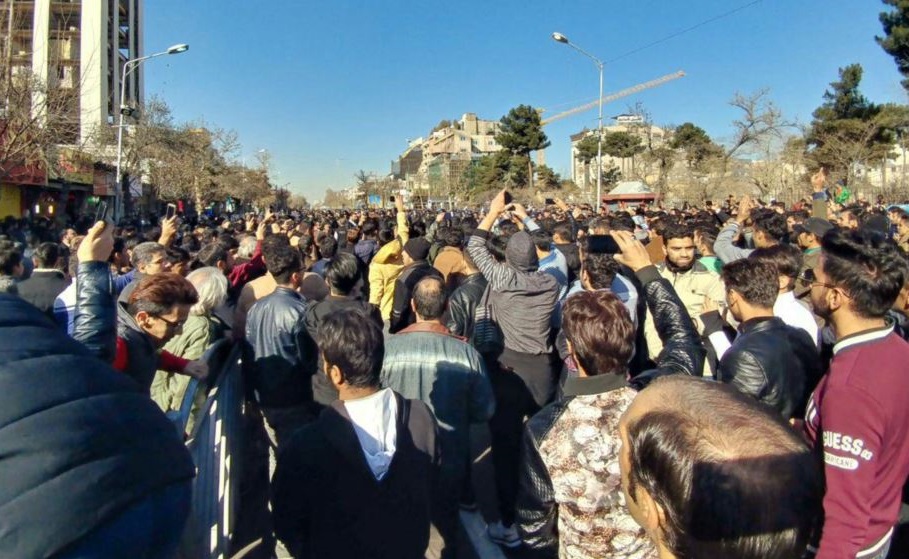
Did the middle class join the protests in December? / Reza Haghighatnejad
This is a caption. Reza Haghighatnejad In the popular television program “Pargar” that aired on Saturday, January 6th, the host’s important question was: “Did the middle class and working class join the protests in Iran in December?”. The guests did not have a precise and detailed answer, but the overall result of the opinions of […]...
Read More Created By:
Reza Haghighatnejad March 20, 2018
Created By:
Reza Haghighatnejad March 20, 2018
The gap between civil society and protesters in December/ Shahin Sadeghzadeh Milan
“خط متن فارسی را به انگلیسی ترجمه کنید” “Translate the following Farsi text to English” Shahin Sadegh Zadeh Milan “Civil society” in Iran is one of the terms that is frequently used in political writings, but there may not be a specific definition for it. Generally, when we talk about civil society, we mean a […]...
Read MoreCreated By:
Admin March 20, 2018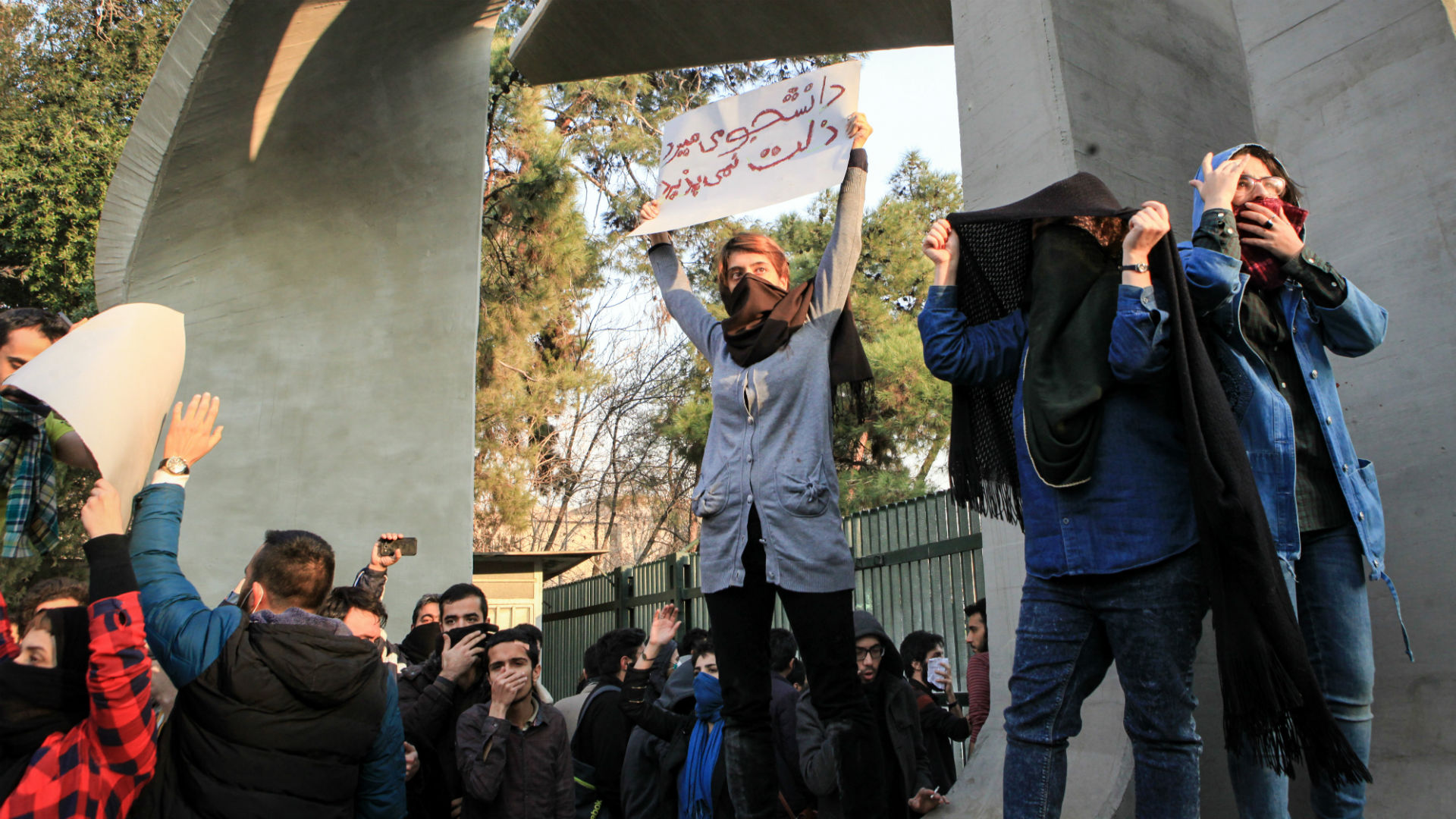
The Student Movement of the 1990s; Carrying the Giants on Their Shoulders and Learning from History in the Style of Luqman/ Ali Ajami.
“این عکس یک تصویر نمادین است.” “This picture is a symbolic image.” Ali Ajami Two years ago, a young friend asked why you, as student activists of the 1980s, do not document your experiences for the current generation of the student movement. The only answer that came to my mind at that moment was that […]...
Read More Created By:
Ali Ajami March 20, 2018
Created By:
Ali Ajami March 20, 2018
