


Floods, the disaster of the garden’s life/ Daniel Babayani
“درود به همه”
“Greetings to everyone”
Daniel Babayaii
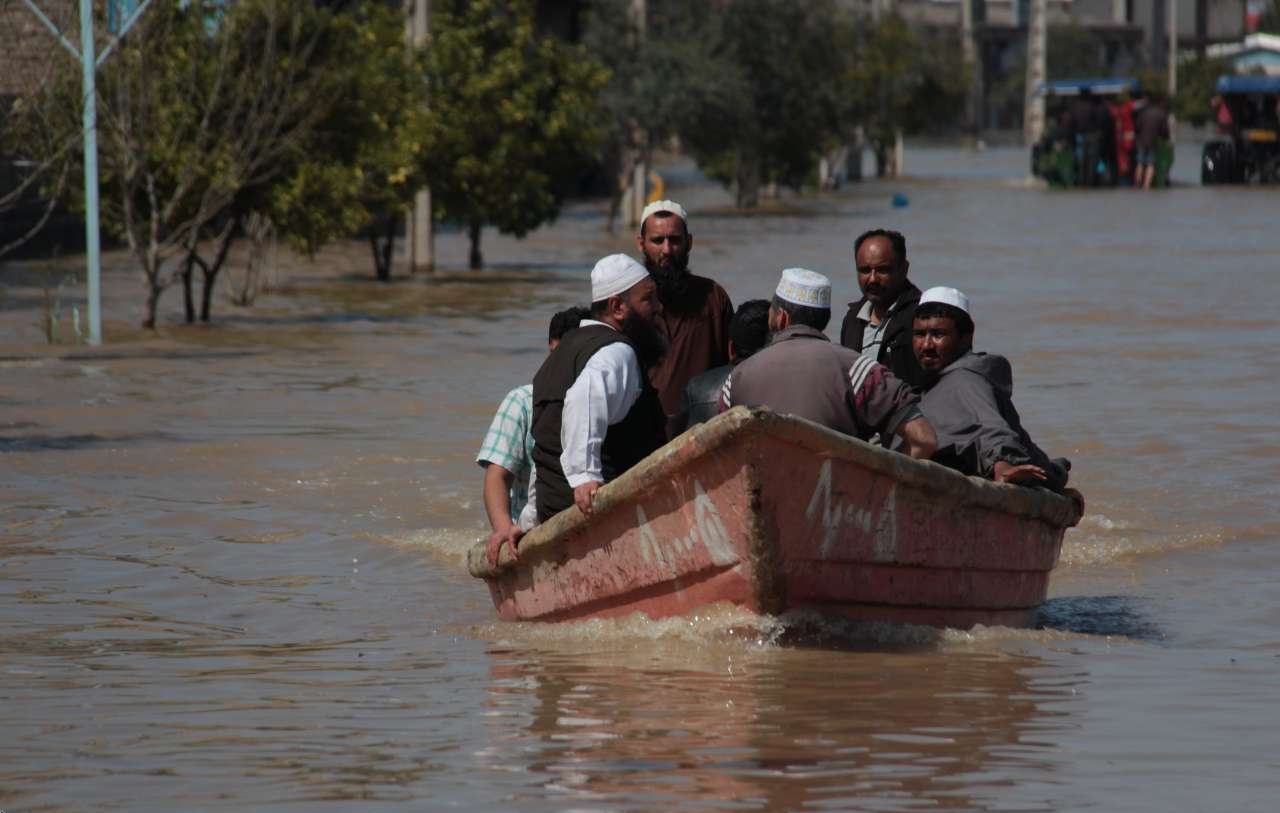
On the 29th of Esfand month, with heavy rains and the overflow of water from the dams of Golestan and Boustan, and the rise of the water level in Gorgan River and the flooding of the river into the city, the flood first engulfed almost half of Gonbad-e Kavus county. Two days after this incident, the floodwaters reached Aq Qala county, where due to the uneven surface of the county and lack of timely management, the floodwaters turned into a disaster in some areas of the county; to the point that transportation was only possible by boat. At least four days after the flood disaster in Turkmen Sahara and the water level reaching three meters in Aq Qala, the media and government officials – who were on holiday for Norooz – became aware of the depth of the tragedy.
Due to the non-engineered structure of some urban areas and economic projects of the Revolutionary Guards, floods remained in the city. The persistence of floods caused pollution and officials were still looking for a solution to transfer the floods from the city. Eventually, a part of the water, which was blocked in the construction of the railway, exploded by the Revolutionary Guards and the water flowed towards Gomishan and Khwajeh Nafas village; an impractical and unwise solution that only transferred the floods to another city.
The people of Gomishan county resisted the floods for days by building barriers to prevent the floods from entering the city; floods that had turned Gomishan into an island. Two days after the complete siege of this county by the floods, army forces entered the city to rescue the citizens. However, during the rescue operations, unfortunately, when the citizens were being transferred to safe places, a boat carrying them overturned and at least 6 people lost their lives.
The flood has caused significant damage to the region and people, who are dissatisfied with the way relief efforts and government aid have been handled, have lost hope in rebuilding their homes and compensating for the damages. According to Gharavi, a representative of the Islamic Consultative Assembly, in Minoodasht, Kalaleh, Galikesh, and Maraveh Tappeh, the recent flood in Golestan has caused damages worth three trillion tomans and destroyed more than seventeen thousand residential homes.
The head of the Agricultural Jihad Organization of Golestan province also stated in an interview with ISNA that the recent flood has caused 100,000 hectares of damage to the lands of cities such as Kalaleh, Gonbad-e Kavus, Minudasht, Aq Qala, Gomishan, Bandar Turkmen, Kordkuy, Gorgan, and Bandar-e Gaz. 540,000 hectares of land in the province, which were under cultivation of autumn crops such as wheat, barley, potatoes, and sugar beets, have been affected by the overflowing of the Gharasoo and Gorganrood rivers.
Reza Moradi, a farmer from Gonbad-e Kavus, in a conversation about the peace line, says: “We planted wheat and barley in the Turkmen Sahra section and insured our products; we paid 25,000 tomans per hectare for insurance against storms, floods, and droughts. However, with the consecutive droughts in the border area during the years 2016-2017, these insured individuals have not received any compensation, and it was said that the damages do not apply to wheat. This is despite the fact that the drought was 100% in the region and was confirmed by experts. Now, how can we expect the government or insurance companies to compensate for our losses after this flood?”
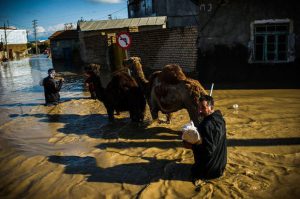
Environmental experts and activists believe that this flood was not only a natural disaster, but also had human factors involved, such as uncontrolled dam construction and lack of proper planning. According to their statements, the floods that have devastated Golestan are a result of deforestation that began in the 1980s.
Improper use of land, excessive extraction of river materials, deforestation and destruction of vegetation in pastures, conversion and change of agricultural land use, construction of roads, bridges, residential areas in inappropriate conditions, encroachment on river boundaries and beds, inappropriate location for construction of dams and reservoirs, lack of flood warning system, and low level of public awareness are among the human factors that have caused these floods.
According to statistics presented by the Organization of Forests, Rangelands, and Watershed Management of the country, a total of 5,707 cases of floods were recorded from 1330 to 1390, and a total of 1,289 cases of floods have been recorded from 1390 until now. The analysis of the number of flood occurrences from 1390 until now shows that the highest number of floods have occurred in Golestan province during this period. This is despite the fact that Golestan is the first flood-prone province in the country, with 20% of its area covered by forests. Studies conducted around the world show that forests act as natural dams for water storage, but with deforestation and unengineered dam construction, the valuable vegetation covers in Golestan province have lost their functions against floods.
Citizens affected by the flood ask why, despite the warnings from the country’s meteorological organization, officials did not take action to evacuate the dams days before these events occurred and were not prepared for such an incident. In response to this question, it must be said that the dams are leased to farmers and fish breeding centers under the direct supervision of the Revolutionary Guards in months with low rainfall. Instead of finding a solution to prevent the entry of floods and their damages, officials have been thinking about their own interests in selling the stored water in the dams.
Now, after about a month since the floods entered the Turkmen-inhabited cities of Golestan province, despite claims of the floods being evacuated from the surface of the cities and the flow of water towards the sea, in some areas such as Aq Qala and Gomishan, the waters have not been evacuated and remain stagnant on the surface of the city, causing skin diseases. This issue has led to reactions and protests from Turkmen citizens against provincial and national authorities, who have so far not reached a solution despite their gatherings in front of the governor’s offices in the counties.
Notes:
Loss of 3 trillion tomans in Golestan floods, Sazandegi newspaper, 19 Farvardin 1398.
2- The insignificant impact of disregarding environmental considerations on the recurrence of floods in Golestan, Iran, on April 12th, 2019.
3- Where the rain floods, one must think of a solution, Deutsche Welle, April 6th, 2007.
 Created By: Danial Babayani
 April 21, 2019
Tags
Aq Qala Crisis management Daniel Babayani Flood Golestan Province Gomishan Monthly Peace Line Magazine peace line Turkmen Desert