


The Kermanshah earthquake and its effects on trade and civil society/ Mohammad Habibi

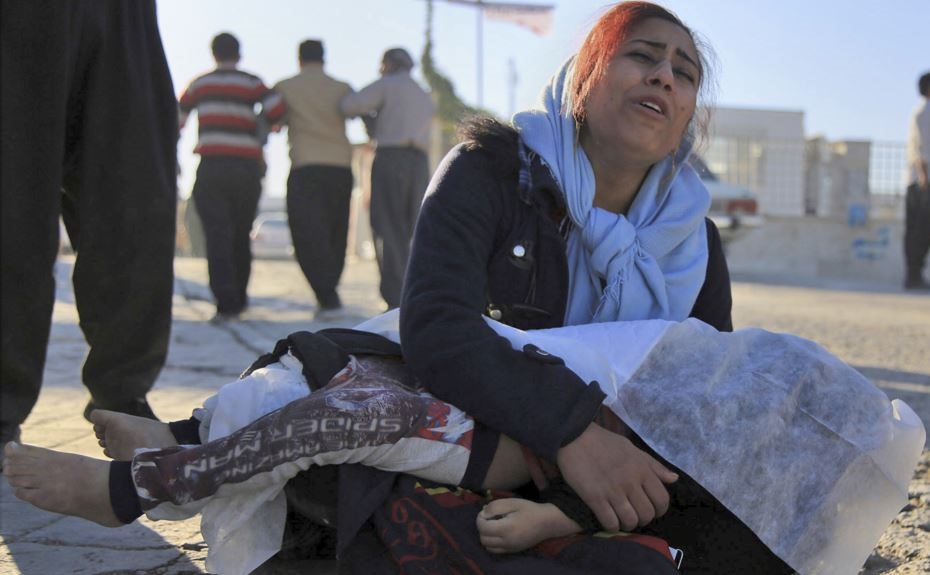
A picture of a mother with disheveled hair and a tearful face, holding the lifeless body of her young child, will be a reminder of the Kermanshah earthquake for years, even decades, to come. Just as Manjil and Rudbar, Bam and Azerbaijan left their own memories. Bitter, difficult, and devastating memories, etched on the backs of a nation, a collective memory of people from a land that, every few years, is struck by destruction and its people are left stranded.
Along with the repetition of this range and darkness, a sense of universal sadness and enthusiasm for human companionship becomes evident throughout this land. The power of social media is also a contributing factor, as in recent years this collective enthusiasm has expanded even further. Although temporary and fleeting, this human enthusiasm is still short-lived and devoid of permanence. This is why, after years, Bam is still a city devoid of the joy it had before its destruction, and Vazghan and Ahre are still in search of prosperity.
With all this experience over the years, there is evidence of two parallel lines. Two lines on the social capital measurement chart. One is falling and the other is a sign of growth. One is on the road to decline and the other is on the path to progress. As public trust in government institutions has declined over the years, the growth of civil institutions and their ability to assist with public trust has increased. As the incompetence of governments and decision-makers in meeting the needs of the people becomes apparent, the power of the people and their unions and civil organizations and their influence becomes more evident.
In those days when political factions spread their curses and curses among the ruins and rubble of the earthquake, and from among the debris and collapsed walls, they seek revenge and bring harm to their political opponents, on the very same days, silent hands are helping the wounded people, sitting on the ground. Women and men from different groups and categories: teachers, students, workers, doctors, nurses, psychologists, etc., but all with one clear symbol: independent of the government and authority. Here, even the presence of media celebrities can be seen as a good omen. At that time, when people talk about the corrupt bureaucracy in Tehran and the decision of the people sitting on the ground for their future, with the help of billions of dollars in aid and civil institutions, it is possible to hope that with such a bond, the fate of the ruins of Kermanshah will be different from the ruins of Bam and Azerbaijan. Where the document of government incompetence is still evident; perhaps here,
With all these images, we must remember the mother with her disheveled hair. Not as a sign of mourning and grief, but as a symbol of the decline of governing institutions and the collapse of a civil society.
 Created By: Mohammad Habibi
 November 24, 2017
Tags
Earthquake Kermanshah Mohammad Habibi Monthly Peace Line Magazine peace line