


Telegram and Instagram, experiments of the system/ Hossein Torkashvand
This is not a complete sentence, so it cannot be translated accurately. Please provide the full sentence for an accurate translation.
Hossein Torkashvand
The discussion about the relationship between technology in general, the internet in particular, and its products with governments, especially authoritarian governments, has been abundant so far. It was once believed that the mere existence of the internet would weaken tyranny and dictatorship, and the opportunities that the internet provides for people under oppression would gradually lead to the downfall of tyranny. However, my unspoken views show how naive and simplistic this initial belief was. In fact, the main weakness of this belief was that it considered governments to be helpless and passive in the face of change and the new world, while in reality, tyranny uses new tools and strategies to ensure its survival.
The Islamic Republic of Iran has faced a dual challenge with the internet and its products. On one hand, Iran is among the countries in the Middle East that quickly adopted the internet and has about one-third of its population as active users. On the other hand, the speed and delivery of internet services are not comparable to other countries in the region and are much lower. Additionally, many internet products, including popular social networks like Facebook and Twitter, are subject to filtering and are not accessible to users without a VPN. In response to this dual policy, the people have found their own ways to cope with it. The use of up-to-date VPNs and constantly changing communication tools has been the method of choice for Iranians. The shift from Viber to Telegram is considered one of the biggest shifts in the history of the internet for Iranians.
But from about two years ago until now, it seems that the policy of the Islamic Republic in filtering some communication tools and social networks has changed. After the great migration of Iranians from Viber to Telegram, the system has not yet filtered this popular tool. It is surprising to many that despite more than twenty million users using Telegram and many critical and opposition media being active on it, the system has not caused any disruptions in its services. Additionally, unlike Facebook and Twitter, Instagram has not been filtered and users inside Iran can use it without any trouble.
Among the various and different analyses that exist on this subject, the writer understands this difference in line with different strategies of the government in dealing with internet products. In fact, the system is testing this space by allowing people to use Telegram and Instagram. Each of these two tools has features that allow the system to have a different approach. It can be said that Telegram is only for Iranians and is considered almost a domestic social network with no external influence. The presence of other competitors for Telegram has also made the system think of a new way to deal with it. Instagram also does not have the networking capabilities of Facebook and Twitter, and for this reason, the system is less afraid to filter it.
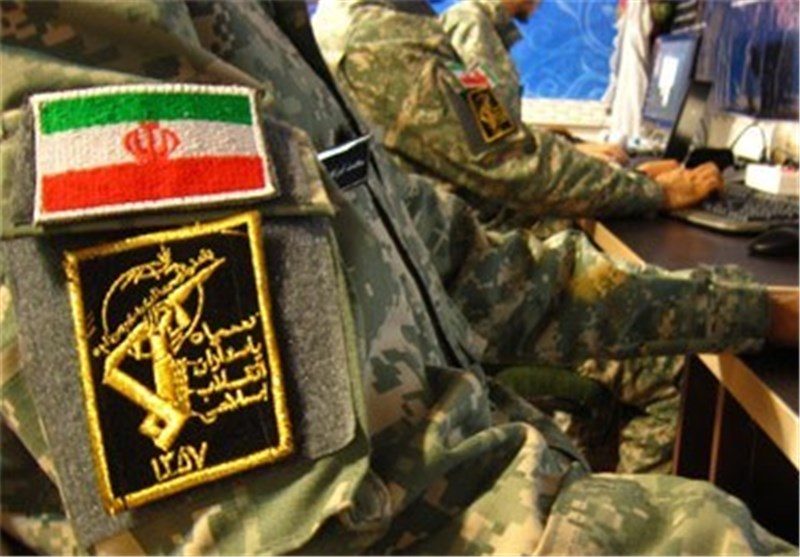
On the other hand, pro-government forces are also very active on Telegram and Instagram, and it is not the case that this platform is solely available to pro-democracy or anti-regime forces. The regime is experimenting with using these two tools to spread their own theories and is trying to understand whether they can promote their values in society through their use and lack of filtering.
On the other hand, regarding the security of these networks and how they are controlled by the government, it should be noted that the occasional news of the arrest of Telegram or Instagram activists does not necessarily mean that these tools are unsafe. Identifying activists on these social networks has different methods and techniques, and what is commonly known as “hacking” does not always occur. Tracing individuals through intermediary circles, widespread arrests, and the use of intimidation tactics to reach specific targets, stealing login codes for Telegram and Instagram through SMS messages, phishing attacks, social engineering, and other various methods can lead to the identification of activists. What is clear is that the government benefits from creating the perception that everything on these networks is under control, and therefore does not exaggerate about identifying individuals. It is better for activists on these networks to use anonymity tools such as secure VPNs and the Tor application, be cautious of phishing emails and messages, and if possible, enable two-factor authentication for their accounts and overall,
The outcome of this experiment and its duration depends on the decision-makers of the Islamic Republic system. It remains to be seen whether the system will reach the conclusion that it can continue its existence in such an environment without feeling threatened, or ultimately sacrifice it and continue with the old process.
 Created By: Hossein Torkashvand
 February 24, 2017
Tags
Democracy Filtering Hossein Torkashvand Instagram Internet Monthly Peace Line Magazine No filtering peace line Telegram Telegram activists