


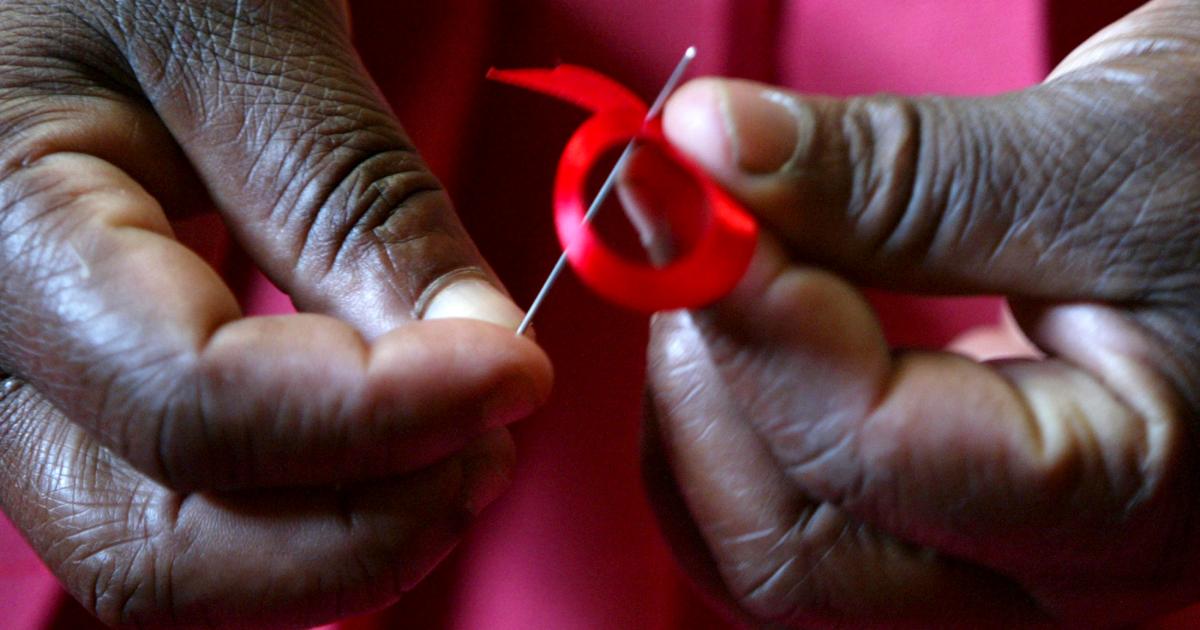
از نورAIDS and poverty go hand in hand/ Aban is a ray of light.
A considerable amount of time has passed since the first signs of the emergence of AIDS or HIV in the world. This newly discovered disease was first identified in the United States in 1981 and has since been observed in other countries around the world. This disease has become a social and economic problem, especially in poor and developing countries, which continues to impose significant costs on the people and governments of these regions after many years.
AIDS, also known as “Acquired Immune Deficiency Syndrome,” is caused by the human immunodeficiency virus (HIV) and is actually a type of infectious disease that, upon entering the human body, weakens the person’s immune system and over time, deprives the body of its ability to fight and defend against various diseases.
Despite remarkable successes in the medical and pharmaceutical fields, the fight against this virus still remains focused on prevention and processes to prevent infection. This is because, to date, there is no vaccine or definitive and effective treatment for combating it
The role of economic and social backgrounds in the spread of disease in society.
From the place where the spread of many diseases is related to the social, economic, and cultural backgrounds of different communities, the AIDS disease and its spread have also been dependent on these same backgrounds in different countries. Looking at the map of the spread of this disease in the world, we will see that its spread has been relatively controlled in developed countries in North America and Western Europe. However, in poor and developing regions such as South America, Asia, and especially the continent of Africa, the spread of AIDS has become a serious and terrifying crisis.
The results of numerous studies conducted on AIDS patients in Africa, known as the most infected continent in the world with the AIDS virus, show that economic poverty and, as a result, cultural poverty, lack of knowledge, and low literacy rates have been the most important factors in people’s infection with this virus. Therefore, controlling and preventing AIDS in these communities is more difficult. Because in order to fight and control this disease, its economic and social backgrounds must
The impact of poverty on the spread of AIDS.
The ways of transmission of this disease have been clear and it will also be controllable with effective and comprehensive social determination, as has happened in developed countries. This disease can be transmitted through blood and blood products, unprotected sexual relationships, shared injections with contaminated syringes, and also from mother to fetus and breastfeeding infants.
According to statistics, economic and social deprivation has had a significant impact on increasing the likelihood of engaging in unhealthy sexual behaviors and experiences. As mentioned, the weaker and more vulnerable segments of society are much more at risk of contracting this disease. This is because this disease is more prevalent in unhealthy and poor lifestyles such as addiction (in the form of injection) and unprotected sexual relationships, which are largely rooted in poverty and ignorance. Especially in societies where the circulation of information about social taboos is difficult.
The importance of social ignorance factor in a poverty-stricken society is very important. Because in societies where individuals are struggling with basic life needs due to economic problems, they cannot take
The impact of AIDS on the spread of poverty.
AIDS in developing countries has a negative impact on economic growth at both the household and national levels due to the loss of human resources, often affecting the younger population, and the costs incurred by the government and society. The decrease in economic growth also leads to increased poverty, leaving the most vulnerable members of society in a deeper state of poverty.
In addition to the loss of employed and young individuals, the cost of treatment puts a heavy burden on families. Many of these families use their assets and resources to care for the sick individual, or are forced to bear additional costs due to the loss of a productive member of the household. The costs of treatment, medication, and insurance pose multiple challenges, especially in societies like Iran where healthcare costs for low-income families are very high, further damaging their economic situation.
Furthermore, due to the negative stigma surrounding AIDS, many individuals lose their jobs and are not mentally prepared to seek employment or participate in society. Additionally, those affected by this disease may hide their condition
Final word.
Fighting against AIDS and preventing its spread is not a separate issue from other social and economic issues. Therefore, fighting against it requires addressing the underlying factors contributing to its spread. This can only be achieved through the widespread participation of various sectors and institutions such as governments, private organizations, and civil society.
In recent years, the number of people infected with AIDS in Iran has been on the rise, causing economic difficulties and increasing poverty for the patient and their loved ones. These secondary problems delay the control and treatment of the disease. Therefore, diseases like AIDS are closely linked to the issue of poverty and, in turn, contribute to its increase. Considering the economic conditions in Iran and the increasing poverty, it seems that the number of people affected by this disease is also on the rise and needs to be addressed before a larger disaster occurs.
 Created By: آبان پرتویی
 December 21, 2020
Tags
Aban is a ray of light. AIDS Aya Choy Monthly Peace Line Magazine Number 116 Paragraph peace line ماهنامه خط صلح