


The Status of Iran’s Power Plants and Production Capacity: Analysis and Outlook/ Amir Aghaei
With its abundant fossil energy resources and potential for renewable energy utilization, Iran is a significant country in electricity production within the Middle East. This article examines the current status of Iran’s power plants, their nominal and actual capacities, consumption levels, exports, and strategies to increase production.
Iran’s Electricity Production Capacity
Iran is one of the countries with high electricity production potential, and its power grid is recognized as one of the largest in the Middle East. However, alongside rising electricity demand in recent years and economic growth, imbalances between electricity production and consumption occasionally emerge, especially during peak consumption seasons. This article analyzes the current state of Iran’s power plants, production capacities, and potential solutions to increase capacity and export surpluses.
The Current Status of Iran’s Power Plants
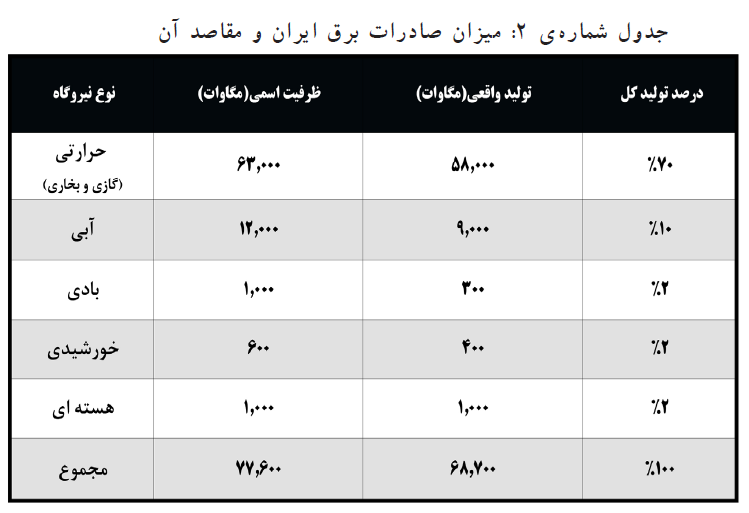
Iran’s power plants include a variety of types, such as thermal, hydroelectric, wind, solar, and nuclear. Currently, the majority of the country’s electricity production comes from thermal power plants.
The nominal capacity of power plants in Iran represents their maximum production capability under ideal conditions, but actual production may fall short due to factors such as technical issues, fuel supply constraints, and maintenance challenges.
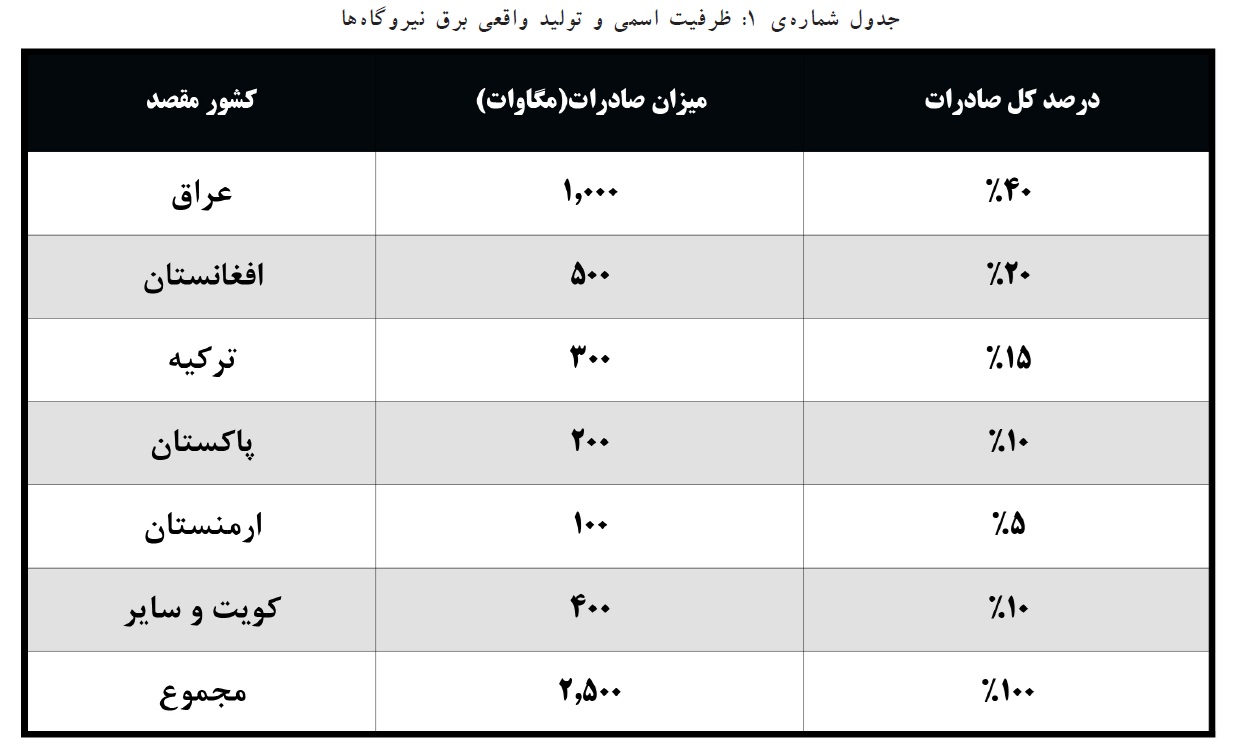
Iran’s Electricity Exports
Iran currently exports electricity to various countries, primarily its neighbors. The largest portion of Iranian electricity exports goes to Iraq and Afghanistan. While Iran has the potential to export more electricity, infrastructural problems and technical limitations in some border areas reduce the volume of these exports.
Electricity Consumption in Iran
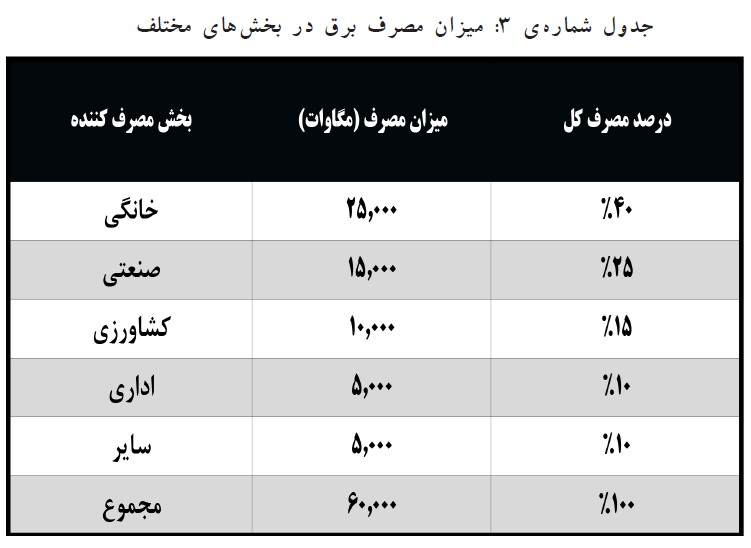
Electricity consumption in Iran is generally categorized into residential, industrial, agricultural, and administrative sectors. The residential sector is the largest electricity consumer in the country.
Electricity consumption in the residential sector peaks during the summer months due to the increased use of cooling systems, leading to crises caused by imbalances in supply and demand.
Strategies to Increase Electricity Production
Several strategies can be employed to increase electricity production in Iran, including:
- Improving Power Plant Efficiency: Optimizing existing power plants and reducing energy loss can increase electricity production.
- Investing in Renewable Energy: Renewable energy, particularly solar and wind, can account for a larger share of the country’s electricity production.
- Expanding Hydroelectric Capacity: Considering the country’s water resources, constructing and developing new dams and hydroelectric power plants can contribute to electricity supply.
The Difference Between Nominal and Actual Capacity
The gap between nominal and actual capacity in power plants arises from various factors, including:
- Decreased Equipment Efficiency: Many power plants, especially thermal and gas-powered ones, require repairs and maintenance, which affects their electricity output.
- Fuel Supply Constraints: Iran primarily uses natural gas for electricity production, and there are occasional limitations in fuel availability.
- Technical and Maintenance Issues: Some power plants, due to technical problems and outdated equipment, cannot achieve their nominal capacity.
Conclusion
Iran’s electricity production capacity is generally adequate, but due to technical challenges, fuel shortages, and consumption imbalances, this capacity is not fully utilized. To increase electricity production and exports, Iran needs greater investment in renewable energy, optimization of power plants, and resolution of infrastructural issues. Additionally, emphasizing consumption management and raising public awareness can have positive short-term effects on reducing electricity imbalances.
References:
- Ministry of Energy, “Annual Report on Energy Status in Iran,” 2023.
- Salehi, Ali Akbar, “Energy Management in Iran,” University of Tehran.
- “Electricity Market Analysis in Iran,” Energy Journal, 2023.
- Institute for Energy Studies in Iran, “Challenges and Opportunities of Iran’s Electricity Industry,” 2022.
- United Nations Energy Reports (IEA).
- “Iran’s Electricity Capacities and Challenges,” Eghtesad Newspaper, 2023.
- “Scientific Articles on Energy in Iran,” Sharif University of Technology.
- Iran’s Tavanir Company Reports, 2022.
- Tafreshi, Hossein, Electricity Market in Iran.
- “The Future of Renewable Energy in Iran,” Renewable Energy Quarterly, 2023.
 By: Amir Aghayi
 December 21, 2024
Tags
8 Peace Treaty 1648 Amir Aghaei Electricity cut Electricity overload Gas valve Hydroelectric power plants peace line Renewable energies ماهنامه خط صلح