


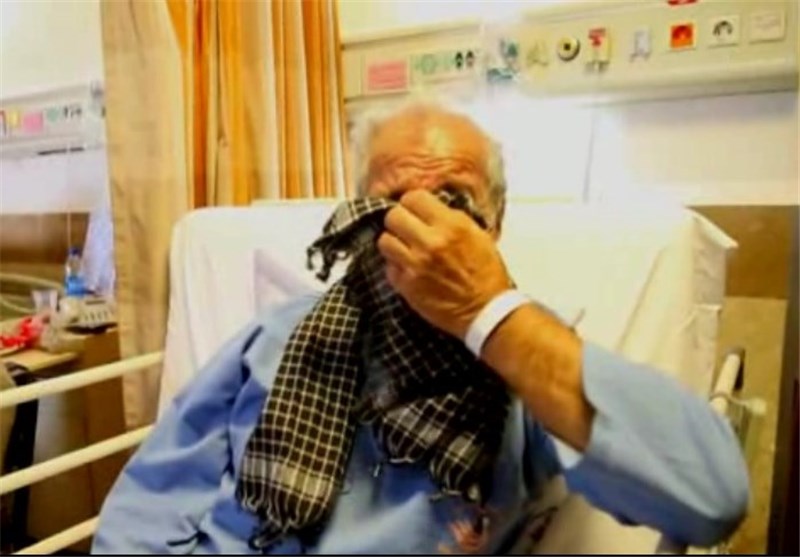
یThe harms of air pollution on citizens’ health/ Hope for health.
Although air pollution has become a nearly constant phenomenon in our country’s big and industrial cities, the phenomenon of air inversion, which exacerbates the intensity of pollution in cities, intensifies this perennial problem in the cold seasons. In this regard, we must first understand what air pollution is and then understand what air inversion is.
Air pollution
The presence of any type of pollutant, whether solid, liquid, gas, or radiation, in the air to an extent that endangers the quality of life for humans and other living beings, or causes damage to historical sites and property, is known as air pollution. Therefore, it can be said that an increase in the levels of toxic gases and fine particles, as well as radiation, in threatening concentrations, creates air pollution.
Rainy weather
Inversion is a physical phenomenon that usually occurs in densely populated and heavily trafficked cities when the air becomes cold and still. In other words, harmful and dense gases in the cold and still air descend to lower levels of the atmosphere instead of rising to the upper atmosphere (inversion), and the cold and still air prevents the polluted gases from rising.
In recent years, especially in large and industrial cities, citizens are facing severe air pollution and pollutants are endangering the health of citizens. It is important to note that although daily measurements of air pollution can indicate its level on a specific day, these reports are more accurate and reliable when the level of pollution and annual standards are also used to assess air quality. This is because in some cases, the level of pollutants may be within a suitable range on a daily basis, but when compared to the annual permissible level and with an annual assessment, it may show an unhealthy situation.
What is pollution?
In general, any substance in the air that is harmful to human health and the environment is considered as an air pollutant and pollutants are classified in several ways (based on the source of pollution, physical states, chemical properties, physiological effects, and forms of pollution) which cannot be fully described in this brief explanation.
Air pollutants sources
Air pollution sources are generally divided into two groups: natural sources and non-natural (human) sources. In this classification of human sources, they are divided into industrial, urban, and agricultural sources. However, in the field of air pollution sources, there is another classification that categorizes the major sources of air pollution as follows:
Transportation such as: ships, airplanes, trains, and cars.
Burning of fuel from stationary sources such as power plants, etc.
Industrial processes such as steel, textile, and paper factories.
Disposing of solid waste materials such as burning trash in open spaces, sanitary landfilling, and incinerating waste with an incinerator machine.
Miscellaneous processes such as household activities and the use of insecticides.
The most important pollutants
A- Suspended particles: These particles, due to their small size, are able to pass through the natural defense barrier of the human lungs and can have effects on the respiratory system of individuals, ultimately leading to death in high concentrations. This is especially dangerous for individuals with underlying respiratory, cardiovascular, and vascular diseases, as well as those at higher risk such as the elderly, children, and pregnant women. These particles are divided into two groups: particles smaller than ten microns (coarse) and particles smaller than two and a half microns (fine), which are both studied.
B-Gases present in the air: These gases include methane, carbon dioxide, nitrogen dioxide, sulphate and hydrogen sulphide, and ozone gas.
J – Metallic Elements: Some metallic elements that are likely to exist in the air of large and industrial cities that do not comply with necessary environmental standards or are contaminated for other reasons include mercury, cadmium, lead, and arsenic.
D-Parasites sent by unknown sources to prevent and disrupt satellite wave transmissions: Although these waves not only endanger human health, but also violate the right of access to information for the general public, and violate human rights in other ways. The issue of satellite parasites can be independently examined from various dimensions, but it seems that one of the most important factors in endangering public health in recent years is the transmission of such waves.
Other pollutants such as asbestos, multi-ring aromatic hydrocarbons, ultraviolet rays, and radioactive compounds like radon can also be among the pollutants of large and industrial cities.
But the important point is, what is the impact of these pollutants on human health and what dangers do citizens living in polluted cities face?
Ozone: In the Earth’s atmosphere, ozone is one of the most important pollutants (although the ozone present in the ozone layer is beneficial for animals and plants as it prevents the entry of ultraviolet and high-energy rays into the Earth). It can cause problems such as decreased lung function and tissue damage. Some harmful effects of ozone on human health include eye irritation, coughing, chest pain, and shortness of breath. In individuals with asthma, it can lead to an increase in attacks. In short, if the amount of ozone in the air exceeds the permissible limit, it can cause severe damage to children, the elderly, and individuals with respiratory problems.
Suspended particles: These particles can be harmful to human health and can also exacerbate cardiovascular diseases, leading to a decrease in the body’s immune system. Additionally, these substances can cause damage to lung tissue, worsen asthma in children, worsen cardiovascular diseases, cause serious harm to the health of pregnant women, the elderly, and children, and ultimately lead to premature death.
Carbon monoxide: This gas reduces the blood’s capacity to carry oxygen by creating carboxyhemoglobin, and affects the central nervous system and other tissues due to decreased oxygen delivery capacity. Symptoms such as decreased visual accuracy, reduced work capacity, decreased learning ability, and inability to perform strenuous activities are created in normal individuals. The symptoms worsen in people with chronic heart disease, respiratory patients, children, the elderly, and pregnant women, and in severe poisoning with this gas, the possibility of unconsciousness and subsequent death is not unexpected.
Nitrogen dioxide: This gas causes inflammatory reactions in the respiratory system, eyes, and decreases the body’s defense system in the respiratory system, leading to a higher prevalence of respiratory diseases. Additionally, at higher concentrations, it can cause fever, chills, nausea, vomiting, coughing, difficulty breathing, chest pain, and ultimately, lung inflammation and unexpected death.
Sulfur dioxide: This gas can irritate the respiratory tract, especially the throat, nose, and larynx, and cause chronic bronchitis, asthma, and emphysema. In high concentrations, this gas can lead to respiratory failure and exacerbate diseases in people with asthma, bronchitis, emphysema, and cardiovascular diseases. Unfortunately, like many other pollutants, this gas affects children, elderly people, and pregnant women more than chronic patients.
Hydrocarbons: Unfortunately, hydrocarbons can play a significant role in damaging human health. Inhaling benzene, which is mainly produced from car gasoline, as one of the most important volatile organic compounds, can prevent the formation of red blood cells in the bone marrow. Cases of blood cancer (leukemia) caused by prolonged exposure to benzene vapors have been reported.
Heavy Metals: In short, chronic exposure to these metals can cause side effects such as depression, irritability, mood swings, tremors, autoimmune diseases, chronic infections, and various types of cancer. Some of these metals include mercury, lead, cadmium, and arsenic.
Asbestos: Some existing reports indicate that the amount of asbestos in the air of Tehran is 30 to 50 times higher than that in the air of clean cities. Diseases associated with asbestos include asbestosis, lung cancer, mesothelioma, and laryngeal cancer.
Radioactive materials such as radon and thoron: Being exposed to radon for a long period of time can lead to lung cancer. However, it is worth mentioning that the risk of lung cancer from radon exposure is much lower than that of smoking. But being exposed to cigarette smoke and radon gas can increase the risk of lung cancer and lead to increased mortality.
Sent Parasites: Unfortunately, this type of pollution is almost unique to Iran and is less prevalent in other countries around the world. As a result, there have not been enough global studies on the dangers of these types of waves. In Iran, not only is there no institution responsible for sending these waves, but for obvious reasons, academic and research systems have had less opportunity to conduct studies on the effects and dangers of these waves. However, it is clear that most reports and research emphasize the harmful effects of parasitic waves on human physical and mental health. It seems that these waves can not only cause symptoms such as headaches, nausea, vomiting, increased blood pressure and heart palpitations, but also have negative effects on the mood and behavior of citizens. They may also increase the risk of Alzheimer’s and Parkinson’s, as well as other health issues. The increase in infertility, various heart arrhythmias, especially in the elderly, growth disorders in children, negative effects on pregnant women and their fet
Ultraviolet rays: A small amount of these rays is effective in producing vitamin D and treating certain diseases, but excessive exposure to these rays can cause skin and eye diseases, and even some cases of skin cancer.
It is essential to mention that all the effects of air pollutants cannot be explained in this brief summary and here we have tried to briefly mention some of these effects. However, it can be said that air pollution can lead to an increase in the incidence of cancer, cardiovascular diseases, respiratory diseases, eye diseases, skin and hair diseases, changes in the treatment of some diseases such as insulin resistance in children and adolescents in the treatment of diabetes, to changes in mood and even changes in the genes of individuals.
Air pollution and human rights
In Article 25 of the Universal Declaration of Human Rights, it is stated: “Everyone has the right to a standard of living adequate for the health and well-being of himself and of his family, including food, clothing, housing and medical care and necessary social services.”
Furthermore, according to the first clause of the United Nations Declaration on Human and Environmental Rights (the Stockholm Declaration of 1972), humans have a fundamental right to freedom, equality, and a desirable living environment that allows them to live with dignity and happiness. The objectives of this declaration, which was adopted by the World Environmental Conference, state: “Preserving the human environment and ensuring human rights to access a healthy environment, promoting and encouraging environmental activities at international and regional levels, and developing international laws and treaties to control pollution and environmental degradation caused by human activities are the goals of the program.”
In the third and fifth paragraphs of the Johannesburg Declaration on Sustainable Development in South Africa (2002), emphasis was also placed on the responsibility of preserving the environment.
In addition, the importance of preserving environmental health has been emphasized in the United Nations statement on the environment and development (Earth Summit) in Rio-1992.
With a look at the above foundations and, most importantly, the right to health of all members of human society, it seems that every individual, in any part of this earthly sphere, has the right to live in a healthy environment in terms of environmental factors. Governments are also obliged, considering their governing role, to actively intervene in the protection of human rights and the preservation of their health, and should use scientific and effective methods to implement short-term, medium-term, and long-term programs to manage air pollution in large cities.
There is a very simple solution for preserving the health of society when it comes to parasitic waves, and that is to cut off the transmission of these waves. If government officials are interested in defending the rights of the people in matters of health, they can refer the creators of such waves to the judicial authorities for endangering the health of society. If the judicial authorities also want to protect the rights of the people, they can impose punishments on those responsible for producing such waves.
This action should be carried out in regards to other pollutants with a comprehensive plan to reduce air pollution, under the guidance of the Environmental Organization and the participation of all relevant ministries and institutions, such as the Ministry of Industries and Mines, the Ministry of Energy, the Ministry of Oil, the Ministry of Health, Treatment and Medical Education, the Ministry of Culture and Higher Education, the Ministry of Education and Training, the Judiciary, the Police Force, municipalities, etc. with the aim of addressing issues such as particulate matter and dust, industries and power plants, and controlling pollutants, organizing and standardizing, improving and repairing vehicles, improving the quality of vehicle fuels and replacing them with healthier alternatives, organizing and strengthening public transportation infrastructure and management, providing universal education and promoting awareness, training necessary personnel for environmental management, monitoring air quality, and establishing and developing necessary laboratories, increasing green spaces, and so on, in a completely practical manner and with a well-planned and assigned responsibilities for each relevant department,
 By: امید سلامت
 January 25, 2016
Tags
Air pollution Gasoline Hope for health Monthly Magazine Issue 57 Parasite Pollutant Right to well-being Soldier Weather