


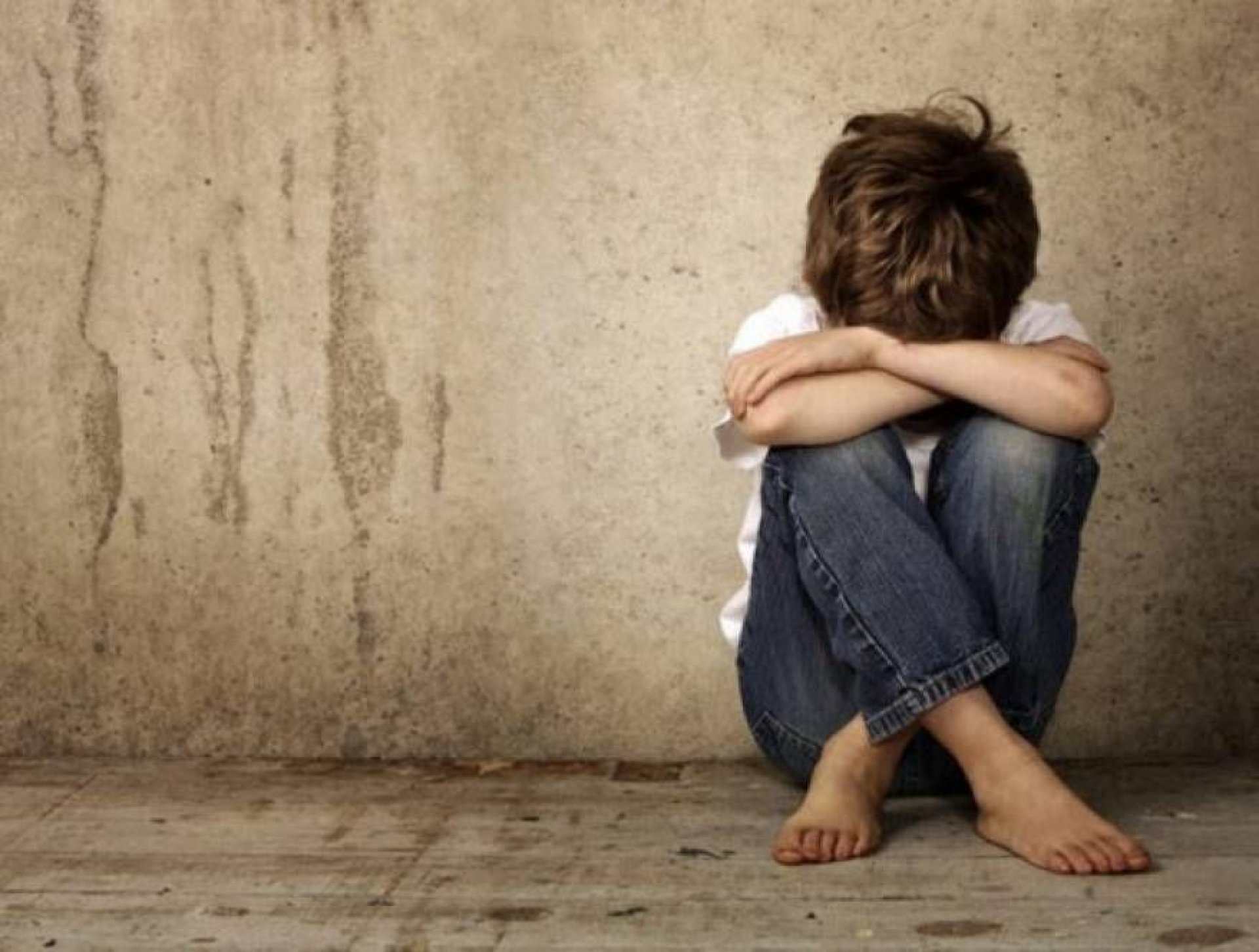
Legal examination of child abuse phenomenon and legal gaps in Iran/ Nazila Rostamzadeh
This is not a complete sentence and does not have a clear meaning. Please provide a complete sentence for accurate translation.
Nazila Rostamzadeh
Children in our national and religious culture are a gift that love, tenderness, care, growth, and excellence are the responsibilities of their family. However, when a child is subjected to abuse and mistreatment by parents and others in the family and society, contrary to this cultural perception, it is a sign of a fundamental issue and problem.
Nowadays, one of the most heartbreaking news in the world that shakes the heart of every person is the increase in child abuse. In recent decades, the health problems and challenges of children have undergone changes; currently, many diseases are controlled through vaccination and following health recommendations, but there are still many unresolved issues in the field of children’s mental health that require serious follow-up and preventive measures. Child abuse is one of the problems that causes irreparable damage to the physical and mental health of children.
Physical punishment in childhood increases the likelihood of long-term psychological damage in adulthood, such as severe depression, anxiety, and addiction to drugs and alcohol. The formation of abnormal personalities in abused children is one of the most important psychological causes of the cycle of child abuse. Severe abuse in early life can lead to reactive attachment disorder. Children with this disorder have difficulties in establishing healthy relationships and struggle to achieve normal growth and development. They require specialized treatment and support.
Emotional and neglect violence has a greater impact than physical violence. The results show that violence against children in Tehran families is more due to relational factors rather than previous background variables such as income, education, social class, and stress. At the family level, there is a conflict between the occurrence of violence against children and the main obstacle to its occurrence is order.
Child abuse is considered as one of the heinous crimes; because due to the physical and personality weakness, the child is vulnerable to the violation of their rights and abuse, and sometimes the crime is not reported. According to published statistics, the rate of destructive and criminal acts against children and adolescents is increasing worldwide. In recent decades, there have been numerous evidence of violation of children’s rights in many parts of the world.
The concept and definition of child abuse.
According to the definition of the World Health Organization, child abuse is defined as: any harm or threat to the physical and mental health, happiness, well-being, and welfare of a child by their parents or individuals responsible for them. However, in the terminology of experts, any physical or mental harm, sexual abuse, exploitation, and failure to meet the basic needs of individuals under 18 years old by others is considered child abuse. Although this definition attempts to explain all aspects and dimensions of child abuse, it may still be subject to disagreement among experts.
In fact, multiple definitions of abuse and violence have been presented based on its various goals and applications. For example, the American Psychiatric Association in its fourth edition of the Diagnostic and Statistical Manual of Mental Disorders (1994) includes child abuse in a chapter titled “Other conditions that may be a focus of clinical attention,” which encompasses physical and sexual abuse, neglect, and emotional abuse towards children. (2) However, child abuse encompasses a wide range of harmful behaviors such as failure to meet the child’s basic needs, neglect of hygiene, lack of adequate growth, physical punishment and abuse, sexual abuse, emotional abuse, and psychological abuse.
Types of child abuse
Different types of child abuse can also be classified into four categories: “physical child abuse”, “emotional child abuse”, “sexual child abuse”, and “neglect and indifference-based child abuse”.
Physical Abuse in Children: Generally, physical abuse is any harm that includes hitting, burning, injuring the head, fractures, internal injuries, bruising, or any other form of physical harm.
Emotional Child Abuse: While physical abuse is visible, there is another type of child abuse that leaves deep and lasting wounds on the child, and that is emotional child abuse.
Child Sexual Abuse: Child sexual abuse encompasses a wide range of behaviors, including enticing or forcing a child to engage in any type of illegal sexual behavior, using and exploiting a child for indecent acts and other sexual behaviors.
Neglect-based child abuse: Neglect and indifference in providing the necessary tools for a child’s growth in all areas of health (hygiene), emotional development, nutrition, housing, etc. is another form of child abuse.
Children’s rights in the world
The issue of children’s rights is not a new one. Its beginning dates back to after World War I, when one of the early advocates for children’s rights, Eglantyne Jebb of England, founded the Save the Children Fund in 1919. After World War I, due to the consequences of war and the harm inflicted upon children, the “Declaration of the Rights of the Child” was drafted in Geneva in 1924. This declaration focused mainly on the areas of nutrition, health, and housing for war-affected children, as well as protecting them from physical and psychological harm caused by war. However, the establishment of the International Children’s Emergency Fund (UNICEF) in 1946 was another important step towards addressing children’s rights issues worldwide. UNICEF, based on a resolution by the United Nations General Assembly, was founded after World War II to help 14 European countries break free from the bonds of poverty, hunger, disease, homelessness, and displacement
In 1959, the Declaration of the Rights of the Child was also adopted by the United Nations General Assembly, which laid the foundation for the Convention on the Rights of the Child. The International Convention on the Elimination of All Forms of Racial Discrimination (1965), the International Covenant on Civil and Political Rights (1966), and the Convention on the Minimum Age for Employment of Children (1973) also addressed issues related to children’s rights.
The Convention on the Rights of the Child, initiated by Poland and the efforts of Professor Adam Łobatko from this country, was adopted unanimously in 1989. This convention consists of an introduction and 54 articles, and so far all United Nations member countries except for the United States have joined it. In 2000, two optional protocols were also adopted for the Convention on the Rights of the Child: one on the involvement of children in armed conflict and the other on the sale, prostitution, and pornography of children.
The main goal of this convention is to create a better life for children and to strive towards their harmonious and balanced growth in fundamental areas of physical, mental, emotional, psychological, and social development. To achieve this goal, four fundamental pillars of growth, survival, protection, and participation must be considered.
As a member of the family and human society, children are extremely vulnerable and lack the ability to defend themselves, making them more at risk of rights violations and abuse than others. Therefore, considering special rights for children with the aim of supporting various aspects of their lives, from survival and nutrition to necessary education and upbringing, is essential. Based on this, the first duty of a man and woman in giving birth to a child is to ensure that the child has worthy parents who will respect their rights.
Some jurists believe that “the principles of protecting children can be incorporated into the country’s constitution and become part of the country’s legal standards. The constitution of a country includes all the principles and rules that govern society and is the fundamental order that determines the form of government and expresses the general principles of a country’s social contract. The constitution serves as a standard for enacting ordinary laws, therefore incorporating the principles of protecting children into a country’s constitution provides the necessary framework for protecting children and specifies the government’s responsibilities in this regard.”
Legal and criminal consequences of child abuse in Iran.
After the revolution in Iran, with the approval of the Law of Limits and Retribution on 03/06/1361, all articles of the previous Penal Code related to crimes against honor and chastity were abolished and criminal regulations in accordance with Islamic law were put into effect. In addition, other forms of crimes against chastity, other than adultery, such as kissing and intimate relations, seduction and harassment, were also subject to punishment. However, the legislator ignored the previous distinction in punishment based on the age of the perpetrator and considered everyone equal in this regard. Similarly, in the Iranian criminal laws, actions such as child pornography and exploitation of children have been overlooked.
In our country, despite the existence of scattered regulations on child protection, before the approval of the Child and Adolescent Protection Law in December 2002, there was no specific law regarding child abuse in the criminal laws and no special prosecution was carried out in this regard. Even in some legal articles, when a child is a victim, less criminal protection is mentioned. Furthermore, although child abuse, whether physical, emotional, or sexual, usually occurs within families and by the closest people to the child, unfortunately, there is still no specific law to protect children from domestic violence, and even the Child and Adolescent Protection Law exempts parents from prosecution for such crimes and there is no institution or organization responsible for protecting and monitoring children at risk.
It should be noted that even some criminal laws in Iran, such as Article 220 of the Islamic Penal Code (old version), are considered a form of violence against children and it is necessary to reform such laws in order to eliminate the possibility of some parents abusing their children.
Establishing legal support for children, appointing a guardian for them in necessary cases, expediting and prioritizing the handling of crimes against children, conducting court proceedings and procedures in simple language and explaining them in a way that is understandable for children are among other important matters that require attention.
Attention to the best interests of children during the issuance of judgments by judges and considering the welfare of the child as the main criterion and standard for issuing judgments and compensating for the physical and psychological damages of the abused child should be the main goal of the judicial system. Establishing institutions and organizations to mandate reporting on child abuse for all individuals and institutions and centers that become aware of this issue, not just for individuals and institutions responsible for the care of children.
Teaching children and familiarizing them with these types of sexual abuses and emphasizing to them not to tolerate these abuses and to protest and complain against them.
Conducting necessary research and investigations to identify the root causes of child abuse and understanding its cultural, economic, and social backgrounds, as well as providing accurate and reliable statistics in these cases, are all solutions that can help reduce and prevent these crimes. They can all play an effective role in eliminating or at least reducing this social problem and terrible issue.
Sources:
Mr. Biglooi, Abbas and others, child abuse, Avand-e Danesh book, Tehran, 1380
Madani Ghahfarokhi, Saeed, the situation of child abuse in Iran, now, Tehran, 1383.
Piouandi, Gholamreza, Children’s Rights, Institute for Cultural and Islamic Studies Publications Organization, Tehran, 1390
“Jahed, Mohammad Ali, A Study of Child Abuse Phenomenon from the Perspective of Criminology and Legal Issues, Monthly Journal of Litigation, Issue 69- 1387, pp. 48-41.”
Title: A Review of the Legal Aspects and Necessity of Revisiting the Phenomenon of Child Abuse
Authors: Zahra Vahedi and Nazari Khakshour
Journal: Quarterly Journal of Jurisprudence and Civilization
Issue: 15 – 2008
Pages: 113-140
 By: Admin
 July 26, 2017
Tags
Child abuse Monthly Peace Line Magazine Nazila Rostamzadeh peace line Pedophilia