


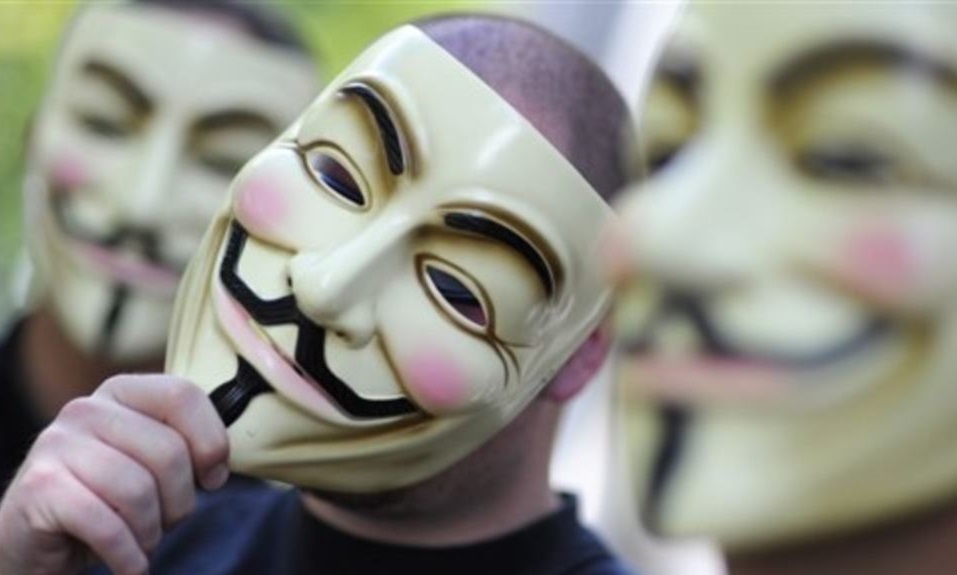
“Freedom of societies, Zahedan, and the factor for the survival of democracies / Ali Afshari”

Freedom of societies and gatherings is an important element in democracy that is necessary both during times of stability and in transitional periods. It serves as a facilitator and platform for activities aimed at establishing popular sovereignty. As stated in Article 20 of the Universal Declaration of Human Rights, “Everyone has the right to freedom of peaceful assembly and association,” freedom of societies holds a moral value in democracies. Furthermore, the existence of freedom of societies is a prerequisite for democracy and its levels play a role in determining the quality and success of a democracy.
At the same time, it should be noted that the freedom of societies has a close relationship with the freedom of expression, belief, religion, publication, and writing. In fact, one of the manifestations of freedom of expression and speech is the possibility of organizing gatherings.
Exploration of the theoretical foundations of democracies and their tangible developments reveals the fact that peaceful societies do not have only a moral, legal, and identity-based aspect for democracy, but rather democracy’s existence is based on it. In its modern sense, democracy means the rule of the majority with the rights of the minority within the framework of political pluralism. All movements that have led to the formation of democracy or have improved its quality have been achieved through the organization of societies and the presence of social and political forces in the streets. Imagine if it weren’t for the civil rights marches, could they have achieved liberation from being treated as second-class citizens in the legal sphere? In a broader perspective, without the presence of people in the streets and the gathering of individuals, the French Revolution, which is the starting point of current democracies in the world, would not have been possible. There are many examples like this in the history of democratic societies, and delving further into them is beyond the scope
Therefore, the freedom of societies has both the command of asceticism in democracy and the means of its sustainability. Paying attention to this complex relationship has turned the preservation and protection of the right to peaceful assembly into an essential and non-negotiable principle in democracies. What guarantees the respect for citizens’ rights and the people’s sovereignty over their destiny, and the prevention of self-centeredness and authoritarianism, is equal and free access for all sectors of society and holders of different political, cultural, and ideological views to hold peaceful gatherings.
For this reason, a central element in the definition of autocratic governments and power-hungry regimes is the denial of the right to hold gatherings and street protests from everyone, and restricting it to their own supporters and inner circle. The main sources of power in non-democratic governments are used to prevent workers, students, women, artists, religious and ethnic minorities, and media activists from organizing appropriate gatherings to advance their demands. The decline of legal and formal processes for obtaining permits for gatherings is a privilege for ruling political factions and depriving independent and opposition forces is one of the main tools for the survival of governments that systematically deny the people’s sovereignty over their own destiny.
Freedom of society allows different parts of the community to express their opinions and desires to other parts and move forward. In societies, the individual becomes part of a group and the convergence of individuals leads to the accumulation of power and ultimately empowerment. This empowerment creates a power that is greater than the sum of its individual parts. Participants in gatherings also gain more confidence, courage, and energy to pursue their demands. In addition, gatherings have the power to motivate and inspire. Gatherings are in a sense a harbinger and an invitation. If the participants in gatherings are a considerable group, then the presence of their collective will and unity of individual wills affects the collective will of society. There have been many cases where individuals have become politically and socially active and pursued their demands after witnessing a collective protest and movement. Humans and society are dynamic phenomena. Each individual, in relation to others, makes their own political and personal decisions based on their experiences and observations. In a society where peaceful assemblies are allowed and a
Concerns about the impact of power have led the Islamic Republic to not only ignore the recognition of freedom for all Iranian citizens in its four decades of existence, but also to make efforts to create obstacles to prevent the use of this God-given right. In addition to intelligence agencies, punishment by the judiciary and the establishment of restrictive mechanisms in the Ministry of Interior, the oppressive society under the name of Hezbollah has been an effective tool for imposing structural limitations on social freedoms. From the early days after the Islamic Revolution, pressure groups with security and judicial immunity have deprived opponents of their rights and resorted to violence against peaceful gatherings of dissenters. The chaos, cruelty, and ruthless violence of these pressure groups have made the cost of organizing and participating in independent gatherings so high that parts of society have accepted this organized and ongoing deprivation of rights. The main decision-makers of the political system are well aware that the presence of critical and opposing forces in free and secure gatherings will strengthen the opposition and provide a strong support
At the same time, self-governing governments use the advantages of communities and processions to the maximum extent possible; especially governments similar to the Islamic Republic, which pay great attention to suppressing and weakening civil society and its formations. The Islamic Republic makes extensive use of organized processions and gatherings to strengthen its own entity and represent legitimacy and acceptance. In fact, limited and incomplete freedom of communities becomes an obstacle for rulers to achieve democracy. Universal access to this right leads to the natural balance of power in society based on interaction and communication between different gatherings, and no group can have an artificial and false display of their social base by monopolizing and depriving others.
Therefore, according to what has been described, the freedom of societies is not only a fundamental freedom but also a cornerstone of democracy and a condition for its survival, both in the pre-democracy stage and in the transitional period. The practice of politics and social action to influence the balance of social powers requires everyone to have the freedom to peacefully assemble. Otherwise, political justice will not be achieved and political participation and the formulation of general guidelines for governing the country will be in the hands of the ruling minority with hegemonic power.
“من میخواهم به دانشگاه بروم”
“I want to go to university.”
 By: Ali Afshari
 October 29, 2017
Tags
Ali Afshari Monthly Peace Line Magazine peace line Right of assembly ماهنامه خط صلح