


Sexual harassment in public spaces/ street harassment
“این عکس یک پسر کوچک در حال بازی با گربه است”
This picture shows a little boy playing with a cat.
Saqi Laga’i
Whether wanted or unwanted, in the world, the line between consent and assault determines sexual relationships, and it is on this basis that the statistics of assault in countries with progressive laws seem astonishing. In fact, in many cases, what is considered assault according to the law in some countries is seen as a joke in others.
According to a general categorization, types of abuse include abuse by acquaintances (the most common type of abuse), abuse in relationships, gray area abuse, spousal abuse, statutory rape (one of the parties is under the legal age), abuse against men (the perpetrator can be a woman or a man), abuse in prison, group abuse, corrective abuse (often with the cooperation of the victim’s family and with the goal of “correcting” a homosexual woman), and abuse by deception.
To shed light on the differences in the definition of sexual assault in various regions of the world, I will refer to some examples. For instance, in regards to marital rape, while about fifty years ago during the second wave of feminism in the 1960s and 1970s and efforts to eliminate gender inequality in law and custom, many countries recognized sexual relations without consent between spouses as sexual assault and considered it a criminal offense. However, in the civil law of some countries such as Iran, according to the principle of marital consent, engaging in sexual relations at the request of the husband is considered a duty of the wife. According to Articles 1102 and 1108 of the Civil Code of the Islamic Republic of Iran, as soon as the marriage contract is concluded, the marital relationship between the parties is established and their rights and obligations towards each other are determined, including the wife’s duty of marital consent towards her husband. Marital consent refers to the wife’s obedience in fulfilling her
Or for example, in the topic of gray area violations, according to its definition, neither of the parties knows exactly what they want in the moment of sexual intercourse and therefore cannot prevent it from happening. In other words, they cannot convince the violator to stop the relationship from progressing to a certain stage, but the violator either does not understand this or intentionally ignores it. Such a discussion does not have a place in the laws of countries like Iran.
The war of power and invasion weapons.
The power dynamic is the main area that sexual assault can be associated with. Sexual assault has been used as a weapon in wars as a display of power and dominance, and a recent example of this is the assault of women and girls by ISIS. In some social struggles, this concept also applies; for example, the sexual assault of schoolgirls by members of Boko Haram after their abduction. The main intention of these groups is to create insecurity in society and use sexual assault as a means to eliminate women from the social sphere. In traditional societies that are becoming more modern, the weapon of sexual assault and harassment against women and girls can lead to their internal suppression by themselves and their families in order to protect themselves from assault.
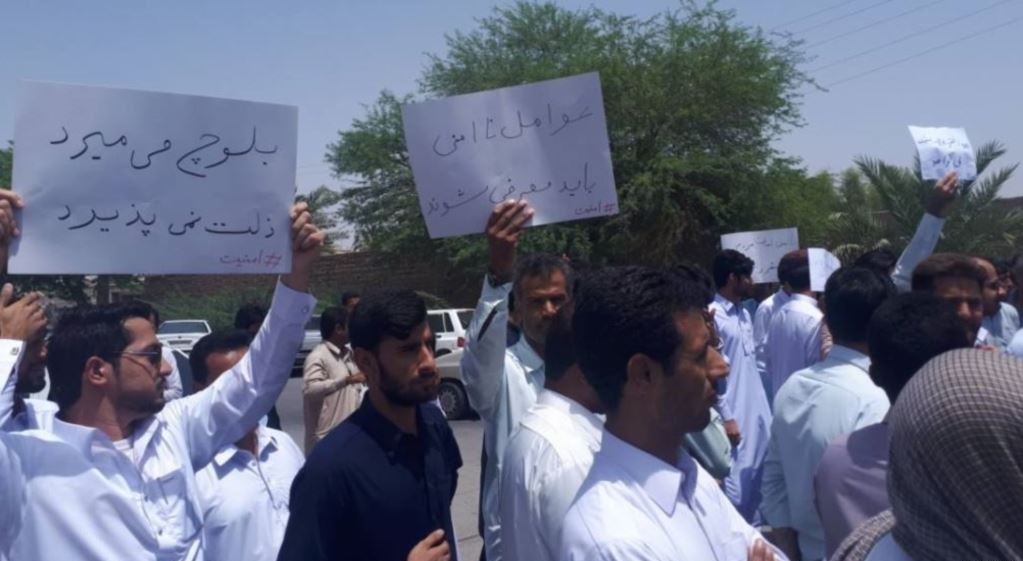
These days, the issue of violence against girls and women in Iranshahr, Sistan and Baluchestan province in Iran is a hot topic. It is a major social tragedy that was first brought up by the Friday Imam of the Sunni community in Iranshahr on the day of Eid al-Fitr. The news was that 41 young girls and women in Iranshahr had been abducted and sexually assaulted by individuals in the past few months. Four of the victims have filed complaints and one of the suspects has been arrested and confessed to the charges.
Although judicial authorities confirmed the main issue, the news spread in domestic and foreign media and the rise of protest reactions on social networks and the peaceful gathering in Iranshahr, the issue took on a different form. Contrary to logical procedure, responsible authorities remained silent and did not support the victims, guarantee their safety, or encourage them to speak the truth and demand their rights. Instead of being accountable to public opinion, they called for silence in society.
According to ISNA, the country’s prosecutor general stated that “the judicial system follows up on complaints made to the judiciary within the framework of the law.” He added, “Everyone should know that matters related to moral issues, people’s privacy, and issues that have a moral and family aspect should remain confidential according to religious and legal standards. Therefore, it is the duty of everyone to keep such incidents confidential, rather than bringing them up in public places without any basis, which can disturb the minds of families and the public and provide opportunities for some to take advantage.”
The words of the country’s prosecutor general were raised while local sources reported the possibility of a connection between aggressors and sources of power, including the Revolutionary Guards, and there is suspicion of the systematic nature of these aggressions.
According to BBC Persian’s report, the suspect in this case has admitted that after identifying women, they would steal them on their way home. Additionally, based on this report, some victims have been abducted and raped by individuals dressed in police or military uniforms and armed with weapons.
Unfortunately, official and unofficial reports show that the issue of serial abuses against girls in Iran Shahr has become a matter of security rather than being legally and justly pursued. In fact, those who protest against these abuses are being arrested and faced with security charges. The call for silence instead of legal prosecution by higher judicial authorities reinforces the suspicion of the systematic nature of these abuses.
The growth of women’s social presence in Sistan and Baluchestan province, despite severe deprivation in this region, may not be desirable for anti-women conservative attitudes. In traditional and closed societies where women and girls are constantly restricted and suppressed by their families and relatives, one way to eliminate them from society is to make public spaces unsafe for their presence, and what better tool for this than harassment!
If judicial, law enforcement, and security officials intend to create social security in the region, there is no better way than transparent and fair prosecution of the cases of serial assaults on girls in Iran Shahr and accurate and truthful reporting to the public. On the other hand, the sensitivity of public opinion and the precise monitoring of civil activists can remind the judicial system of its duty to support the victims of assault and raise awareness in society.
 By: Admin
 July 23, 2018
Tags
Exceed Iran City Monthly Peace Line Magazine peace line Saqi Laqa'i Sexual harassment