


Free Education and Training / Abuzar Nasrollahi
“ماهیتابه”
“Frying pan”
Abuzar Nasrollahi
In the third millennium, the development and progress of human societies, in addition to financial resources, is heavily dependent on the abundance of human resources. In developed countries, the proper advancement and establishment of all systems, or even small systems, and coordination in their effective activities – in a way that brings the level of efficiency to an acceptable level in terms of quantity and quality – is generally the responsibility of human factors who control the flow of affairs in these institutions.
“From the fact that the majority of human social behaviors, technical production tools, language, and the set of mental perceptions that create them, manners and rules of all kinds are not inherently hidden in him by the present and prepared hereditary mechanisms in contact with objects and the surrounding environment, and these behaviors are acquired through external transmission, from generation to generation, that is, through education, and are only expanded and developed based on social interaction, and that too in a diverse and distinct manner.”
The prosperity of human resources is deeply connected to education and training. In this way, the actions of human upbringing elevate them from being merely a biological being to a living, thinking being, capable of understanding their own rights and making choices about social values and life goals. Such a human can be independent and use the weapon of logic to resist unfavorable thoughts. Creating a suitable and conducive environment for implementing such training requires sufficient thought and analysis of the available resources to put ideas into action.
Considering that the upbringing of humans during childhood can guarantee the productivity of human resources in adulthood, governments see it as necessary to have policies for social development programs, taking into account suitable environmental and psychological conditions for the nurturing of children and adolescents. These policies must be implemented in a way that allows children and adolescents to utilize their inner talents in adulthood, so that society can fully benefit from the intellectual and physical capabilities of all individuals. This power is referred to by sociologists as the capital of talents or the capital of strengths.

The necessity of special attention to children and adolescents on the international level led to the acceptance of the Convention on the Rights of the Child as the most important document for the protection of children and adolescents by the majority of United Nations member countries. The Islamic Republic of Iran also joined the Convention in February 1994, following this global movement. The Convention, particularly in Article 7, emphasizes that the well-being, happiness, and care of every child in the future is dependent on physical and mental support and care that encourage their full development. This support, which is primarily the responsibility of the child’s guardian and then the government, is recognized and supported by lawmakers as a right and duty.
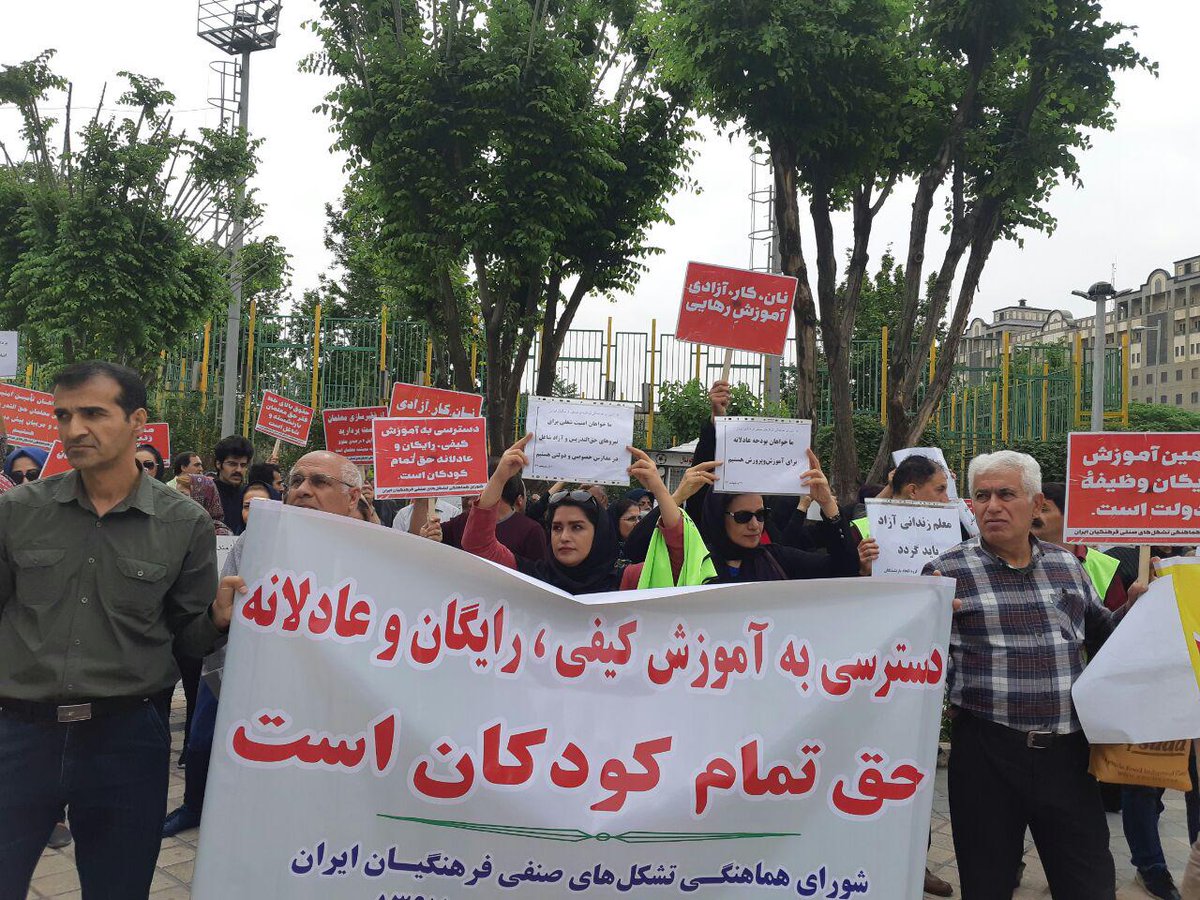
One of the most important examples of education and training is the education and upbringing of children and adolescents and their access to a standardized education system, the main responsibilities of which fall on the government. It is the duty of parents to ensure that they do not create any obstacles for their children to exercise this right. This responsibility of the government has been emphasized with two compulsory and free components according to Article 28 of the Convention on the Rights of the Child. In addition, in key human rights documents, including the Universal Declaration of Human Rights (Article 26), the International Covenant on Economic, Social and Cultural Rights (Article 13), and the Convention against Discrimination in Education (Article 1), it is stated that education and training should be provided for every citizen regardless of age, gender, religion, etc. free of charge. The Constitution of the Islamic Republic of Iran also states in Article 30 that education and training should be free; however, it can be inferred that it is also compulsory
It should be noted that when talking about compulsory and free education, it should not be assumed that this free education should only be limited to not charging tuition fees. There are countless issues regarding the free education of primary education, such as the expenses of transportation for students who live far from school, the purchase of textbooks and school uniforms, and so on. In other words, some of these expenses have external aspects, while others, such as laboratory equipment or other educational aids, are necessary for the progress of education and training.
 By: Abouzar Nasrollahi
 September 23, 2018
Tags
Abuzar Nasrollahi Education and training Educational rights Monthly Peace Line Magazine peace line Reopening of schools Right to free education