


Migration with Hardship: Variable Policies and Uncertain Destiny/ November’s Radiance
While a significant portion of policies regarding immigrants and refugees around the world are related to their level of access to services and citizenship rights, there are still many challenges in this area. These challenges are more pronounced in some countries and regions, where immigrants and refugees have significantly lower human rights compared to other areas. This situation is influenced by various factors, often related to the country’s domestic and foreign policies.
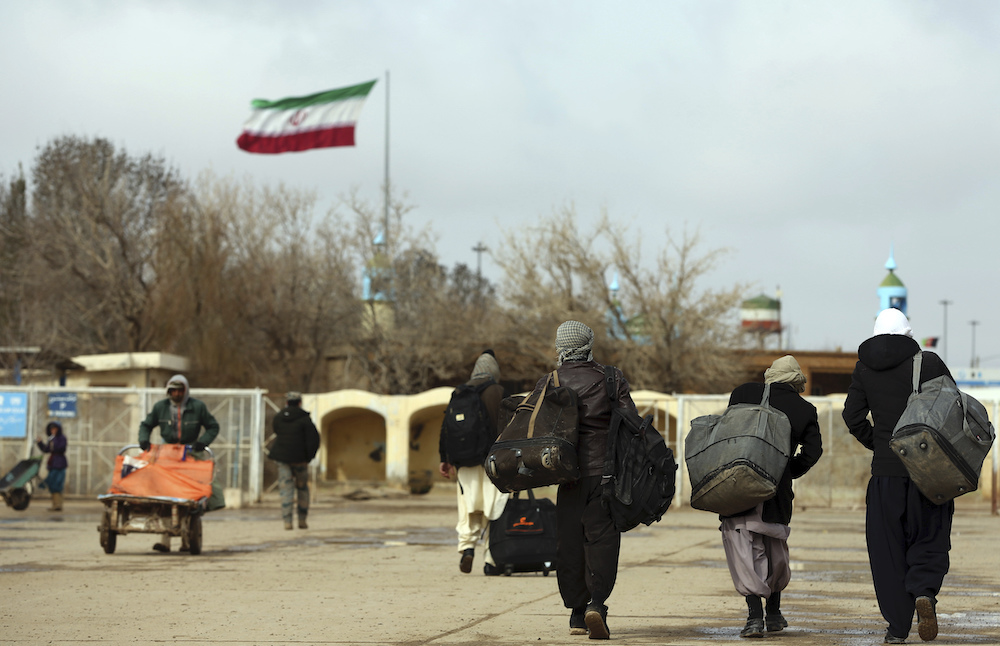
In 2018, the World Bank named Iran as the second most welcoming country for immigrants in the Middle East and North Africa region. The majority of immigrants in Iran are foreigners, especially from Afghanistan, Pakistan, and Iraq, who have come to this country due to war and economic difficulties. Among them, Afghans make up the largest number of immigrants in Iran, and many of them migrate for employment and to support their families.
According to estimates, around three million Afghan immigrants live in Iran. Out of this number, one million live legally in Iran. The rest, who live illegally in Iran
Academic Challenges from School to University
Among non-Iranian students, approximately 99% of this population consists of Afghan children, with a total of about 400,000. For many years, immigrant and Afghan children did not have the right to education until recent changes in policies regarding immigrants. For example, the ban on enrolling children of non-Iranian citizens who are illegally present in Iran and do not have valid identification and residency documents has been somewhat lifted through the issuance of a “special education support card”. However, the process of obtaining this card, like other identification documents, has become a time-consuming and frustrating process. In fact, the administrative process for immigrants is often very long and difficult, causing many of them to give up on pursuing their rights and to withdraw their children from school. The problem is that these special education support cards, like other residency documents, have a specific expiration date and must be renewed. On the other hand, these cards are only valid in the same area where they were issued, and
Limitations in accessing electronic banking services.
In the field of banking and financial affairs of immigrants, we have constantly faced problems due to the continuous changes in policies over time. The inconsistency of laws and the arbitrary actions of those in charge have become a major issue in the lives of immigrants. This issue is currently the result of the inappropriate policies of the central bank, which not only affects undocumented immigrants, but also prevents legal immigrants from accessing electronic banking services and randomly cancels their bank cards without any specific reason. This sudden cancellation of cards can catch them off guard during difficult times such as illness, shopping, and travel, leaving them unsure of what to do or how to make decisions in these difficult situations.
Despite the significant economic contribution of Afghan immigrants in Iran, their restrictions in banking affairs have made it difficult for them to work. They are forced to support their families and send financial aid, but they do not have access to common banking services, which is one of the most basic necessities of urban life that every citizen in the world should have
Restrictions on ownership and issuance of driver’s license
The problems arising from not having ownership rights are also a story of a thousand and one nights. This issue not only affects illegal immigrants, but also legal immigrants. In fact, only immigrants with passports can, in very special circumstances and limited cases, own property or assets in their own name. For example, a person who has lived in Iran for thirty years is still not recognized as an Iranian citizen and does not have the right to own a home or obtain a business license. This is while for many immigrants, even obtaining a SIM card is prohibited.
Therefore, the only way for this remaining group of people is to circumvent the law and seek help from Iranian friends or smugglers. In fact, many SIM cards, bank cards, house documents, and the like, which are in the hands of these immigrants, do not belong to them and are in the name of an Iranian citizen. In many cases, instead of having an official document for the property they buy, they use an unofficial document
Illegal marriages and the increase of stateless children.
Since the increase in Afghan immigrants entering Iran, especially during the Red Army’s invasion of Afghanistan and the Taliban regime until now, a large number of Iranian women have married Afghan men, resulting in many children being born without birth certificates or clear identities. The Iranian government did not recognize these marriages because they were considered illegal immigration and did not have the necessary permits. As citizenship in Iran is only acquired through the husband, a large number of stateless children were born in this country.
Iranian government policies towards granting citizenship to legal immigrants have also changed significantly over the years. From the early days of the Islamic Republic and its open-door policy, to the war and granting birth certificates to Iranian women’s children, to later closing the doors and not granting birth certificates to their children.
According to estimates by the Ministry of Interior, around fifteen thousand Iranian women have married Afghan men, but after a census, it was revealed that at least twenty-six thousand Iranian women have husbands from Afghanistan. However, it seems that
 Created By:
 July 22, 2020
Tags
Aban is a ray of light. Afghan immigrants Migration Monthly Peace Line Magazine Number 111 peace line Refugee Refugees Rights of immigrants Rights of refugees Wandering stranger