


Cities that children don’t like / Sahar Rahimi

Play and recreation are one of the basic needs of children, and it has a significant impact on their physical, mental, and emotional health and growth. The “International Play Association for Children” defines play as a combination of speech, thought, and action that creates a sense of satisfaction and happiness in children. In other words, play is a self-motivated activity for children that not only has positive effects on their growth and vitality, but also shapes the learning process. Therefore, providing a space for play for children, both inside and outside the home, is essential; an opportunity that has been largely taken away from children due to the growth and development of urbanization and the lifestyle of today’s world.
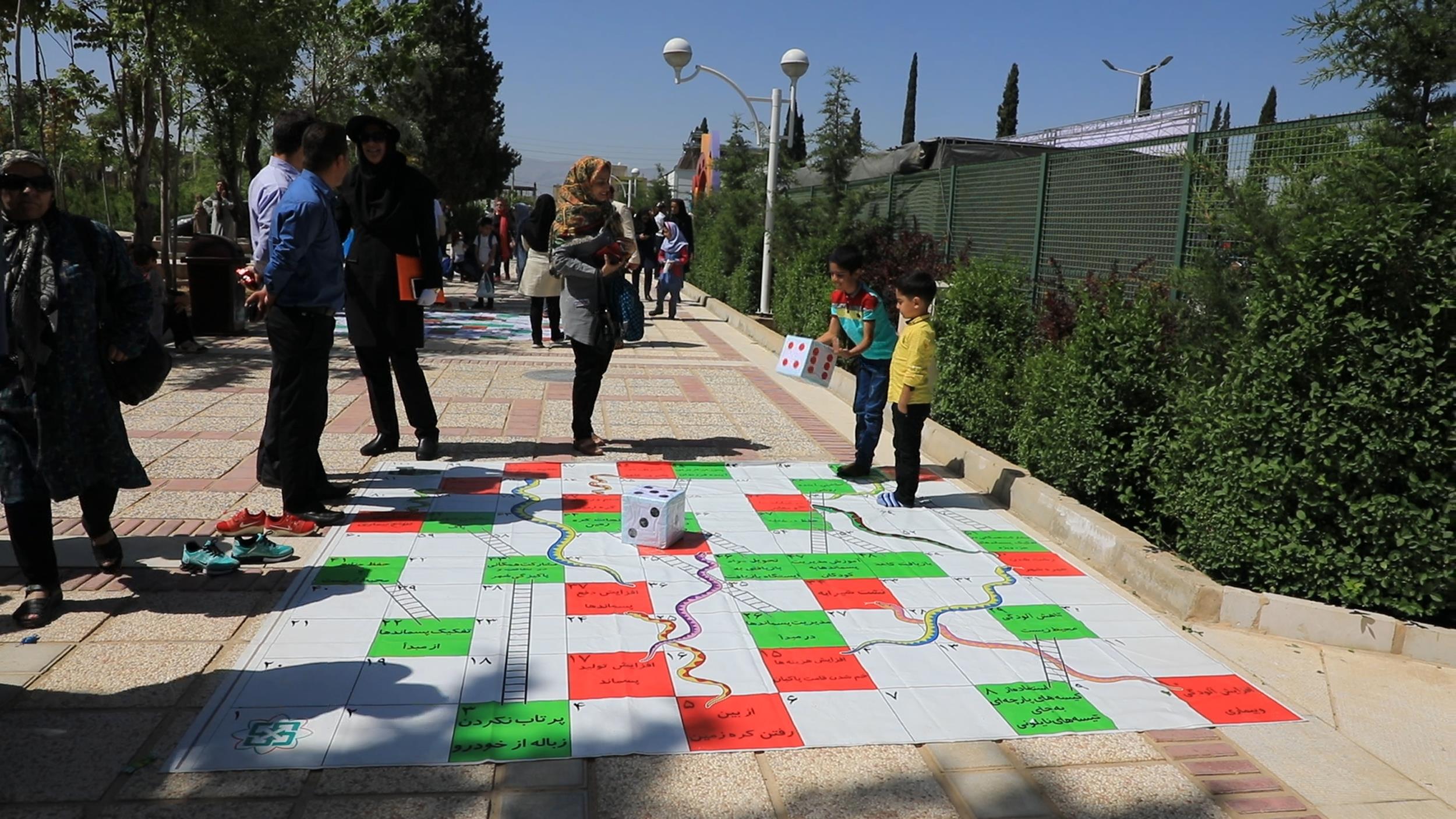
In most cities in Iran, children do not have the opportunity to play either in cramped and small apartment homes or in the architecture and design of urban spaces that should cater to their basic needs. The limited space in parks with a few play equipment such as swings, slides, and seesaws is
Urban development and design of playgrounds for children.
Attention to children and their basic needs in urban spaces has not had a long history; it was only in the 16th century, with the development of cities, that this awareness emerged that we must pay attention to children’s needs in urban spaces.
This perspective was strengthened in the 17th century and urban organizations began to design dedicated spaces for children. In the 18th century, with the emergence of great writers who showed special attention to children’s needs and their world, and described and judged the world from their perspective, the way of dealing with children also changed and the world experienced a great transformation not only in dealing with children, but also in educational and training methods. In this process, the works of great writers such as Charles Dickens and Victor Hugo, who depicted the sufferings of children in the modern and cold and violent cities, were very effective.
The trial and error of playground designers also played an important role in this path. For example, in 1920, a Danish
Children and unequal distribution of urban facilities
Simultaneously with the changes in social life and urban development, the design and construction of dedicated spaces for children began in Iran. Almost at the same time as Jabbar Baghcheban, Alice Farhadian and Barsabeh Hospyan founded kindergartens in Tehran. Jolfai Kindergarten in Isfahan was also established under the supervision of the Armenian Church. The Association for the Intellectual Development of Children and Adolescents, which was founded in 1964, gradually set up specialized children’s libraries in various cities and also built parks and urban recreational spaces. However, due to the novelty of these initiatives, just like in other cities around the world, not all children in Iran had equal access to these facilities. Only a limited number of children who lived in specific areas or came from educated families had the opportunity to use these resources. However, in Iran, due to the Eastern lifestyle and the traditional fabric of cities, almost all children had the right to play in local
Threats and opportunities of the city for children today
The United Nations Human Settlements Program estimates that by the year 2050, more than seventy percent of the world’s population will live in cities. Therefore, changing the approach of governments towards cities and improving urban infrastructure is one of the most important necessities that needs to be addressed through urgent actions by governments. Otherwise, city dwellers will face threats that could delay national development or cause disruptions.
One of the issues that threatens global societies in the coming years is the lack of sufficient and structured attention to the needs of children. By the next few years, more than seventy percent of children will be living in cities, and urban facilities and spaces should be designed to meet their needs and be in line with their natural growth process.
Cities can be both opportunities and threats for children. If urban facilities and spaces are designed to meet the needs of children, they can provide suitable opportunities for growth, creativity, diversity, strengthening relationships, and experiential learning and education. However, if cities pay little attention to
Cities that children do not like.
In Iran, especially in recent years, it is said that cities like Mashhad, Isfahan, Tehran, Yazd, and Semnan have been placed on the path to becoming child-friendly cities. Even agreements have been signed with UNICEF in this regard. Despite claims by some city officials that they have become child-friendly cities, considering the characteristics of a child-friendly city, it can be said that not only have major cities in Iran not become such cities, but there are also doubts about their placement on this path.
In Iran, the idea of a child-friendly city was first introduced in 2000 when the Supreme Council of Provinces proposed to the Islamic City Councils that they oblige municipalities to take action to make their cities child-friendly. One of the emphasized points in this proposal was to provide suitable spaces for children to play in neighborhoods and residential complexes.
In 2007, in a joint agreement between Tehran and the United Nations Children’s Fund, the concept of a child
Children are trapped in the iron cities.
Children in the major cities of Iran face numerous problems and dangers, such as air pollution, unequal and unfair distribution of resources, illness, economic difficulties, poverty, class divide, discrimination, and neglect. In simpler terms, today’s children are trapped in cities that are more fittingly described as “cold and heartless” rather than “child-friendly.” Even in cities that claim to prioritize being child-friendly, recreational facilities for children are often limited to a few unsafe playground equipment in parks. Many of the existing spaces not only have a negative impact on their growth, but also pose a danger to them. For example, a child recently lost their life while playing with a ball in Laleh Park in Tehran due to coming into contact with faulty wiring. A few years ago, a five-year-old girl fell into a pump in Koohsar Park and was tragically killed. These incidents are not uncommon.
In the face of the majority of children being deprived of suitable recreational and educational spaces,
 Created By: Sayeh Rahimi
 August 22, 2020
Tags
Children Leisure time Monthly Peace Line Magazine Number 112 peace line Rahimi's shadow Recreation rights Social activity The city of children's lovers. ماهنامه خط صلح