The outlook of the healthcare system in the United States.

Last updated:

April 21, 2026

The outlook of the healthcare system in the United States.

The Organization for Economic Cooperation and Development (OECD) reports on 1200 health system indicators among 34 industrialized countries. The comparative findings of different countries’ health systems can identify areas for improvement and provide a model for better performance. This analysis focuses on health data from Australia, Canada, Denmark, France, Germany, the Netherlands, New Zealand, Norway, Sweden, Switzerland, the United Kingdom, and the United States. Quality of care indicators, which are used to measure and compare the quality of health services among countries, as well as data on drug consumption and prices, MRI prices, and other resources, are also considered. Among these countries, data from the United States was significantly different in some cases compared to other countries.

Untitledhagh

Comparative studies show that the per capita number of physicians in the United States (43.2 physicians per 1000 people) is lower than other countries and lower than the median of member countries of the organization (30.3 physicians per 1000 people). The per capita number of medical consultations (visits) in this country, along with Switzerland, is also the lowest among these twelve countries, while for Germany it is twice as high. The number of hospital beds (for non-acute patients) (7.2 beds per 1000 people) is lower than the median of member countries of the organization, with New Zealand and Norway having the lowest number and Germany having the highest number. The average length of stay for non-acute treatment in the United States is 5.5 days, which is lower than the median of countries. Interestingly, the average length of stay has significantly decreased since 1980. Although the length of stay in the United States is short and the

According to the report of the Commonwealth Fund, it is likely that American adults receive at least one prescription (61%) and at least four prescribed medications (25%) regularly, more than other countries. The lowest medication use compared to the US is in Switzerland, where only two-thirds of Swiss adults receive regular prescriptions. Similarly, 30 of the most commonly prescribed medications in the United States have the highest prices, with drug prices in four other countries being less than half of those in the United States. Considering the consumption and prices of medications in the US, the country’s medication expenses are also higher compared to other countries, at 897 dollars per person. Additionally, the annual real growth rate of per capita medication expenses in the US is higher than in other countries.

B.Untitledjj

The highest supply of medical imaging devices in the country is in the United States. The number of 3.34 CT scan machines and 9.25 MRI machines per million people puts the United States at the top of the list among countries. The only country that surpasses the United States with 56 CT scan machines per million people is Australia. Additionally, the usage and cost of these machines per million people is also higher in the United States compared to other countries.

The 5-year survival rate after cancer is also relatively higher in America. This rate for those who have been diagnosed with breast, colon, and cervical cancer and have survived for five years is 90.5% (the highest rate among all countries) in America and 78.5% in England (the lowest), 65.5% in America (the highest) and 51.6% in England (the lowest), 71.9% in Canada (the highest) and 59.4% in England (the lowest). Additionally, the mortality rate due to cancer is on average 23%, 19%, and 2% for each of these cancers in these countries respectively.

Health care expenditures in the United States in 2008, whether per capita or as a percentage of gross domestic product, were higher than in other countries. The per capita health care expenditure in this country is $7,538, while the next two countries, Norway and Sweden, have per capita expenditures of $5,003 and $4,627 respectively. America spends 16% of its gross domestic product on health care. This number is about 40% higher than the second highest country, France. However, the growth rate of per capita health care expenditures in America was 4.3%, slightly lower than the median of the member countries (9.3%). The breakdown of sources of financing for health care costs is also interesting. Among these countries, America has a larger share of private sector expenditures, while other countries often rely on social insurance or government-funded models. Personal expenditures are also higher in the United States compared to other countries, except for Switzerland. Overall, after comparing the

Untitledfc

It seems that there are many forces at play in increasing healthcare expenses. Analyses of mutual benefit funds show that factors such as administrative complexities, aging population, the “defensive medicine” approach in response to malpractice lawsuits, supply and utilization rates of healthcare services, resource allocation, and use of advanced procedures and equipment all play a role. However, in the United States, which has a relatively young population compared to other industrialized countries, the rate of doctor visits and hospitalizations is low. Factors such as high prices and fragmented healthcare services lead to an increase in resources and excessive use of specialists who are not necessarily coordinated with each other.

In terms of consumption, prices and expenses of medication in different countries, attention should be paid to New Zealand. This country is the second highest in terms of medication consumption and prescriptions. A significant point about this country is the low price of medication, with prices being three times cheaper than in the United States. It seems that preferred rates, reference pricing, and similar policies can be implemented in other countries to reduce treatment expenses.

Given the high cost of treatment in the United States, attention must also be paid to the quality of care. While cancer treatment may seem to have a high quality in this country, the high rate of hospital visits for chronic diseases indicates opportunities for improving quality. With the increase in chronic diseases among the elderly population and their contribution to healthcare expenses, more effective treatment and management in primary care can lead to improved patient care and prevention of unnecessary use of scarce and expensive resources.

Evolution of labor law in Sweden

Untitledbg

Until the end of the 1930s, this view prevailed in Sweden that labor market regulation is a social issue and that the legislator (government and parliament) should refrain from intervening. In the following decades, both the legislator and social partners accepted this division of roles. The applied law was limited and its main goal was to correct and compensate for existing differences between different groups of employees, such as holidays or working hours. In contrast, decision-making on many issues was left to collective agreements. The reluctance of the legislator to intervene in labor laws ended with the adoption of new laws in the 1970s. The Employment Protection Act and the Joint Decision-Making Act were more prominent among other laws. The implementation of these new laws led to the disappearance of the old framework for cooperation and joint responsibility among social partners. After Sweden joined the European Union in 1995, we have witnessed a “second wave” of legislation. These new laws were adopted according to the guidelines of the

According to international standards, membership in trade unions in Sweden is remarkably high. Almost 80% of employees have such professional affiliations. In Sweden, there are three labor confederations that represent workers. The government also has a separate representative as an employer, known as the Agency for Government Employers, which is actively engaged in its activities.

Contrary to recent developments in labor market legislation, collective agreements remain the most important tool for regulating wages and other employment conditions. In fact, collective agreements cover almost all aspects of employment relationships and it is estimated that 90% of employees are covered by one of these agreements. While all government employees are covered by collective agreements, the coverage is lower in the private sector. Collective agreements are generally reached at three levels: national intersectoral agreements, national sectoral agreements, and local or company-level agreements. At the first level, agreements are made between central organizations. These agreements serve as the law and foundation for subsequent collective bargaining. The most important collective agreements are reached at the sectoral level. Sectoral agreements or federations address the details of employment conditions and include clauses on most aspects of employment relationships such as wages, working hours, holidays, etc. However, these agreements are actually frameworks that leave room for adjustments at the local level. Nevertheless, in recent decades, this trend has shifted towards

According to the Swedish labor law, it is generally considered a private law that outlines the rights and responsibilities of individuals that are relied upon in court. Other matters such as termination and compensation are usually extracted from private law. Public law is mainly applied to areas of health and occupational safety.

Reforms and legal amendments have privatized public employment relations, meaning that with a general definition, similar laws are applied to both public and private sectors. Anyone working in the public sector is an employee. The law for public employment has limitations for public sector employees and their protection is ensured under the Employment Protection Act, which covers both public and private sector employees. The idea that public and private sector employees should operate under similar laws is dominant in Sweden’s rights.

Labor disputes and conflicts are within the jurisdiction of general courts and labor courts. The labor court is the highest authority in labor legal disputes and covers the entire country. This court is composed of judges and representatives from employer organizations and trade unions. Some types of labor disputes are directly referred to the labor court. In most cases, cases that are formed by one of the employer organizations or trade unions and oversee employment relationships under collective agreements are sent to this court. In other disputes, the case must be referred to the general court. These cases are formed by employees who are not members of a union or members of a union who pursue their case without the support of their union. Decisions of the general court can be appealed to the labor court. The decisions of the labor court are final. This court handles 100 to 200 cases per year. Trade unions play a key role in monitoring and overseeing the implementation of laws and collective agreements. Labor laws and collective bargaining agreements all require that negotiations take place before

Questions and issues related to determining wages and industrial disputes are generally considered the responsibility of social partners. After problems arose due to nominal wage increases and inflation, as well as a decrease in the value of the Swedish currency, new laws were passed in 2000 for mediation and intervention, with the aim of improving decision-making regarding real wage increases, reducing unemployment, and stabilizing prices. An amendment to the law established a national mediation office, which is not only responsible for mediating between social partners, but also for participating in an efficient labor market. This office has been given more power compared to previous laws, as it can appoint a mediator in disputes without the consent of social partners and, in certain circumstances, postpone actions related to strikes. Social partners can prevent the intervention of this office in negotiations and collective bargaining by agreeing on specific procedures.

A very surprising point is that the Swedish constitution has had very little impact on the labor law historically. It would be very unusual for the labor law to be challenged based on the provisions and articles of the constitution or for the constitution to be referenced in the interpretation of this law. During the period of 1993 to 2003, none of the amendments to the Swedish constitution had any effect on the labor law during their time.

Hijab

Introduction

According to its linguistic definition, hijab means to cover or veil, encompassing a comprehensive meaning. Sufis also consider hijab as a veil that separates humans from the closeness to God, and they divide it into two categories: oppressive and luminous.

But nowadays, hijab has become synonymous with covering the body. The meaning that quickly comes to mind when hearing the word hijab and unconsciously makes women reach for their hair, in case a strand has escaped, to tuck it under their headscarf. This writing will also address this aspect of the meaning of hijab.

The issue of hijab and freedom of dress has always been a subject of scrutiny by many researchers due to its importance. However, it seems that the key to solving the issue of hijab lies in examining and paying attention to this matter from various and different perspectives.

Therefore, this article attempts to briefly examine and address several concerns regarding the issue of hijab from five perspectives of human rights, politics, society, religion, and psychology, and concludes that compulsory hijab is not merely a religious matter, but rather a political and psychological issue.

Hijab and Human Rights

Freedom of clothing is recognized as one of the fundamental and natural rights of humans. This means that every person has the right to choose their clothing in any way and to any extent they desire, regardless of any other perspective, or to discard it altogether. In this regard, it is clear that one person’s preferred type of clothing cannot impede the rights of others, and using it as an argument to violate the rights and freedoms of others is unacceptable. Governments are also obligated to protect this freedom by enacting educational, supportive, and protective laws in order to preserve human rights. They should not infringe upon this right by claiming that freedom of clothing leads to increased violence and harm towards individuals and the deterioration of society, nor should they shirk their responsibility.

Unfortunately, in Iran, we witness the government often shifting responsibility and claiming that many assaults are due to the clothing of the victims. They believe that by enforcing strict dress codes, particularly for women, they can prevent these assaults. However, instead of punishing the perpetrators, the victims are often reprimanded and punished for their clothing choices. This approach does not address the root issue of ensuring safety and security in society.

Undoubtedly, the government’s support for the right to freedom of dress also includes the situation of those who wish to appear in full hijab in society. In other words, in this article we are talking about freedom of dress, not about being veiled or unveiled. And the examination of this principle from the perspective of human rights will be based on abstract and general principles, and current laws are enacted in a partial manner to protect these rights.

Hijab and politics

Foucault argues that the government’s imposition of a certain type of clothing on people is aimed at expanding power relations to the extent of human existence. In fact, Foucault believes that the regulation of human bodies creates a space for the exercise of power. Through this regulation, human bodies become the site of political power. In this process, humans are reduced to passive objects of the manifestation of ruling power in society.

This issue is not only about compulsory hijab, but other forms of mandatory dress codes imposed by the government on the people of a society are equally condemned. For example, the case of the unveiling of Reza Khan’s hijab or the forced use of Pahlavi hats by him are examples of such attempts by the government to extend its power over human life.

After the 1957 revolution, Iran gradually gained the ability to impose its own form of clothing as a symbol of its authority in society. This was done either by enacting laws or by making life difficult for individuals by imposing new values. The slogan of “headscarf or veil” was used to harass and oppress unveiled women in the early days of the revolution, or through laws mandating the hijab in the following years, or through laws prohibiting the sale and use of neckties in this regard.

Hijab and society

The level of acceptable coverage in society varies in different communities. In some societies, nudity is not considered indecent or a sign of immodesty, while in others, even a woman wearing a headscarf without a veil is considered immodest. I remember in a small town in Iran, where the bus terminal was located outside the city, one of the pastimes of the young people was to go to the terminal and watch the female university students getting off the buses wearing long coats and headscarves, but without veils! Meanwhile, just a few kilometers away in the center of the province, a short coat or loose hair did not attract any attention. The painful point is that in these cities, the rate of group harassment or aggression is much higher and more disturbing than in the centers.

This example was brought up to come to the general conclusion that the discussion of covering and its extent is not an eternal and everlasting issue, but rather a result of the customs and people’s perspective on the issue of covering in that society. Therefore, the inherent interpretation of hijab, as believed by advocates of mandatory hijab, is actually a form of narrow-mindedness and limited view in its own time and place, towards general principles such as religion and other relevant documents.

Hijab and Islam

Many Islamic scholars and religious intellectuals believe that religion speaks in a specific and timely manner, and that it demands different practical forms in different times and places. Therefore, regarding the issue of hijab, this group speaks of the principle of purity, stating that preserving hijab is essential to achieving this inherent principle. Considering the varying practical limits of achieving this principle in different times and places, the type and extent of hijab will also differ.

On the other hand, this group of religious thinkers believe that the veil of the mind is more important than the veil of the body. Even if the body is fully covered, a corrupt and shameless mind will still be destructive and harmful. Therefore, it is not possible to preserve society by violating the right to freedom of women’s clothing.

Some also believe that by understanding the principle of preventing the ugliness of religion and not forcing the preservation of Islamic hijab, despite emphasizing the maximum level of coverage for the preservation of Islamic hijab, with reliance on the principle of tolerance, forcing it on the entire society and individuals who do not have strong religious beliefs is not considered beneficial for the religion.

Hijab and Psychology

Untitledqq

In Iran, the issue of hijab and body covering has been a major political controversy in recent centuries. Once, during the early years of the recent Shamsi century, Reza Shah imposed a law to remove hijab and, in his opinion, modernize society. Less than 50 years later, due to the Islamic Revolution of 1357, this policy was completely reversed and this time the rulers enforced mandatory hijab and, in their opinion, aimed to Islamize society by any means necessary. Despite the stark difference in appearance, what is interesting is that both of these policies share the same underlying principles. In both cases, there is a disregard for individual rights and a superficial approach to social reconstruction.

With a psychoanalytic perspective, it seems that the mandatory hijab law was actually a psychological and vengeful reaction by traditional Islamists after the 1979 Iranian Revolution to the unveiling law of Reza Shah, which had caused deep wounds in the souls and minds of this group of political activists. When they witnessed the violent treatment of their dignity and saw their hijabs being forcibly removed, irreparable psychological damage was inflicted upon them. Therefore, after seizing power, they attempted to heal this wound by enforcing the hijab and calming their hearts.

Conclusion

The result of what was briefly mentioned shows that although freedom of choice in type and amount of clothing is recognized as a natural right, achieving this requires educating society and increasing public awareness, rationality, and culture of acceptance and respect for the rights of others. In this regard, the ideology of authority in determining the type of clothing is only for the extension of power and rule over human beings and lacks religious and moral standards. Therefore, the issue of hijab is not just a religious issue, but a political maneuver that is also in conflict with all human rights standards. On the other hand, looking at the past 100 years, it can be concluded that mandatory hijab in Iran after 1957, in addition to the reasons mentioned above, has also been a psychological reaction towards healing the old wounds caused by the unveiling of Reza Shah. As a result, Reza Shah’s disregard for social norms and psychological issues in enforcing the unveiling law has led to the current rulers also forcefully expanding mandatory

Obstacles to Organized Human Rights Activities in Middle Eastern Countries

Untitled111
In the days when the hope for the rise of the Phoenix of peace and freedom from the ashes of war and instability in the Middle East slowly turns into a distant dream, the question of why such a situation has arisen is almost forgotten. Why can’t we think about the root problems related to human rights in these countries? Rights such as the right to live according to one’s own principles, ownership of one’s own body and beliefs, and being recognized as a citizen who must be respected by the government and people, regardless of their way of life. This is while news of attacks on girls’ schools in Afghanistan, acid attacks in Pakistan, religious executions in Saudi Arabia, and attacks on non-Shiite religious sites in Iran have become normal and commonplace, and perhaps hearing these news no longer affects the listeners as it did in the past. But what are the main reasons that have made human rights activism so difficult in Middle Eastern countries? How much do the citizens of the Middle East demand modern citizenship
Untitledh

Human rights cannot be defined by some governments, but rather they are a reflection of the limitless understanding of the divine that these governments are supposed to execute. Therefore, as a human rights activist, you can only engage in activities related to human rights within the boundaries of religious laws, and even then, with the interpretation that the government has of them. In some cases, you will be forced not to use the term “human rights” due to its political implications. In such circumstances, human rights activists are essentially philanthropists who are engaged in charitable activities for the sake of pleasing God. In such conditions, there will be no room for academic work or organized activities that can encourage parts of society with humanistic motivations, nor will there be any innovation or effort to improve the cultural aspects that violate human rights in society. In fact, human rights activism will become a luxury and virtual commodity that will not have any real impact or necessary results. It should be noted that it is not enough to simply take

Why even displaying these images in the media is prohibited in order to prevent the society from becoming dark and associating with the enemy, the impact of such activities is undeniable at least in terms of information dissemination. However, it seems that in a country like Iran, only this type of activity is recognized as human rights activism, even in unofficial media outlets. This situation cannot provide assistance to vulnerable individuals, and in this situation, human rights activists face the greatest difficulties. They are not faced with a choice between Islamic and modern human rights, but between being active and accepting its high costs, or giving up on their activism. Many choose to remain active and pay the price, a path that offers no solution other than hoping for its effectiveness. It seems that human rights activism in a country like Iran is essentially political activism in opposition to the government’s behavior in the social sphere, and its success can only be achieved through political reforms or future revolutionary changes. This hope may be in vain, but it should not

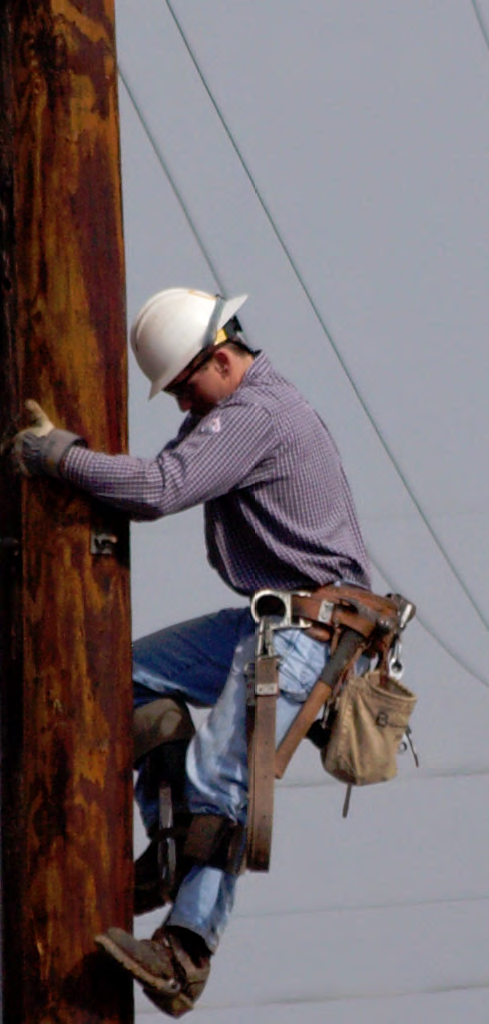
The workers are busy working.

The targeted subsidy plan, which was implemented in Iran based on the recommendation of the International Monetary Fund, aims to liberalize the prices of goods and services and make them competitive according to market-based economic policies. As a result, the economy of Iran is becoming increasingly dependent on capitalist societies. Now, after two years of targeted subsidies in Iran, the country has experienced a significant increase in cash rates, inflation, and unemployment. The most important issue is the living conditions of the workforce, who are currently struggling with unemployment.

In capitalist countries, after the subject of capital and capitalists, employment becomes the most important issue. This is because labor is the only force that gives meaning to production through the use of capital. For this reason, the issue of unemployment is very important in these economies and the unemployment rate indicates the lack of use of capital and recession in the business environment.

On the other hand, due to the competitive nature of the market, the possibility of risk-taking in the market economy is very high and the business environment is risky, with the possibility of bankruptcy at any moment. In such a situation, employment is accompanied by economic, political, and social crises and fluctuations. Therefore, in order to support the workforce, unemployment insurance becomes very important. In this way, whenever an employed person becomes unemployed for any reason, such as work accidents or bankruptcy, during their contract period, the government and the Social Security Organization are obliged to pay a minimum of their expenses, and by introducing them to employment agencies, they support them until they are employed again.

The unemployment insurance situation in Iran.

Untitledrj

In Iran, the Unemployment Insurance Fund has been providing financial assistance to workers who lose their jobs for years in order to help them return to the workforce. The process usually involves the individual being referred to the fund by the Ministry of Labor after their employment is terminated. The fund, which is under the supervision of the Social Security Organization, pays a minimum of six months’ salary to the unemployed person from the 3% contribution received from employers. Depending on their marital status and changing circumstances, the individual may receive financial assistance for a period of 36 to 50 months, as specified in the law. During this time, the unemployed person must actively seek new employment by visiting job centers and must inform the fund as soon as they are employed in order to stop receiving financial assistance. In the fourth development plan, the government was asked to reduce the duration of unemployment benefits to a maximum of 36 months. Therefore, the government was in the process of drafting a new bill to update the law in

The eighth session and the disagreement over labor laws with the government.

At the same time, some representatives of the eighth parliament, when the government presented the mentioned bill, took the initiative and passed the unemployment insurance plan in the social commission. However, despite its urgent approval, this plan still needs time to be implemented. The most significant differences between the representatives’ plan and the government’s bill are the allocation of unemployment insurance to job seekers and the reduction of the employer’s share and self-insurance of employers. According to this plan, job seekers will receive a stipend while waiting to find their desired job, and as an incentive policy, the employer’s share will decrease from three percent to two percent, and the remaining one percent will be divided between the employed individual and the government. However, there is no practical guarantee that in a recessionary environment, employers will take action to attract more labor.

Although the government and parliament have understood the necessity of changing laws regarding social security for workers and employees, the silence on this bill and the lack of implementation of other necessary conditions for the evolved and up-to-date implementation of unemployment insurance show that the concept of social insurance and social security alongside the concept of welfare state is not being fully realized.

While in developed countries, due to the fact that citizens’ taxes play a major role in providing financial resources and budget, more supportive policies are considered for the citizens, as they expect the government to be concerned about their fate in times of economic crisis with the income collected from taxes. Meanwhile, the majority of political and social power of the government is currently being spent on developing infrastructure and providing conditions for their use. However, policies such as Article 44 and targeted subsidies are still not properly implemented, and the private sector lacks the necessary confidence to participate in the market. Most importantly, due to oil revenues, the government plays the role of not only managing affairs, but also allocating budget to various sectors of society, from economy to art and sports, as both the decision-maker and implementer.

Changes in the structure of government and the ninth parliament.

In the ninth parliament, the discussion on labor laws and support for workers has not yet reached a conclusion. In addition, structural changes in the merging of ministries and the formation of the Ministry of Labor, Cooperatives, and Social Welfare have also had an impact on this issue. After the start of the ninth parliament, 22 years after the approval of the labor law, the government sent a bill to the parliament to amend 86 articles of the labor law. This bill became a major challenge between workers and employers. Based on this, the government decided to address some of the shortcomings and deficiencies through these amendments. However, labor activists believe that the amendments made to the labor law only reflect the government’s desires and have been implemented without considering the opinions of social partners. It should be noted that the labor law is one of the most important laws that has economic, social, and political aspects, and the need for its amendment and change in accordance with the country’s economic and social changes is of special

Labor law or slavery law?

The vice president of the Labor Faction of the Parliament considered the bill to amend the labor law in line with the interests of employers and said: “We do not accept this bill because it is more similar to a slavery law when looked at unilaterally.” Nader Ghazi Pour, representative of the people of Urmia, referring to the bill to amend the labor law submitted by the government to the parliament, said: “According to the Fourth Development Plan of the country, the government was obliged to amend the labor law and finally, with a significant delay, presented this bill to the parliament.” The vice president of the Labor Faction of the Parliament emphasized: “The labor law is a triangle in which the government, employer, and worker should all have a role, but in the current amendment of the labor law, labor representatives had no role and were only invited to sign the bill after it was finalized.” A member of the Industries and Mines Commission of the Parliament stated that labor representatives do not

Judgepour also added: The amendment to the labor law is mostly a law of slavery, ignoring the rights of workers. The representative of Urmia, referring to the efforts of the labor faction of the parliament to defend the rights of workers, stated: We have sworn to defend the rights of workers and we believe that the amendment to the labor law has a pro-employer perspective.

The Vice President of the Workers’ Faction of the Parliament emphasized the necessity of interacting with workers’ groups in drafting the labor law and said: “We have meetings with members of the Workers’ House and the Islamic Labor Council to carefully review the labor law and address any issues so that workers’ rights are not violated.”

New controversy between the government and the parliament

On the other hand, recent conflicts between the parliament and the government, as well as the controversy between Larijani and Ahmadinejad during the impeachment session of the Minister of Labor, have added to the situation. The impeachment, which had a long story, resulted in the dismissal of Saeed Mortazavi, the prosecutor, and the reopening of the case of Kahrizak and the events after the 2009 elections. The impeachment was first raised in the eighth parliament and was taken up again by the ninth parliament. The Supreme Court had also ruled twice for the dismissal of Mortazavi, but the government insisted on keeping him. The regulations and authorities in the cabinet were changed so that this accused person could remain in the government, and ultimately led to the approval of the impeachment of the Minister of Labor by the representatives and his dismissal. Now, the Ministry of Labor is left without a minister. The Social Security Organization is also under the control of Saeed Mortaz

Death of humanity

Simin Dabiri: The resistance prisoners of the Shah’s prisons were released in the 1960s.

In the previous issue of the monthly magazine “Face to Face”, which aims to discuss and document the torture of prisoners, especially the use of white torture, we turned to Hossein Ghabraei.

Simin-Dabiri-Yonge

In this issue, we have a conversation with “Simin Dehghani”, a former member of the Fedaian Khalq Organization. Mrs. Dehghani was born on May 31, 1954 in a large family in Tehran and later became a math teacher at a school in Shemiran-e-Nou. At the age of ten, she lost her mother and, according to her own testimony, became politically active after her mother’s death. “I had a privileged family and had never seen the south of the city, but after my mother’s death, who was buried in Ibn Babawayh, we used to go to those areas often to give charity. On one occasion, when we went to give charity to Shah Abdol Azim (I was about thirteen years old), people rushed to our car for some meat and fruit, and within seconds, all the food was gone. A woman who had a child with her near our car didn’t get anything

Simin Dabiri, referring to her becoming a student in Khordad of 1352, became a supporter of the Fedaian Khalq organization and began her activities. She continued her activities with this organization until 30 Khordad of 1360. However, after the separation of Ali Keshavar from the Fedaian majority, the Fedaian Khalq organization split from the Tudeh Party in the midst of efforts for unity. Ali Keshavar joined the group and regarding her own arrest, she says: “In Khordad or Tir of 1361 (I don’t remember the exact date, but I am sure it wasn’t too hot outside), while driving on the street, a Benz car cut me off and stopped my car. Without any explanation, they pulled me out of my car and threw me into their car by pulling my hair from under my scarf (I had long hair at the time). Two guards sat in front and another

He continues like this: “The path we took wasn’t long because they stopped me in front of the Hilton hotel, which wasn’t far from Evin, but they still started asking me questions. However, I told them that I wouldn’t answer any questions at the moment and I was just looking outside (they hadn’t blindfolded me on the way) and they laughed and said, “So you know you won’t see outside anymore.” I remained silent, but the reality was that it felt like I was saying goodbye to the outside world. When we arrived at Evin, they took me to a small room and stripped me naked and searched my whole body in a humiliating and degrading manner. I think they were looking for cyanide. From there, they blindfolded me again and took me out of that room.”

He responds to the question of what charges he was arrested for by saying, “At that time, it wasn’t like they would bring up charges. In fact, from the 60s onwards, anyone they saw on the street and suspected, they would take and interrogate. This issue was not just about me. There was no opportunity or courage to ask these things. For example, during my detention, I would often hear the screams of people (mostly men) who had come to Tehran as workers and were being tortured, saying that we were from the countryside and came here for work, we were just ordinary travelers who had rented a room in Naser Khosrow… and there was no lawyer involved. When I read about the current conditions of prisons, I can’t imagine anyone being able to endure that time again.”

This former political prisoner adds: “On the first day, they took me from that small room to a place that was muddy and rainy. Along this short path, walking behind someone, I fell to the ground several times because I was not used to moving with my eyes closed and with a blindfold; for example, you cannot walk with a blindfold. They took me to a place that I think was part of the courtyard (because I could feel the open air and there was water up to my knees) and they didn’t come back to me until night. I only realized the presence of another boy there and I don’t know if there was another person there or not! Because in the first days, when you take off your blindfold, you don’t know what kind of world you will face. During that time, because we were not given any food and we couldn’t go to the bathroom, we hit the iron door that was closed after we entered and said that we need

Mrs. Davari, emphasizing once again that walking with blindfold was very difficult, especially in the first days, says: “Eventually, the night raids came for me and took me to a place called the branch. Before entering Evin, they would take everyone to the branch, where all the interrogation rooms were located. In the hallway, you could hear so much screaming and commotion from torture that it would make your brain stop working and you couldn’t even recognize human voices. It was astonishing how a human could produce such sounds from their throat! They kept me there for hours, listening to the sounds; sometimes hearing those sounds would crush one’s spirit.”DSC_1545

He stated about his treatment of his interrogators: “After they took me to the interrogation room, the interrogator stood behind me and every time he asked me a question and I didn’t answer, he would hit me with a cable on my back and head. The interrogations were mostly related to the school where I taught in 1979 and had become a member of the teachers’ association. The main reason was that they didn’t have any evidence of my involvement in any political party. The interrogator said my crime was that I had taken one of the members of the school’s Islamic association to Kurdistan and assaulted her. I knew this story was completely fabricated and baseless, so I didn’t know how to respond. Of course, the interrogator repeatedly asked which organization I was working with and I would answer that I wasn’t politically active until 1982 and after that, I only worked with the majority party, but only as a simple supporter and my activities were limited to distributing

I ask of him to speak more about his interrogation torture: “See, the children of Branch 5, who were mostly made up of the majority, the killers, the masses, and the sufferers, their torture was limited to just beating and whipping, and the more severe torture was inflicted upon the minority children, the fighters, the warriors, the laborers, and worst of all, the Mujahideen; the torture they inflicted upon the Mujahideen children was unimaginable. It was completely different and they would truly beat them to the point of death. For example, when I was taken to the cell, they brought a 16-17 year old Mujahideen girl to our neighboring room, who was covered in blood and bruises, and they had beaten her so much that she couldn’t even stand! The girl was saying to herself: “Oh God, help me keep my mouth shut tomorrow…” In the middle of the night, the cell suddenly became crowded and

He says that there were also other tortures that, because they saw the communists as a bunch of infidels, were allowed to do to them. For example, on the first night of his interrogation, his interrogator, Keshvari, would say vulgar things to him and ask how he remained a virgin until the age of 26 and never had sexual relations with his comrades. He continues, saying that during these statements, the interrogator would get closer to him while being heavily agitated… He believes that the things said to him were even worse than what was said to Saeed Emami’s wife.

It was around 10 PM when the power went out. Despite having blindfolds on, we could still see a little bit of light from below. We had to fill out interrogation forms using this light. A man named Rahimi was interrogating me. He said, “Aren’t you afraid of me? We’re alone and I can do anything to you.” I replied, “If you mean you want to assault me, go ahead. It’s just another form of torture.” He fell silent after that.

Simin Dehghani, in response to the question of why, according to her, members and supporters of the Mujahedin organization were subjected to the most severe tortures, says: “The reason was that the Mujahedin were an Islamic organization and the regime saw them as a threat to the part of the population that believed in religion; but the communists, because they claimed not to believe in God, may not have been as dangerous to them. In any case, the people of Iran were religious. If they turned against the regime, the first force they saw as close to themselves was the Mujahedin. In any case, the main goal of the government was to eliminate organizations through disclosures and identifying individuals, and they were successful in doing so until 1983. These tortures led to the destruction of the organizations.”

I knew someone who was arrested during the time of the Shah. They were initially sentenced to death, but then it was changed to life imprisonment. They were severely tortured, for example, their nails were pulled out to the point of turning into poison. Despite all of this, they resisted, but this same person repented after their arrest in the 1960s. During the time of Shah Savak, they knew that if they didn’t get information within 24 hours, the information would be destroyed and the torture would stop. But after the revolution, their activities were public and even took place in middle schools…

He emphasized that the mental tortures were getting worse and worse, because for example, when the children returned from being whipped, they would laugh after a few minutes and after a few days the pain of the torture would go away, but the pain of the mental tortures affected a lot of people mentally. This continued: “One night they came and gave the wedding ring of one of our fellow prisoners to her husband, and well, this meant that her husband had been executed; this was while a few days later they took her and executed her. So by giving that ring, they wanted to torture her in the worst way possible before she died.”

Or in another case, they would take those who had been sentenced to death to the top of the hill and blindly start shooting and raining arrows, but intentionally not hitting one or a few people; they would leave them alive. One of our cellmates was one of these survivors who became insane after this incident.

I ask of him to tell me how often he was able to visit his family: “We had a monthly visit for ten minutes, and six months after my arrest I had my first visit, but it depended more on the files and disciplinary matters; there were those who were banned from visits and had not seen their families for three years, meaning they had never had a visit. Regarding this, I should mention that there was a TV program at 4-5 pm that showed pictures of missing persons and we would laugh because we often saw pictures of some of our cellmates among them.”

This former political prisoner speaks about the prison environment and its hygiene conditions, saying: “Those who were kept in solitary confinement for long periods of time were usually not allowed to use the bathroom and when they were brought back to their cells, they would bring lice with them. The officials would then spray us with DDT, a chemical used to fight pests, to kill the lice.”

We also lived in a room where the children who were imprisoned during the time of the Shah used to say that after the United Nations visited Evin, when there were only 12 prisoners in that room, they criticized that the room was only suitable for 8 people. However, in our room, we reached 186 people and there was no space to sleep in the overcrowded room. I can confidently say that I never felt the ground beneath my body and we actually slept on top of each other. Due to physical torture during interrogations, most of the children had kidney problems and had to go to the bathroom at night. Going to the bathroom was truly agonizing and if someone was feeling unwell and had to go at night, they would be kicked by at least ten people until they reached the door. During the day, only a few people could sit, while others had to stand and this created a dizzying atmosphere.

On the other hand, we could only go to the bathhouse twice a week. The time when they kept the water warm was limited and because we were communists, they would say that we were impure and had to go to the bathhouse last. For all the prisoners, there were only 5 showers available (three cabins and two showers in the hallway) so we had to go under each shower with 6-7 people and take a shower in five minutes. Of course, I shouldn’t even mention the shower, we would just splash ourselves like cats! Despite all this, the water would always turn cold and some people had to use the same cold water that felt like a razor on their hands. During the New Year’s holiday in 1362, they locked us in our room as punishment and we didn’t have a bath for two weeks.

The condition of the toilets was even worse than the bathrooms; for nearly 600-700 prisoners, there were only six toilets and we always had to stand in line for hours. (We made exceptions for those who had kidney problems and they were allowed to use the toilet out of turn.) And even then, not all of the toilets were functioning properly. Then they would give us a small shovel and we had to do our business right there and then lift the shovel, take it to the open-air area on the lower floor, empty it in the courtyard well, and then return. Imagine having to hold a shovel full of waste…

He mentioned the difficult situation of women in prison, saying: “Having a period was truly torturous. In the beginning, they didn’t give us any sanitary pads and we had to tear up our clothes and use them instead. Then we would wash the same pieces of cloth in cold water and dry them on the radiator. We would use these dirty cloths over and over again. That’s why more than half of the population in the room suffered from women’s diseases and had itching, burning, and pain… Later, when they started distributing sanitary pads, they would only give our room thirty packs, which still wasn’t enough for anyone.”

He points to the Iran-Iraq war and says, “They didn’t give us enough food and sometimes we protested because of extreme hunger, but Lajvardi said that even this amount is too much, because your families outside of prison are using your coupons!”

Ms. Davari states that at the end of “listening to the sounds of mourning and songs of blacksmiths from 5 am to 12 pm”, “not having the right to use the air conditioner for several months” and “nighttime patrols of their belongings” are among the major sources of mental distress for the officials.

Simin Dabiri became ill with a severe disease for unknown reasons after the court hearing and before the verdict was issued. Prison health officials diagnosed her with blood cancer. Her condition was so critical that she constantly lost a large amount of blood from her body for two months. According to her, she was released in late summer of 1984 (Shahrivar month) due to the doctors’ diagnosis of the disease’s progression and her imminent death. Her unexpected release surprised her cellmates, who thought she had been executed or transferred to Gohardasht prison in Karaj until her next visit when the mother of one of the prisoners informed them of her release. The treatment process of this former political prisoner, despite being twenty years ago, is still ongoing….