


Mahsa Amini
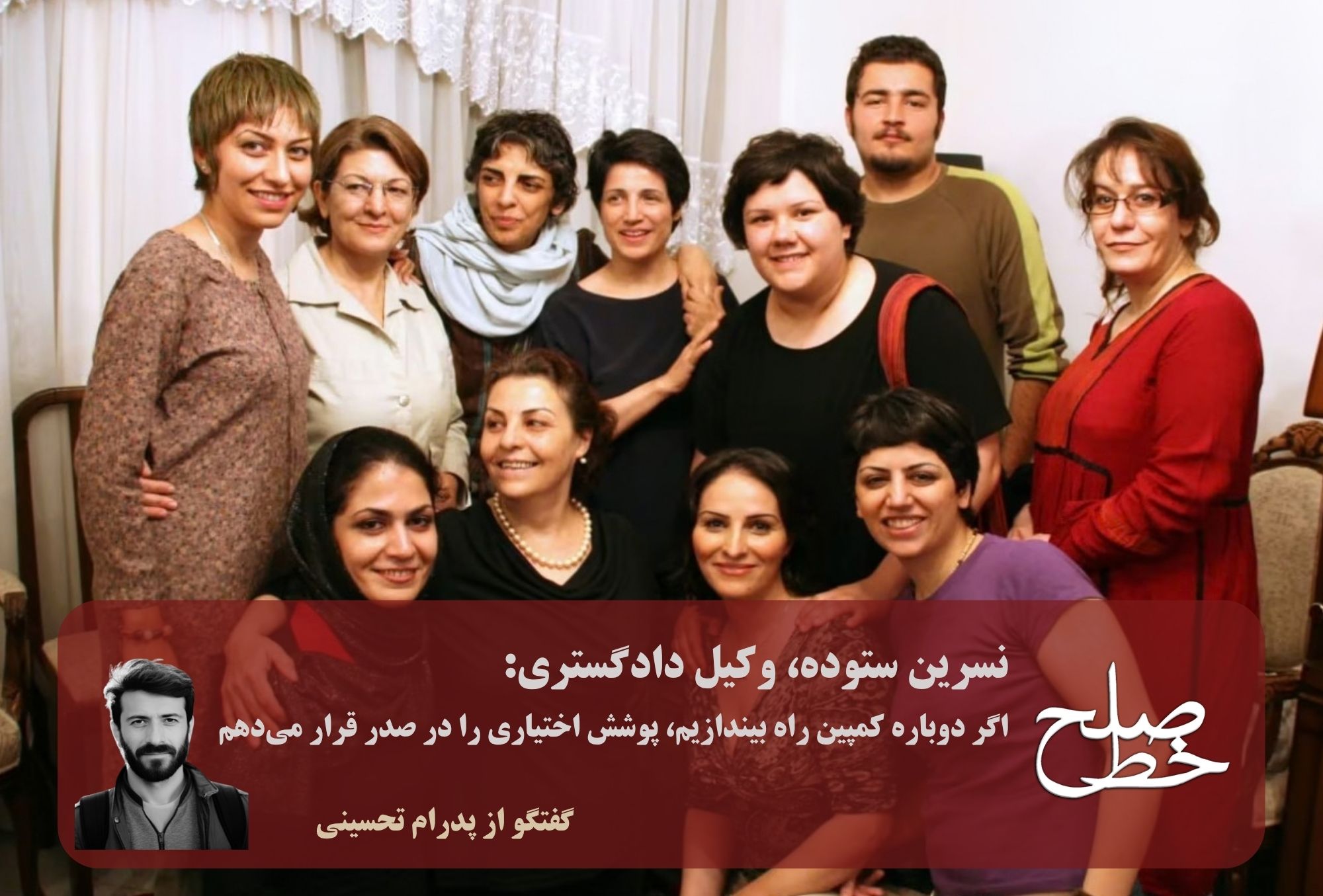
Nasrin Sotoudeh: If We Were to Launch the Campaign Again, I Would Put Optional Hijab at the Top of the Agenda/ Pedram Tahsini
The One Million Signatures Campaign can be regarded as one of the most important and influential experiences of women’s civil activism in contemporary Iran—an experience that emerged from legal demands, entered the public sphere, faced repression, and, despite the cessation of its activities, played a significant role in changing attitudes and expanding women’s demands. What […]...
Read more By:
Padram Tahsini
 September 23, 2026
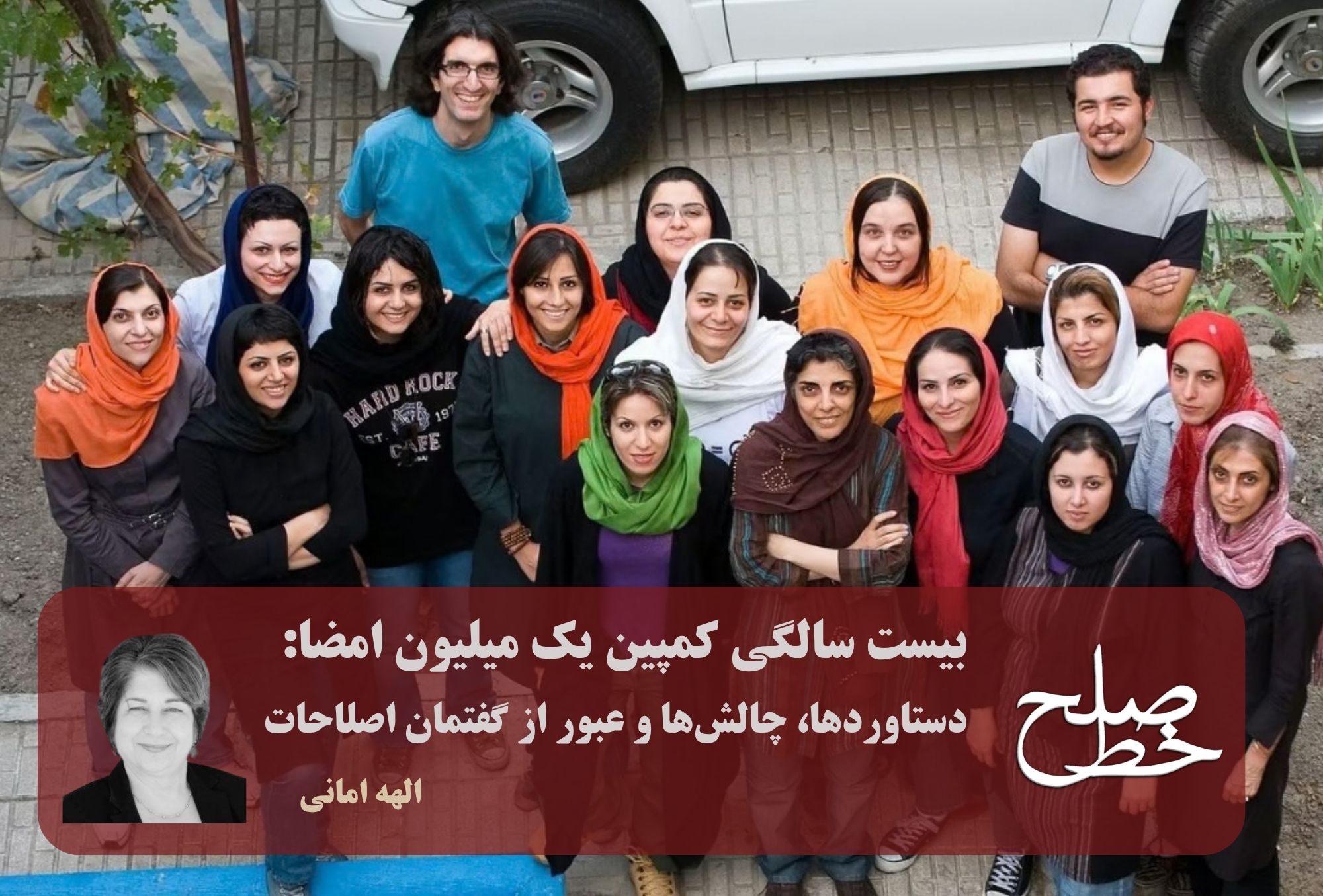
The Twentieth Anniversary of the One Million Signatures Campaign: Achievements, Challenges, and Moving Beyond the Reformist Discourse/ Elahe Amani
The One Million Signatures Campaign in Iran cannot be understood without considering the experience of the women’s movement in Morocco in the early 1990s. Iranian women activists drew inspiration from the Moroccan experience, particularly its use of large-scale signature collection as a tool for social mobilization, raising public awareness, and creating pressure to reform discriminatory […]...
Read more
By:
Elahe Amani September 23, 2026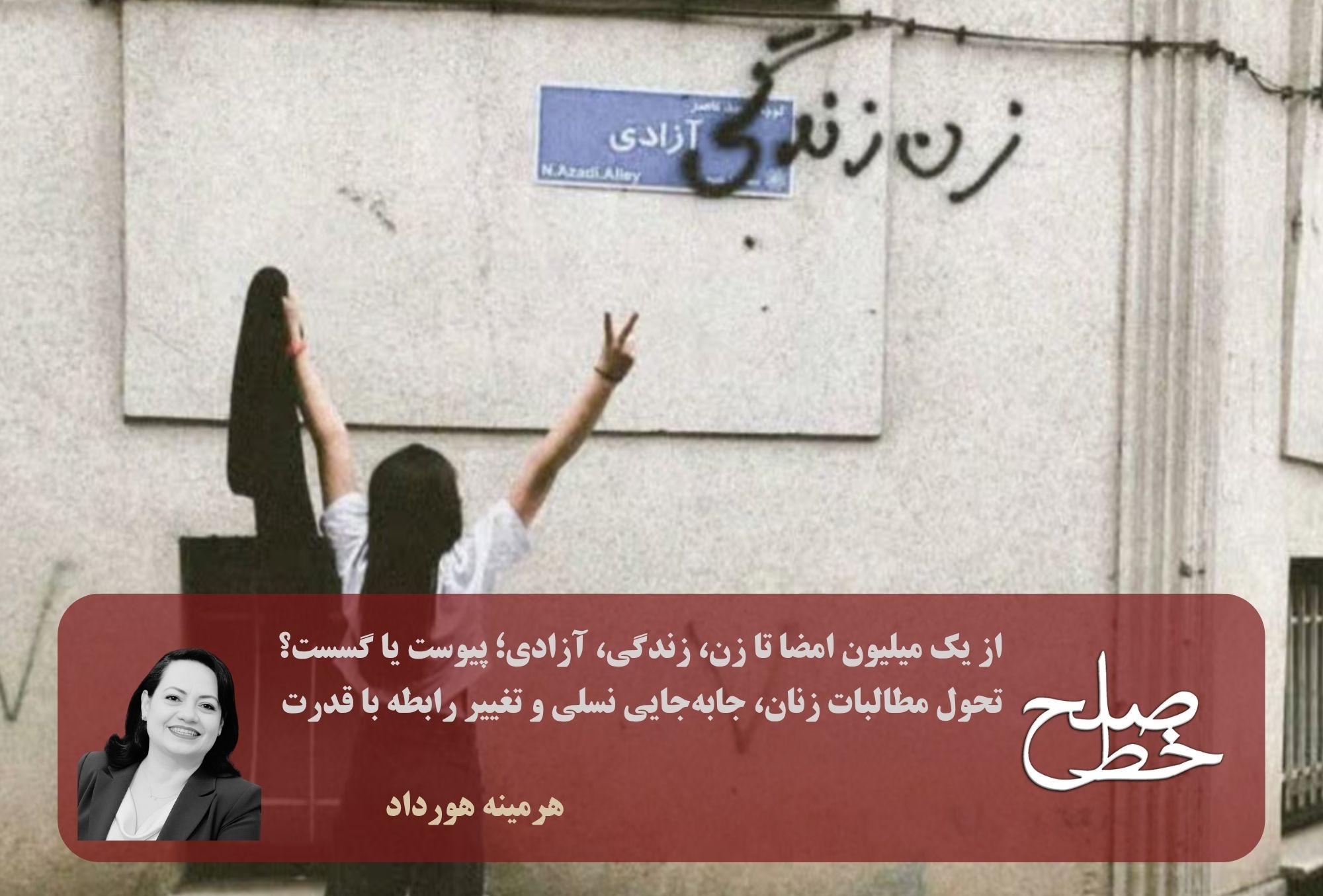
From One Million Signatures to Woman, Life, Freedom: Continuity or Rupture?/ Hermineh Hourdad
When we speak today of the “Woman, Life, Freedom” movement, there is a strong temptation to begin everything in September 2022 (Shahrivar 1401), as though the death of Mahsa (Jina) Amini suddenly gave birth to the questions of women, freedom, and the body in Iranian society. But the memory of the women’s movement tells a […]...
Read more
By:
Hermineh Hourdad September 23, 2026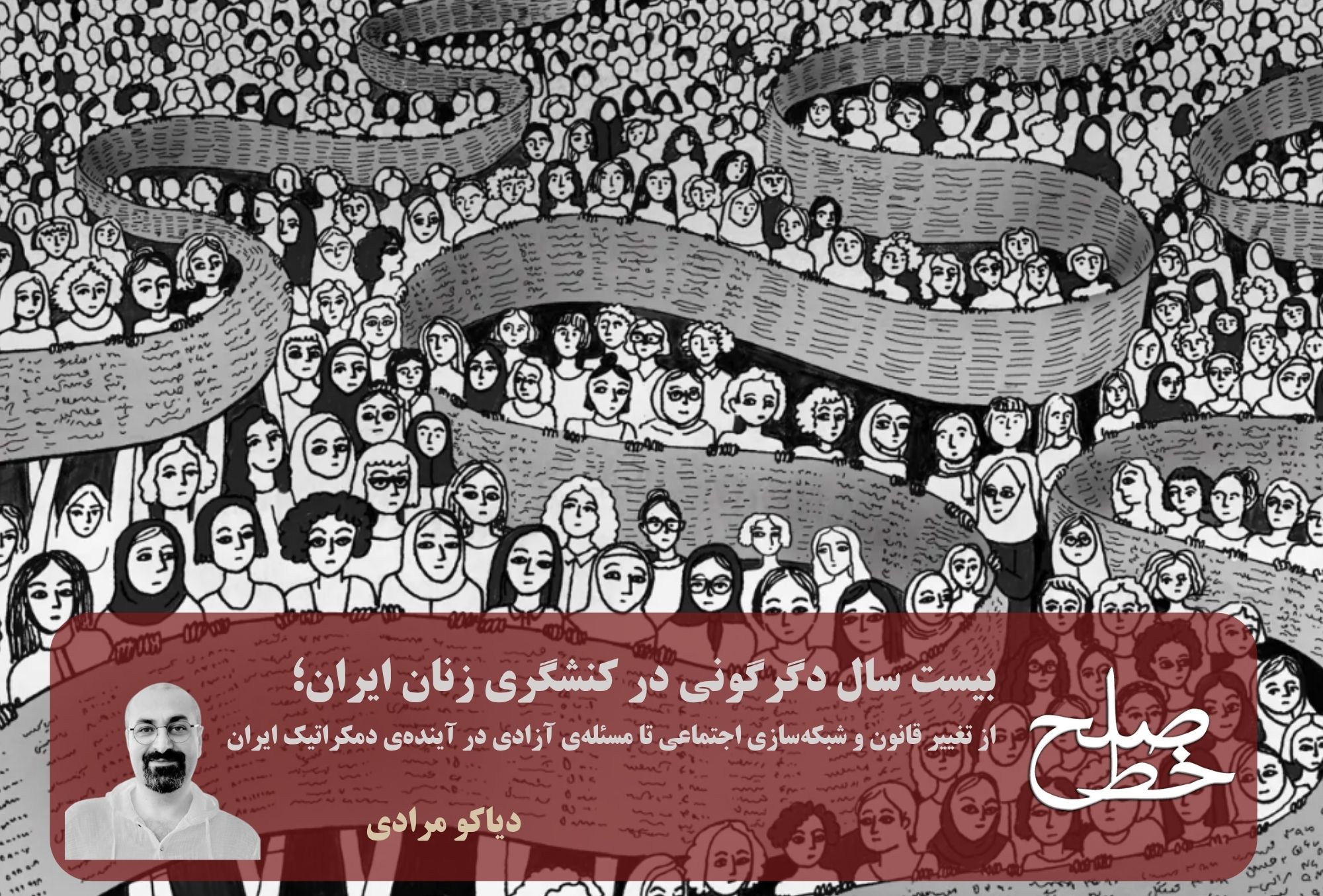
Twenty Years of Transformation in Iranian Women’s Activism/ Diako Moradi
Twenty years after the launch of the “One Million Signatures Campaign to Change Discriminatory Laws,” revisiting this experience becomes meaningful when we assess it not only by the number of signatures that were supposed to be collected or the laws that were supposed to be changed, but by the impact it had on forms of […]...
Read more
By:
Diako Moradi September 23, 2026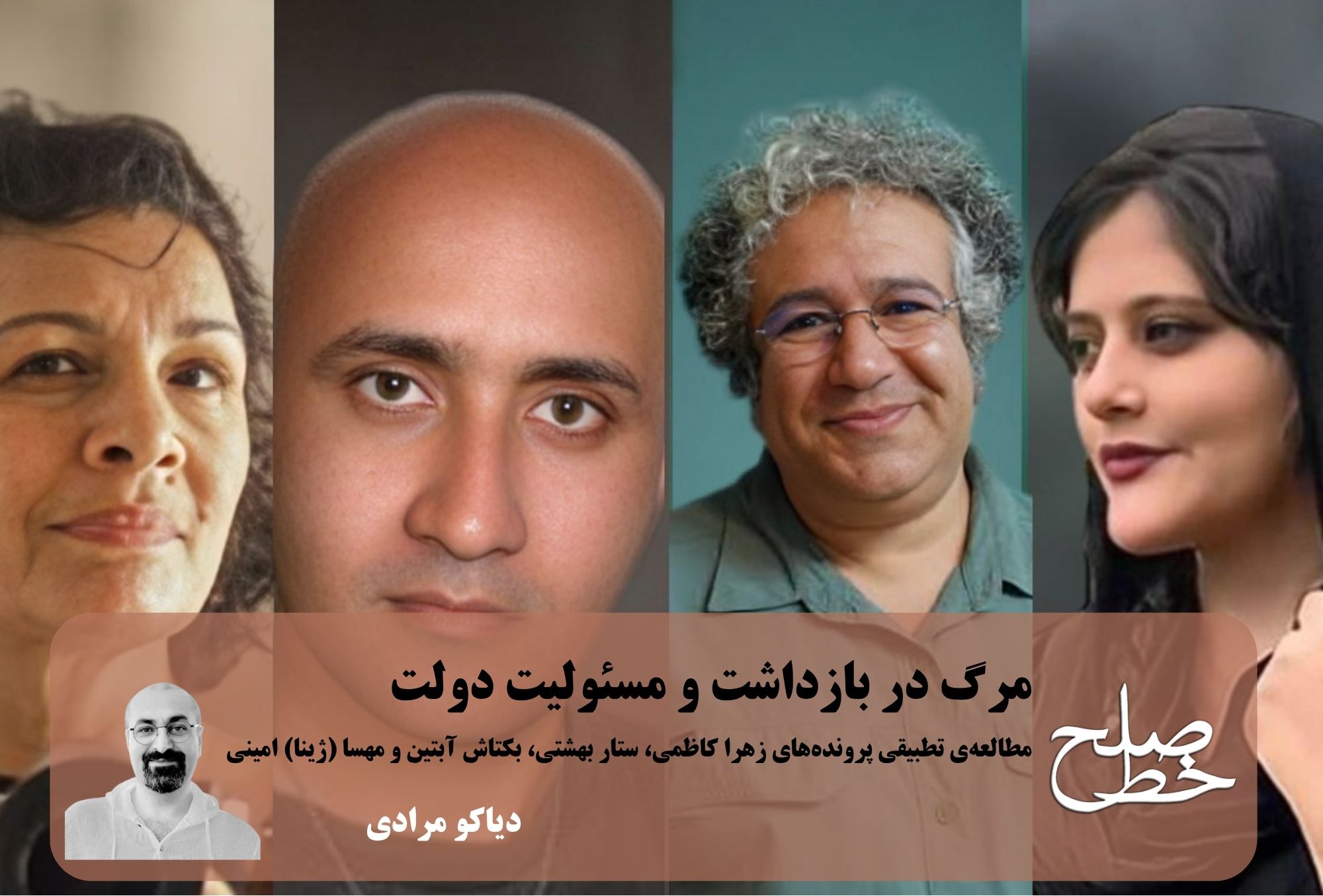
Death in Custody and State Responsibility/ Diako Moradi
Deaths in custody are among the most sensitive issues in international human rights law and one of the most significant indicators for assessing a state’s commitment to the rule of law. When an individual is deprived of liberty, the state assumes not only the authority to restrict that person’s freedom but also the direct responsibility […]...
Read more
By:
Diako Moradi July 23, 2026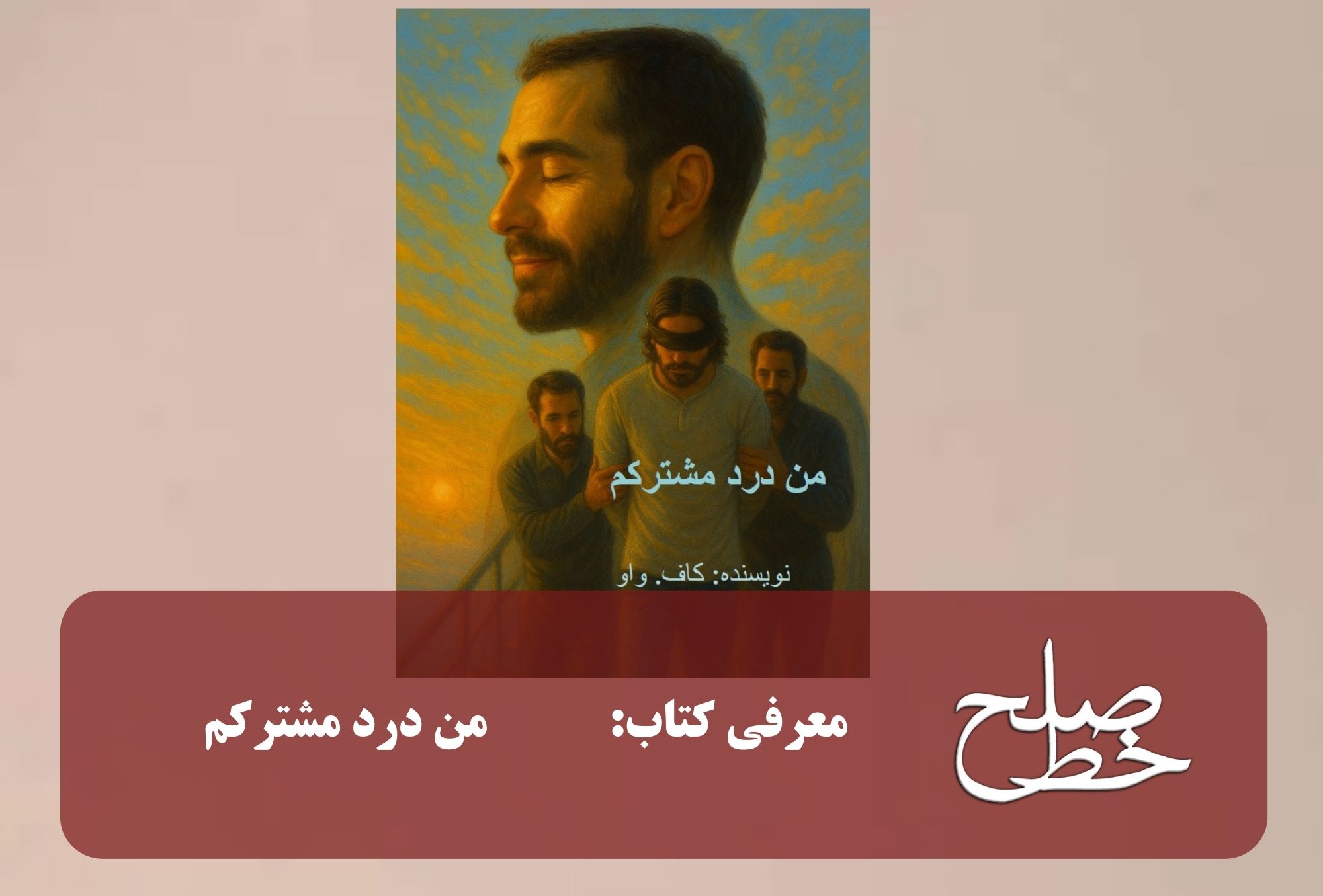
Book introduction: I am a common pain.
My Common Pain is a literary account of the collective experience of a generation that culminated in the “Women, Life, Freedom” uprising in 1401. In this work, the author has not sought to provide accurate and documented historiography, nor a mere retelling of events; rather, by using a fictional narrative, he has attempted to recreate […]...
Read more
By:
Admin September 23, 2025
The necessity of educating adolescents and young adults about the harms of capital punishment / Arash Mohammadi
The death penalty, as one of the most severe and irreversible forms of punishment, has always been a subject of serious debate among legal scholars, sociologists, and human rights activists. In the Islamic Republic of Iran, execution has not only been a judicial tool, but also a political and ideological one, used in many cases […]...
Read more
By:
Arash Mohammadi April 21, 2025
How the “Women’s Freedom Movement” made it impossible to go back; a conversation with Azar Tashakkor / Pedram Tahsini
Azar Tashakor is a sociologist and an active researcher who is concerned with social changes. She has carried out various research and facilitation projects throughout Iran, mostly in the areas of cities and women. In addition to observing, writing, and presenting sociological analyses, Azar Tashakor is also a life coach. She explains that coaching is […]...
Read more
By:
Padram Tahsini August 22, 2024
Two years after the “Mehsa” movement; Is the Islamic Republic seeking revenge against women? / Sina Yousefi
One of the most significant social and political developments in recent years in Iran is the “Woman, Life, Freedom” movement, also known as the “Mahsa” movement. It began in late summer 2022, coinciding with the death of Mahsa Amini at the hands of the Iranian police (morality police), and has continued in various forms since […]...
Read more
By:
Sina Yousefi August 22, 2024
“Jenbesh-e Mahsa, Iranian Civil Resistance and the Role of Women / Majid Shia’ali”
The contemporary history of our country is filled with violent protests and nonviolent resistance for changing the political power structure; so much so that it could be considered the first civil resistance of the 20th century by Iranians. This is because the Constitutional Revolution of Iran in 1905-1906 is listed as the first nonviolent revolutionary […]...
Read more
By:
Majid Shia’ali August 22, 2024
The death penalty, a tool for solidifying dictatorship and perpetuating tyranny/ Atena Daemi
We are on the eve of the anniversary of the executions of the summer of 1367. The dark summer in which thousands of political activists were executed, in violation of the law. Among these men and women, many had completed their sentences and were looking forward to their freedom. But they were executed, en masse […]...
Read more
By:
Atena Daemi August 22, 2024
Message from Women Prisoners: Issuing the death sentence, revenge of the government from women/ Nasim Mogharab
During the short period since the issuance of the death sentence for Sharifeh Mohammadi and Parichehr Azizi, multiple statements have been released in protest against the issuance of these sentences and the danger of similar sentences being issued for Vida Movahedi and Nasim Gholami Simiari. Paying attention to the letters and analyses published by imprisoned […]...
Read more
By:
Nasim Mogharab August 22, 2024
