


Violence
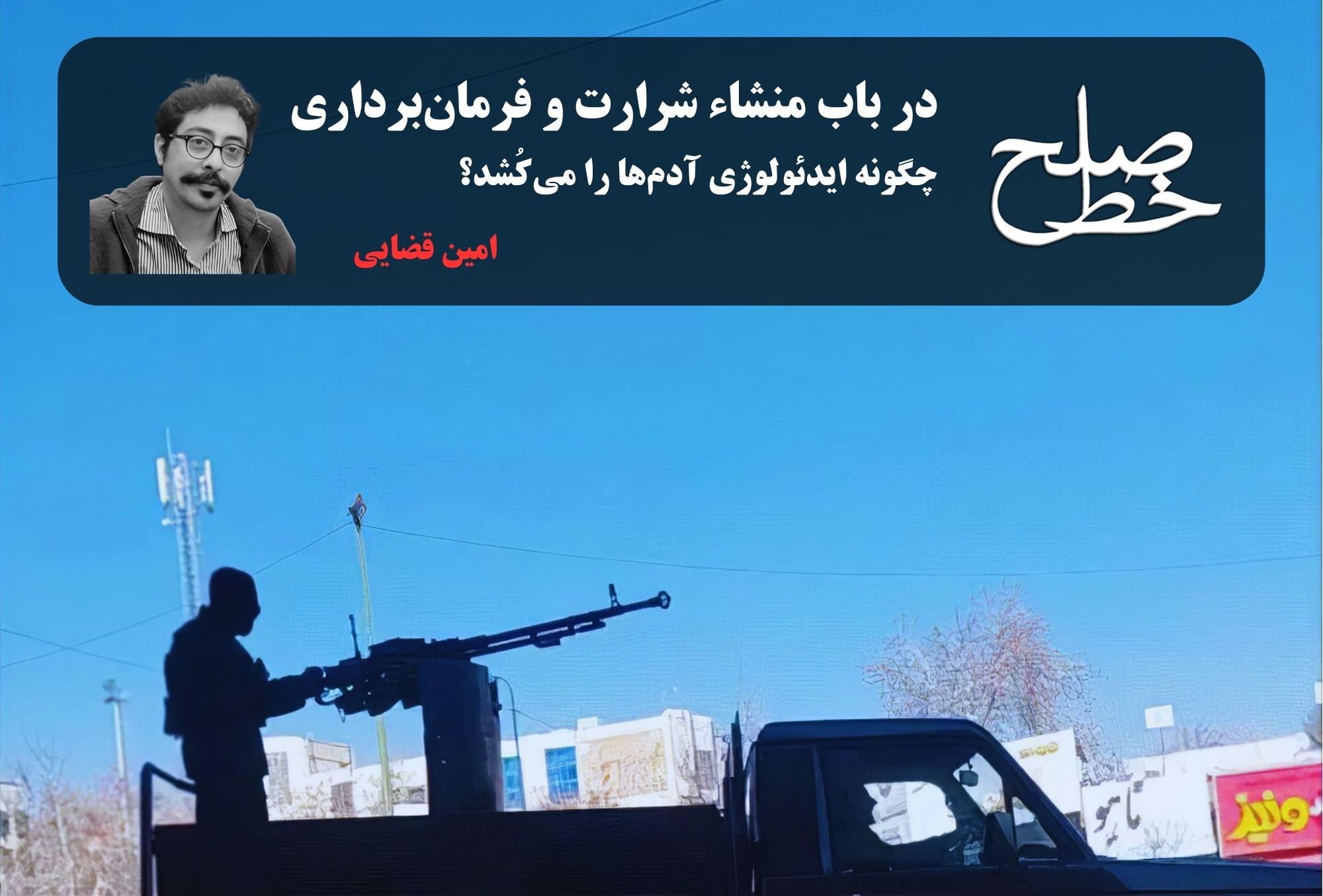
On the Origin of Evil and Obedience/Amin Judiciary
The atrocities of World War II and the participation and complicity of the German people with the Nazi regime, in the guise of a soldier or government agent, in the murder of millions of people in the death camps, posed a fundamental question to sociologists: How could an ordinary German citizen be so obedient and […]...
Read More Created By:
Amin Ghazaie
Created By:
Amin Ghazaie February 20, 2026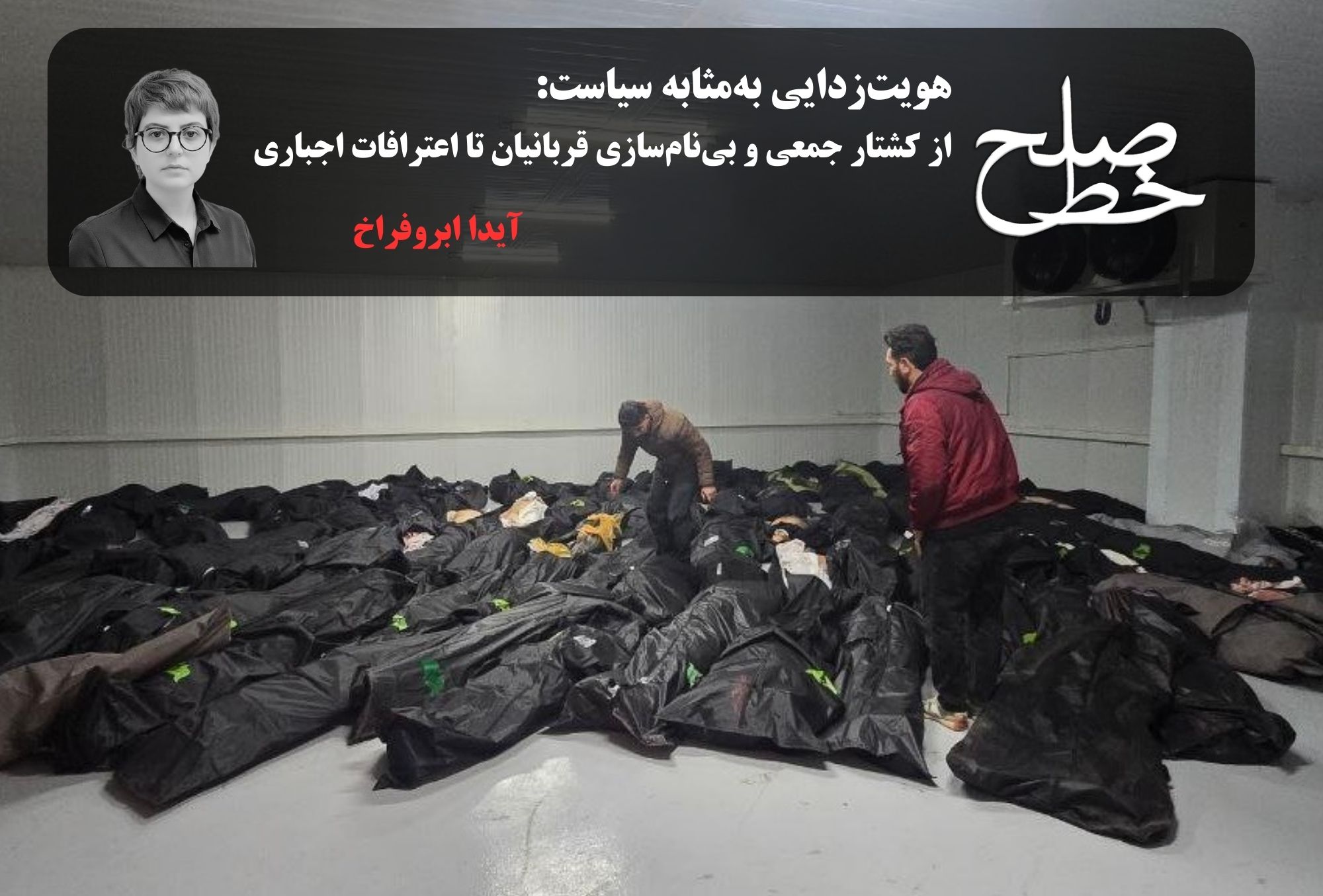
De-identification as Politics/Aida Abrofarakh
In the analysis of state violence, a focus solely on the moment of killing or the number of victims often obscures the deeper mechanisms that enable and anchor widespread violence in a social context. Violence, especially in the form of mass killing, is not a sudden, momentary act, but a gradual process that begins before […]...
Read More
Created By:
Aida Abroufarakh February 20, 2026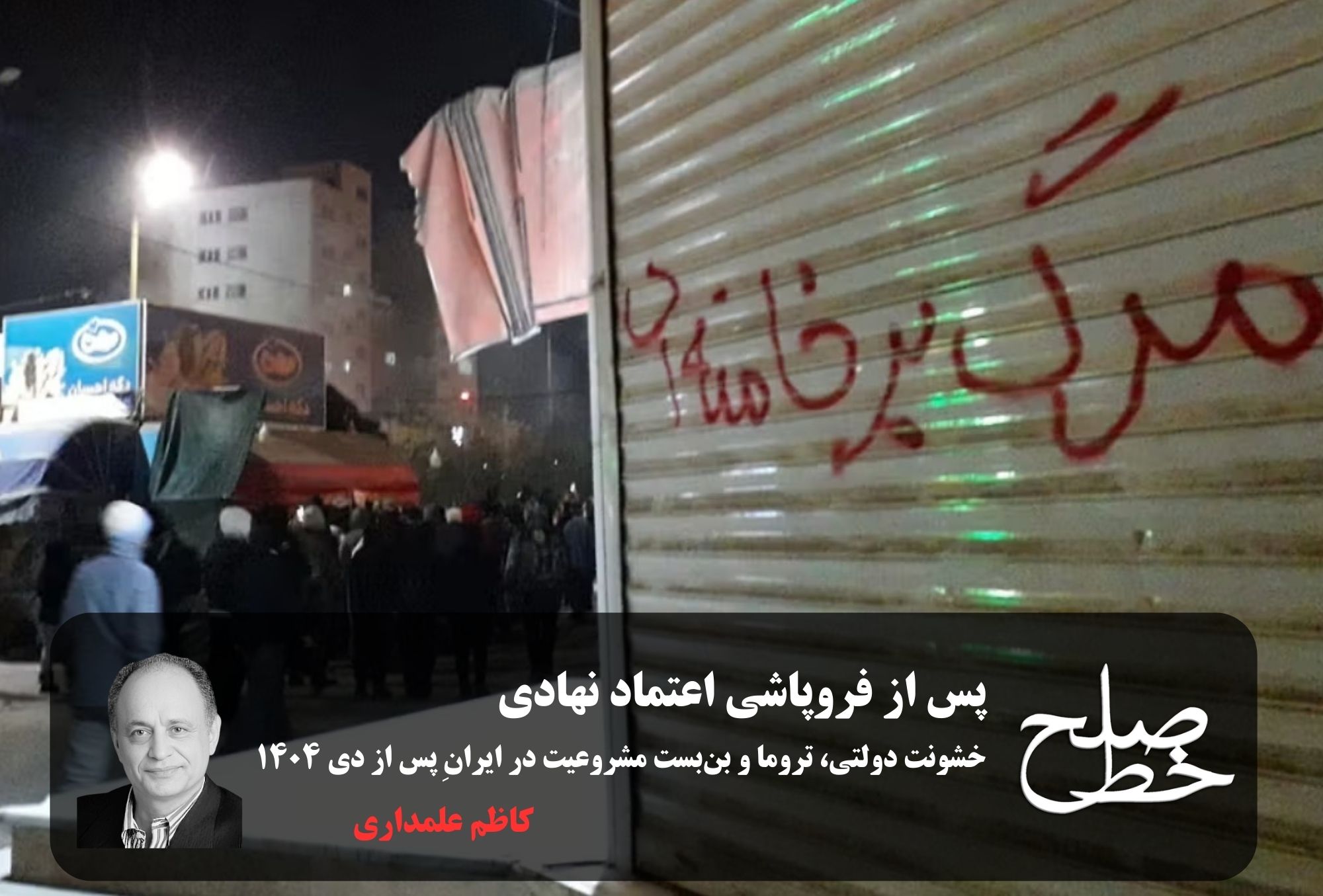
After the collapse of institutional trust/ Kazem Alamdari
Introduction: From political crisis to normative crisis The political developments in Iran in recent years cannot be analyzed simply in terms of a recurring cycle of “protest-repression.” What happened in the recent uprising—and especially the government’s response to it—reflects the entry of the Islamic Republic’s political order into a qualitatively different phase. At this stage, […]...
Read More
Created By:
Kazem Alamdari February 20, 2026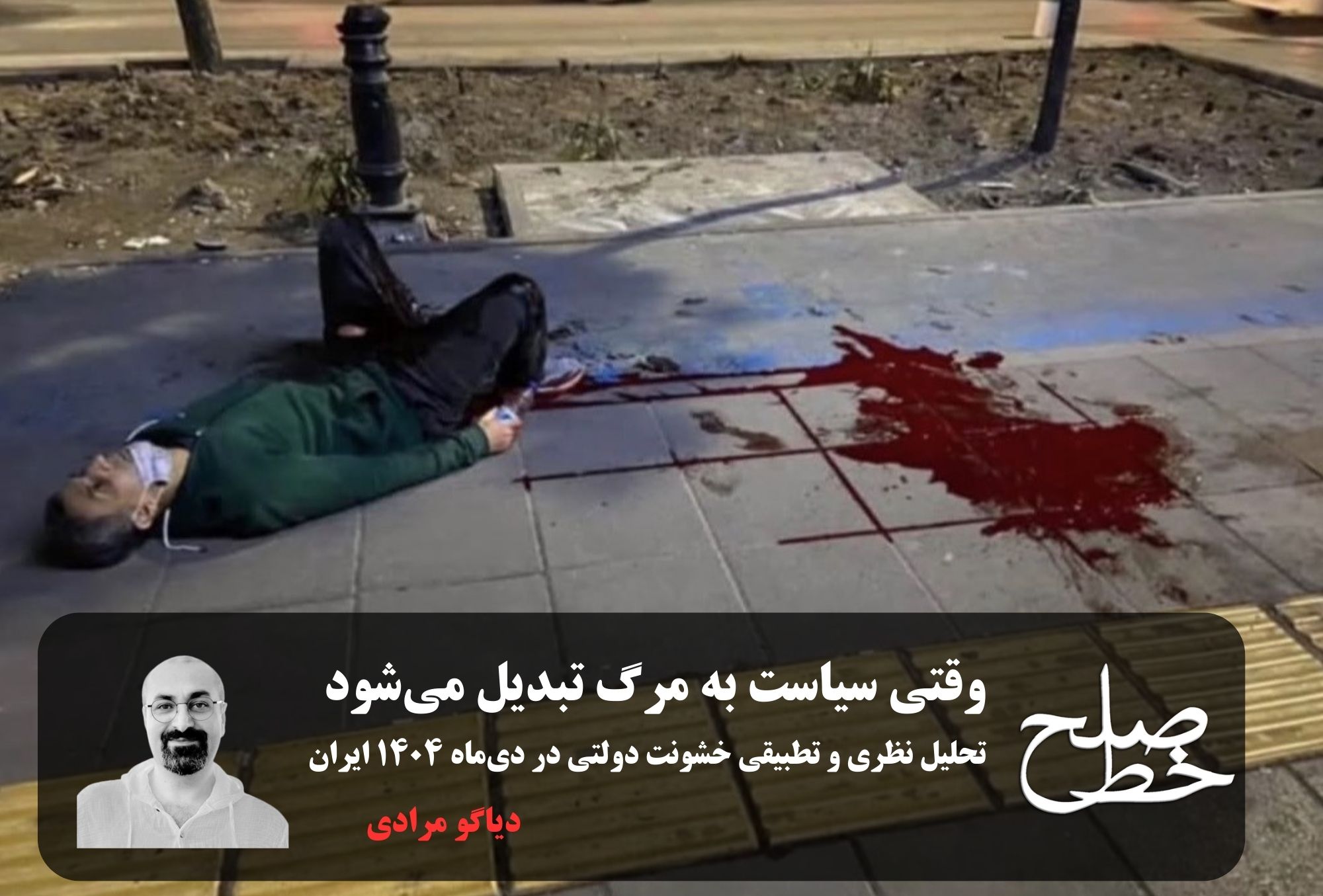
When Politics Turns into Death/Diako Moradi
Introduction: The Problem of State Violence in an Era of Collapsed Legitimacy In the classical tradition of political science, state violence was often analyzed as an exceptional means of containing crisis and restoring order, something that made sense in the context of Weber’s “legitimate monopoly of violence.” In this view, legitimacy was not only a […]...
Read More
Created By:
Diako Moradi February 20, 2026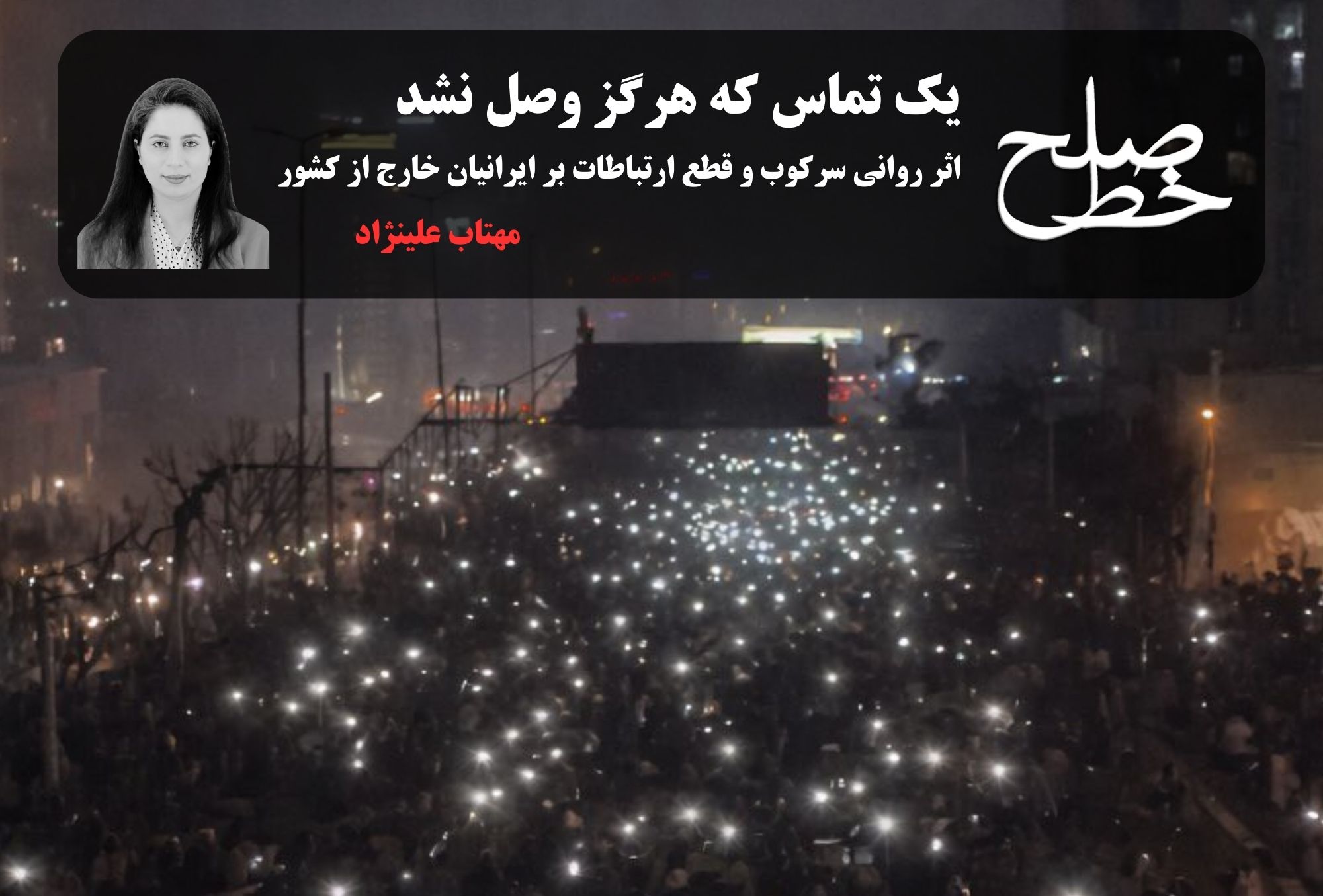
A call that never connected/ Mahtab Alinejad
It’s almost three in the morning. The cold light of a mobile phone illuminates the room, and the hands of a young girl in a European city restlessly glide across the screen. She dials her mother’s number for the umpteenth time. It beeps, then hangs up. Again. No messages are exchanged. The internet is down […]...
Read More
Created By:
Mahtab Alinezhad February 20, 2026
Women’s Health Between Population Policy and Class Inequality / Dina Ghalibaf
Following the sudden and quiet removal of the Iranian “Papilloguard” vaccine from pharmacies across the country, women who had been awaiting national vaccination to prevent infection with the human papillomavirus (HPV) have been forced to turn to foreign vaccines at prices several times higher—vaccines whose cost is incompatible with the economic circumstances of many women. […]...
Read More
Created By:
Dina Ghalibaf February 20, 2026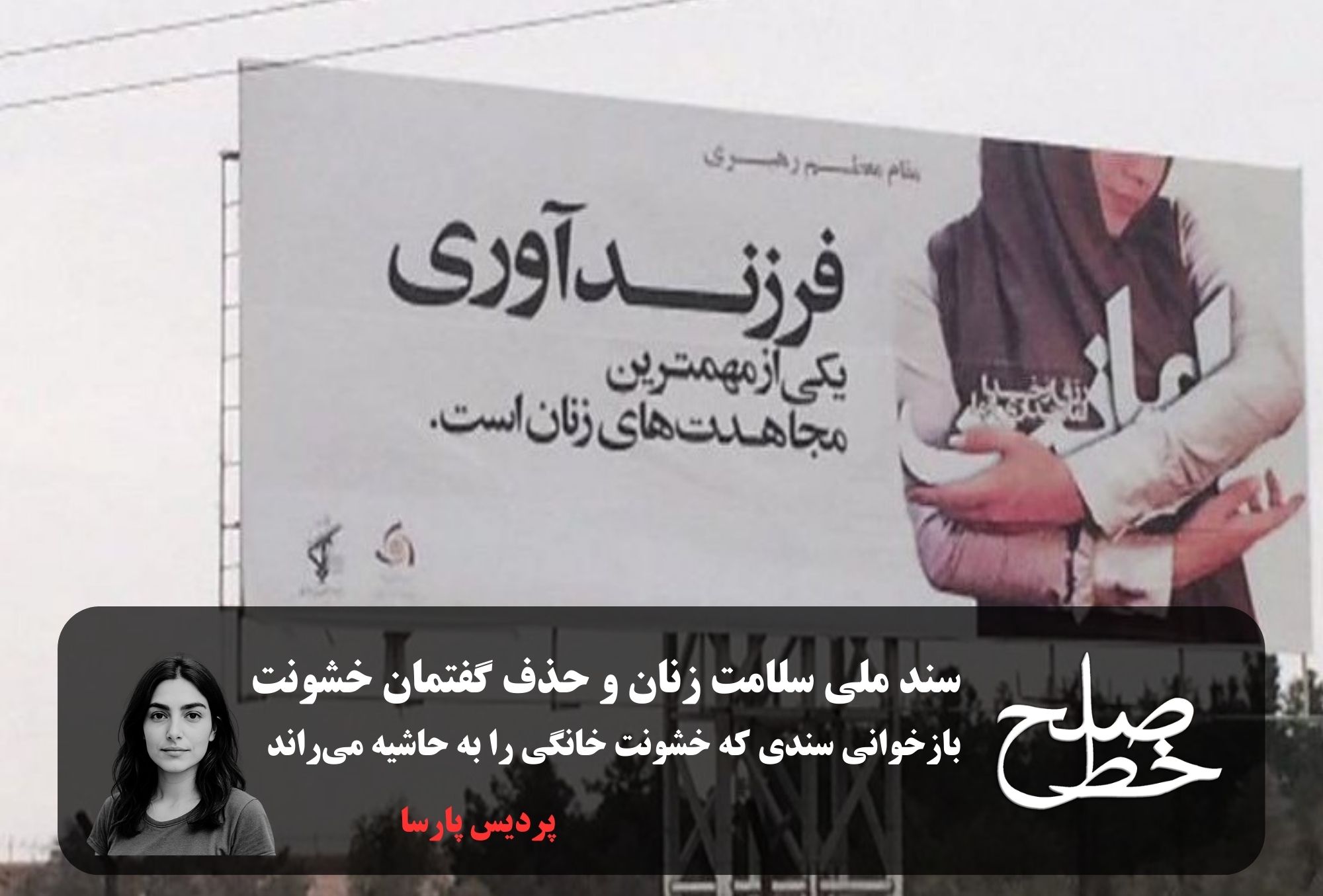
The National Women’s Health Document and the Erasure of the Discourse on Violence/ Pardis Parsa
Recently, the “National Women’s Health Document” was issued by the President of the Islamic Republic and the head of the Supreme Council of the Cultural Revolution, with stated goals such as promoting women’s physical, mental, social, and spiritual health. Yet rather than being the result of engagement with the lived realities of women, the document […]...
Read More
Created By:
Pardis Parsa February 20, 2026
The Collective Psychology of Anger/ Mehdi Anbari
In both narratives, there is a moment when time seems to stop—a moment when the individual or the family realizes they can no longer wait. In one case, a doctor loses his life at work; in the other, a child who should have been within the safest circle of life becomes the victim of profound […]...
Read More
Created By:
Mehdi Anbari December 22, 2025
The Role of the State in Controlling Violence/ Sina Yousefi
Public trust in the judiciary is one of the fundamental indicators of achieving justice, and its absence paves the way for the emergence of personal justice-seeking. Personal justice-seeking is a behavior in which individuals, instead of referring to legal authorities, take matters into their own hands to obtain rights and punish violators. Such an approach […]...
Read More
Created By:
Sina Yousefi December 22, 2025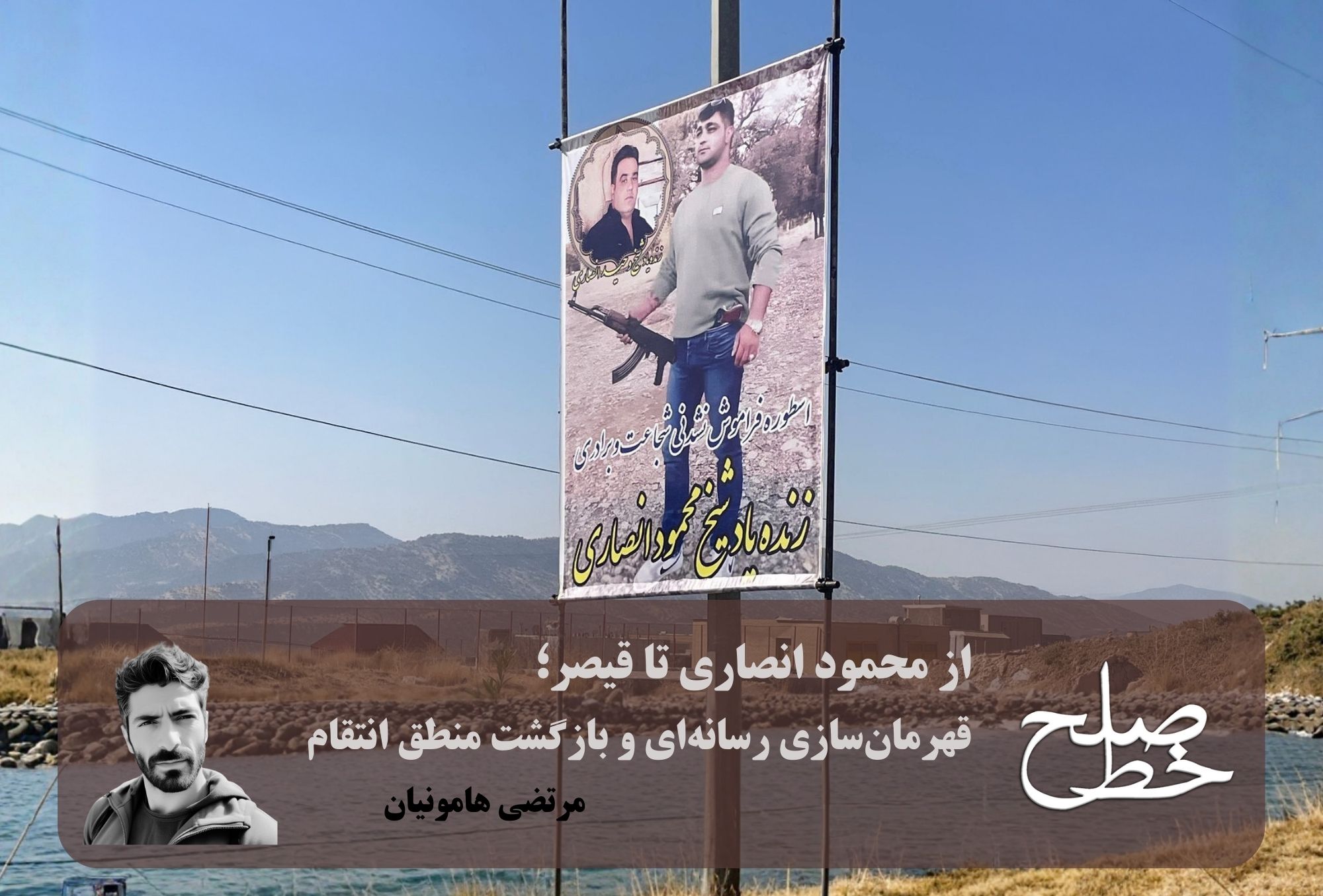
From Mahmoud Ansari to Qaisar; Media Heroism and the Return of the Logic of Revenge / Morteza Hamounian
In Yasuj, the capital of Kohgiluyeh and Boyer-Ahmad province, a doctor is murdered. The accused of the murder says that this doctor (Masoud Davoudi) is to blame for his brother’s death and that he committed medical negligence. So he takes action and kills the doctor. The accused of the murder is sentenced to self-retribution by […]...
Read More
Created By:
Morteza Hamounian December 22, 2025
The Child Left Between Rape and Revenge/Fereshteh Goli
Lost in the chaos of Iranian news, a story with catastrophic depth was the story of an old man raping a boy in Tabriz, which led to personal revenge by the boy’s family, who sent the old man to the hospital and into surgery; revenge whose instrument was a wooden sofa leg. In this note, […]...
Read More
Created By:
Fereshteh Goli December 22, 2025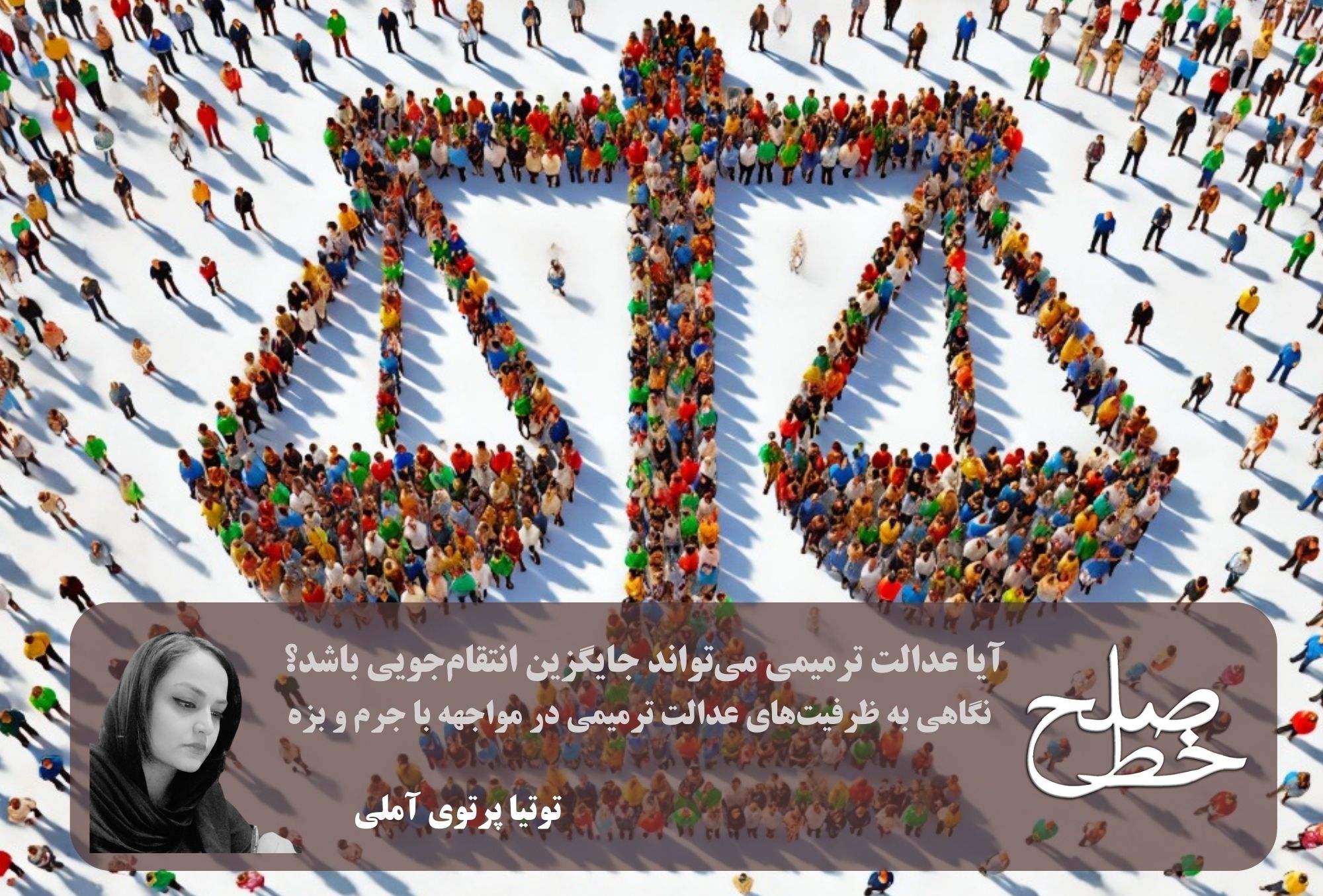
Can restorative justice replace revenge? / Totia Partovi Amoli
We witness countless court cases every day that result in the issuance of a verdict and ultimately the punishment of the offender. However, experience has shown that in today’s world, the issuance and execution of sentences does not necessarily mean the realization of justice. In many cases, the victim is still dissatisfied after the end […]...
Read More
Created By:
Toutia Partovi Amoli December 22, 2025
