


Smuggling goods
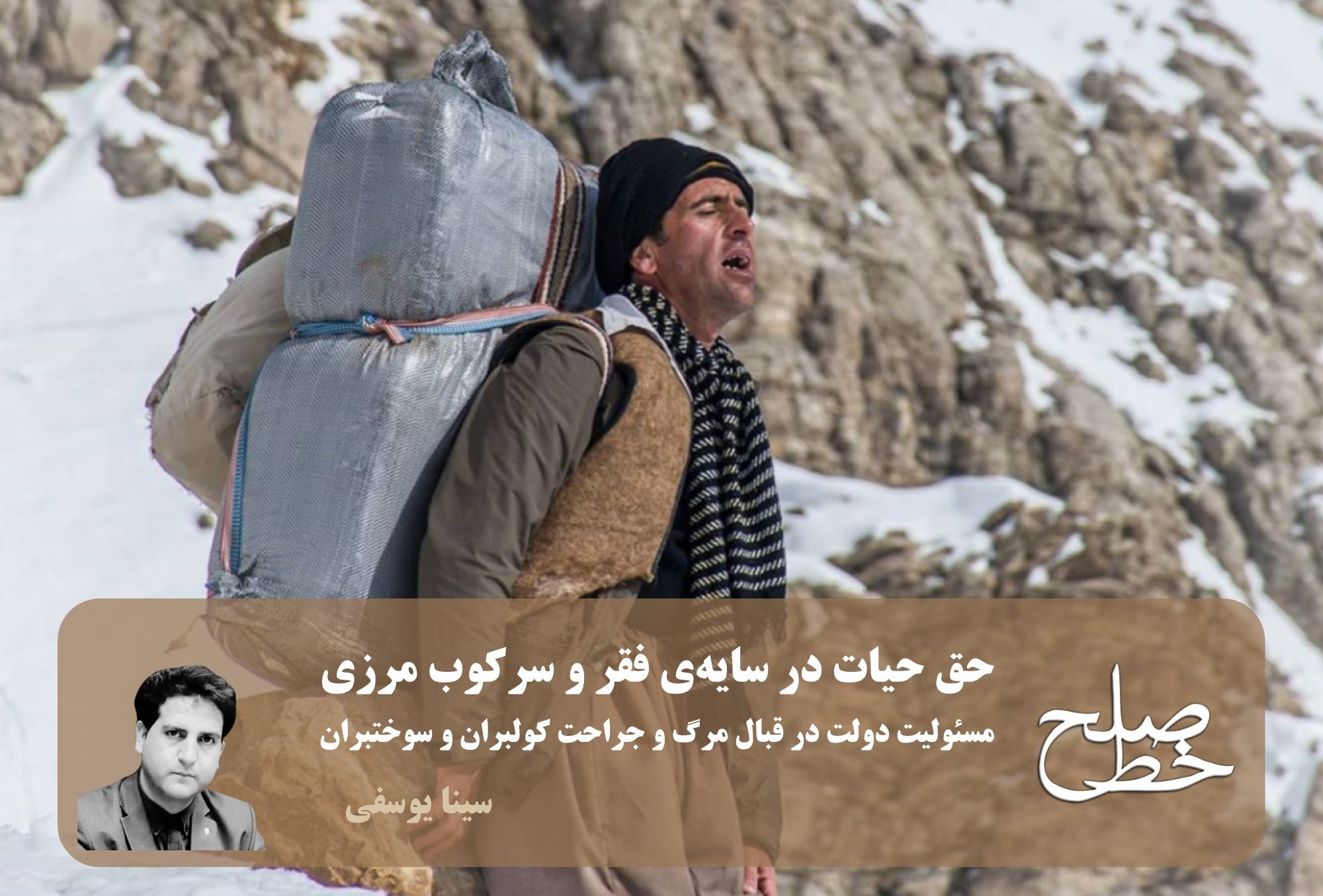
The Right to Life in the Shadow of Poverty and Border Repression/Sina Yousefi
Kolbari in Kurdish areas, fuel carriers in Balochistan and other forms of informal and risky employment in other border areas, including Azerbaijan, are part of the economic reality of regions that have faced structural poverty, a lack of sustainable job opportunities and deprivation of development opportunities for years. In these regions, a significant part of […]...
Read more By:
Sina Yousefi
 October 23, 2026
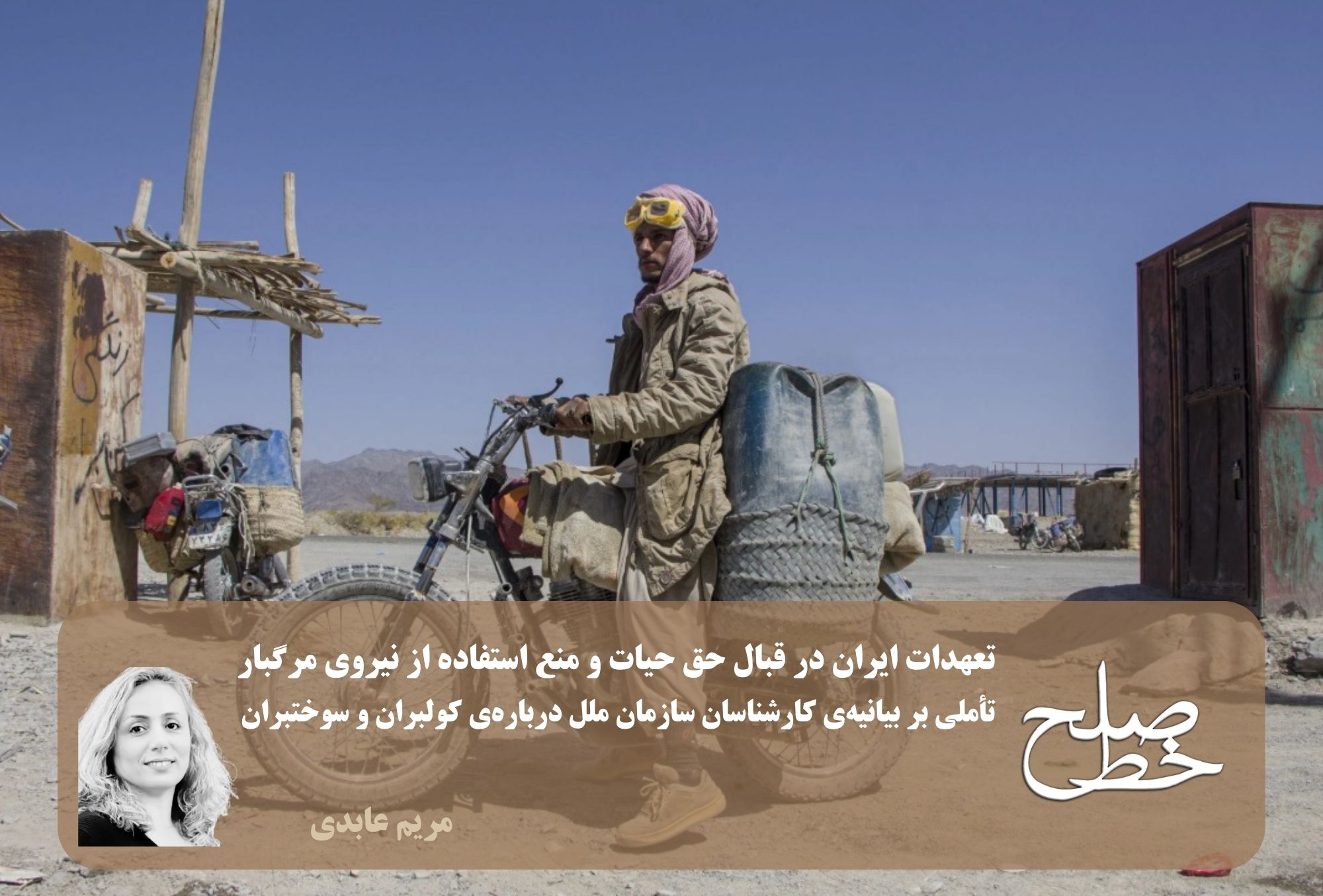
Iran’s Commitments to the Right to Life and the Prohibition of the Use of Deadly Force/ Maryam Abedi
Kolbari and fuel bartering cannot be analyzed within the classical framework of informal trade practices; this phenomenon is, first and foremost, a survival strategy in the context of structural poverty, chronic unemployment, and regional discrimination. It was in this context that the “Law on the Organization and Supervision of Border Trade (Kolbari and Melvani) and […]...
Read more
By:
Maryam Abedi October 23, 2026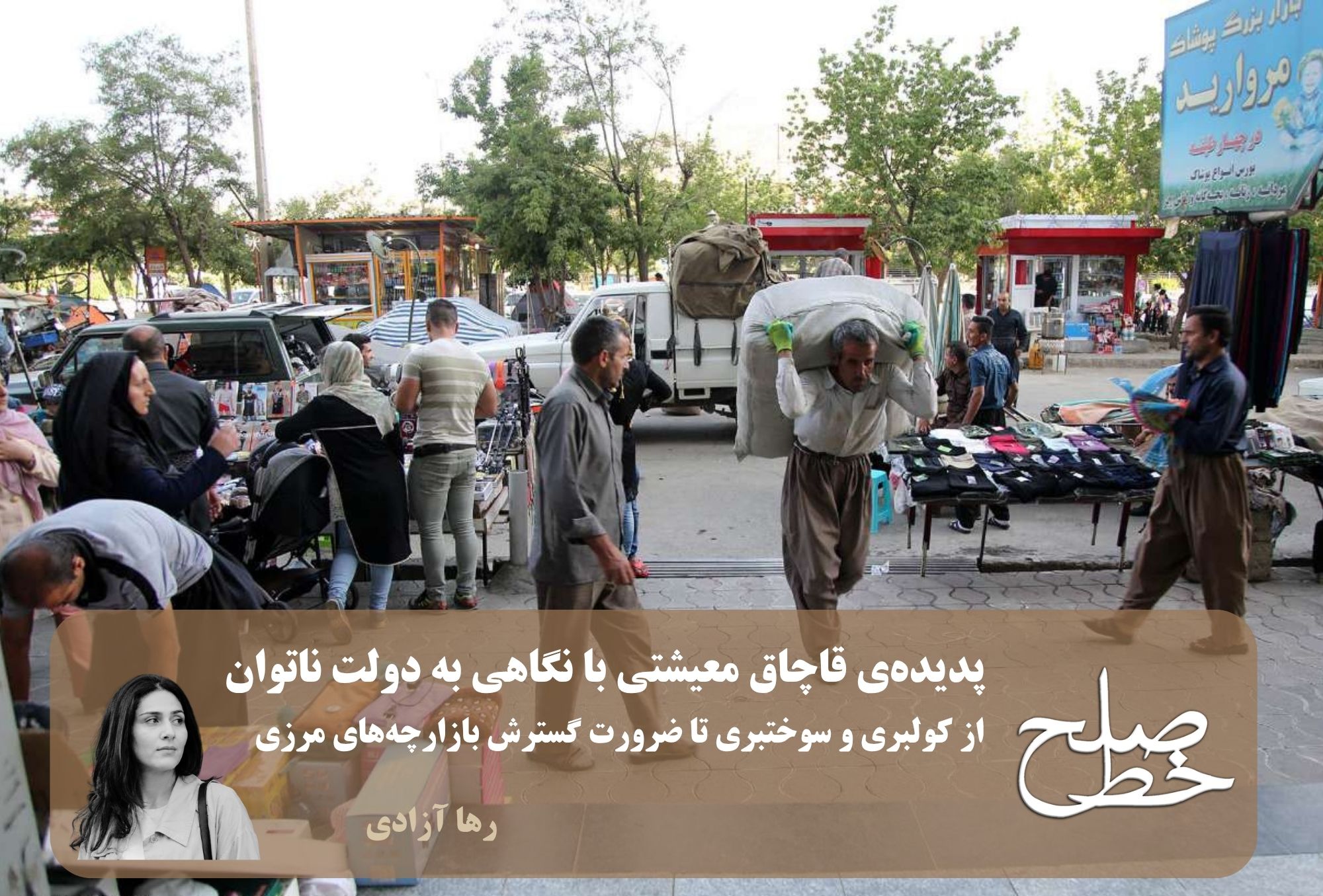
The phenomenon of subsistence smuggling with a view to the incompetent government/Raha Azadi
A failed state is a state that is unable to perform its functions as a state. Such a state is incapable of establishing social order, monopolizing the use of violence, meeting the basic needs of the people of the society, establishing security and the rule of law, and some of its functions are performed by […]...
Read more
By:
Raha Azadi October 23, 2026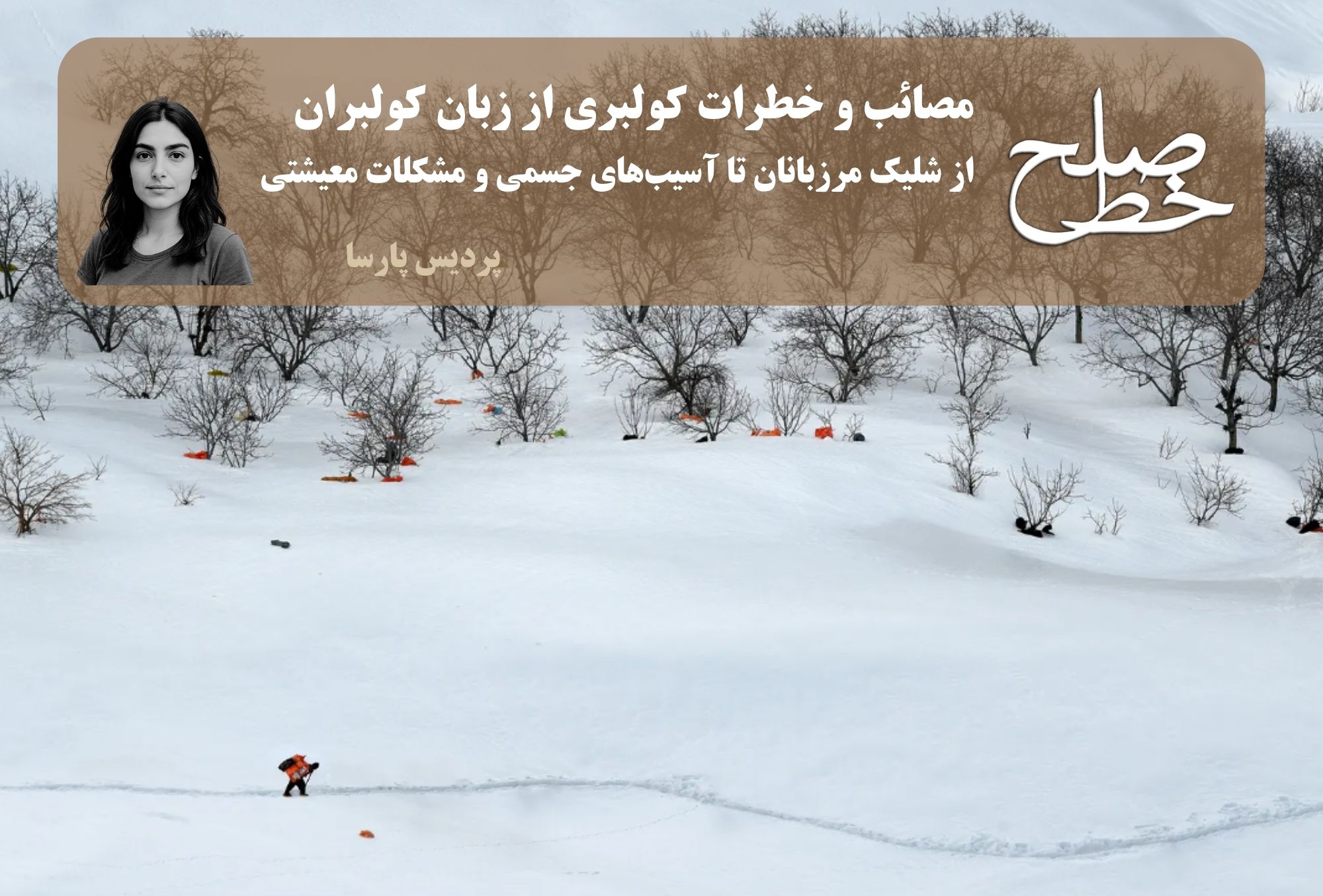
The hardships and dangers of kolbari, as told by kolbaris/Pardis Parsa
The phenomenon of kolbari has become one of the most painful manifestations of the informal economy in the western and northwestern borders of Iran in recent decades. Kolbari is mainly prevalent in the provinces of West Azerbaijan, Kurdistan, Kermanshah and Ilam. Field estimates show that about 70 thousand people are kolbari in the provinces of […]...
Read more
By:
Pardis Parsa October 23, 2026
“Organization for Collection and Sale of Private Assets” or Mafia of Buying and Selling Public Assets?/ Musa Barzin
Collecting and selling smuggled and abandoned properties was initially the responsibility of the customs. Later, this task was assigned to a committee consisting of representatives from the Foundation of the Oppressed, Jihad-e-Sazandegi, Housing Foundation, and the General Prosecutor’s Office of the country. With the approval of the “Law on the Collection and Sale of Abandoned […]...
Read more
By:
Mousa Barzin February 20, 2022
The Footprints of the Aghazadehs in Smuggling Goods/ Mehdi Dehghan
This text does not have a translation as it is just a caption for an image. It reads “.” Mehdi Dehghan The fight against corruption in Iran has always been limited to conferences, seminars, and symposiums, and no one has the courage or ability to address the root of the problem, even the president. According […]...
Read more
By:
Mehdi Dehghan August 23, 2016
Dr. Sharif Khosravi: It is not possible to smoke on the way of the Kurdish border crossers in Esfand/ Azar Taherabad.
Why are there harsh and violent encounters with border citizens, which even lead to their death? Is the reason for such deterrent actions justified? Is being a kolbar a result of unemployment and if so, why isn’t there any effort to combat unemployment? To what extent has the implementation of suitcase trading and the establishment […]...
Read more
By:
Azar Taherabad March 25, 2015
The role of the Revolutionary Guards in border areas and smuggling; in conversation with Mohsen Sazgara/ Ali Kalaii
Mohsen Sazegara is a political activist, journalist, and university researcher. He served as the political and social deputy of the Minister of Executive Affairs in the government of Mohammad-Ali Rajai and is considered one of the founding members of the Revolutionary Guards. We have discussed with Mr. Sazgara about the reasons for the lack of […]...
Read more
By:
Ali Kalaei March 25, 2015
