


Peace Line 178
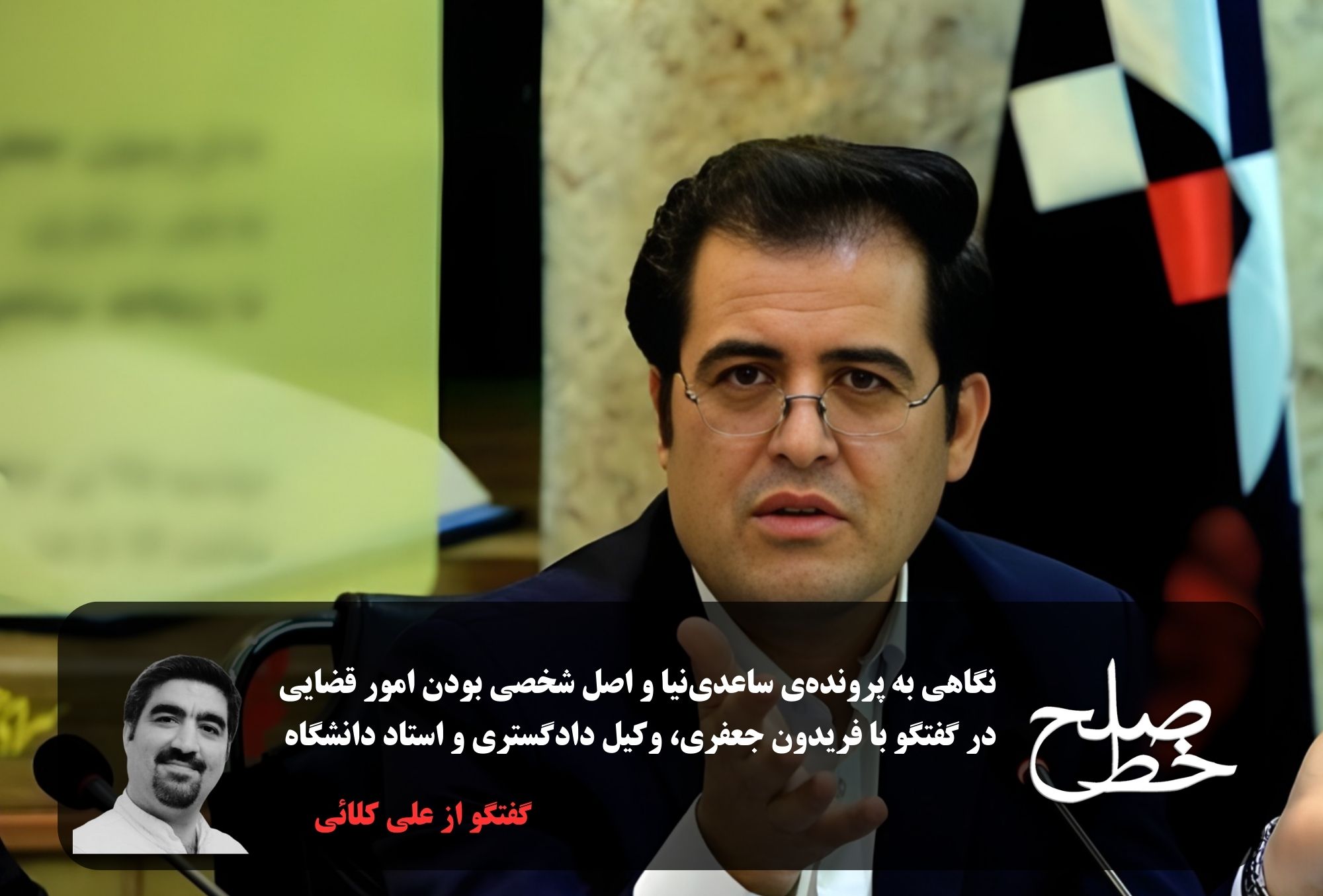
A look at the Saedinia case and the principle of the personal nature of judicial matters in a conversation with Fereydoun Jafari/Ali Kalai
The January 1404 protests were the bloodiest protests in Iran’s contemporary history, resulting in the deaths of thousands of people and leaving profound human, social, and legal consequences. In addition to its catastrophic human dimensions, this event also presented the country’s legal and judicial order with unprecedented challenges; challenges in which the boundary between “maintaining […]...
Read More Created By:
Ali Kalaei
Created By:
Ali Kalaei February 20, 2026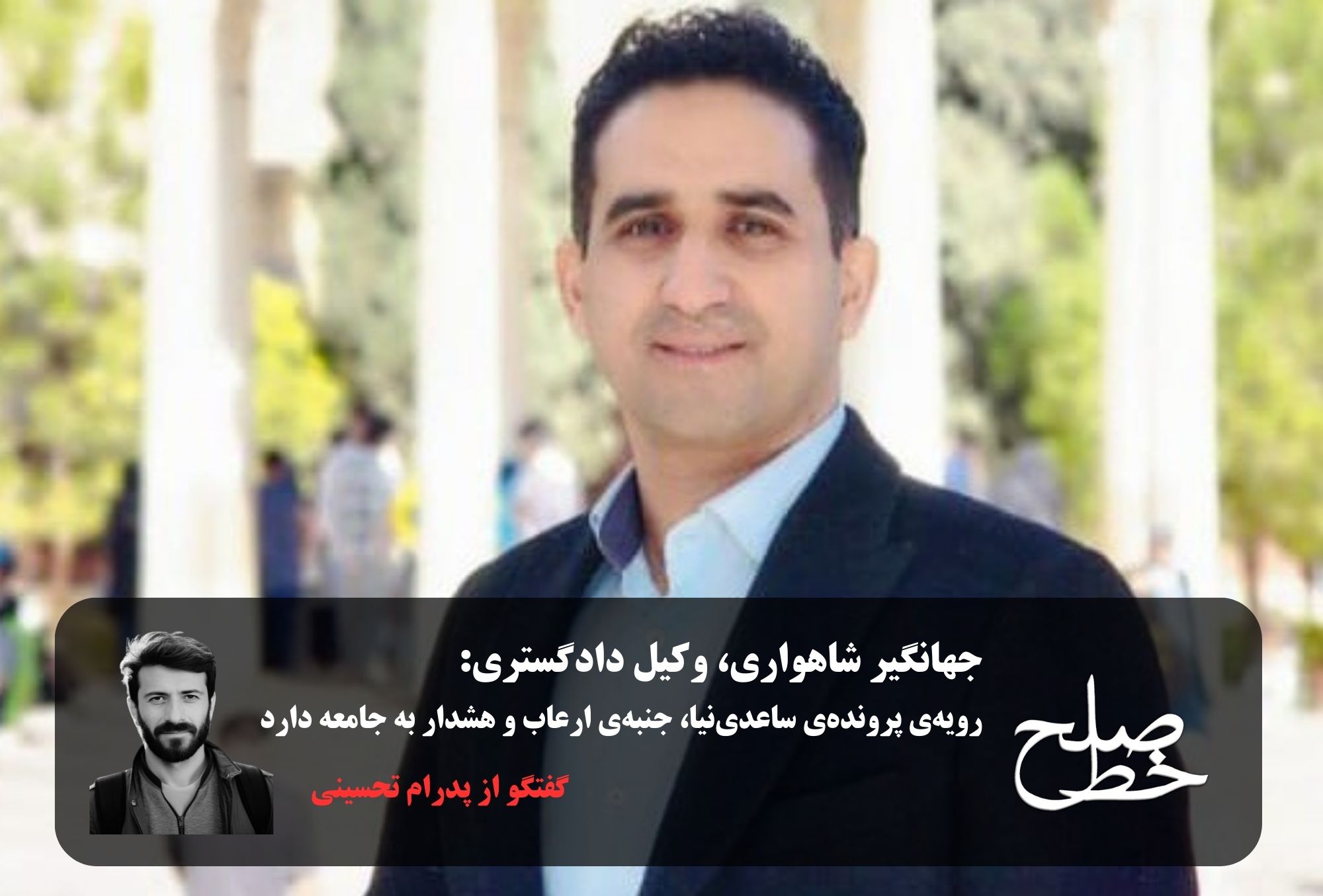
Jahangir Shahvari: The Saedinia case is intended to intimidate and warn society / Pedram Tahseni
The protests of January 1404, which resulted in the deaths of thousands of protesters and the widespread use of violence by security agencies, have been described by many as the bloodiest protests in the contemporary history of Iran and the world. The consequences of these protests were not limited to the streets and mass arrests, […]...
Read More
Created By:
Padram Tahsini February 20, 2026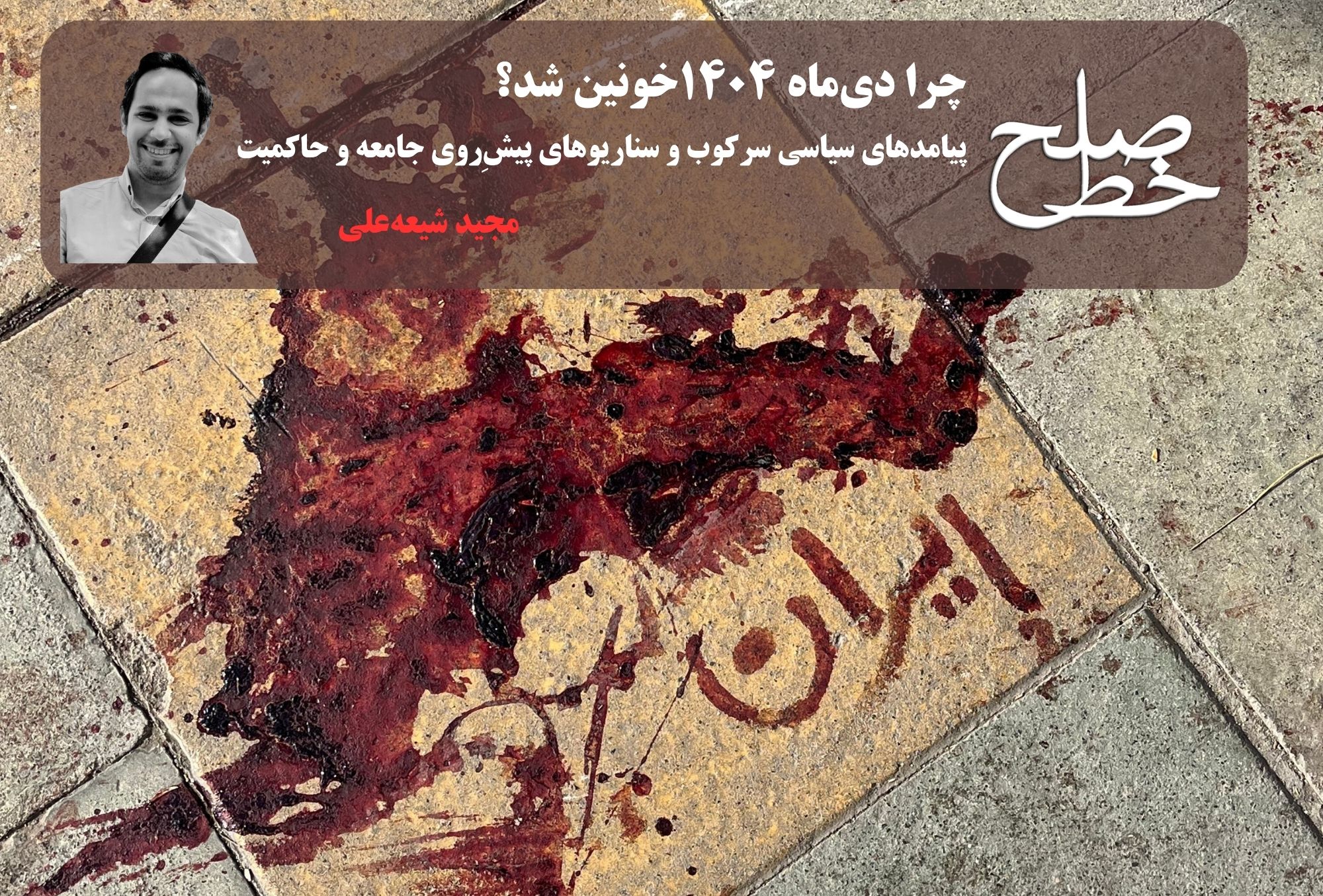
Why was January 1404 bloody?/ Majid Shia Ali
Throughout the contemporary history of the world, various governments have been responsible for the killing of a large portion of their citizens, from the crimes of the Khmer Rouge to the history of genocide in Bosnia, from the Nazi gas chambers to the famines resulting from the policies of the Stalin and Mao governments. Even […]...
Read More
Created By:
Majid Shia’ali February 20, 2026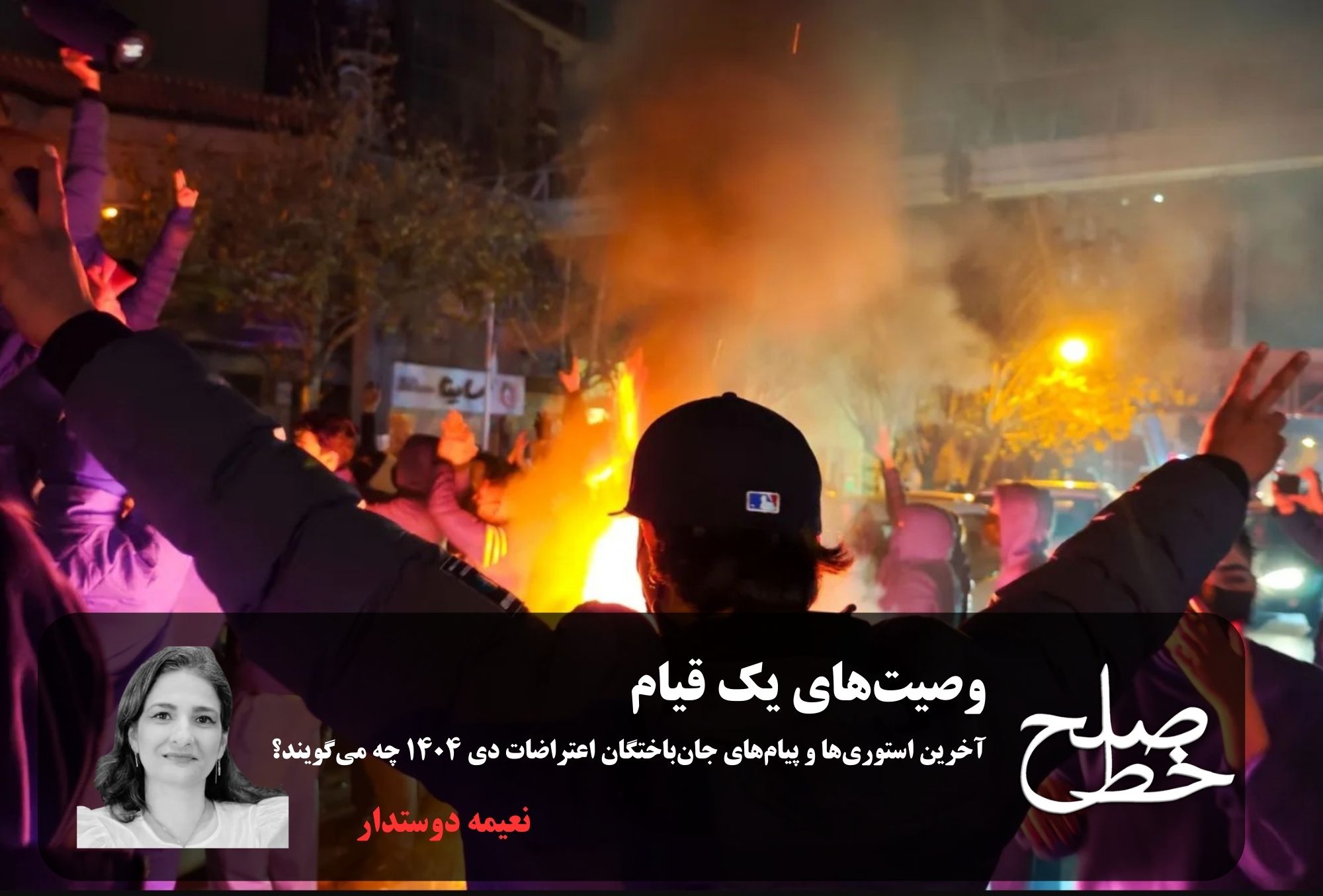
Testaments of an Uprising/Naimeh Doostdar
January 1404 was a time for a number of protesters to say their “last words”; a sentence recorded in a few lines on Instagram stories, or in a few-second video, sometimes in a brief call to family, and sometimes in a will that the survivors tried to carry out without fail. These messages, republished in […]...
Read More
Created By:
Naeimeh Doustar February 20, 2026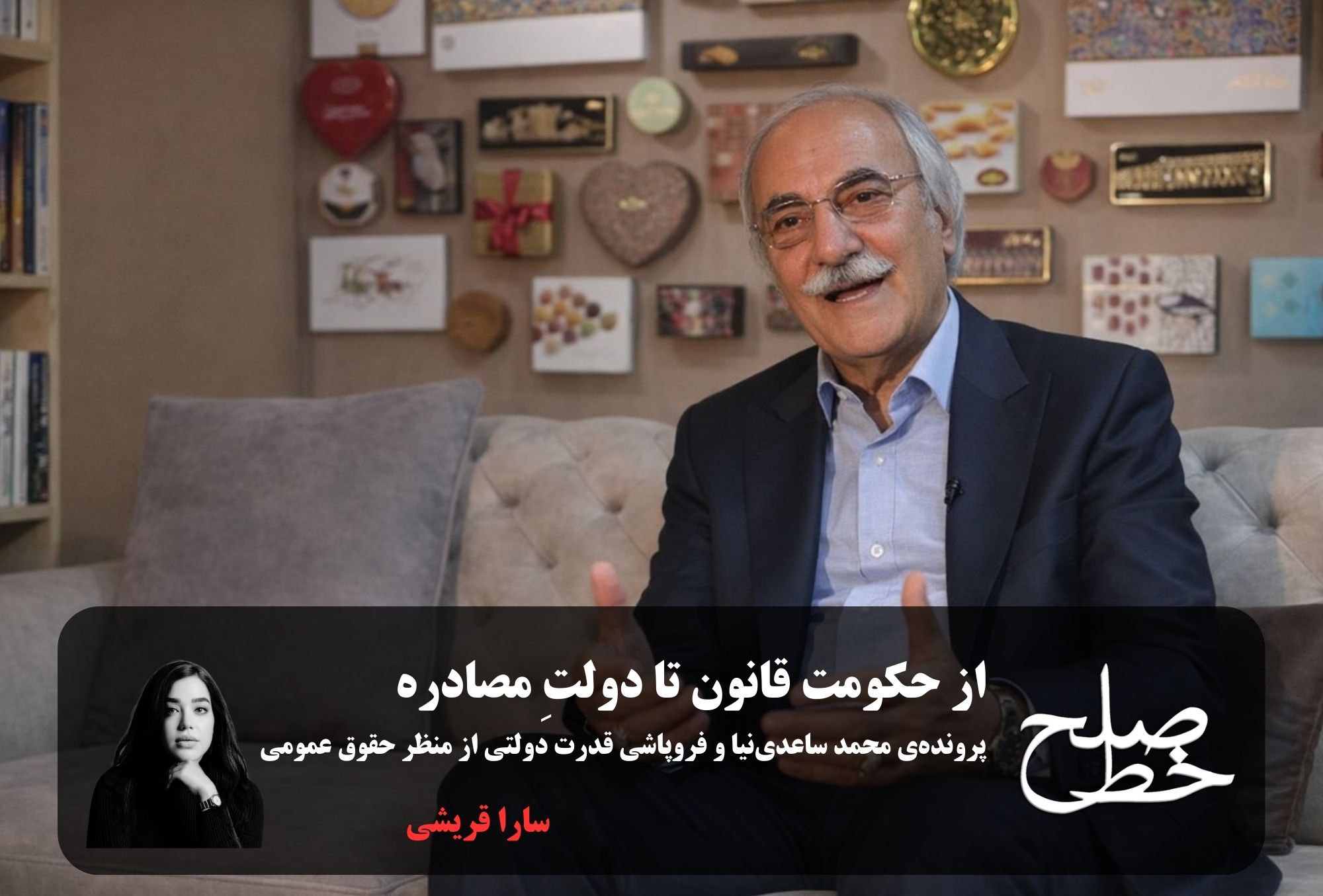
From the rule of law to the state of confiscation/ Sara Qureshi
Introduction: Terminological explanation In this article, the concept of the general power of the state is consciously used, not political sovereignty. This choice of language is not accidental. The state here is not simply the construction of political power, but an institution that, in the logic of public law, is responsible for implementing the law, […]...
Read More
Created By:
Sara Qoreyshi February 20, 2026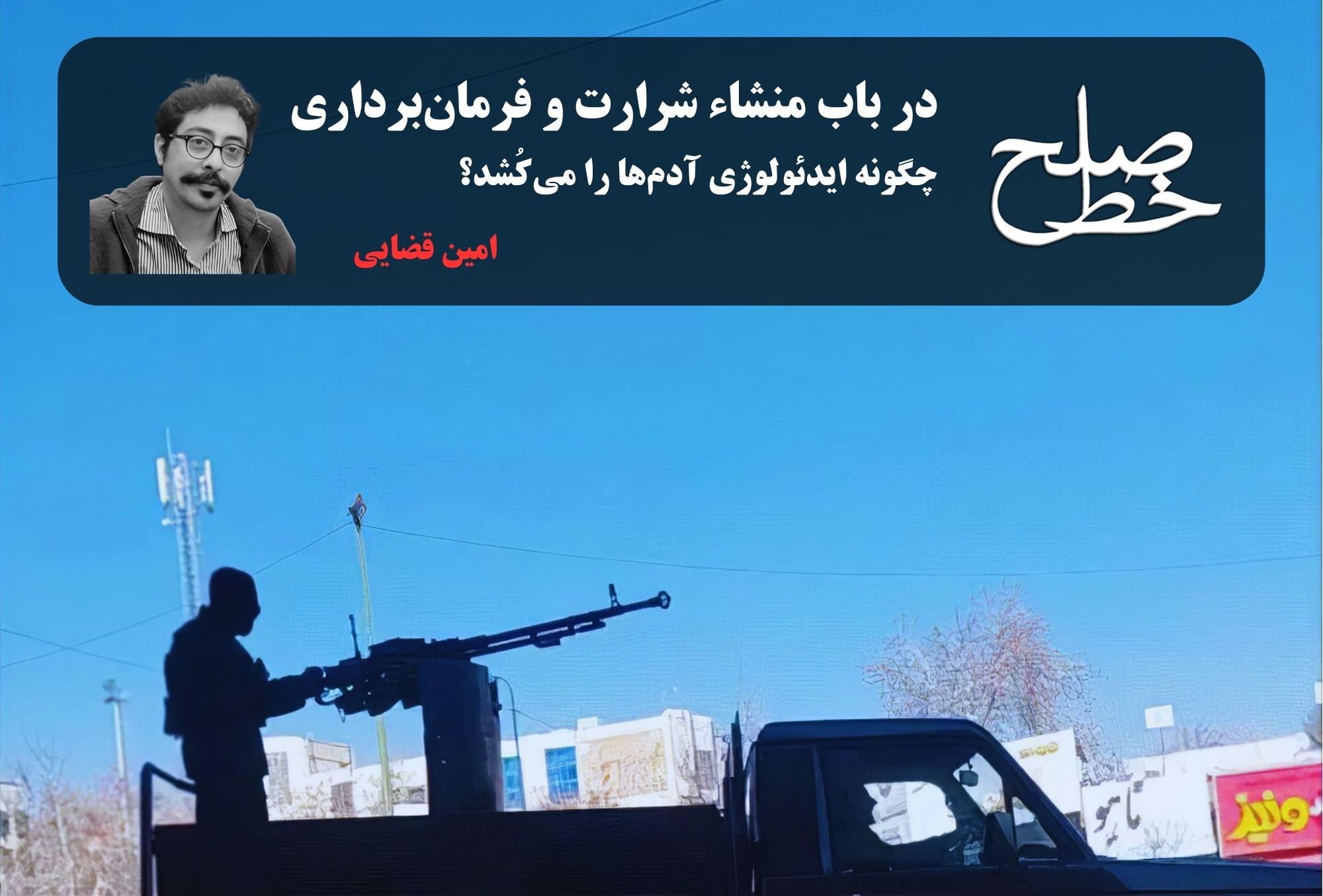
On the Origin of Evil and Obedience/Amin Judiciary
The atrocities of World War II and the participation and complicity of the German people with the Nazi regime, in the guise of a soldier or government agent, in the murder of millions of people in the death camps, posed a fundamental question to sociologists: How could an ordinary German citizen be so obedient and […]...
Read More
Created By:
Amin Ghazaie February 20, 2026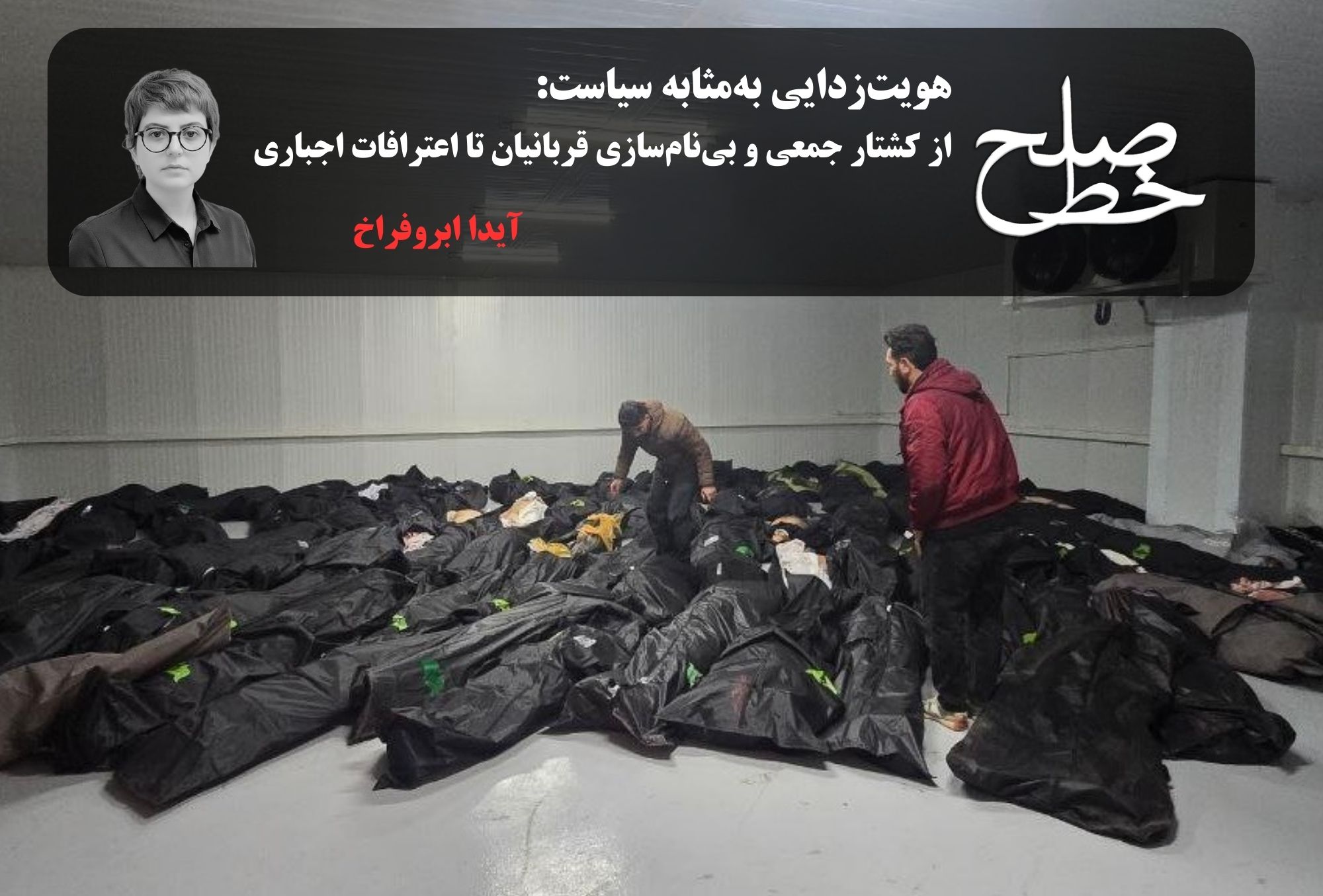
De-identification as Politics/Aida Abrofarakh
In the analysis of state violence, a focus solely on the moment of killing or the number of victims often obscures the deeper mechanisms that enable and anchor widespread violence in a social context. Violence, especially in the form of mass killing, is not a sudden, momentary act, but a gradual process that begins before […]...
Read More
Created By:
Aida Abroufarakh February 20, 2026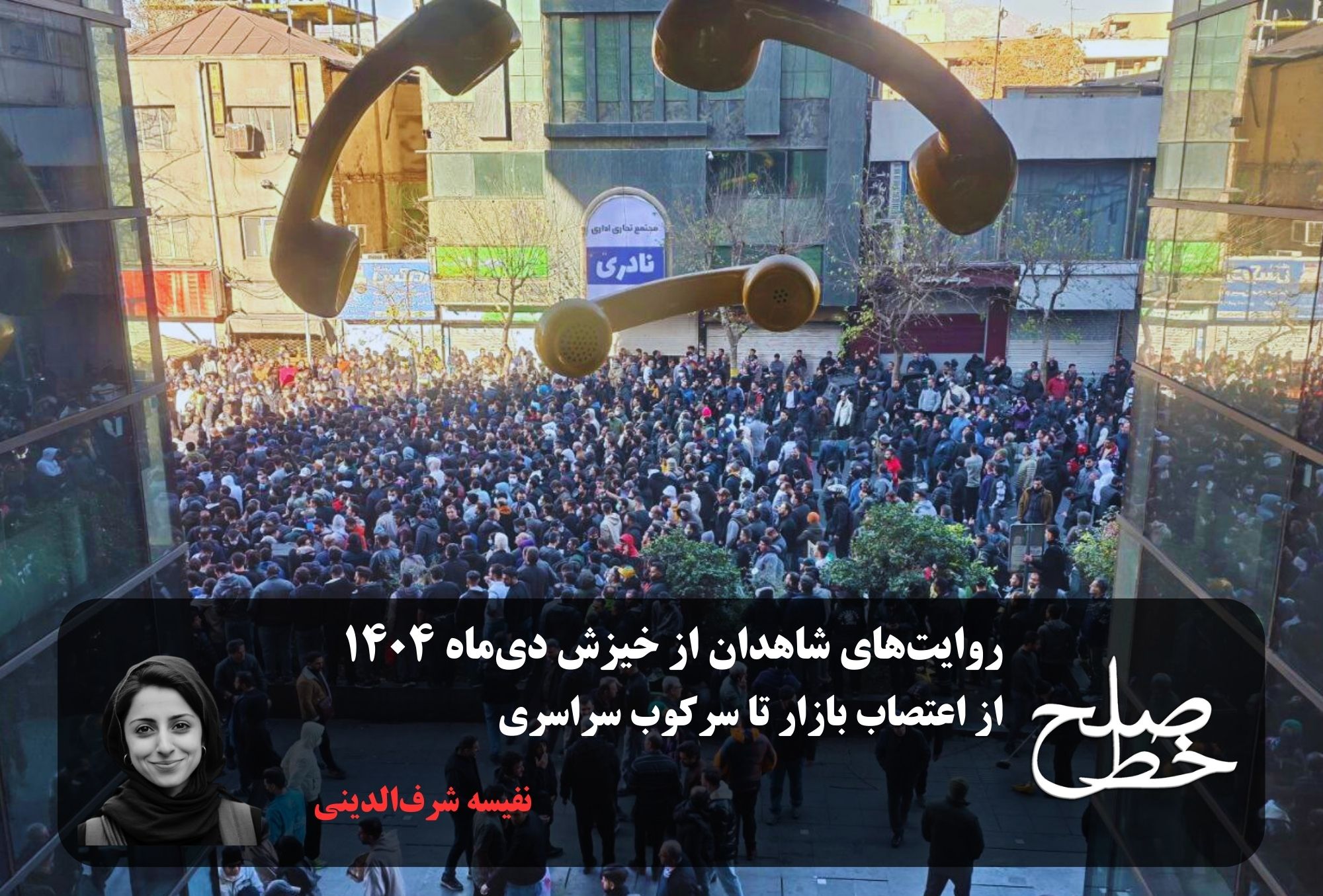
Witness accounts of the January 1404 uprising/ Nafiseh Sharaf al-Dinini
The accumulated crises in the political, economic, and social structure of the Islamic Republic reached an explosive point in January 1404, which, in terms of geographical scope, the intensity of government violence, and the depth of popular demands, constituted the most unprecedented challenge to governance in Iran’s contemporary history. The January 1404 uprising, which sprouted […]...
Read More
Created By:
Nafiseh Sharafaldini February 20, 2026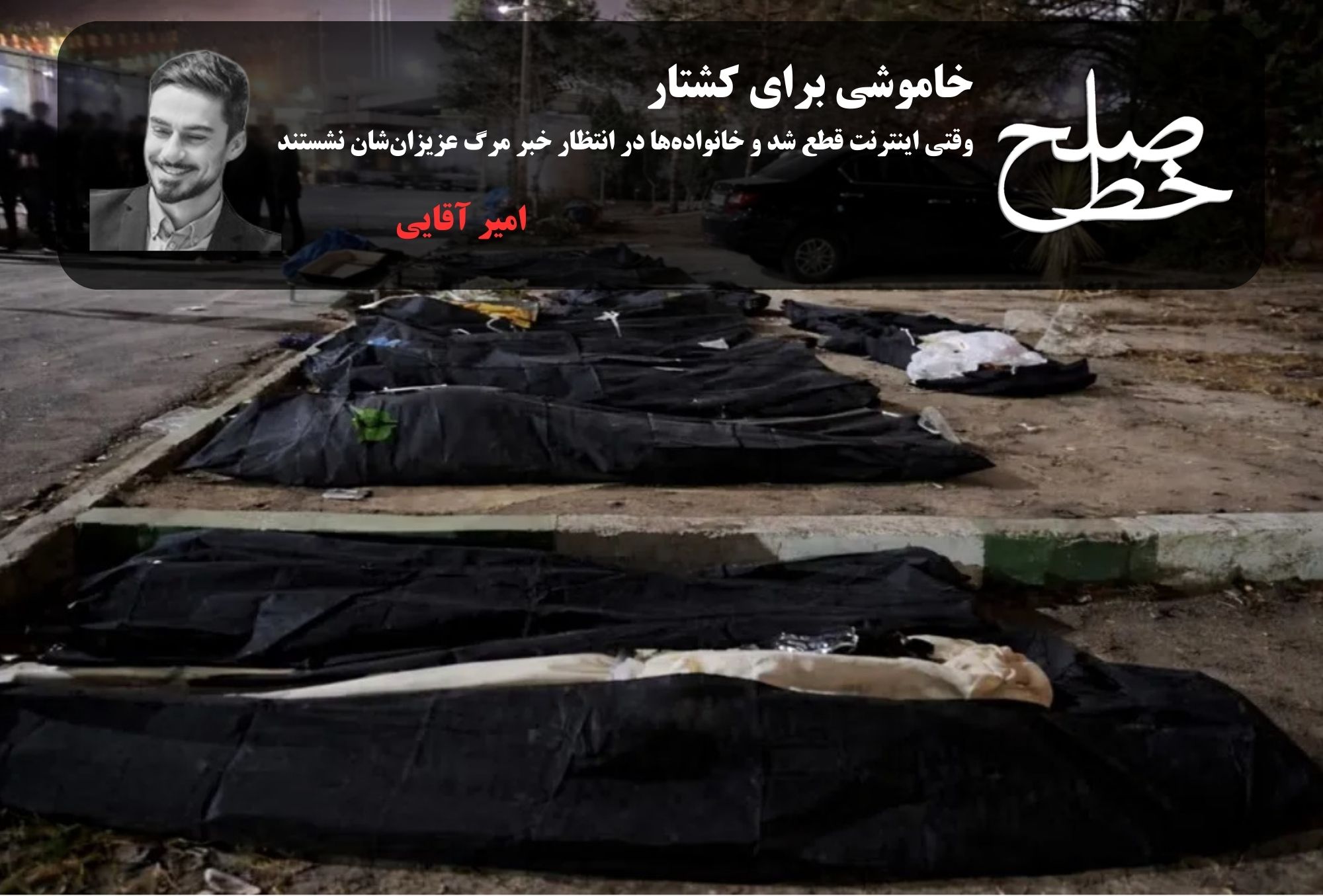
Silence for the Killing/Amir Aghaei
The following text is a scribble by a young man from inside Iran about the internet shutdown during the recent protests. It was originally supposed to be a report on the internet shutdown, but I couldn’t. No matter how much I tried to maintain an impartial tone of reporting, I couldn’t. No matter how much […]...
Read More
Created By:
Amir Aghayi February 20, 2026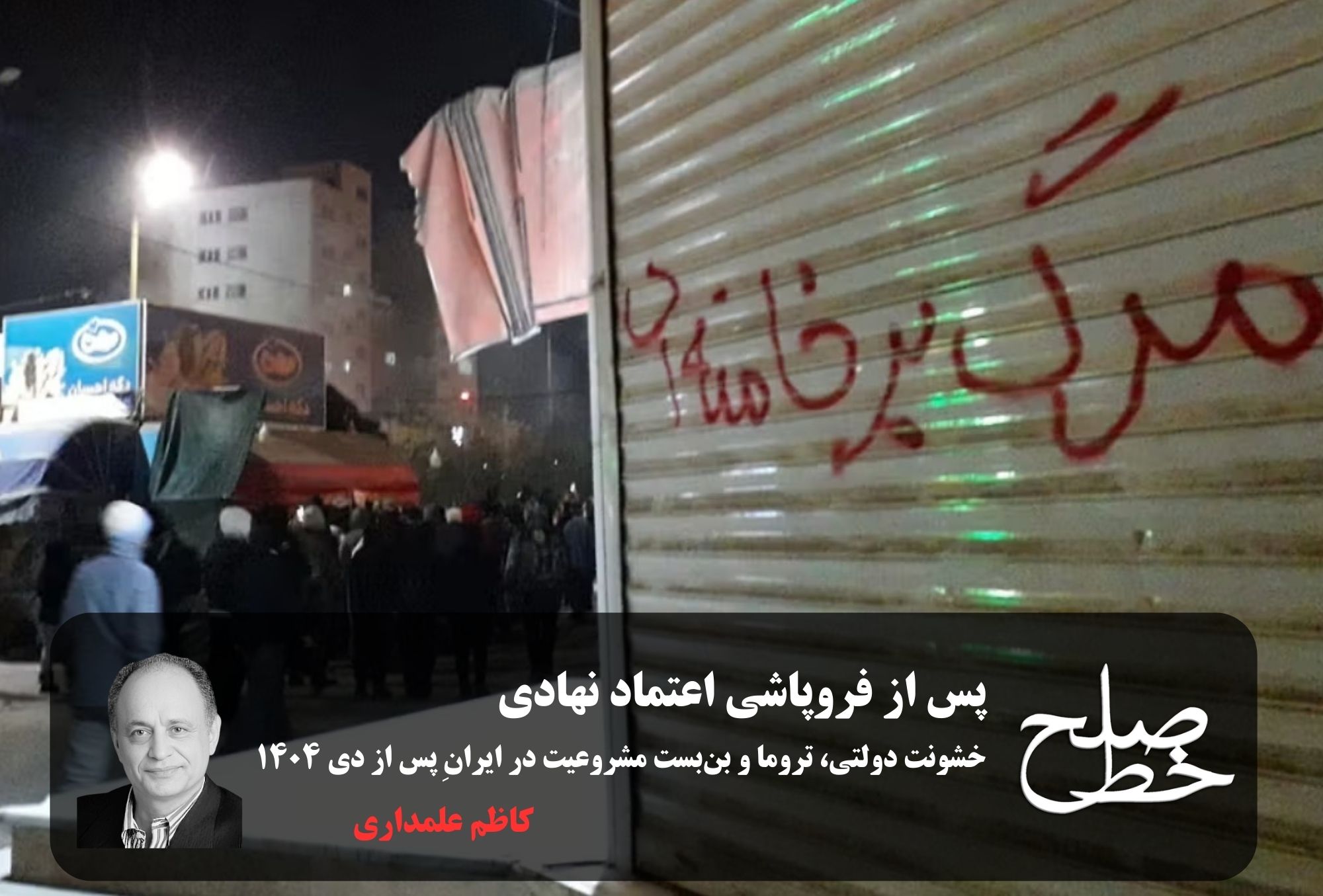
After the collapse of institutional trust/ Kazem Alamdari
Introduction: From political crisis to normative crisis The political developments in Iran in recent years cannot be analyzed simply in terms of a recurring cycle of “protest-repression.” What happened in the recent uprising—and especially the government’s response to it—reflects the entry of the Islamic Republic’s political order into a qualitatively different phase. At this stage, […]...
Read More
Created By:
Kazem Alamdari February 20, 2026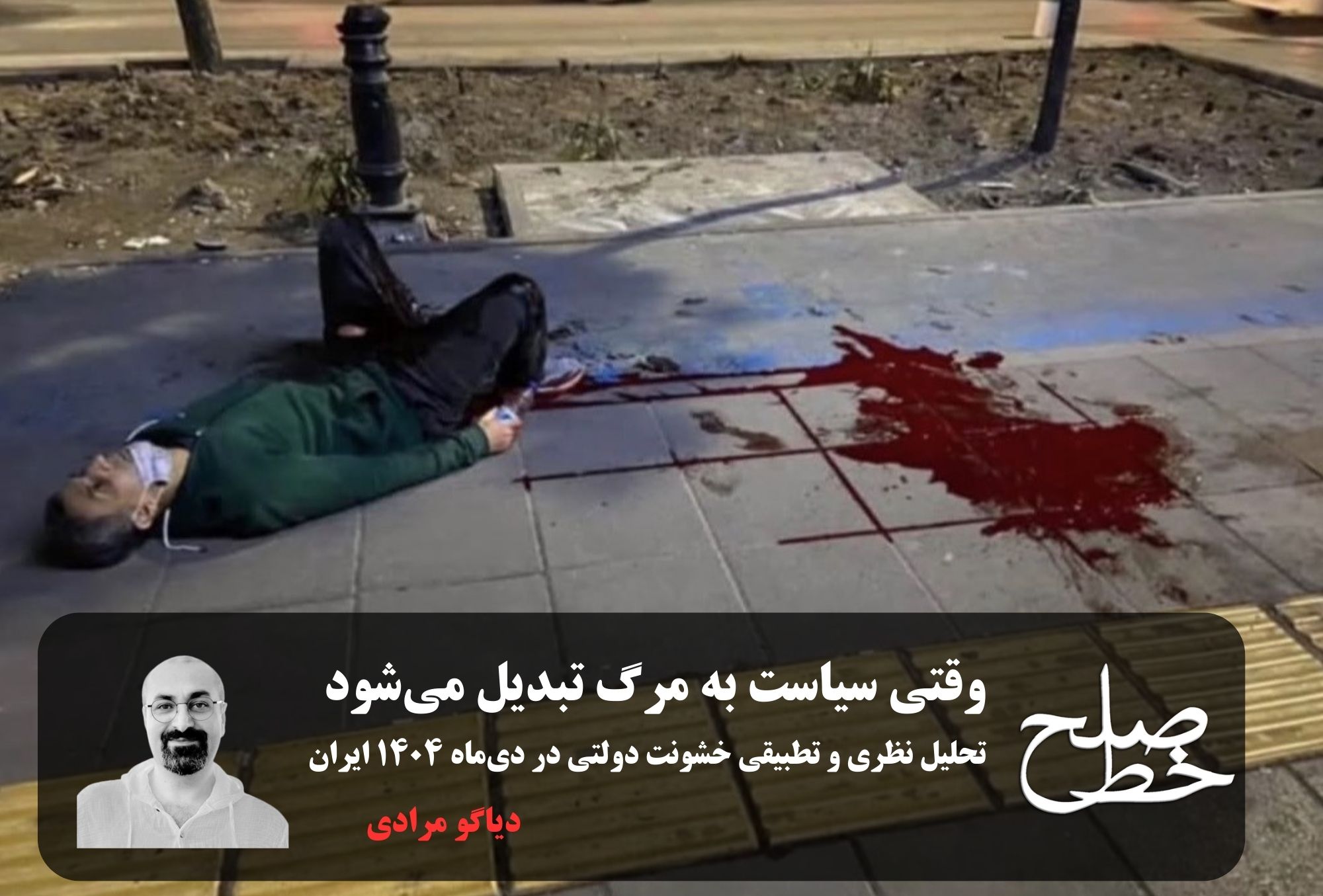
When Politics Turns into Death/Diako Moradi
Introduction: The Problem of State Violence in an Era of Collapsed Legitimacy In the classical tradition of political science, state violence was often analyzed as an exceptional means of containing crisis and restoring order, something that made sense in the context of Weber’s “legitimate monopoly of violence.” In this view, legitimacy was not only a […]...
Read More
Created By:
Diako Moradi February 20, 2026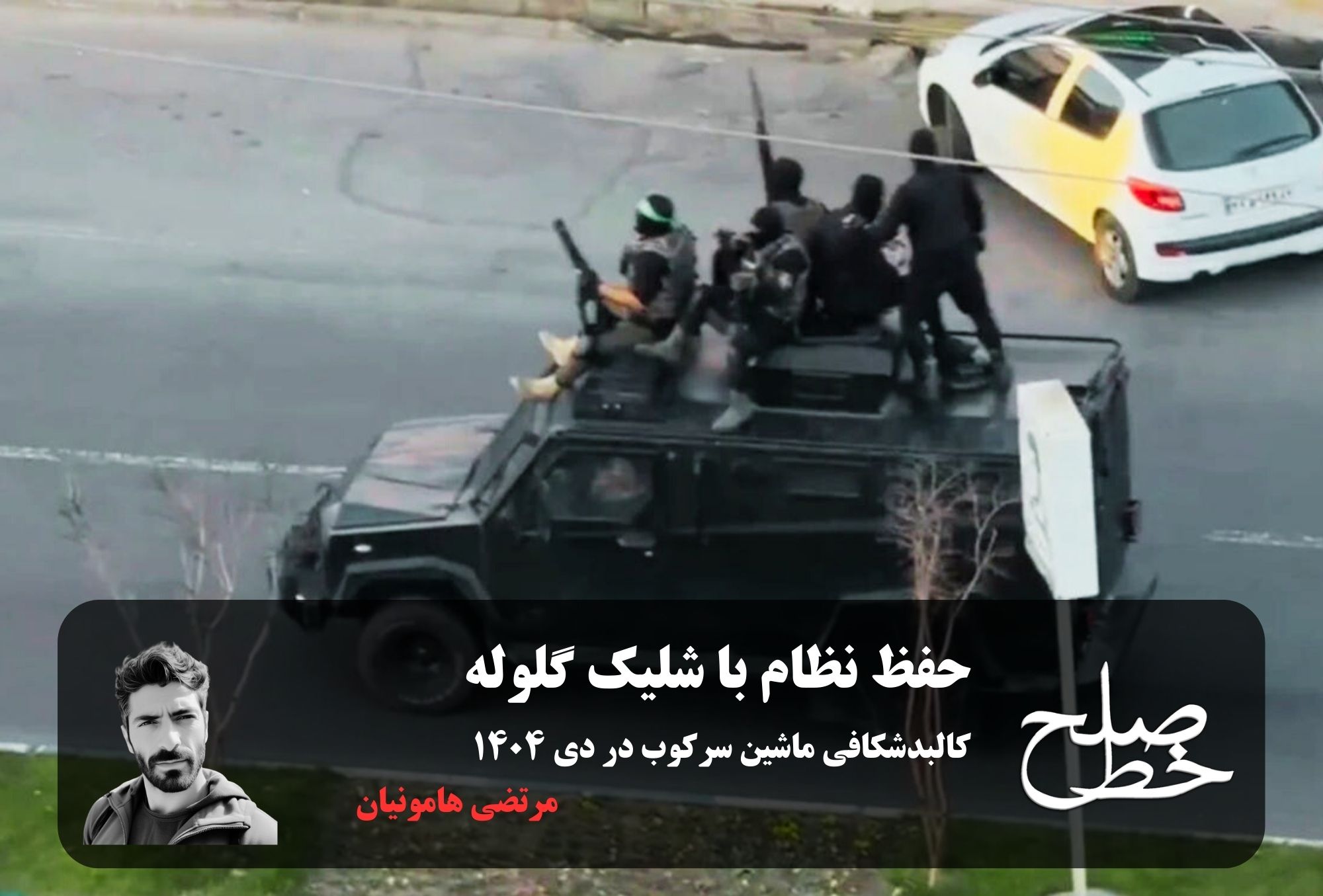
Maintaining the system by firing bullets/ Morteza Hamounian
Everyone had come. With every force they could muster to organize the suppression. In a structure where maintaining the system is an obligation, all their strength is expended to fulfill this obligation; even if this fulfillment comes at the cost of the blood of citizens. In January 1404, Iran witnessed a protest movement that began […]...
Read More
Created By:
Morteza Hamounian February 20, 2026
