


Peace Line 173

From Cheap Death to Contemporary Scaffolds/ Reza Harisi
Public execution—a phenomenon in which the final moments of a human being’s life are put on public display—goes beyond mere punishment and, in Marcel Mauss’s terms, constitutes a “total social fact” that encompasses all dimensions of a society’s life (legal, political, religious, economic, ethical, and cultural). While the global trend in the modern era has […]...
Read More Created By:
Reza Harisi
Created By:
Reza Harisi September 23, 2025
Public Execution: Reproduction of Violence Instead of Deterrence/ Toutia Partovi Amoli
Public execution is a punishment that, in some societies, has been used as a tool aimed at deterring crime and instilling fear. Nevertheless, according to statistical studies and scientific findings, carrying out punishment in public not only has no significant effect on reducing violent crime rates but also leads to the normalization and reproduction of […]...
Read More
Created By:
Toutia Partovi Amoli September 23, 2025
Why Should Public Execution Be Abolished?/ Neda Ghanbari
A thorough examination of historical experiences, human rights principles, and findings from psychology and criminology clearly indicates that public execution not only lacks any deterrent effect but also carries profound social, psychological, and moral consequences for society. Although some proponents view public execution as a tool for creating fear and reducing crime, in practice, it […]...
Read More
Created By:
Neda Ghanbari September 23, 2025
Femicide in Iran and the World: Revisiting the Intersection of Gender, the State, and Structural Violence/ Elahe Amani
Femicide, the killing of women because of their gender, is one of the most extreme forms of gender-based violence. At its core, femicide stems from deeply rooted and long-standing patriarchal and misogynistic systems in which women’s lives are considered inferior and expendable, and the exercise of control over them is normalized. When women defy social […]...
Read More
Created By:
Elahe Amani September 23, 2025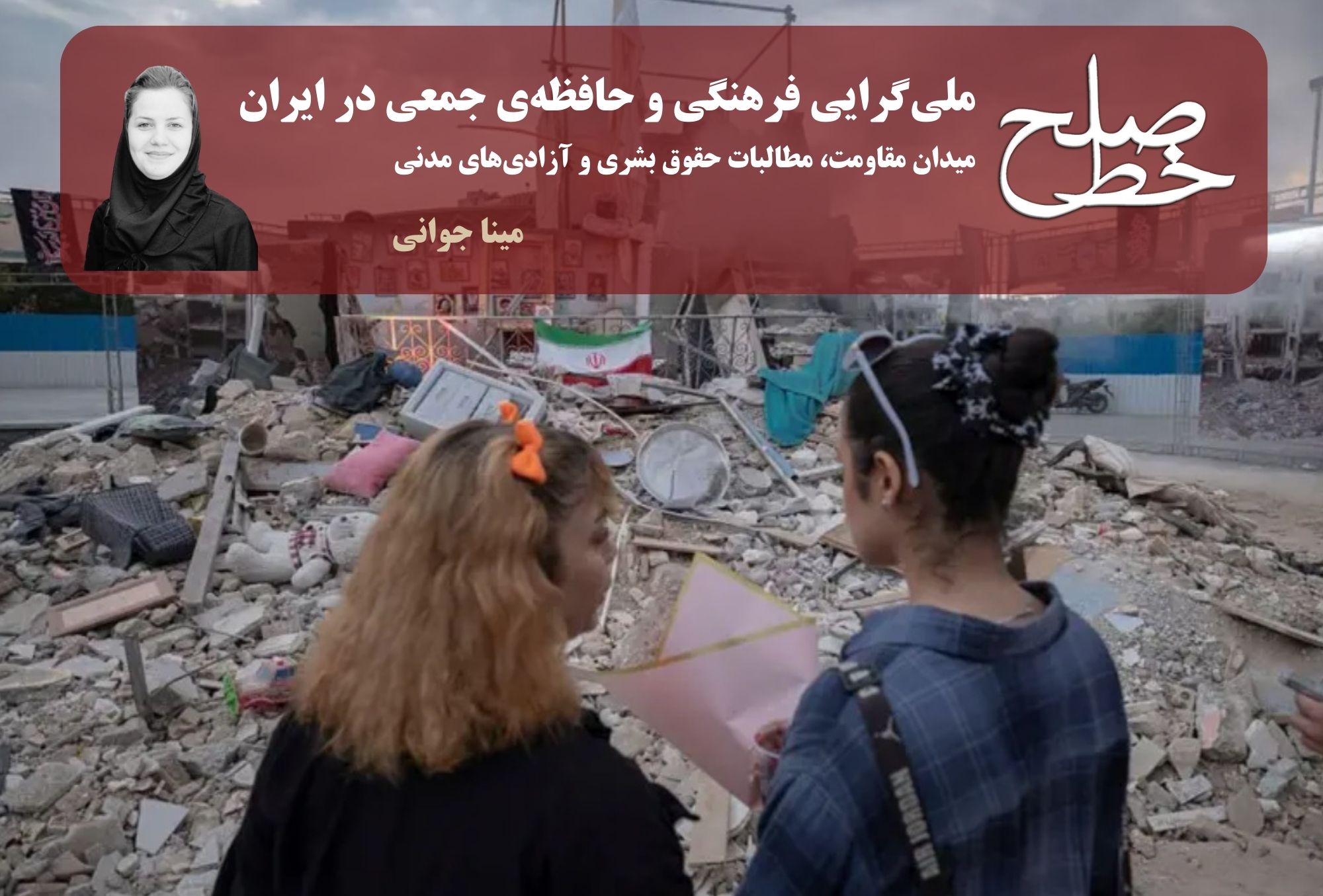
Cultural Nationalism and Collective Memory in Iran/ Mina Javani
Collective memory in societies grappling with political crises and repressive structures functions not merely as a recollection of the past, but as a space for cultural resistance, redefinition of social identity, and advocacy for human rights. In contemporary Iran, the representation of national symbols—ranging from flags and cultural rituals to patriotic poetry and music—has taken […]...
Read More
Created By:
Mina Javani September 23, 2025
Breaking Taboos or Reproducing Vulgarity?/ Pardis Parsa
These days, few Iranians have not heard of the internet show Eshgh-e Abadi (“Eternal Love”). A group of young Iranian migrants gathers in a seaside villa in Turkey to choose a partner or lover from among each other. They compete, and their daily routines generate content that draws astonishing numbers of views online. The show’s […]...
Read More
Created By:
Pardis Parsa September 23, 2025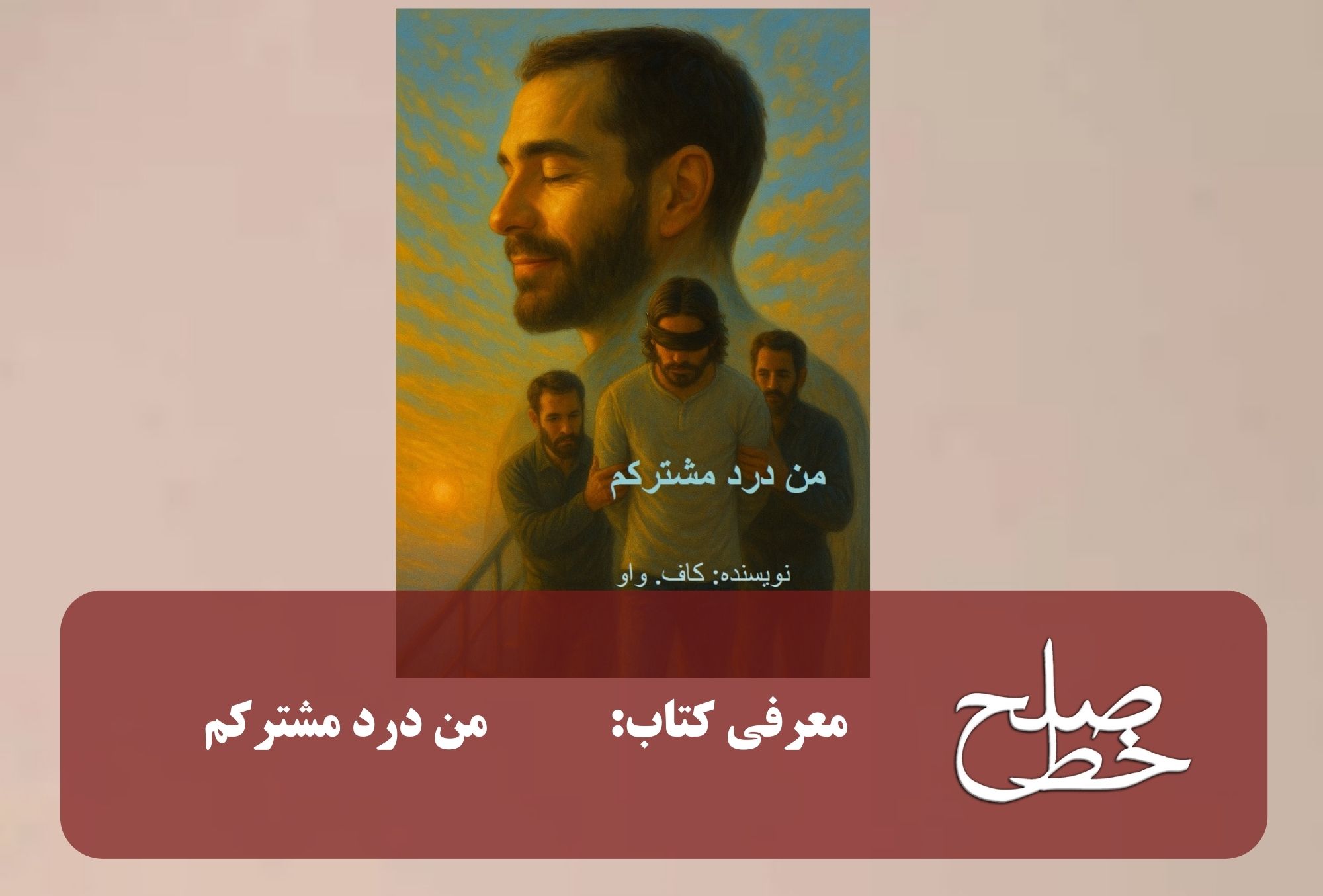
Book introduction: I am a common pain.
My Common Pain is a literary account of the collective experience of a generation that culminated in the “Women, Life, Freedom” uprising in 1401. In this work, the author has not sought to provide accurate and documented historiography, nor a mere retelling of events; rather, by using a fictional narrative, he has attempted to recreate […]...
Read More
Created By:
Admin September 23, 2025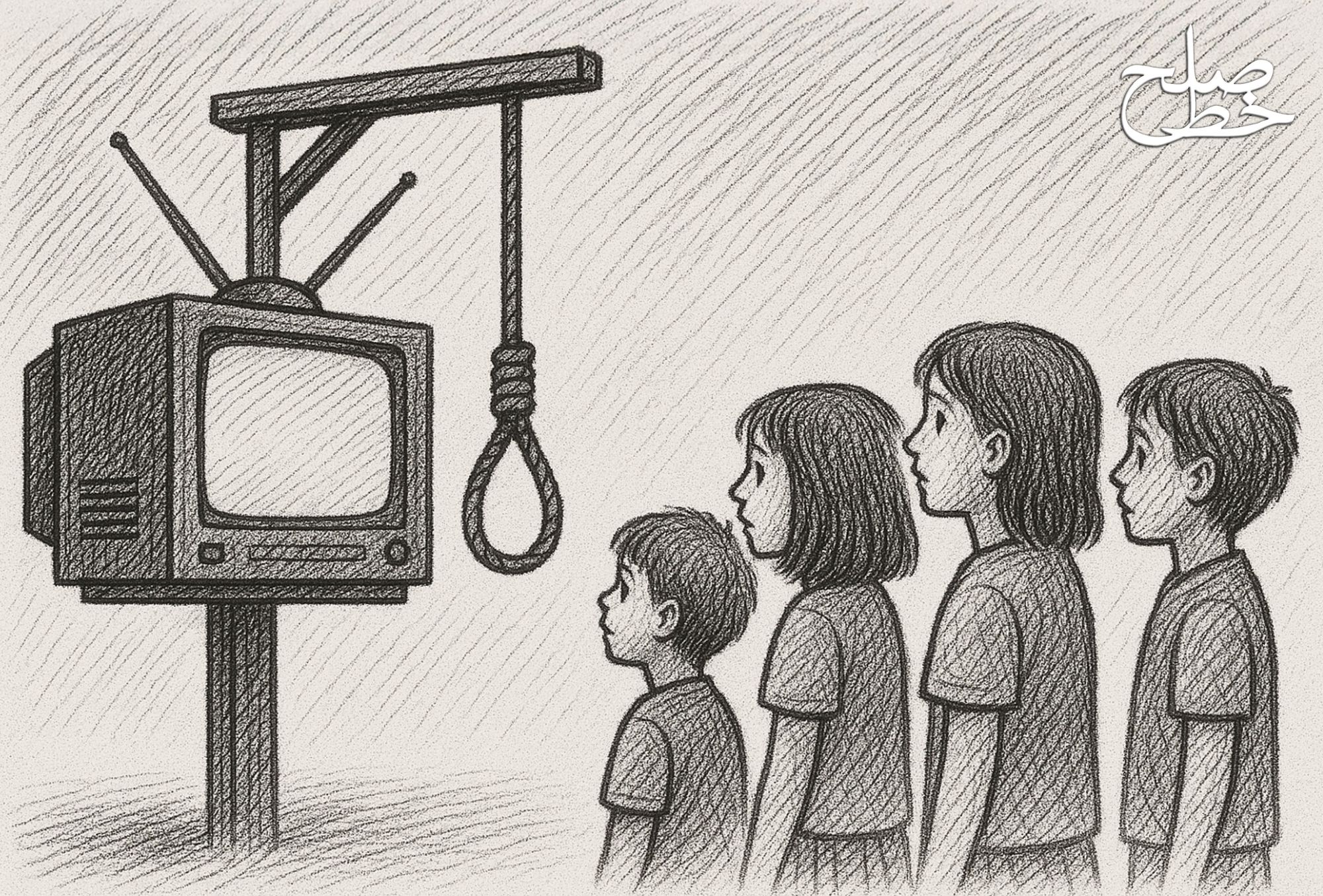 Created By:
Admin September 23, 2025
Created By:
Admin September 23, 2025
