


Monthly Peace Line Magazine

“Organization for Collection and Sale of Private Assets” or Mafia of Buying and Selling Public Assets?/ Musa Barzin
Collecting and selling smuggled and abandoned properties was initially the responsibility of the customs. Later, this task was assigned to a committee consisting of representatives from the Foundation of the Oppressed, Jihad-e-Sazandegi, Housing Foundation, and the General Prosecutor’s Office of the country. With the approval of the “Law on the Collection and Sale of Abandoned […]...
Read More Created By:
Mousa Barzin
Created By:
Mousa Barzin February 20, 2022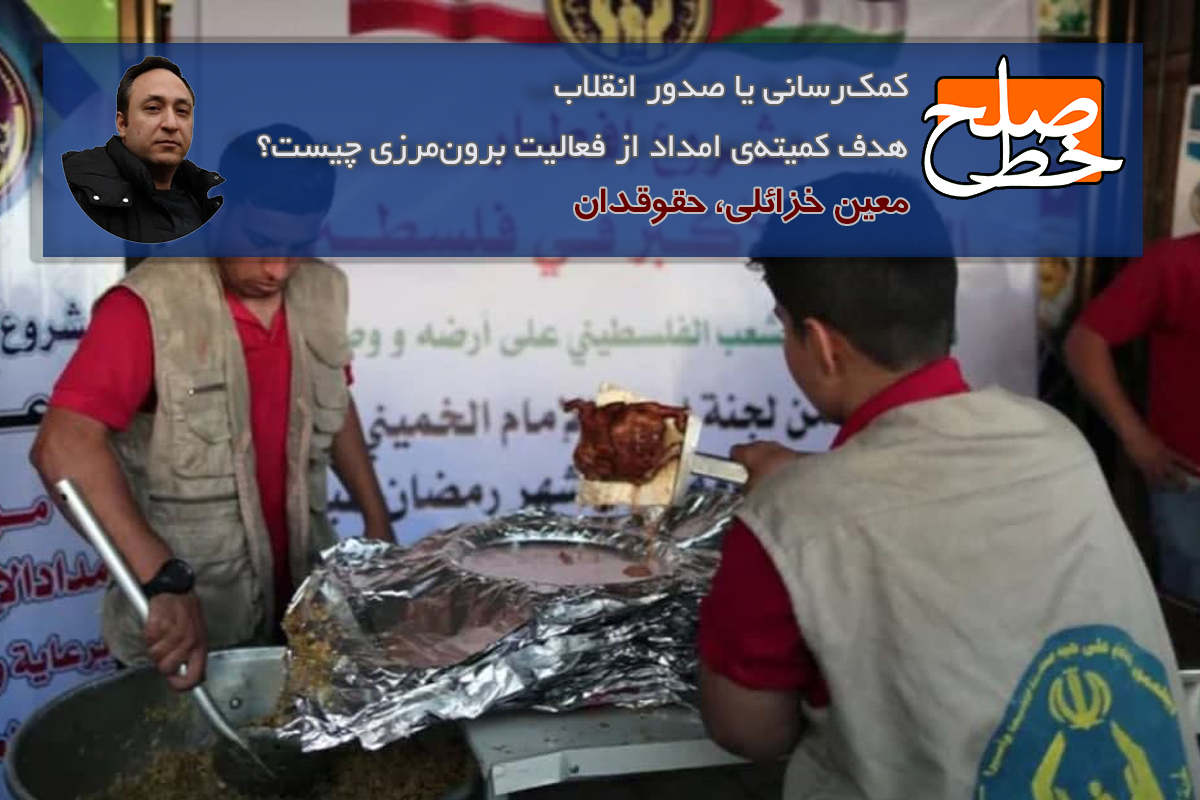
Humanitarian assistance or revolutionary support; what is the goal of the Relief Committee in its international activities? / Moayyed Khazaei
In February 2013, Seyyed Hamed Azimi, the Director General of Development of Communications with Iranians and International Organizations of the Relief Committee, officially announced the opening of the committee’s offices in foreign countries. He stated that the purpose of this work is to “carry out charitable and poverty alleviation activities in line with human friendship […]...
Read More
Created By:
Moein Khazaeli February 20, 2022
Charitable revolutionary foundations that were founded to combat evil/Kiumars Amiri
With the victory of the Iranian people’s revolution in February 1979, Ayatollah Khomeini promised the people prosperity, comfort, and human dignity. In order to achieve this goal, from the very beginning of the establishment of the Islamic system, he ordered the establishment of dozens of foundations such as the “Foundation of the Oppressed”, “Martyr Foundation”, […]...
Read More
Created By:
Kiomars Amiri February 20, 2022
Foundation of the Foundation; A Look at the Foundation of the Oppressed After Four Decades/ Khorsheed Shaeiri
I’m sorry, there is no Farsi text provided. Please provide the text for translation. Where does the income of the Foundation for the Oppressed go? It is not clear. – How much income do they have? It’s not exactly clear. I’m sorry, there is no Farsi text provided. Please provide the text you would like […]...
Read More
Created By: February 20, 2022
ی“Imam’s Assistance”; A Political Statement/ Ahmad Fakhimi
The “Imam Khomeini Relief Committee” can be placed alongside the Jihad for Construction, the Revolutionary Guards, the 15 Khordad Foundation, and a wide range of other institutions formed in the years following the revolution in a list known as “Revolutionary Institutions”. However, there must be a serious distinction between the Imam Khomeini Relief Committee and […]...
Read More
Created By:
Ahmad Fakhim February 20, 2022
The Relief Committee Along the Path of Poverty/ Keyumars Karimi
Unfortunately, poverty and destitution have deeply rooted in our society and will not be cured with charity, benevolent donations, populist attitudes and behaviors. The foundation of our country’s economy has suffered major damages that need to be addressed with the help of skilled economists, large investments, and assistance from experienced global industrialists with short and […]...
Read More
Created By:
Kiomars Karimi February 20, 2022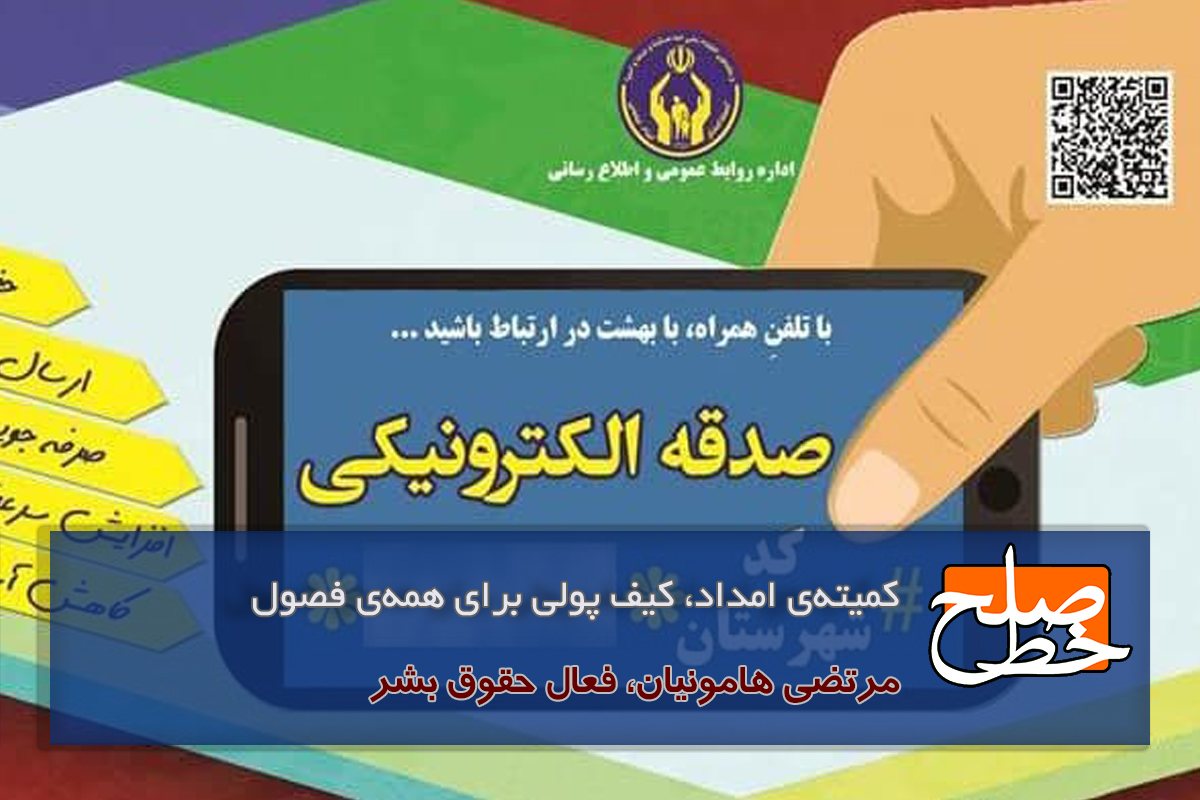
The Relief Committee, a wallet for all seasons / Morteza Hamounian
Charity boxes of the Relief Committee are everywhere. It is rare for someone to have spent a day in the streets of Iranian cities and not come across one of these boxes; boxes that are said to “remove seventy calamities”. This saying is based on narrations from the Prophet of Islam and also the Shia […]...
Read More
Created By:
Admin February 20, 2022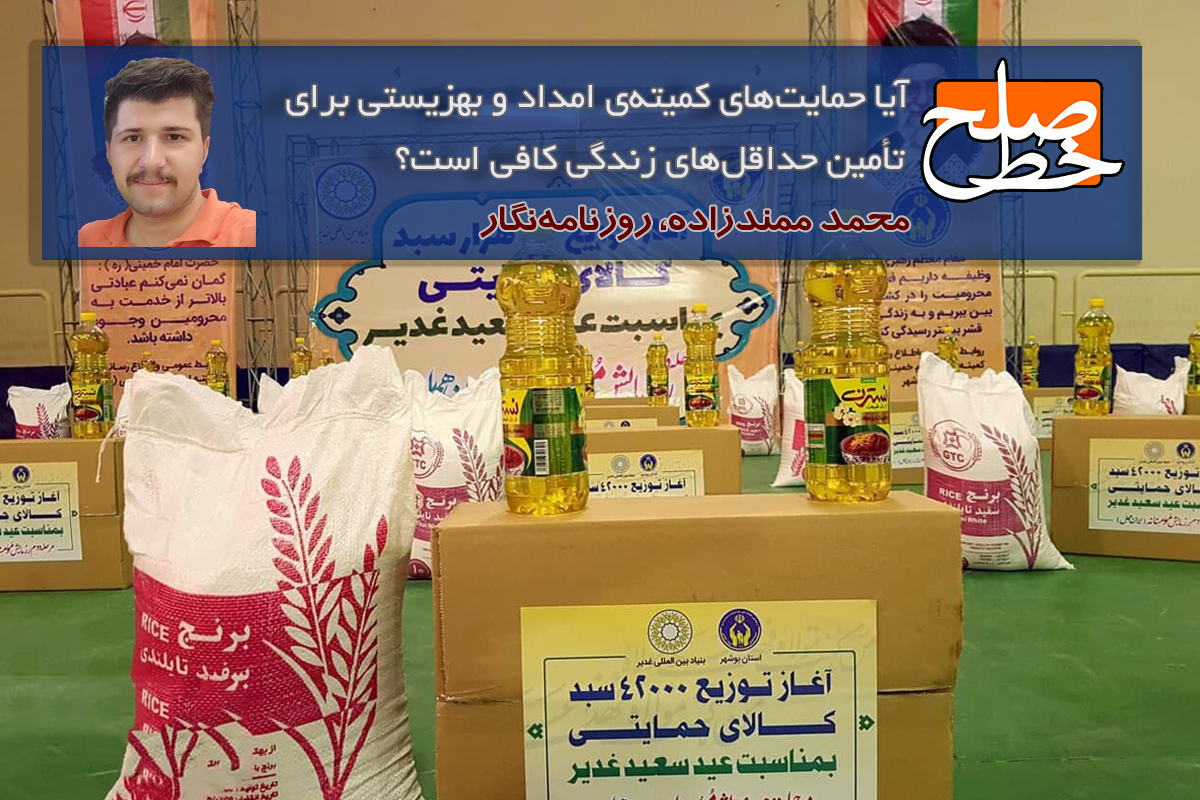
Is the support of the Relief and Welfare Committee enough to provide for basic living necessities? / Mohammad Momenzadeh
The living conditions of Iranian households have worsened day by day as a result of economic corruption, inefficiency of managers, the widespread COVID-19 pandemic, and sanctions imposed due to nuclear activities. In a country with vast oil and gas resources, a considerable percentage of families are in need of economic support. In such a situation, […]...
Read More
Created By:
Mohammad Mamandzadeh February 20, 2022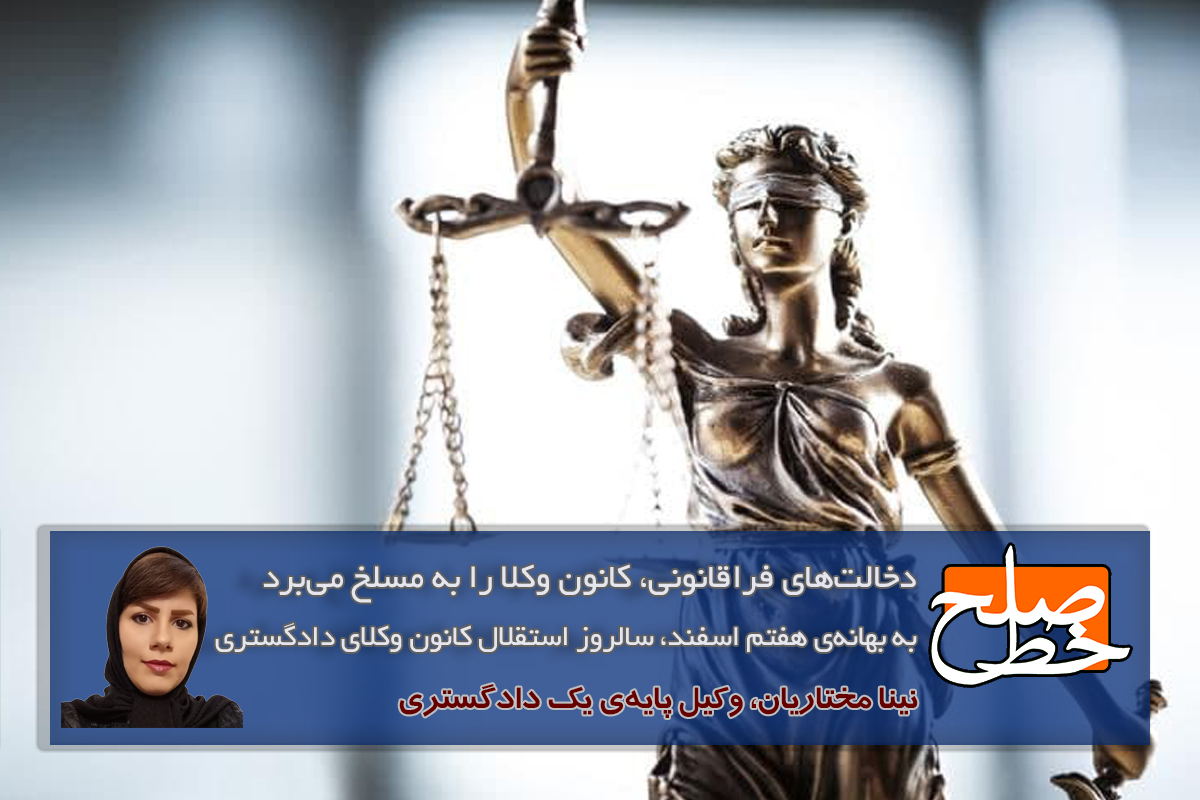
Legal interventions bring the Bar Association to the slaughterhouse / Nina Mokhtarian
Judiciary advocacy, as an important and sensitive profession, is recognized as an essential tool for enforcing the law and ensuring justice, as well as safeguarding the rights of citizenship and fundamental freedoms. It is considered an independent and autonomous profession in the modern world. This professional independence is guaranteed in the legal system of every […]...
Read More
Created By:
Nina Mokhtarian February 20, 2022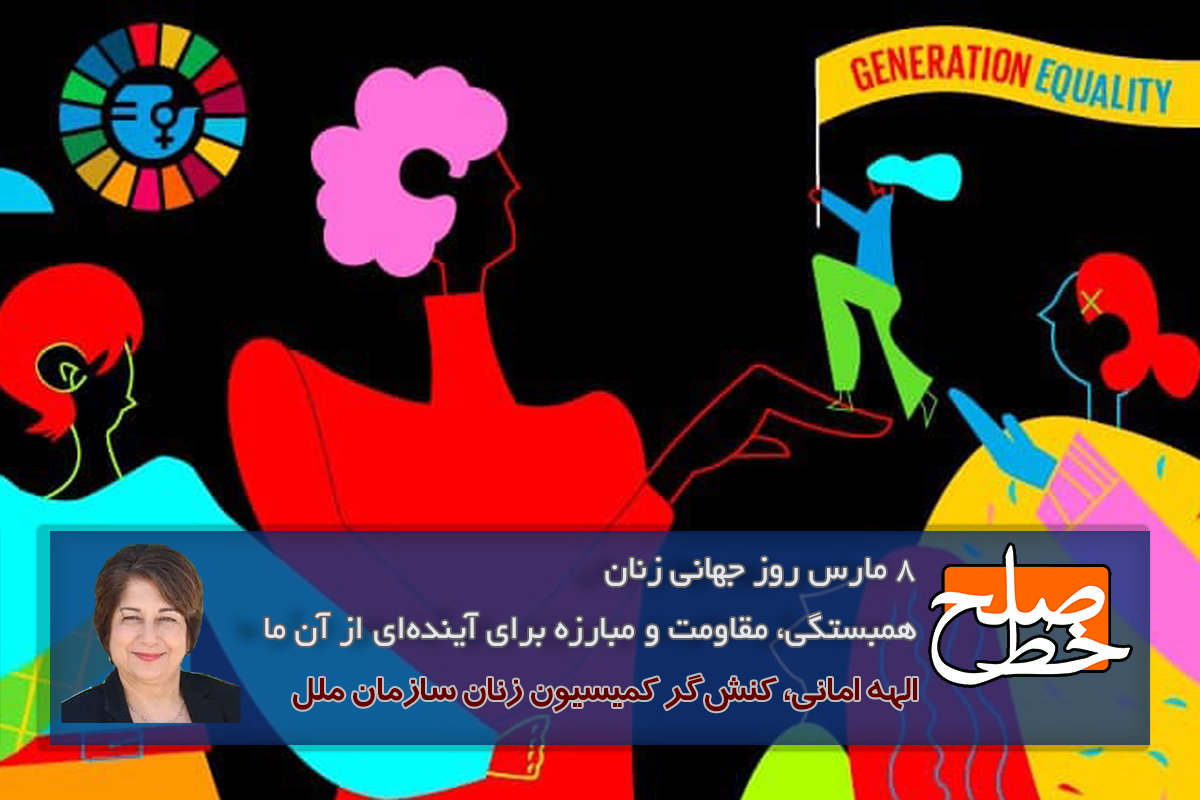
Solidarity, resilience, and struggle for a future belong to us / Elaheh Amani
March 8th has been recognized as the central point and focal point of women’s struggles and celebration of its achievements since the early 1900s in the world. A review of the key points of the hundred-year history of March 8th reminds us of the importance of this day in the global women’s movement and the […]...
Read More
Created By:
Elahe Amani February 20, 2022
On the occasion of World Day for the Fight against Sexual Exploitation of Women, Rezvan Moghadam.
Stella Obasanjo, the first lady of Nigeria and wife of former president Olusegun Obasanjo, proposed February 6, 2003 as the World Day of “Zero Tolerance for Female Genital Mutilation” at a conference organized by the Committee on “Influential African Traditional Practices on the Health of Women and Children”. The United Nations Human Rights Commission then […]...
Read More
Created By:
Razvan Moghadam February 20, 2022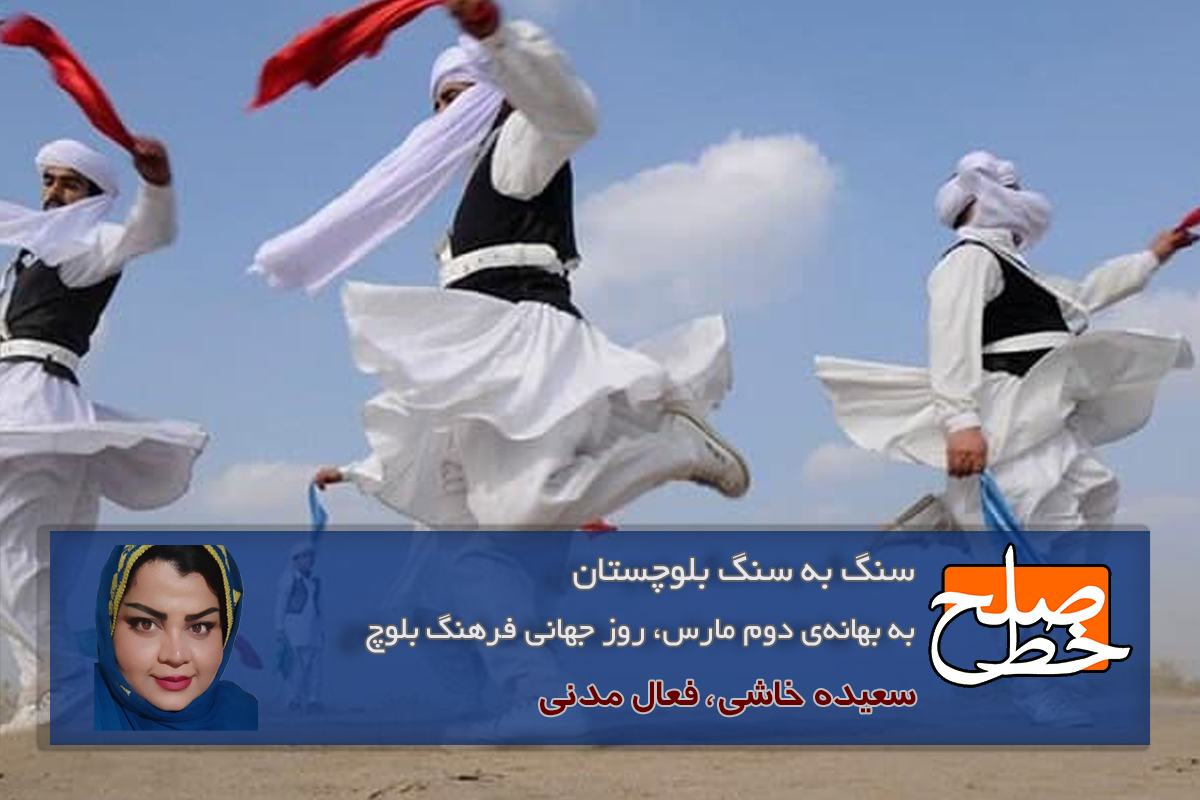
On the occasion of March 2nd, World Baloch Culture Day / Saeideh Khashi
You walked through the stones of Balochistan, at a time when you stayed in mud and brick houses, under sturdy black tents, in sunlit courtyards, and spent long nights in conversation with the ever-awake stars. You witnessed the sunrise in its most humble form, and sat in the company of wheat-carrying women, finding peace under […]...
Read More
Created By:
Saeideh Khashi February 20, 2022
