


Monthly Peace Line Magazine

The situation of education in Sistan and Baluchestan schools and the reasons for students dropping out / Masoud Raeesi
The role of education and upbringing in the development and progress of any society is very prominent and vital; therefore, if this organization does not fulfill its assigned duties, that society will face numerous social abnormalities that many of them are irreparable. Sistan and Baluchestan Province – with an area of over 187,000 square kilometers […]...
Read More Created By:
Admin
Created By:
Admin November 24, 2017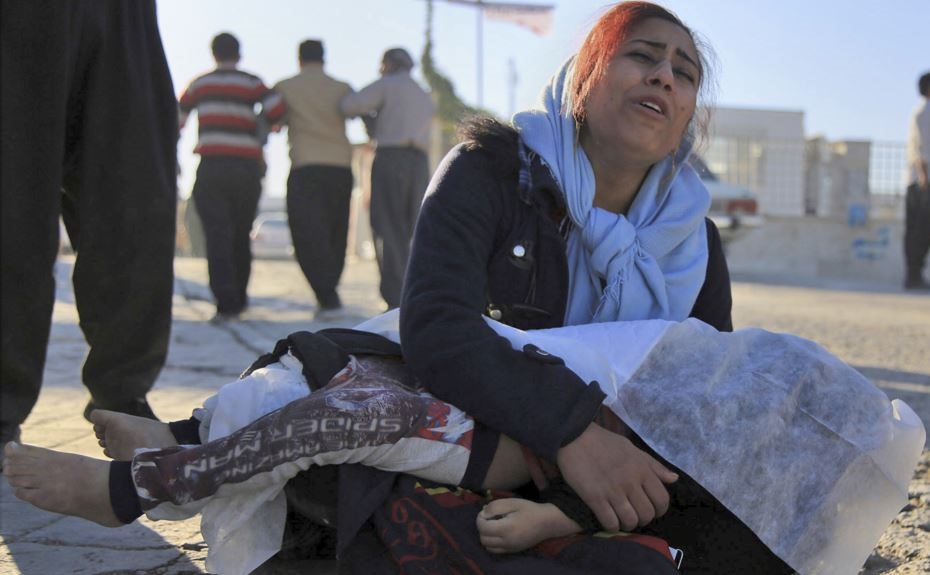
The Kermanshah earthquake and its effects on trade and civil society/ Mohammad Habibi
A picture of a mother with disheveled hair and a tearful face, holding the lifeless body of her young child, will be a reminder of the Kermanshah earthquake for years, even decades, to come. Just as Manjil and Rudbar, Bam and Azerbaijan left their own memories. Bitter, difficult, and devastating memories, etched on the backs […]...
Read More
Created By:
Mohammad Habibi November 24, 2017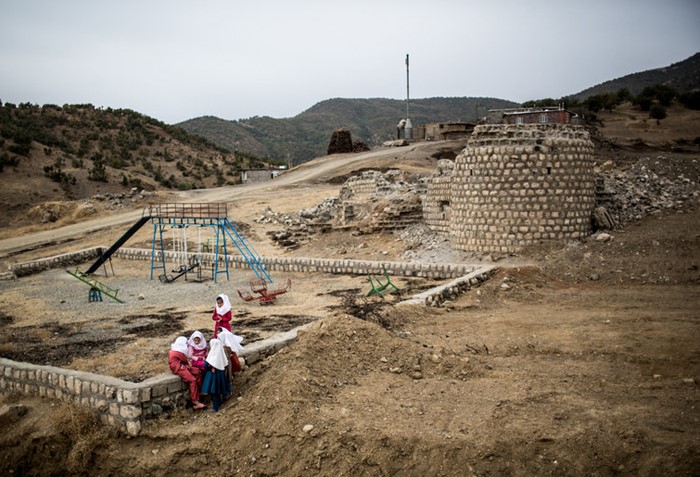
Schools next to minefields; the effects of war on the bodies of children 28 years after its end/ the scent of victory.
Three years ago, we traveled to the village of Neshkash, a part of Marivan, with Parvin Zabih. It is a village in the heart of the mountains, not on the border, but like most areas in Kurdistan, it is inhabited by poor people. We went to visit 7 children who were victims of a landmine […]...
Read More
Created By:
Rayeheh Mozafarian November 24, 2017
Ali Ashraf Darvishian and around/ Mohammad Mehdi Pour
Ali Ashraf Darvishian, also known as Latif Takhistan, was a noble man of the turbulent years. After years of writing and depicting the pains of the deprived class, he left this chaotic world at the age of 76. The purpose of this text is not to criticize the essence of Darvishian’s works or to analyze […]...
Read More
Created By:
Admin November 24, 2017
Book Introduction: Judicial Officers (Duties, Powers, and Responsibilities)
According to Article 28 of the Criminal Procedure Code adopted in 1392, judicial officers and prosecutors are “officials who, under the supervision and instructions of the prosecutor, are responsible for discovering crimes, preserving evidence and signs, collecting evidence of the crime, identifying, finding and preventing the escape and hiding of the accused, conducting preliminary investigations, […]...
Read More
Created By:
Admin November 24, 2017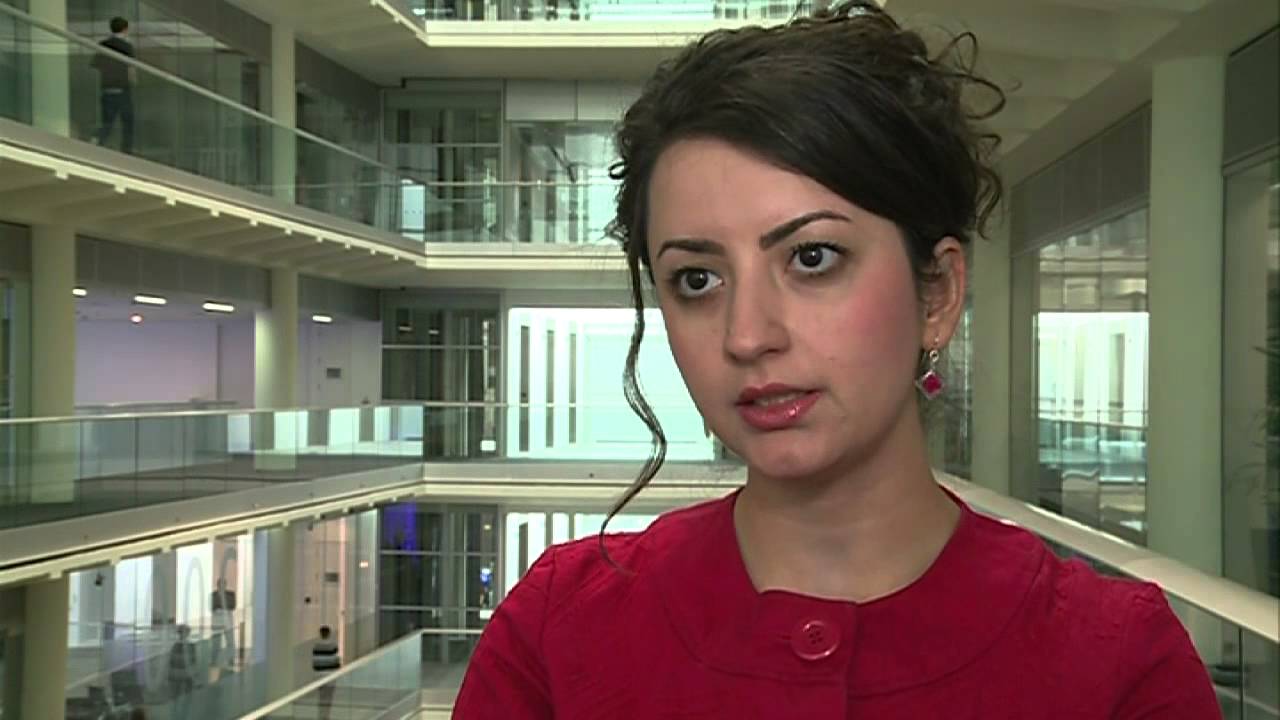
Raha Bahreini: Holding a gathering should not be conditional on obtaining a permit/ Simin Rouzgar
The right to freedom of assembly has been emphasized as a fundamental right in many human rights treaties, particularly in the International Covenant on Civil and Political Rights. This right is among the rights that people in a region or country use as a means to convey their demands to others and officials. In Iran, […]...
Read More
Created By:
Simin Rouzgard October 29, 2017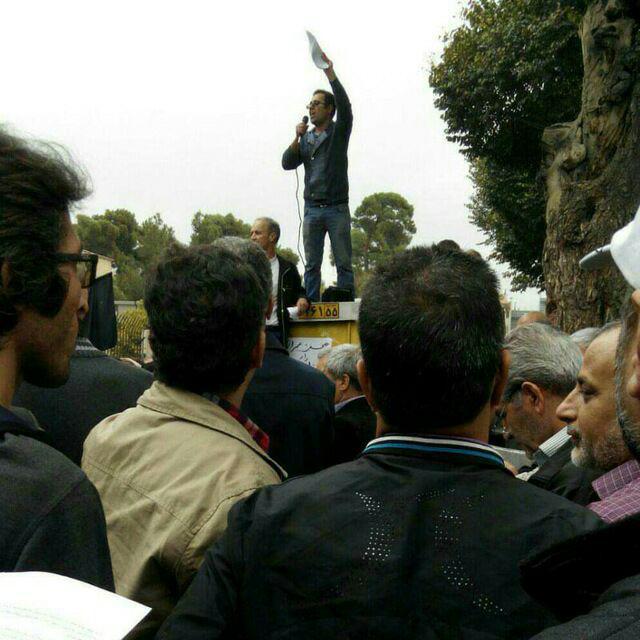
Rouhani’s government and the false claim of cultural security/ Mohammad Habibi
“We replace cultural security with security culture.” This was a slogan that Hassan Rouhani repeatedly used during his 2013 election campaign and after his victory in the election, it became the key phrase of his government’s cultural promises. A promise that was reiterated numerous times in his speeches and by other government officials during the […]...
Read More
Created By:
Mohammad Habibi October 29, 2017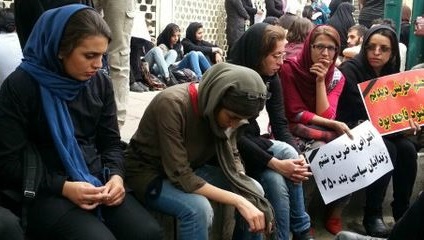
“A government that does not want to change and is afraid of gatherings / Behdad Bardbar”“A government that is resistant to change and fears gatherings / Behdad Bardbar”
Successful experiences of social movements all rely on the presence of a population. Peaceful and lawful movements bring along a part of the ruling body and history has proven that these types of gatherings, due to their focus on legitimate demands of the people, are one of the most important factors in bringing about change […]...
Read More
Created By:
Behdad Bordbar October 29, 2017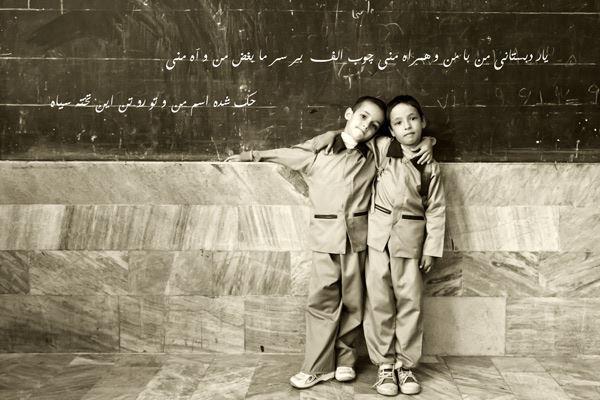
The “Alfi” wood that is now in the hands of teachers / Ahmad Modadi
Hearing the harmony of “My Childhood Friend” in the streets of Tehran is enough to transport each of us to the passionate and enthusiastic days of the late 1970s and early 1980s. Those were the days when gatherings, mostly in university settings or with the presence of young people outside of the university, would culminate […]...
Read More
Created By:
Ahmad Medadi October 29, 2017
A Reflection on the Twenty-Seventh Principle of the Constitution of the Country / Hero Ghanbari
When I wanted to write about the dual or multiple approaches of the Islamic Republic of Iran towards gatherings of supporters, opponents, or protesters, my initial decision was not to refer to the laws of the Islamic Republic. This is because the Islamic Republic of Iran is not even bound by its own enacted laws […]...
Read More
Created By:
Ghahraman Ghanbari October 29, 2017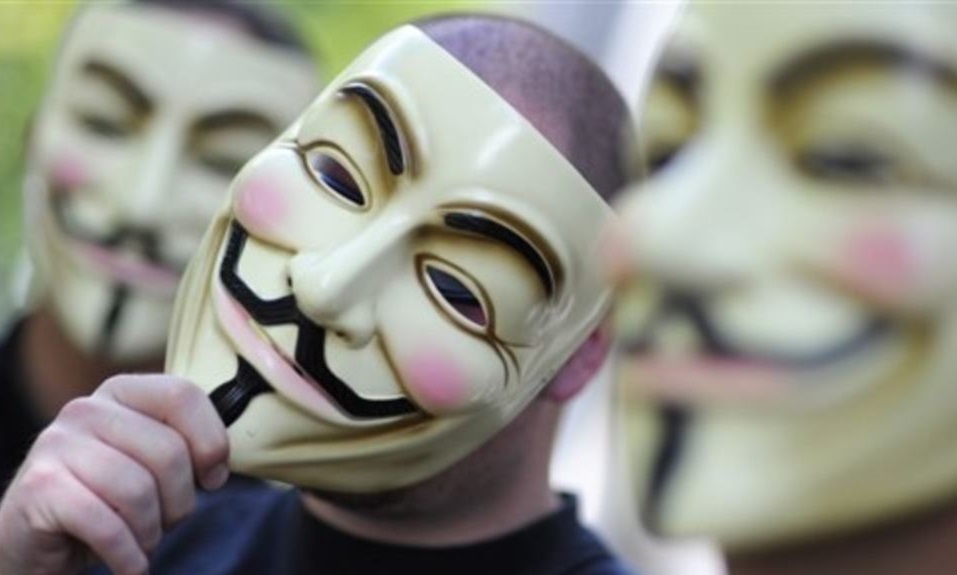
“Freedom of societies, Zahedan, and the factor for the survival of democracies / Ali Afshari”
Freedom of societies and gatherings is an important element in democracy that is necessary both during times of stability and in transitional periods. It serves as a facilitator and platform for activities aimed at establishing popular sovereignty. As stated in Article 20 of the Universal Declaration of Human Rights, “Everyone has the right to freedom […]...
Read More
Created By:
Ali Afshari October 29, 2017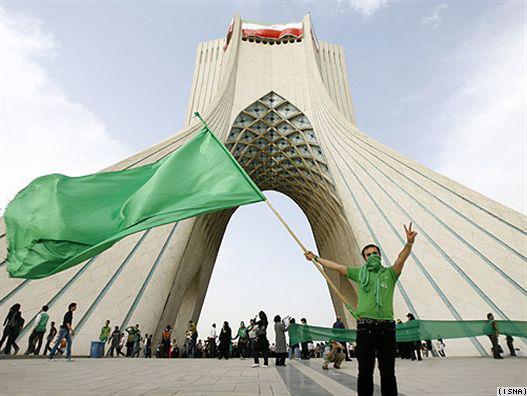
“Freedom of assembly” according to the Constitution of the Islamic Republic / Shahin Sadegh Zadeh Milani
No text was provided. Please provide the Farsi text to be translated. Shahin Sadeghzadeh Milan During the street protests following the controversial 2009 election, supporters of the Green Movement repeatedly expressed that according to Article 27 of the Constitution of the Islamic Republic of Iran, peaceful demonstrations were allowed and government forces had no right […]...
Read More
Created By:
Admin October 29, 2017
