


Mahsa Amini
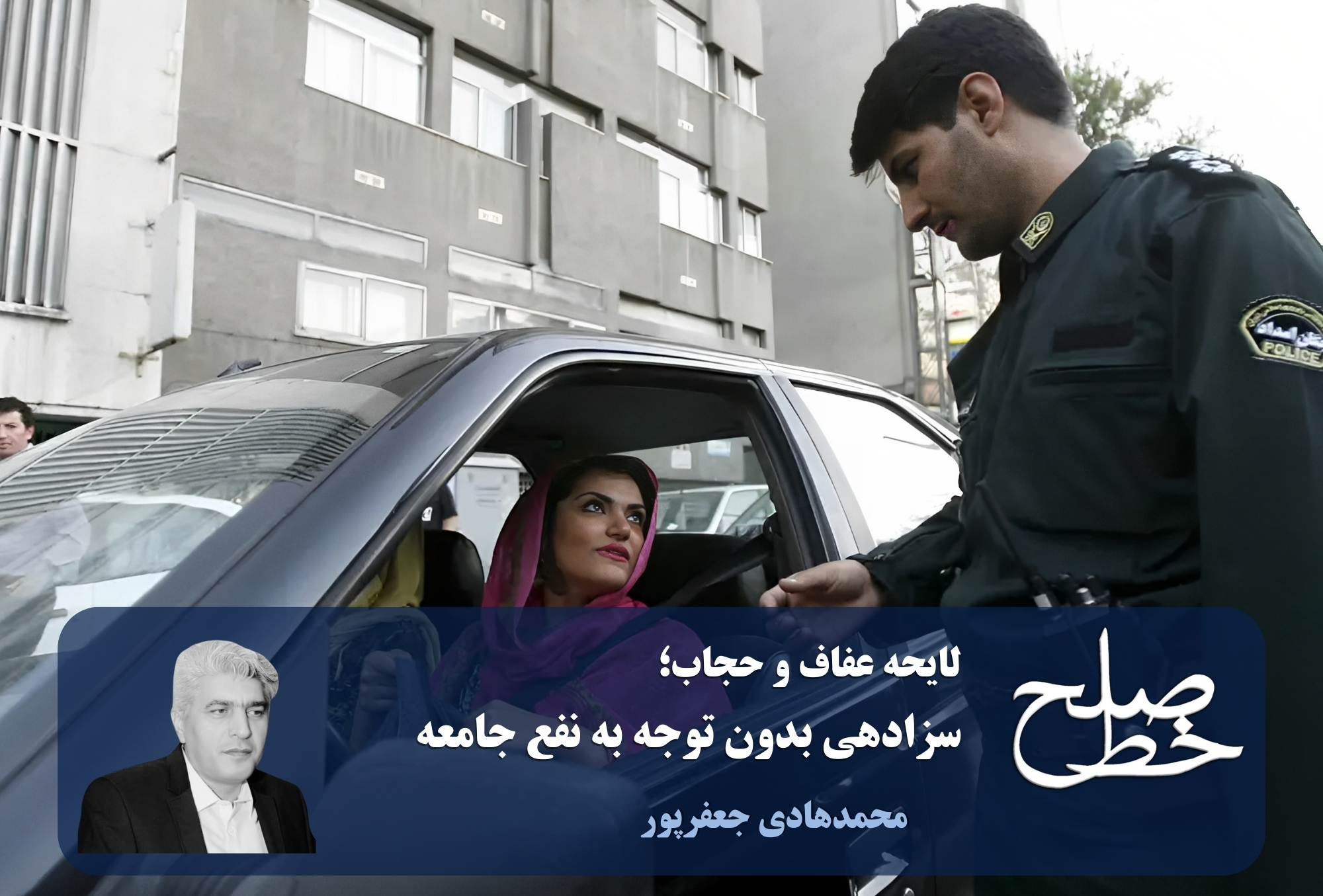
The Bill of Chastity and Hijab; Procreation without Considering the Welfare of Society / Mohammad Hadi Jafarpour
Analysis of the proposed materials in the “Chastity and Hijab” bill, according to the principles and rules defined in the Islamic Penal Code and the Law on Reduction of Enhancing Penalties, although necessary, is not as important as the author believes. What is more important, in the author’s opinion, is the expression of the philosophical […]...
Read more By:
Mohammad Hadi Jafarpour
 August 23, 2023

Fighting Against Injustice: Civil Disobedience Against Mandatory Hijab Laws / Abdullah Bai Lashki
Among the efforts to pursue the inherent rights of humans regarding the right to freely choose their clothing and fiery debates among groups in favor of the mandatory dress code for women in Iran, the Islamic Consultative Assembly introduced a controversial bill on hijab and chastity. This bill, designed with the aim of strictly enforcing […]...
Read more
By:
Abdullah Bai Lashaki August 23, 2023
“Hijab and Chastity”, a bill to repeat bad conditions / Saeed Maleki
What is observed in the subject of hijab and its surrounding controversies has a great absence. A look at the course of events surrounding the subject over the past year shows that part of the ruling establishment, located in specific institutions such as the national media and other organizations, despite their initial logical approach, is […]...
Read more
By:
Saeed Maleki August 23, 2023
Civil Resistance and the Veil and Chastity Bill / Raha Sabt Sarvestani
The Hijab and Chastity Bill, which was recently prepared and published by the Judiciary and Legal Commission of the Islamic Consultative Assembly, consists of five chapters and seventy articles that specify the duties of approximately twenty-four government agencies for the implementation and promotion of its provisions. However, in these seventy articles, there is no precise […]...
Read more
By:
Raha Sabet Sarvestani August 23, 2023
Is the nightmare of the Islamic Revolution Committee and Guidance returning? / Keyumars Amiri
The bitter and terrifying memories of the “Committee of the Islamic Revolution,” which, like a wicked fate, had inflicted harm and humiliation on the lives, property, and dignity of the people of Iran for many years, have not been forgotten. Or the “Guidance Patrols” that left deep wounds on the lives of people. Now they […]...
Read more
By:
Kiomars Amiri August 23, 2023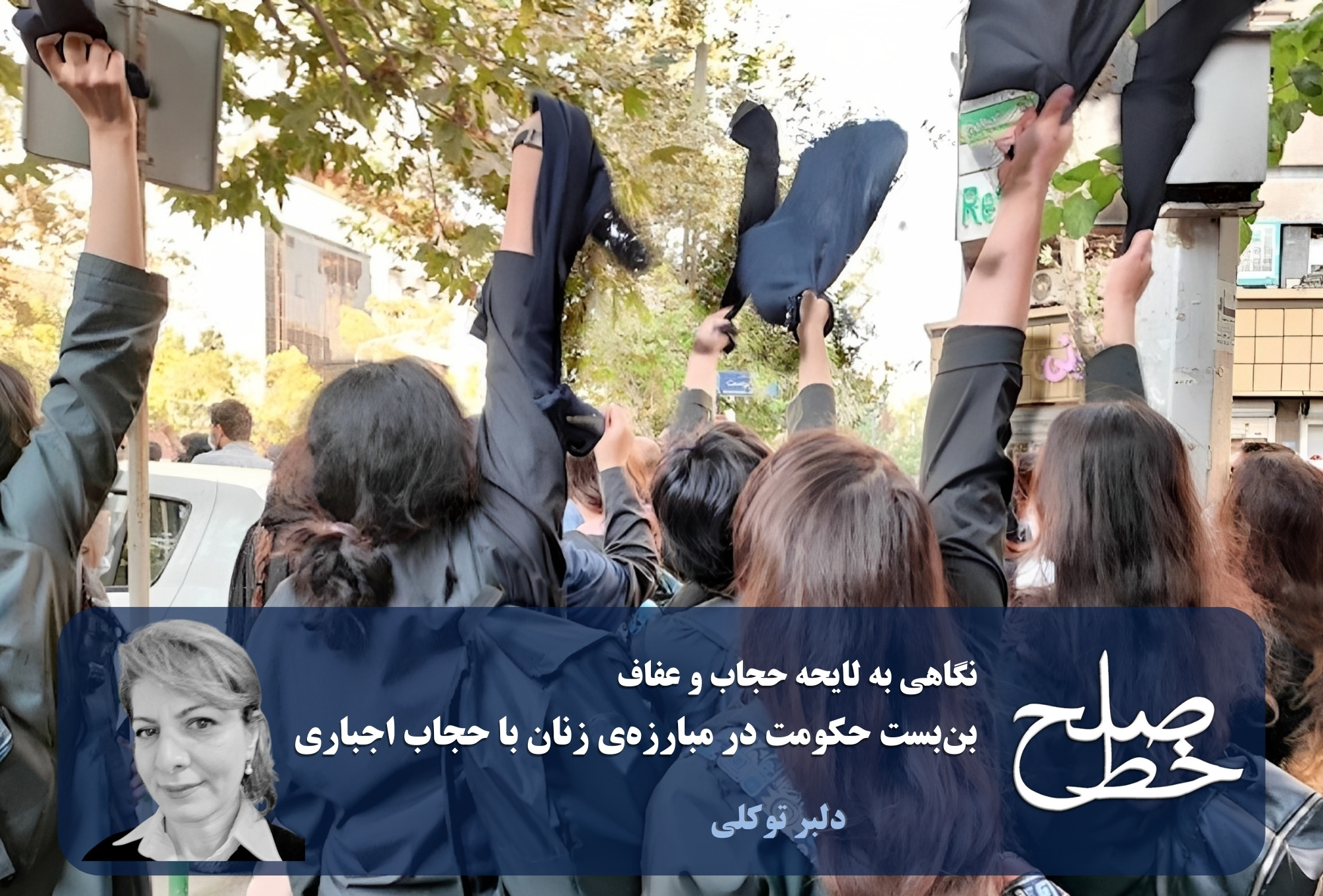
Government deadlock in the fight against mandatory hijab/ Beloved Tavakoli
It has been close to forty-five years that Iranian women, generation after generation, have passed on the torch of the fight against mandatory hijab in the Islamic Republic. The young girls of 1357 (1978) who came to the streets in protests against wearing headscarves, are now fighting alongside their granddaughters for the right to choose […]...
Read more
By:
Delbar Tavakoli August 23, 2023
Book Introduction: “Cinema and Human Rights”
Without a doubt, “cinema” is always something more than just entertainment. For years, cinema has been used as a tool to convey messages and concepts that require public education. Unfortunately, civil society activists in Iran do not pay enough attention to the power of art, or have not been successful in utilizing it. However, there […]...
Read more
By:
Admin February 20, 2023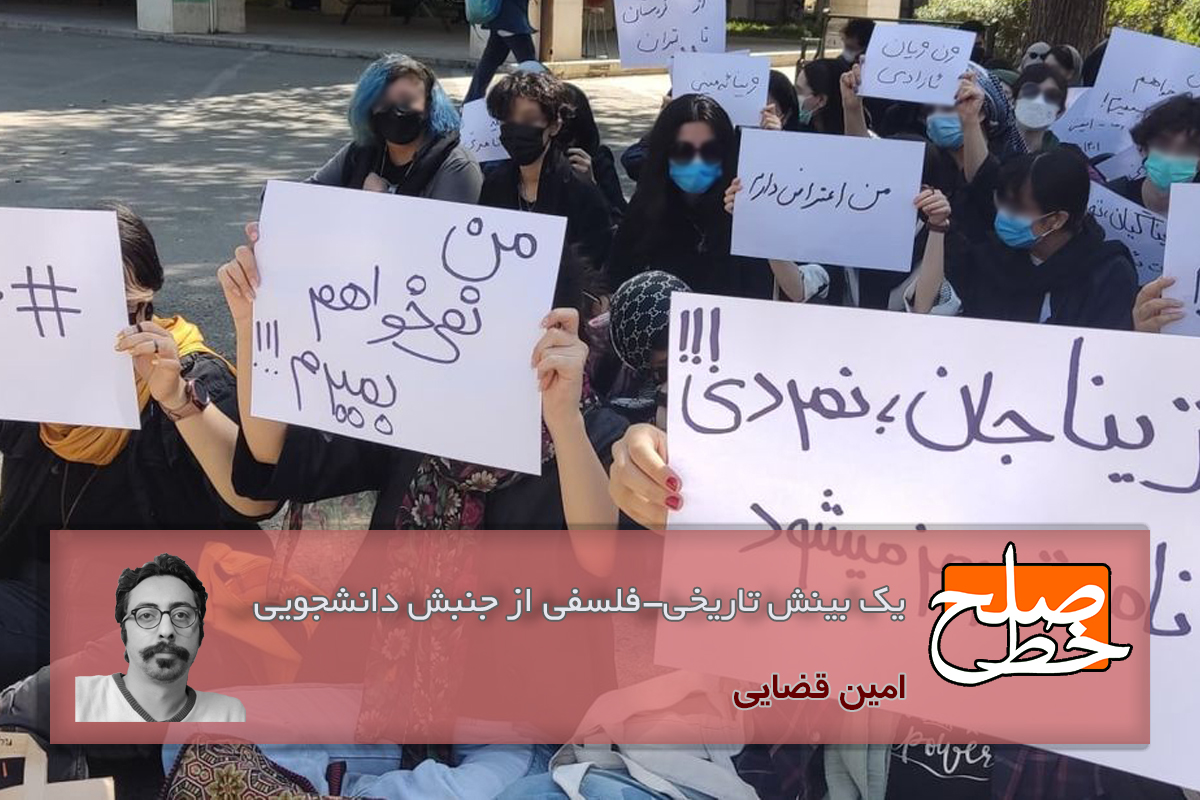
A Historical-Philosophical Perspective on the Student Movement / Amin Ghazaei
Since the beginning of nationwide protests and the uprising of the people, universities in the country have been witnessing widespread protests almost every day in the form of gatherings and sit-ins. According to statistics collected by Hrana, until the writing of this article, there have been hundreds of protest gatherings in one hundred and forty-four […]...
Read more
By:
Amin Ghazaie December 22, 2022
By:
Amir Aghayi November 22, 2022
Hafez Musavi: Iranian artist is inevitably involved with social and political issues/ Mehrnoush No’edoust
Examining the committed art and social responsibility of the artist in conversation with Hafez Musavi, poet. Who is a committed artist? Is art simply a result of an artist’s reaction to political and social situations? What is the state of committed and protest art in the current protests in Iran? These questions have been asked […]...
Read more
By:
Mehrnoush Noudoust November 22, 2022
Karim Lakzadeh: The only way for cinema to join our recent protests is through suicide/ Ali Naseri
“Examining Iran’s Protest Cinema in Conversation with Karim Lakzadeh, Film Director” Karim Lakzadeh believes that in Iranian cinema, films have always been made that appear to be protest films, but in reality, they have only been used by opportunists to advance the filmmaker’s goals and gain international recognition. Given that these days, the art of […]...
Read more
By:
Ali Nasri November 22, 2022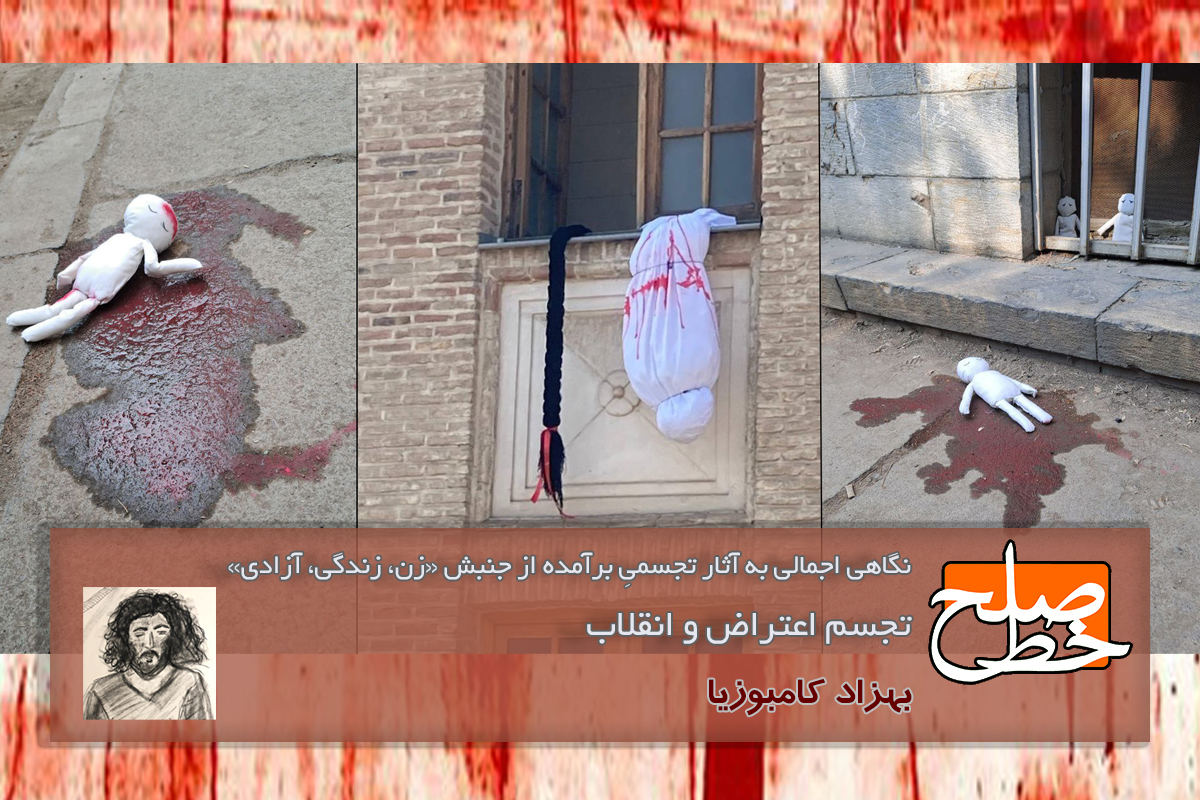
“Manifestation of Protest and Revolution / Behzad Kambouzia”
An overview of the visual works arising from the movement of “Women, Life, Freedom”. In recent weeks, the intensity and severity of events and important developments have been so high that it has likely changed the meaning of time for many of us. It is as if imagining the situation in Iran before the murder […]...
Read more
By:
Behzad Kambozia November 22, 2022
