


Internet outage
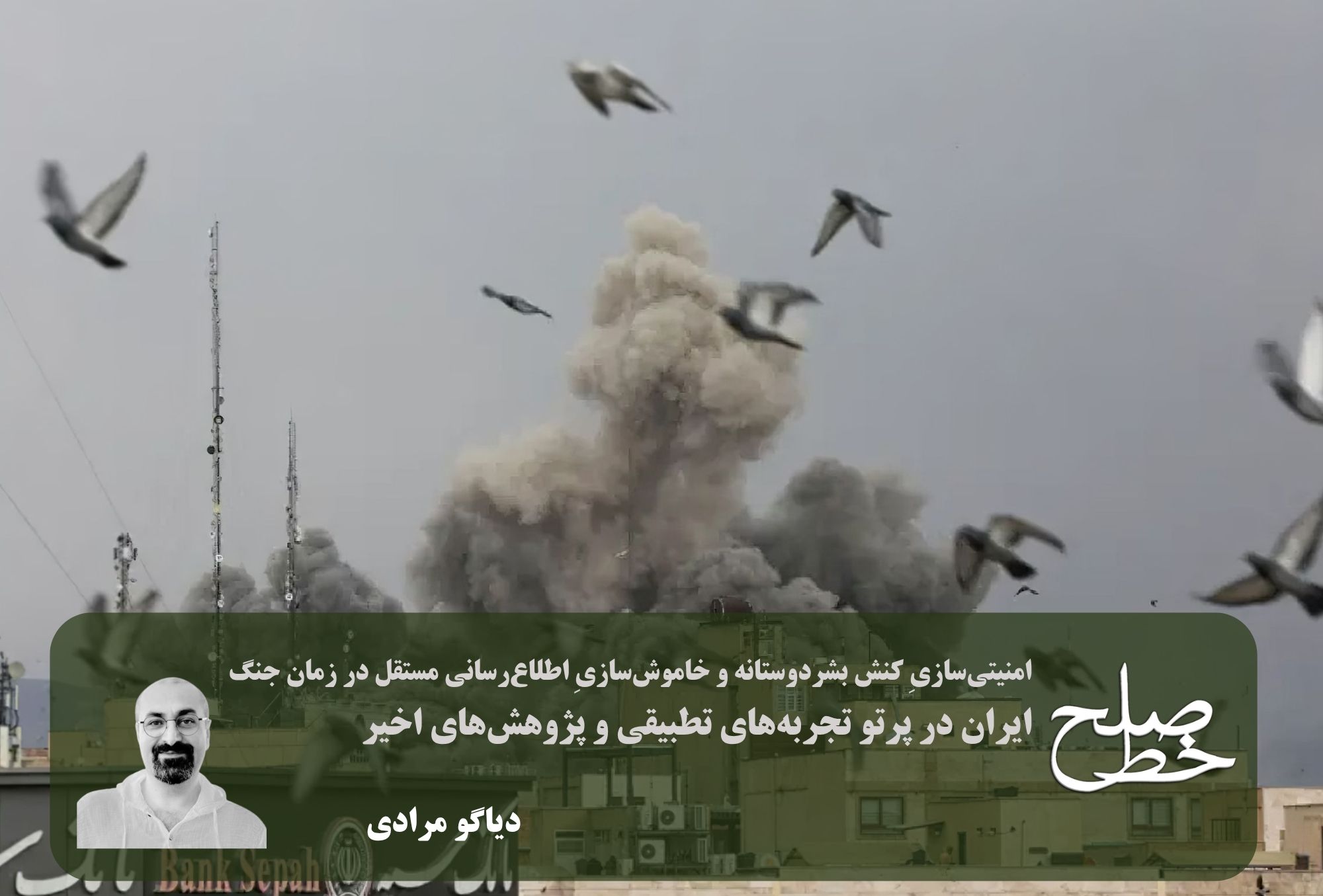
Securitizing Humanitarian Action and Silencing Independent Reporting in Times of War/Diako Moradi
This article attempts to show that in contemporary wars, the battlefield is no longer limited to the military arena, but that the humanitarian, media, communication, and legal spheres are increasingly integrated into the logic of war. In such a situation, war is waged not only through weapons, bombing, and the destruction of physical infrastructure, but […]...
Read More Created By:
Diako Moradi
Created By:
Diako Moradi March 21, 2026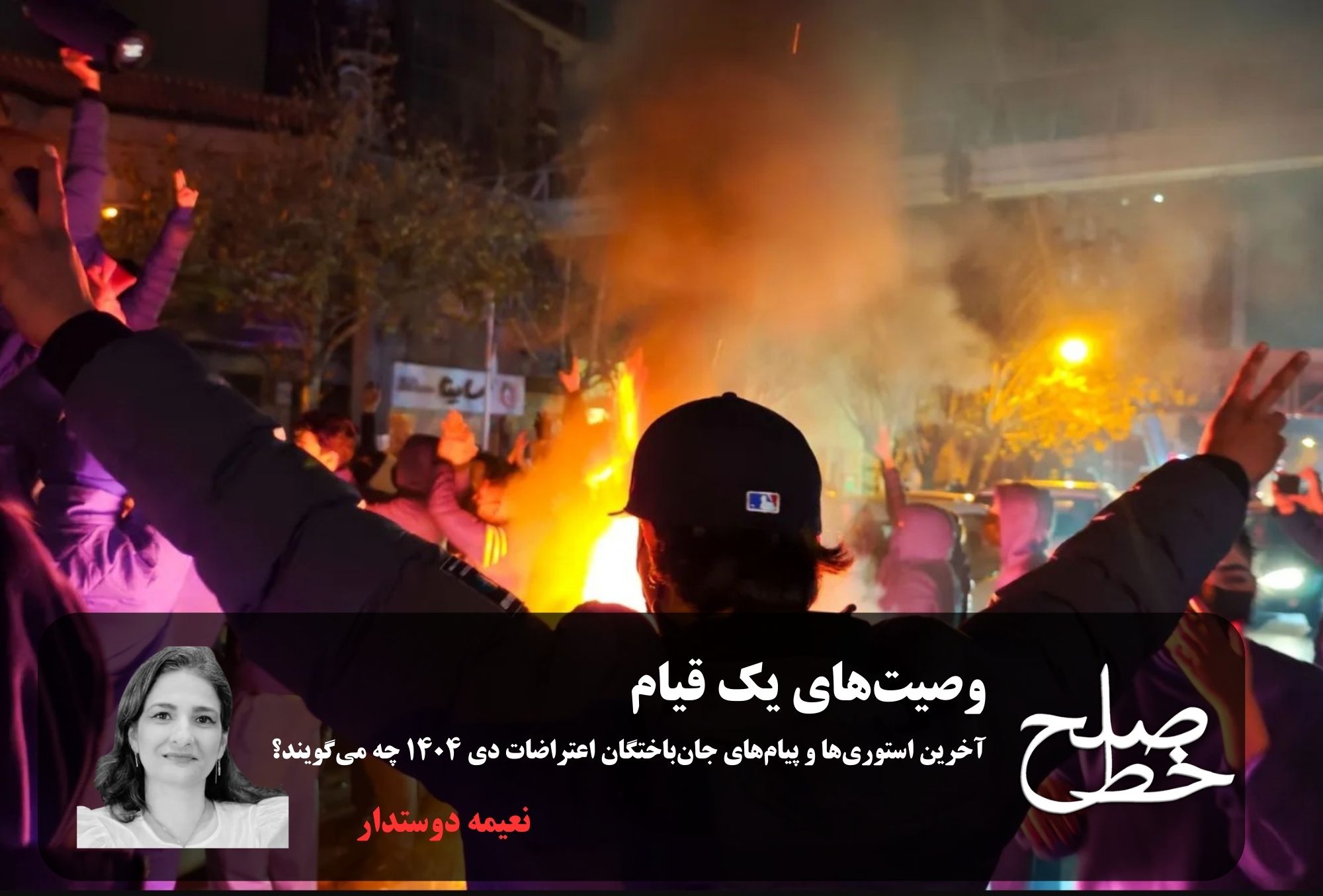
Testaments of an Uprising/Naimeh Doostdar
January 1404 was a time for a number of protesters to say their “last words”; a sentence recorded in a few lines on Instagram stories, or in a few-second video, sometimes in a brief call to family, and sometimes in a will that the survivors tried to carry out without fail. These messages, republished in […]...
Read More
Created By:
Naeimeh Doustar February 20, 2026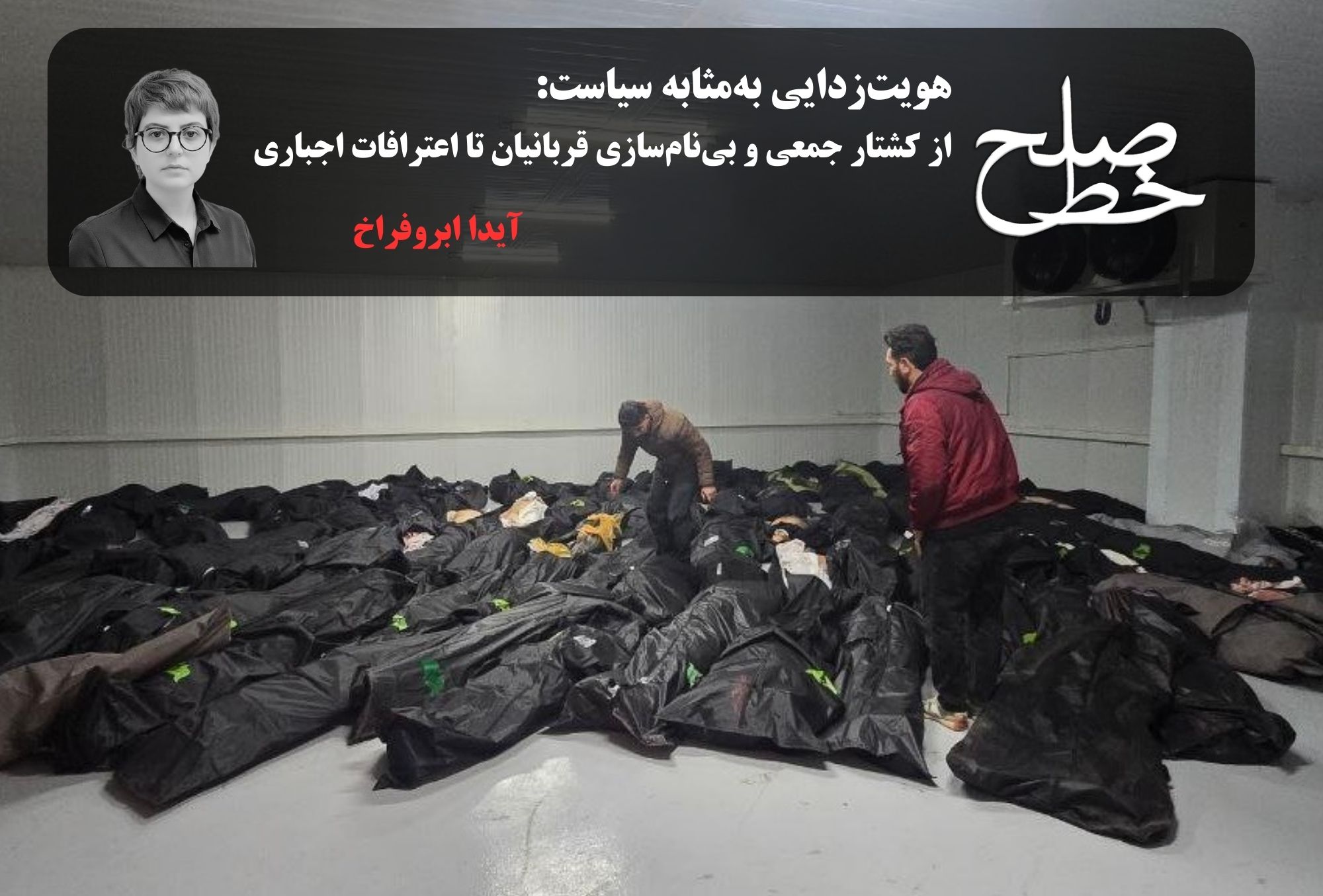
De-identification as Politics/Aida Abrofarakh
In the analysis of state violence, a focus solely on the moment of killing or the number of victims often obscures the deeper mechanisms that enable and anchor widespread violence in a social context. Violence, especially in the form of mass killing, is not a sudden, momentary act, but a gradual process that begins before […]...
Read More
Created By:
Aida Abroufarakh February 20, 2026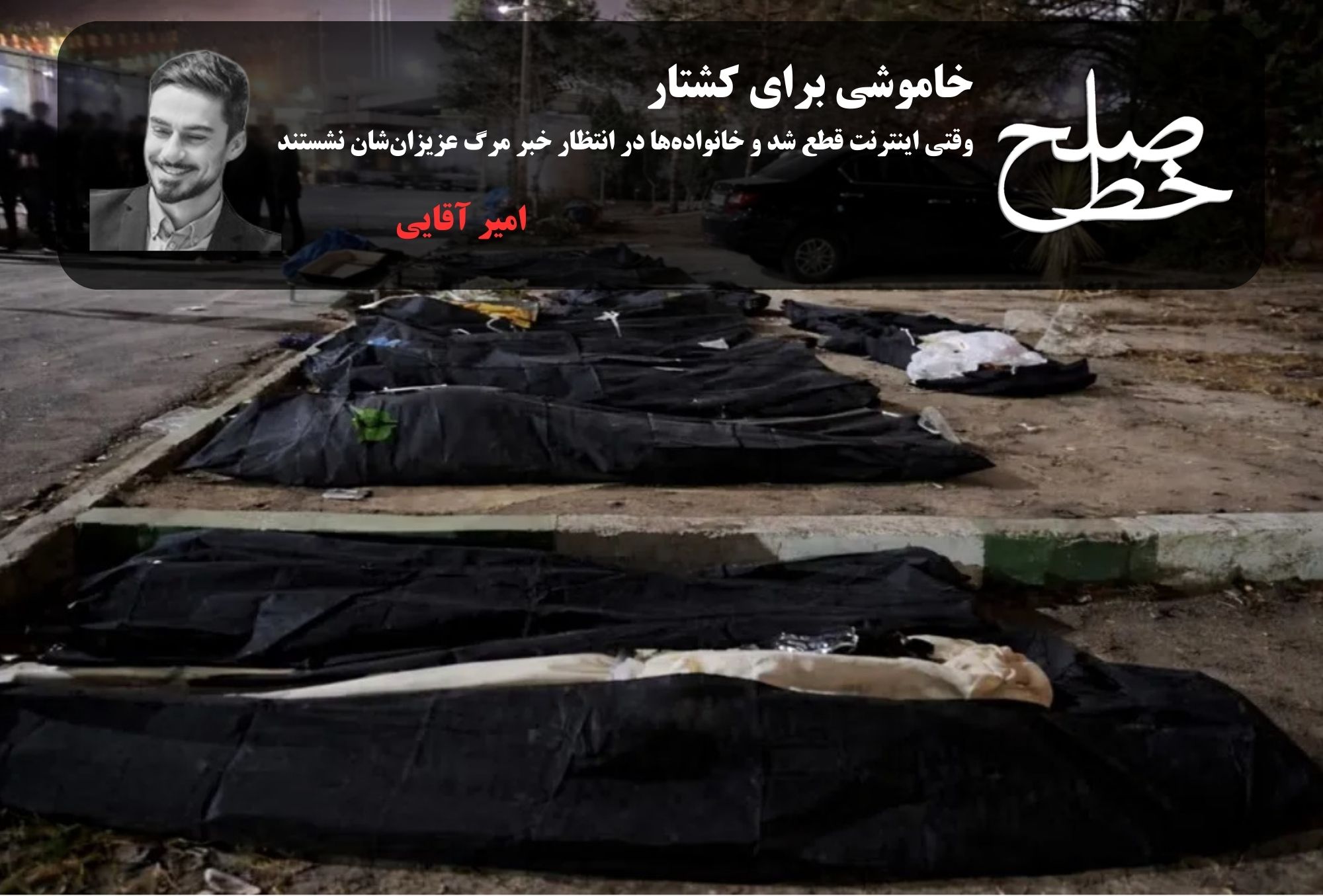
Silence for the Killing/Amir Aghaei
The following text is a scribble by a young man from inside Iran about the internet shutdown during the recent protests. It was originally supposed to be a report on the internet shutdown, but I couldn’t. No matter how much I tried to maintain an impartial tone of reporting, I couldn’t. No matter how much […]...
Read More
Created By:
Amir Aghayi February 20, 2026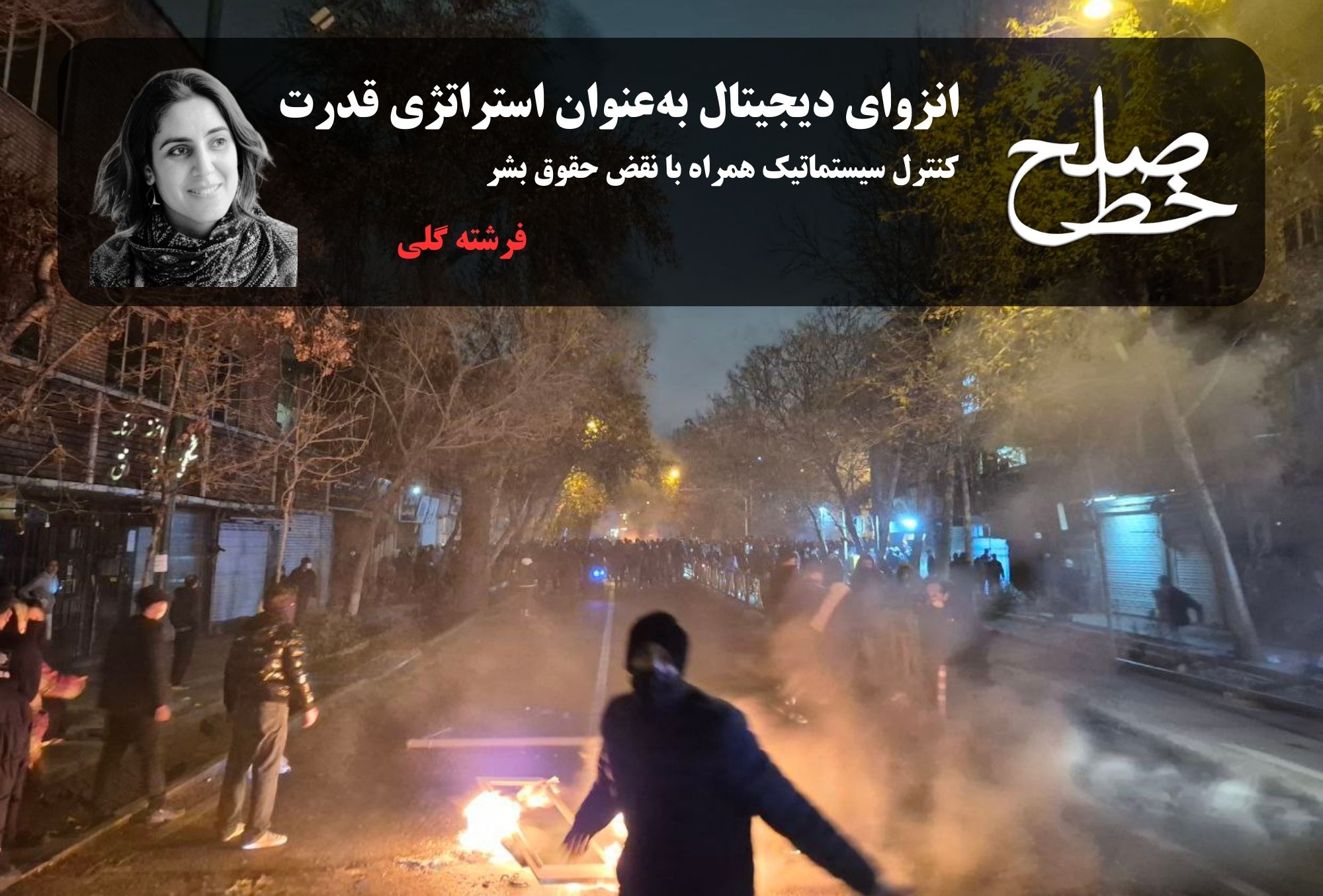
Digital Isolation as a Power Strategy/Fereshte Goli
…and suddenly, total darkness and a heavy silence of ignorance about what had happened on the streets of Iran. Everything was a sign of a disaster. All communication and information channels had been cut off. News was passed around, with a multitude of worrying and frightening speculations broadcast from satellite news networks. On January 18, […]...
Read More
Created By:
Fereshteh Goli February 20, 2026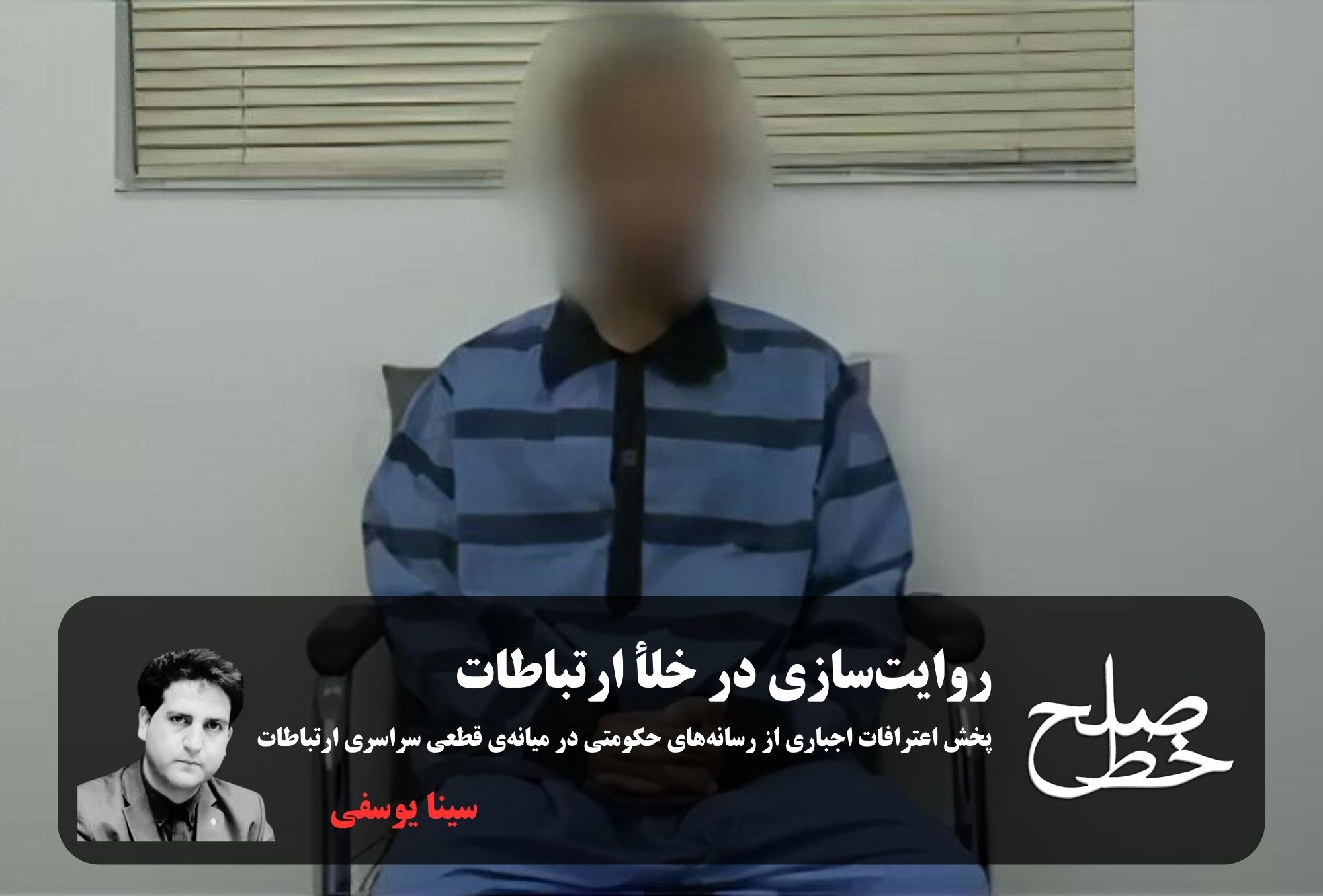
Narrative Creation in the Communication Void/Sina Yousefi
The recent protests in Iran, accompanied by widespread, violent and unprecedented repression, have once again exposed the established patterns of human rights violations by the government. Along with the killing of protesters, mass arrests and the imposition of severe security restrictions, the broadcast of forced confessions by state media has become a central tool for […]...
Read More
Created By:
Sina Yousefi February 20, 2026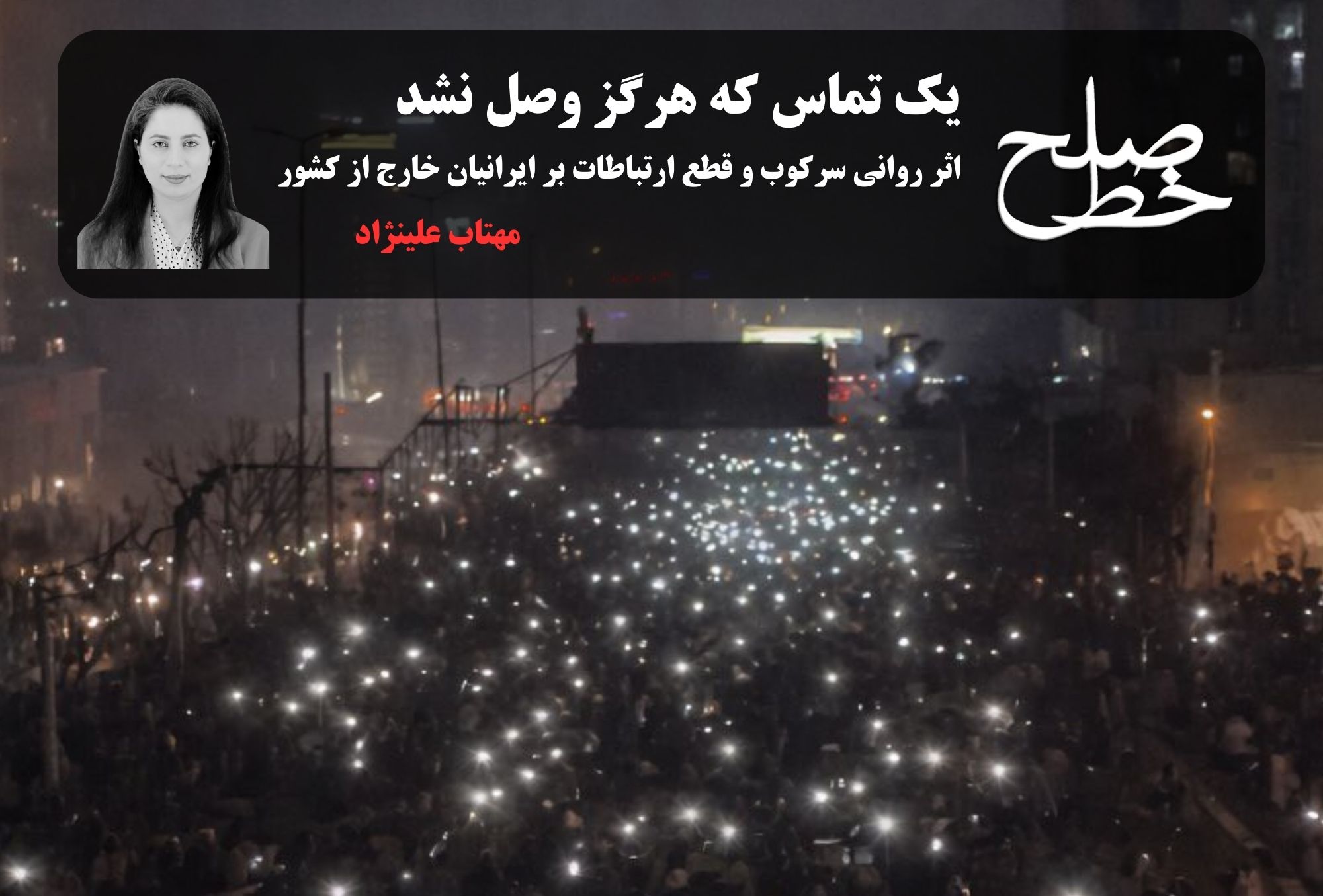
A call that never connected/ Mahtab Alinejad
It’s almost three in the morning. The cold light of a mobile phone illuminates the room, and the hands of a young girl in a European city restlessly glide across the screen. She dials her mother’s number for the umpteenth time. It beeps, then hangs up. Again. No messages are exchanged. The internet is down […]...
Read More
Created By:
Mahtab Alinezhad February 20, 2026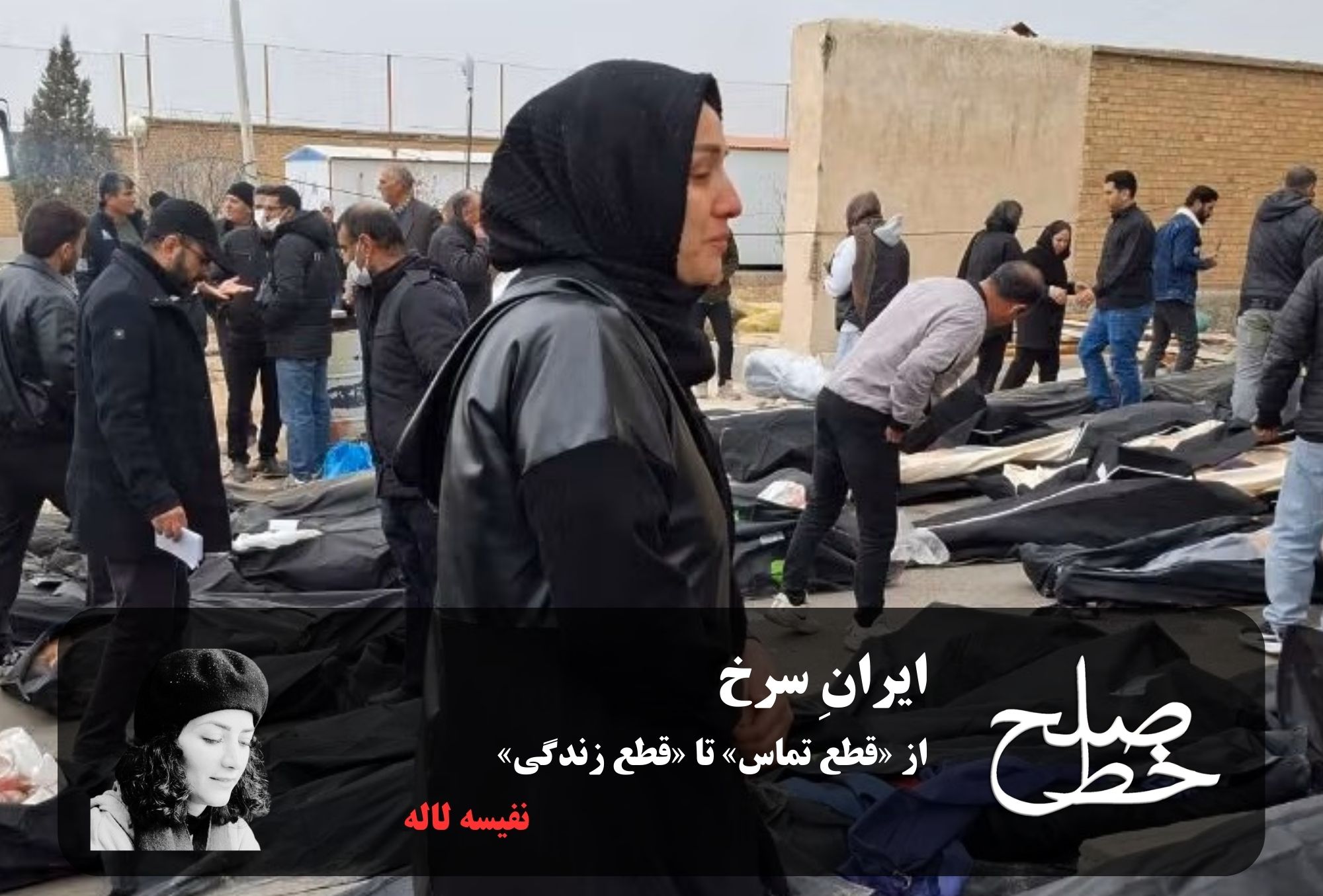
Red Iran; From “Disconnection of Contact” to “Disconnection of Life”/ Nafiseh Laleh
Tehran, evening of January 18, 1404, around 8:00 PM His excited voice echoes in the echo of the desperate voices of the street and my heart skips a beat. The call is cut off around the first minute and remains cut off for the following days and weeks; like ourselves, from life. We do not […]...
Read More
Created By:
Nafiseh Laleh February 20, 2026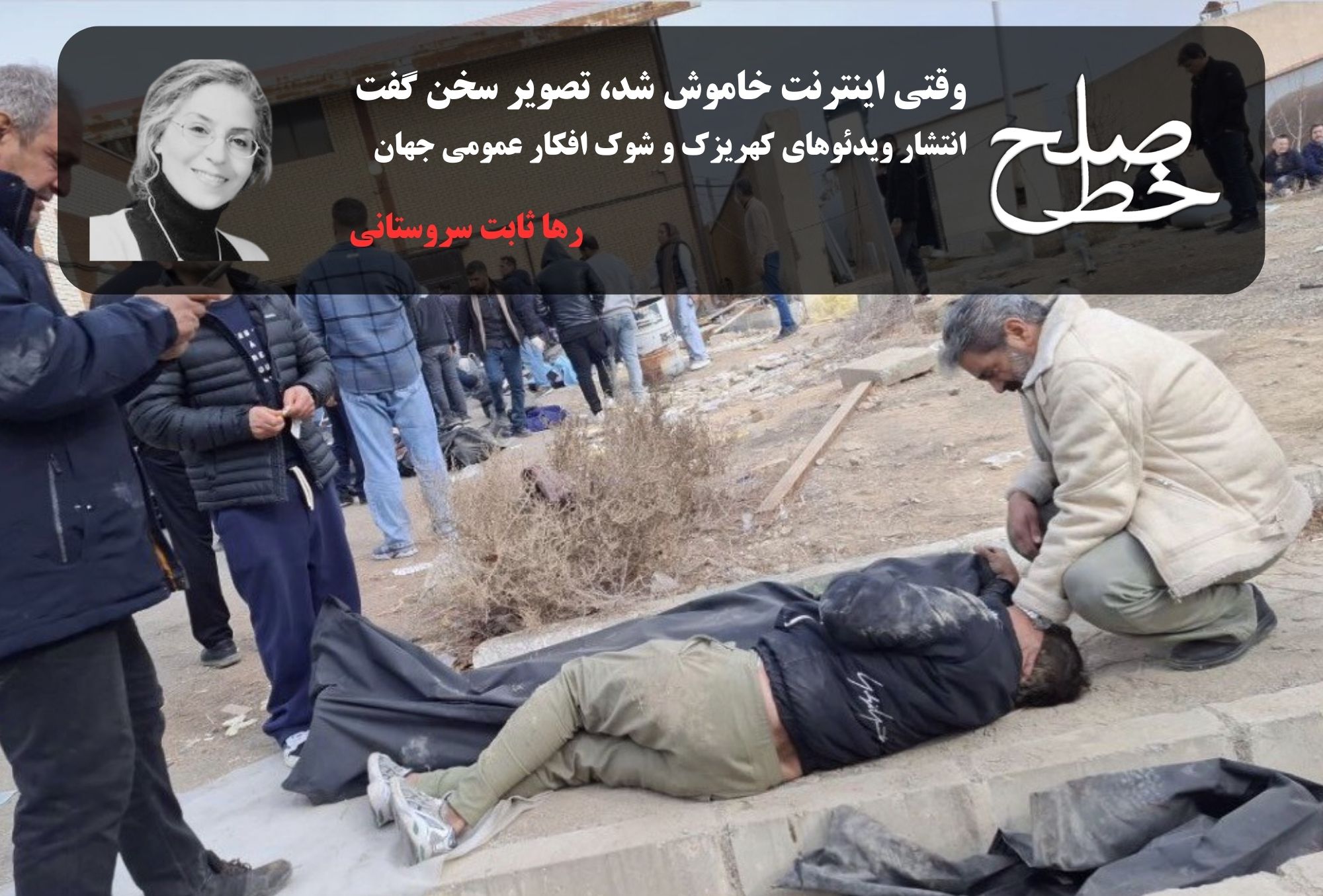
When the Internet Was Shut Down, the Image Spoke/ Raha Sabet Sarvestani
The release of videos related to the events of Kahrizak, at a time when the internet was widely shut down inside Iran, triggered a wave of shock and reaction among public opinion abroad—particularly among the Iranian diaspora, international observers, politicians, and human rights activists. This phenomenon cannot be regarded merely as a media event; rather, […]...
Read More
Created By:
Raha Sabet Sarvestani February 20, 2026
