


Justice in humanity
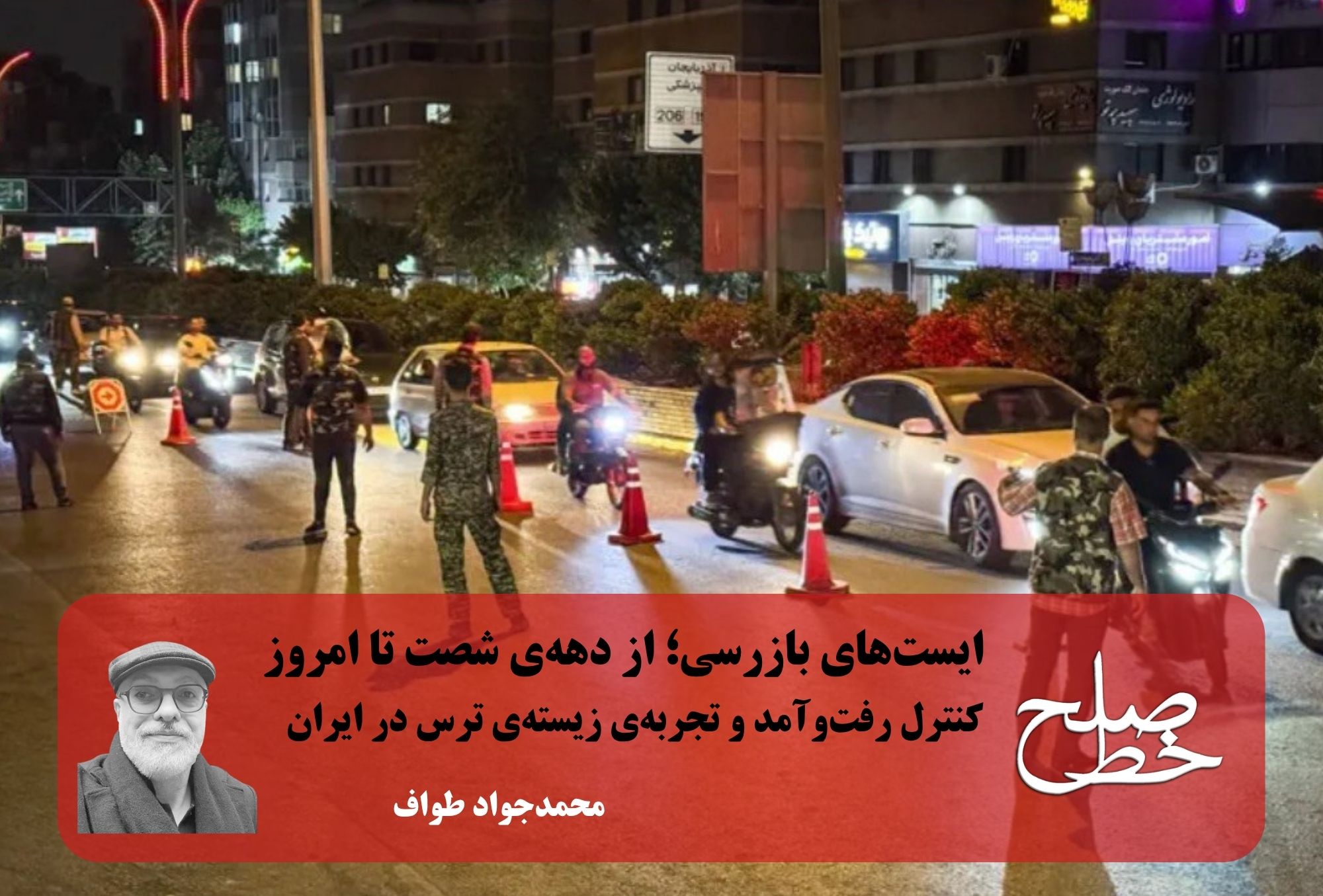
Checkpoint Stops; From the Past to Today/ Mohammad Javad Tavaf
One media activist has recounted a memory from the years of the sixties on social networks: “It was night, my cousin and I wanted to go from Khaniabad to Yousefabad, to our aunt’s house. I said: Hooshang, it’s a desert there, let’s take a little of this aragh too. He double-layered a freezer bag, poured […]...
Read More Created By:
Mohammad Javad Tavaf
Created By:
Mohammad Javad Tavaf April 21, 2026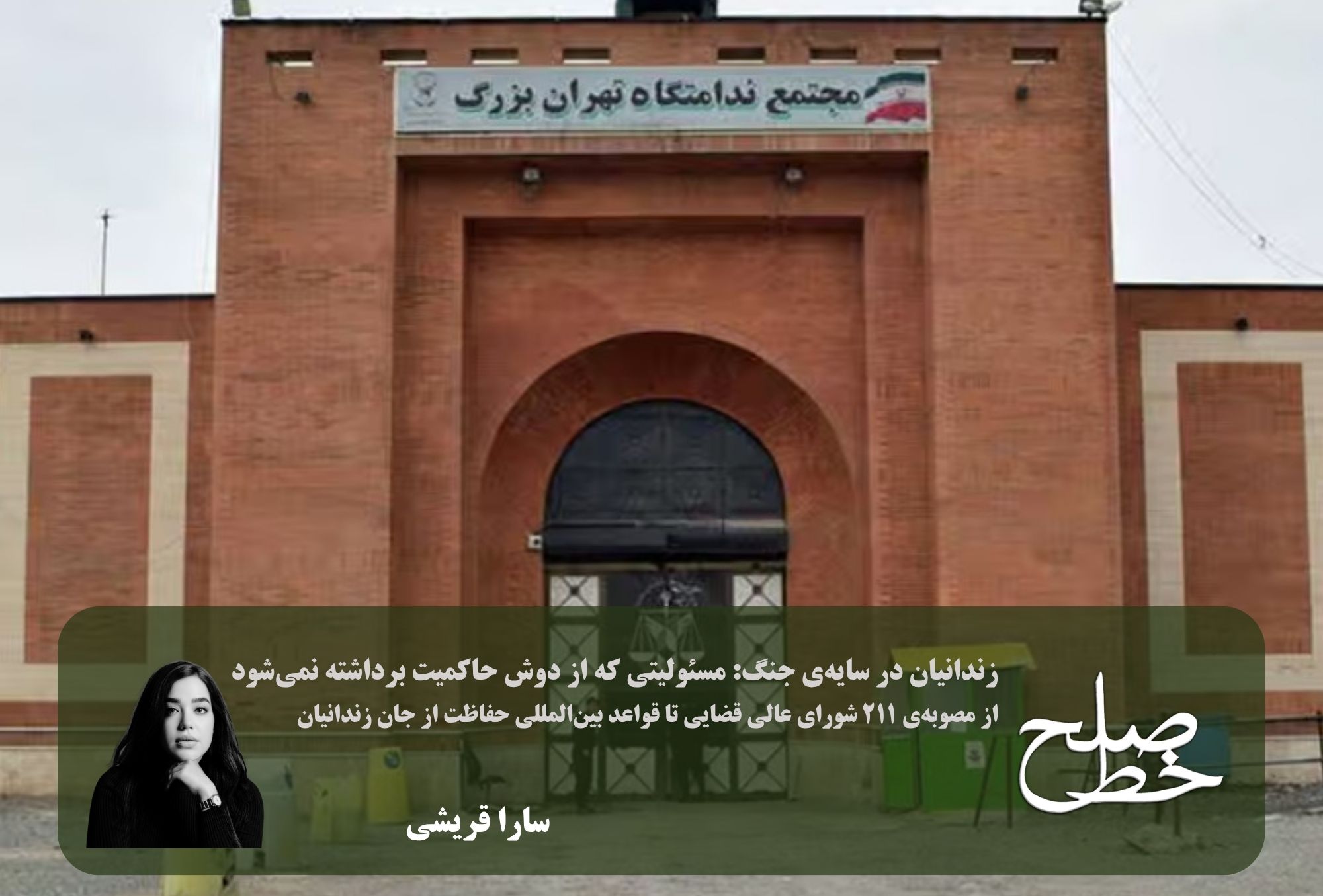
Prisoners in the Shadow of War: A Responsibility That Cannot Be Lifted from the Shoulders of the State/ Sara Ghoreishi
With the escalation of military tensions and the possibility of expanding conflict, concerns about the safety of prisons and the lives of prisoners have significantly increased. Prisoners are among the most vulnerable groups in any crisis situation, as they have no independent ability to decide where they live, access medical care, or even secure their […]...
Read More
Created By:
Sara Qoreyshi March 21, 2026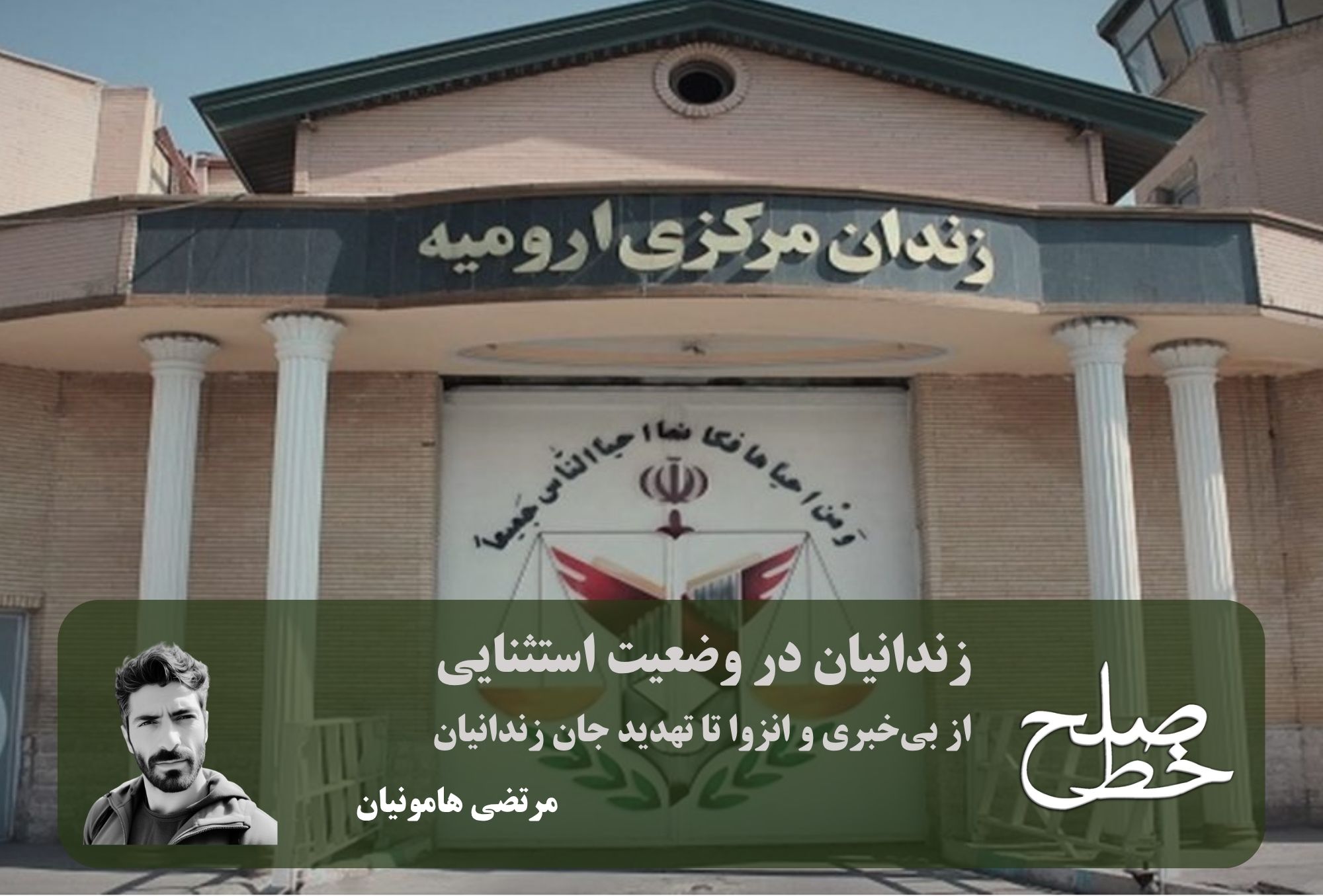
Prisoners in a State of Exception/ Morteza Hamounian
There is an uproar outside. Voices echo and the roar of shouting can be heard. Among the guards and in the corridors, there is constant whispering. But no one tells the prisoner anything. The prisoner is treated as an outsider. From time to time, from near and far, the sound of explosions reaches the ear. […]...
Read More
Created By:
Morteza Hamounian March 21, 2026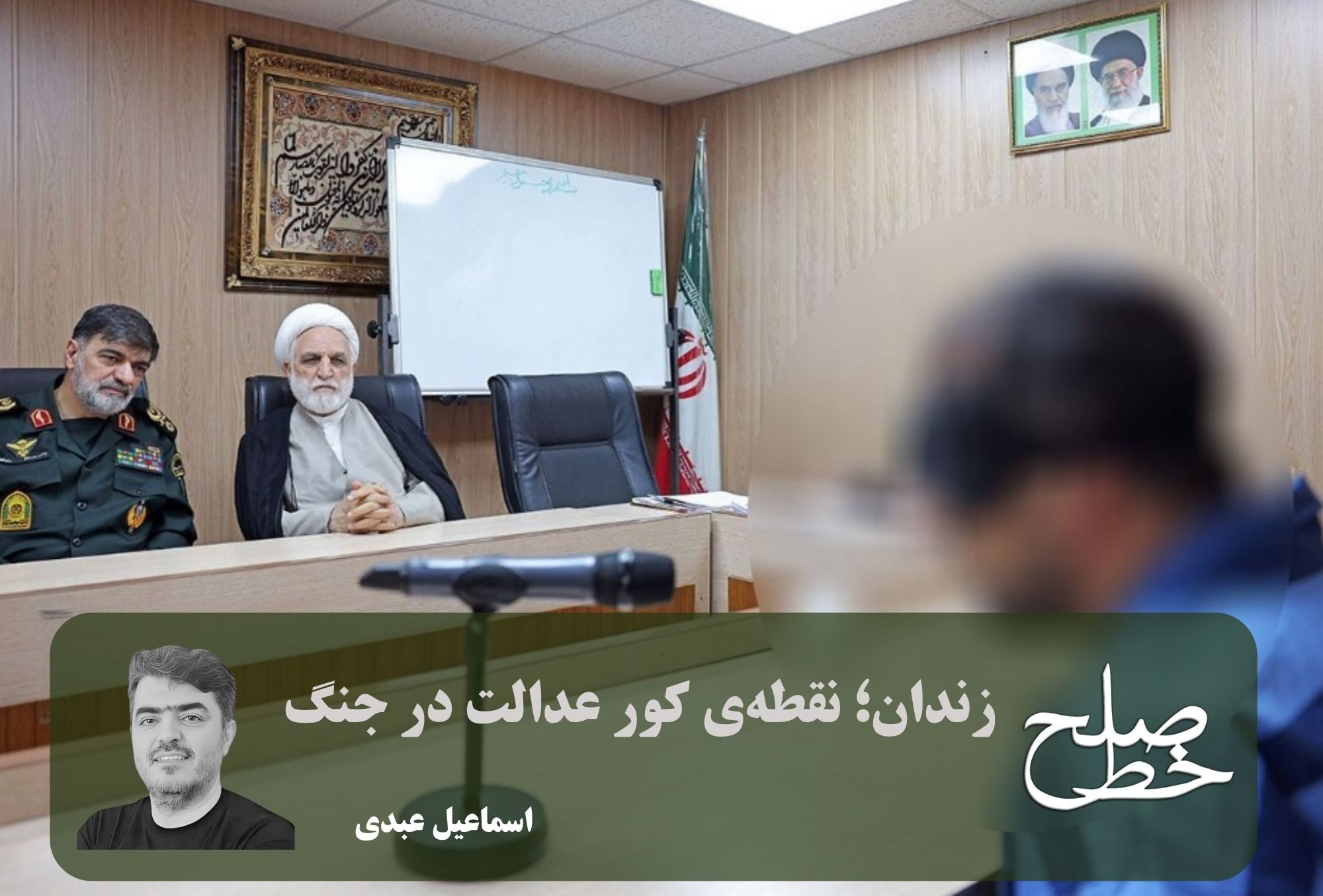
Prison: The Blind Spot of Justice in War/ Esmail Abdi
Based on nearly nine years of my own lived experience in four prisons—Evin, Rajai Shahr, Nadamatgah, and Kachouii in Karaj—I can say with certainty that the system of the Islamic Republic of Iran, despite the existence of domestic laws and its human rights claims, has consistently shown that preserving the human dignity of prisoners and […]...
Read More
Created By:
Ismail Abdi March 21, 2026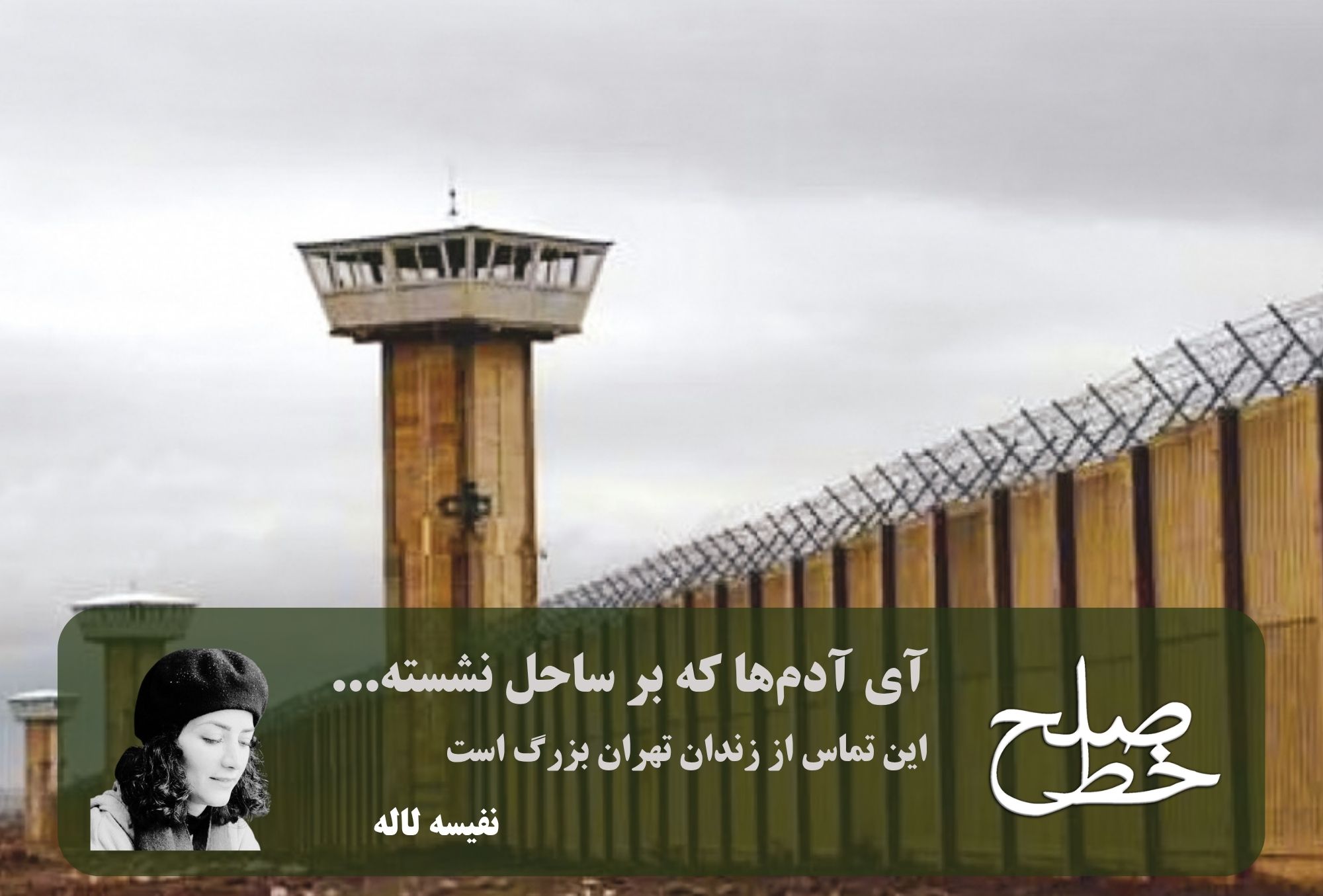
O People Sitting on the Shore… This Call Is from Greater Tehran Prison/ Nafiseh Laleh
The young Iran of yesterday is old today, and has lost its way. An Iran in which the concept of life has been reduced to “bare life,” and the “state of exception” belongs not merely to yesterday and today, but is the product of long years of erasing the boundary between life and death. A […]...
Read More
Created By:
Nafiseh Laleh March 21, 2026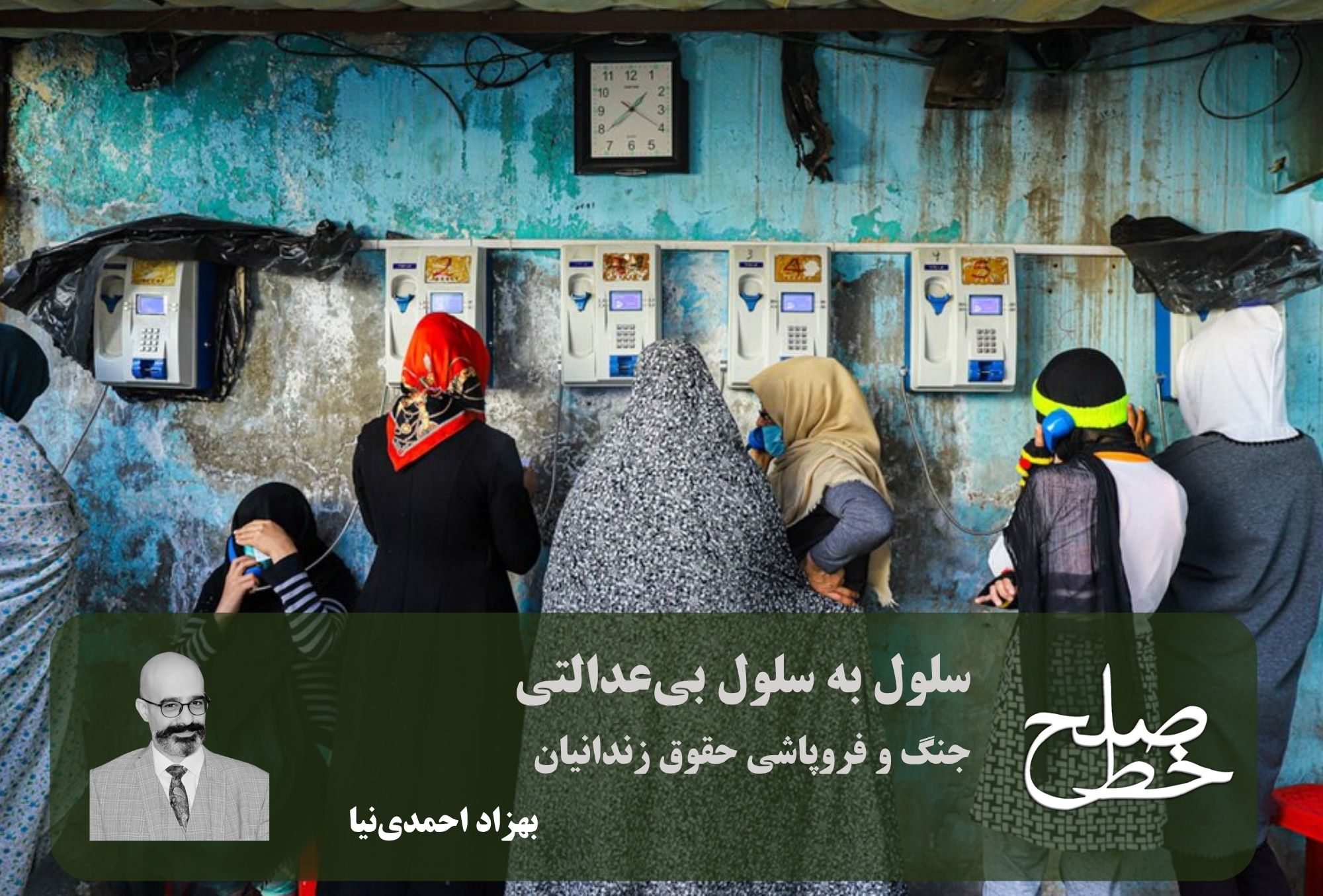
Cell by Cell of Injustice; War and the Collapse of Prisoners’ Rights/ Behzad Ahmadinia
Prisons and prisoners in Iran have perhaps never had laws or rights; there have been years when the situation was relatively better and the most basic rules were observed, and there have been dark years when Lajevardi and Dr. Ahmadi ruled over the lives and deaths of prisoners and their basic rights. The US and […]...
Read More
Created By:
Behzad Ahmadinia March 21, 2026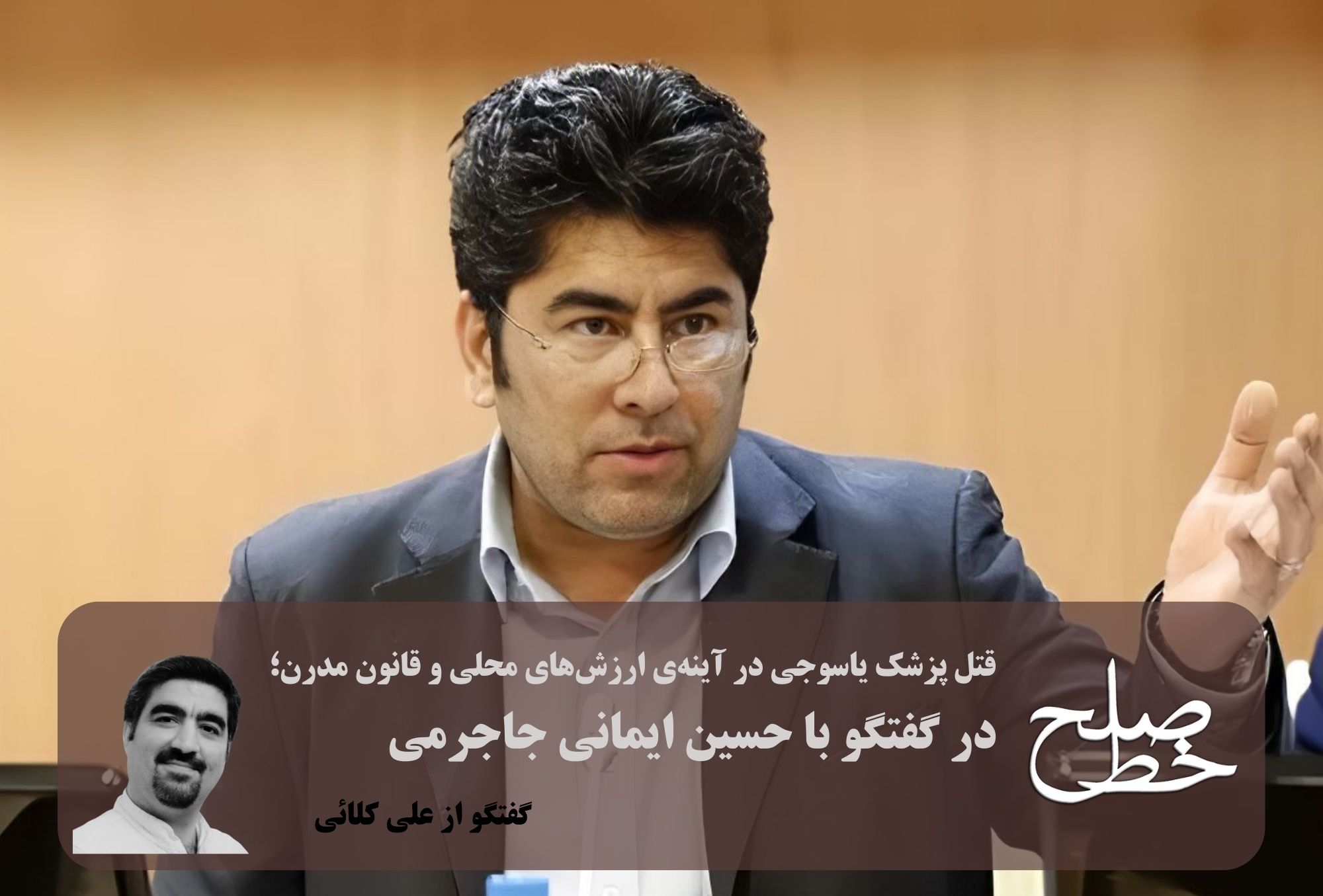
The Murder of the Yasouj Doctor Through the Lens of Local Values and Modern Law; A Conversation with Hossein Imani Jajarmi/ Ali Kalaei
The case of the murder of a doctor in Yasouj, the grand funeral of the convicted killer after his public execution, the participation of a local preacher in the ceremony, and ultimately the presence of a member of parliament at the home of the executed man to offer condolences have raised serious questions in the […]...
Read More
Created By:
Ali Kalaei December 22, 2025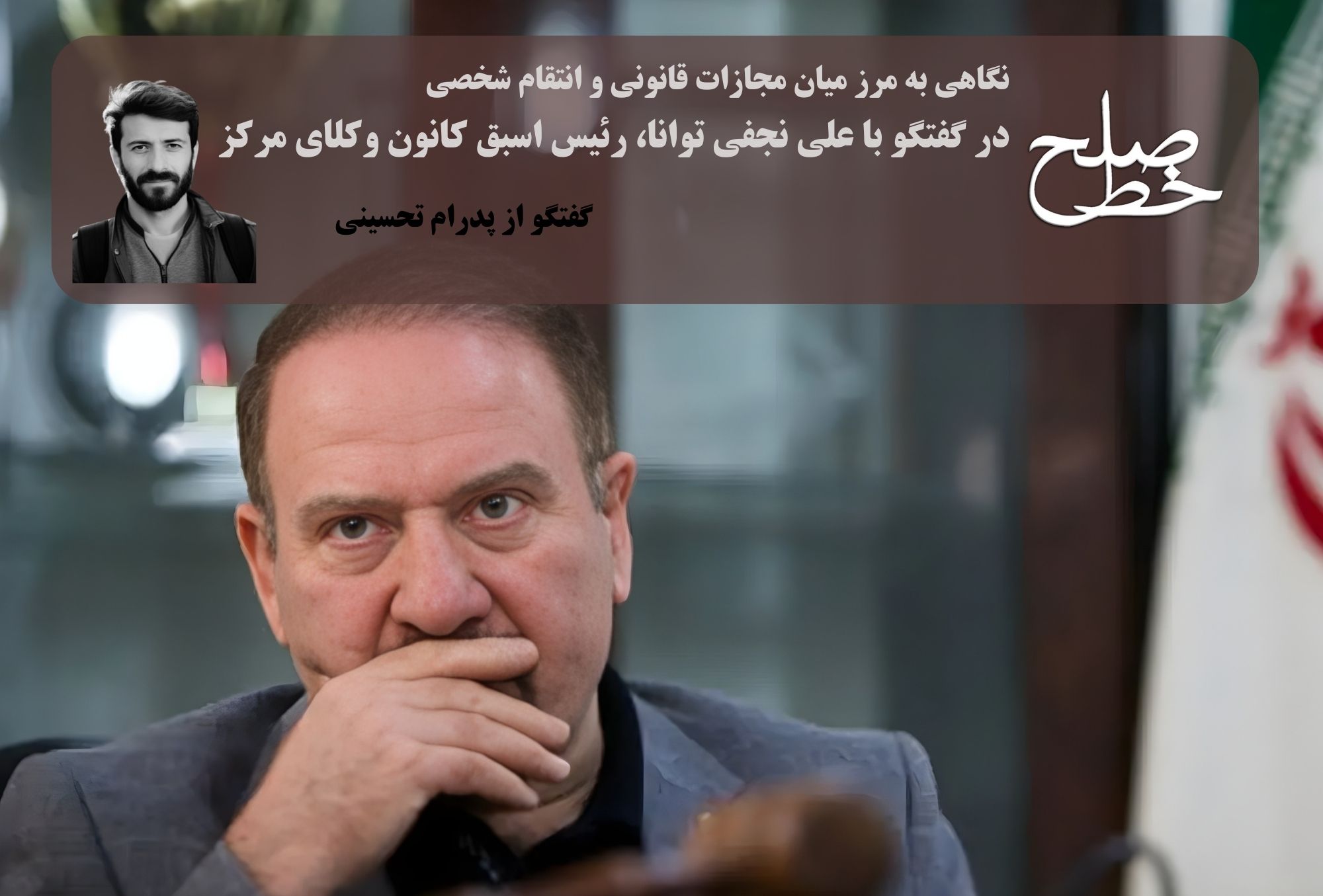
A Look at the Line Between Legal Punishment and Personal Revenge; A Conversation with Ali Najafi Tavana/ Pedram Tahsini
Ali Najafi Tavana was born in 1953 (1332) in the Alamut region of Qazvin. He completed his primary education in Tonekabon and graduated from Hafeziyeh High School in the same city. In 1972 (1351), he was admitted to the Faculty of Law at the University of Tehran, where he earned a bachelor’s degree in judicial […]...
Read More
Created By:
Padram Tahsini December 22, 2025
The Chain of Trust Crisis in Iranian Society/ Majid Shieh-Ali
The murder of a doctor in Yasuj and the widespread support for the perpetrator is an issue that, amid the significant crises and incidents of recent months, has gone largely overlooked. Although the act itself was deeply painful, the broad support for the murderer—even from official figures—revealed that we are facing a fundamental crisis. The […]...
Read More
Created By:
Majid Shia’ali December 22, 2025
The Collective Psychology of Anger/ Mehdi Anbari
In both narratives, there is a moment when time seems to stop—a moment when the individual or the family realizes they can no longer wait. In one case, a doctor loses his life at work; in the other, a child who should have been within the safest circle of life becomes the victim of profound […]...
Read More
Created By:
Mehdi Anbari December 22, 2025
The Role of the State in Controlling Violence/ Sina Yousefi
Public trust in the judiciary is one of the fundamental indicators of achieving justice, and its absence paves the way for the emergence of personal justice-seeking. Personal justice-seeking is a behavior in which individuals, instead of referring to legal authorities, take matters into their own hands to obtain rights and punish violators. Such an approach […]...
Read More
Created By:
Sina Yousefi December 22, 2025
Arbitrariness in Justice: Violations of Human Rights and the Responsibility of States/Abuzar Zaman
The evolution of criminal justice and the transition from personal revenge and arbitrary justice to modern legal and penal systems is one of the signs of the civilization of human societies. Today, resorting to arbitrary justice is in clear contradiction with the right to a fair trial and human rights and in conflict with the […]...
Read More
Created By:
Abouzar Zaman December 22, 2025
