


Criminal
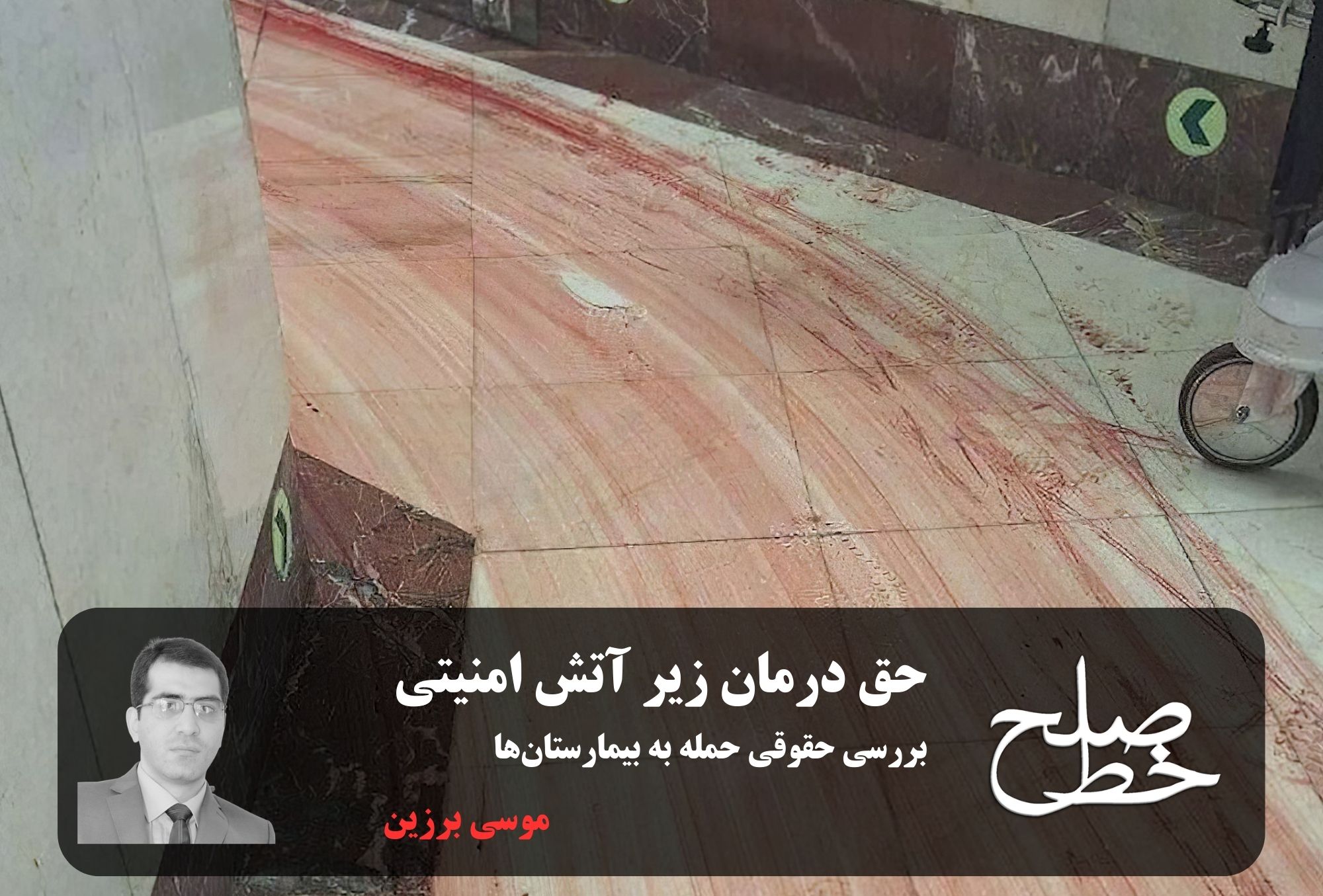
The right to treatment under security fire/Musa Barzin
During the recent protests, we witnessed many bitter incidents and extra-legal actions in Iran. One of these cases was the restriction of treatment for protesters in various forms. According to reports published from the very first days of the protests, police and security forces attacked hospitals where injured protesters had been taken, creating heartbreaking scenes. […]...
Read More Created By:
Mousa Barzin
Created By:
Mousa Barzin February 20, 2026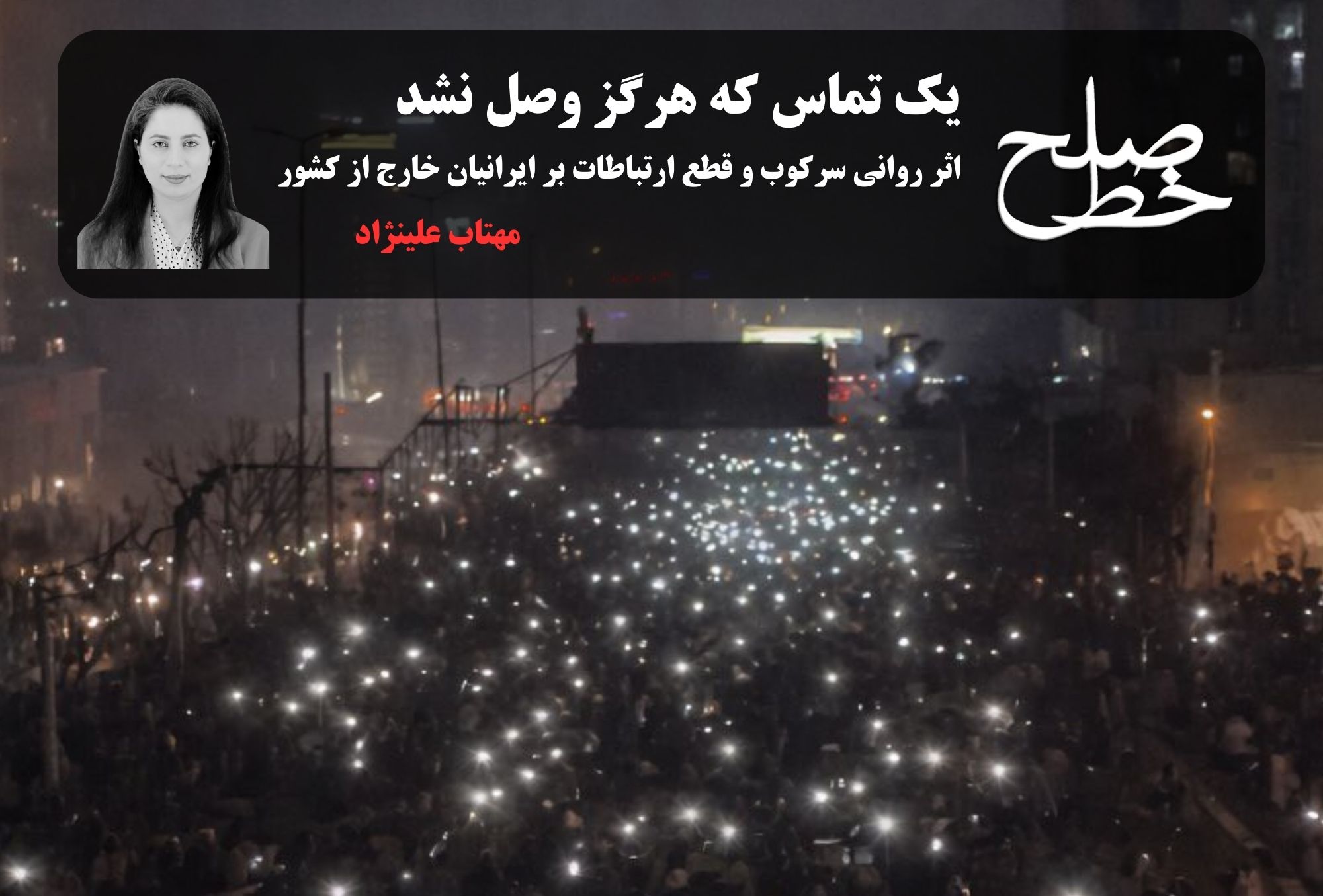
A call that never connected/ Mahtab Alinejad
It’s almost three in the morning. The cold light of a mobile phone illuminates the room, and the hands of a young girl in a European city restlessly glide across the screen. She dials her mother’s number for the umpteenth time. It beeps, then hangs up. Again. No messages are exchanged. The internet is down […]...
Read More
Created By:
Mahtab Alinezhad February 20, 2026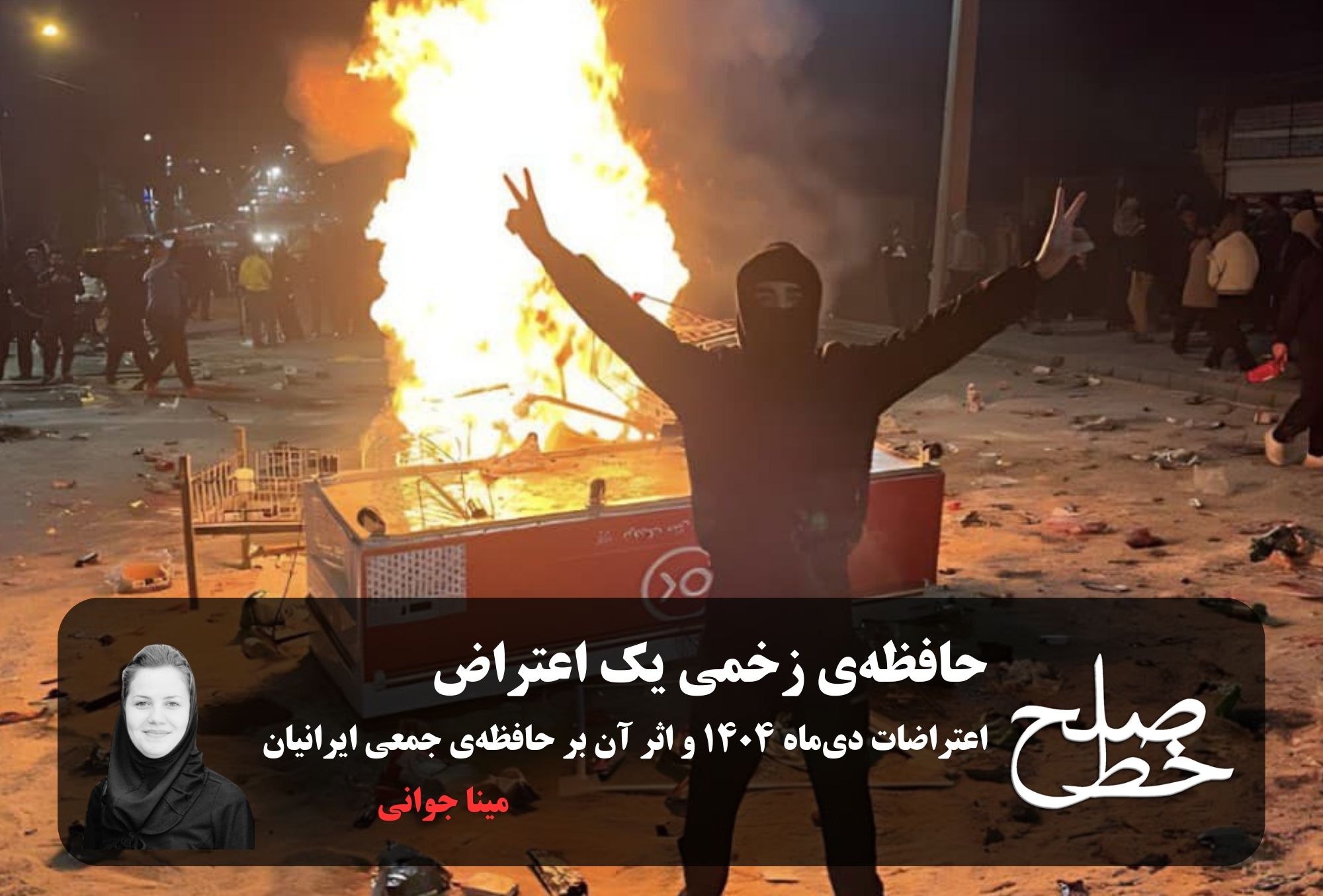
The Wounded Memory of a Protest/Mina Jawani
The protests of January 1404 are remembered neither as a single image nor as a narrative that can be easily retold. What remains is more of a scattering: unfinished scenes, videos that were cut short, streets that emptied sooner than expected. They neither became a moment of triumph nor a complete defeat; they remain in […]...
Read More
Created By:
Mina Javani February 20, 2026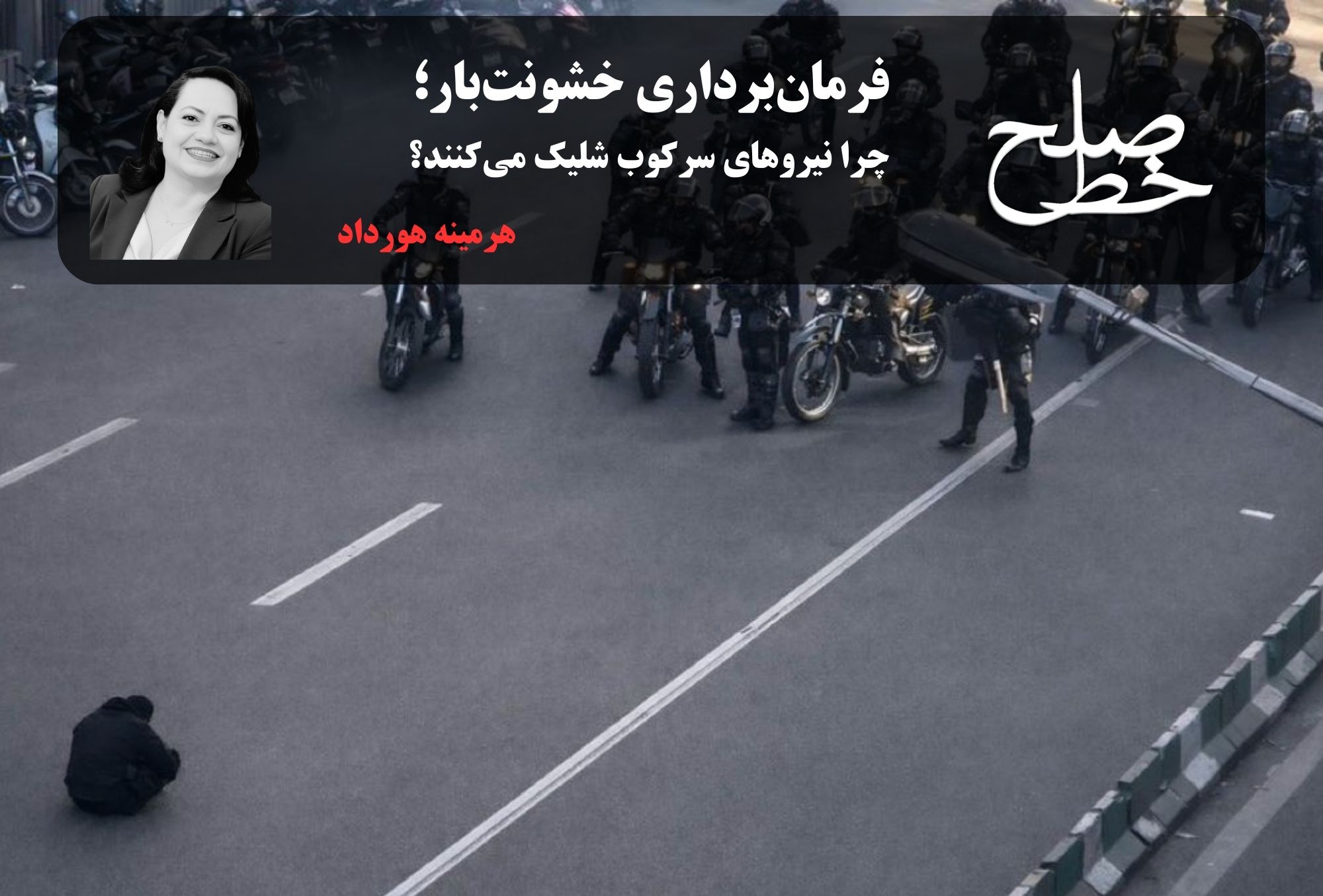
Violent subjugation: Why do the repressive forces shoot? / Hermine Hordad
A young man, caught in the crosshairs of a slave, sits cross-legged on the asphalt in the most defenseless human situation; in front of him stands the Islamic Republic’s suppression machine. A few meters away, a girl and a boy are shielding their chests from forces holding weapons. The statistics are horrifying. It is difficult […]...
Read More
Created By:
Hermineh Hourdad February 20, 2026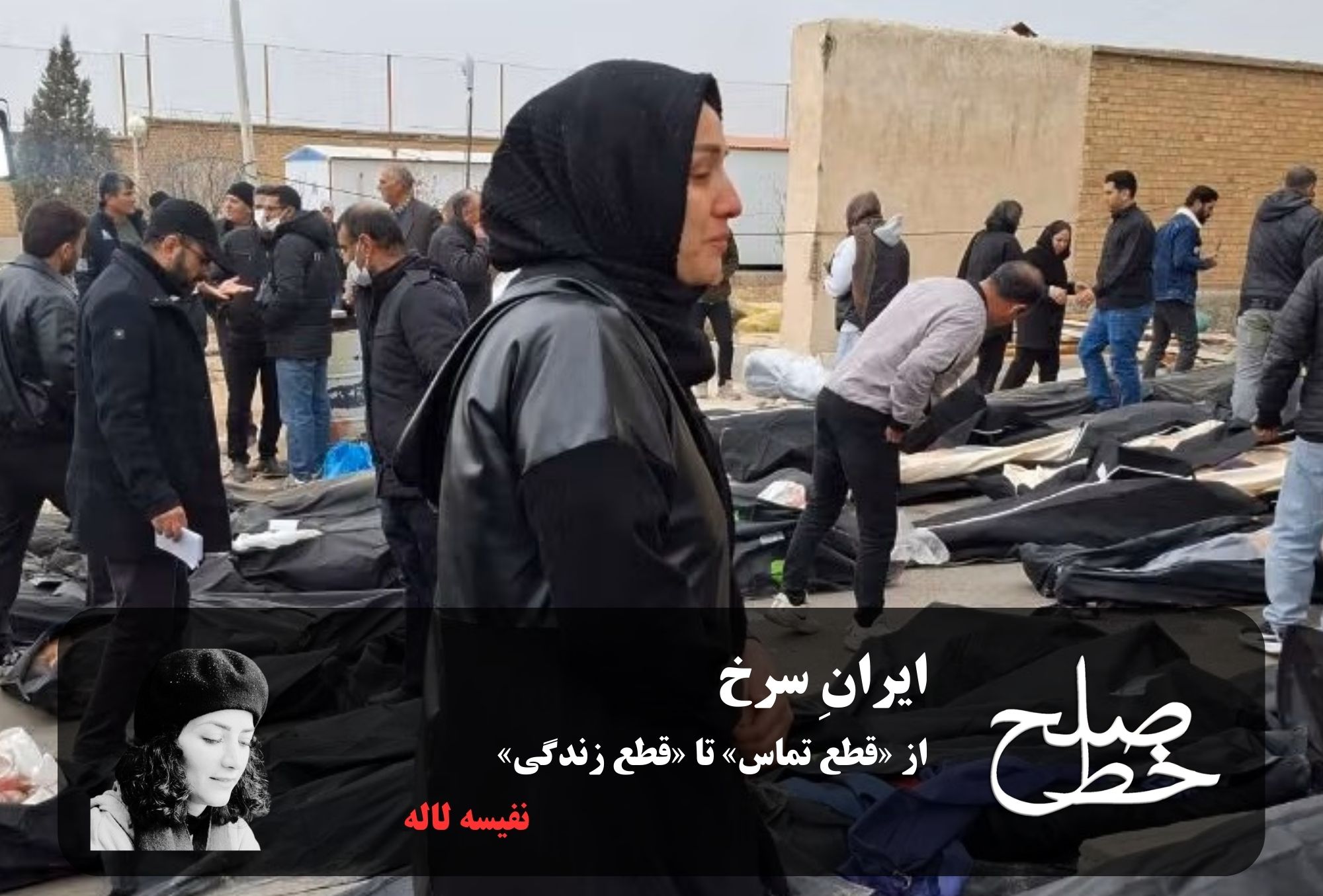
Red Iran; From “Disconnection of Contact” to “Disconnection of Life”/ Nafiseh Laleh
Tehran, evening of January 18, 1404, around 8:00 PM His excited voice echoes in the echo of the desperate voices of the street and my heart skips a beat. The call is cut off around the first minute and remains cut off for the following days and weeks; like ourselves, from life. We do not […]...
Read More
Created By:
Nafiseh Laleh February 20, 2026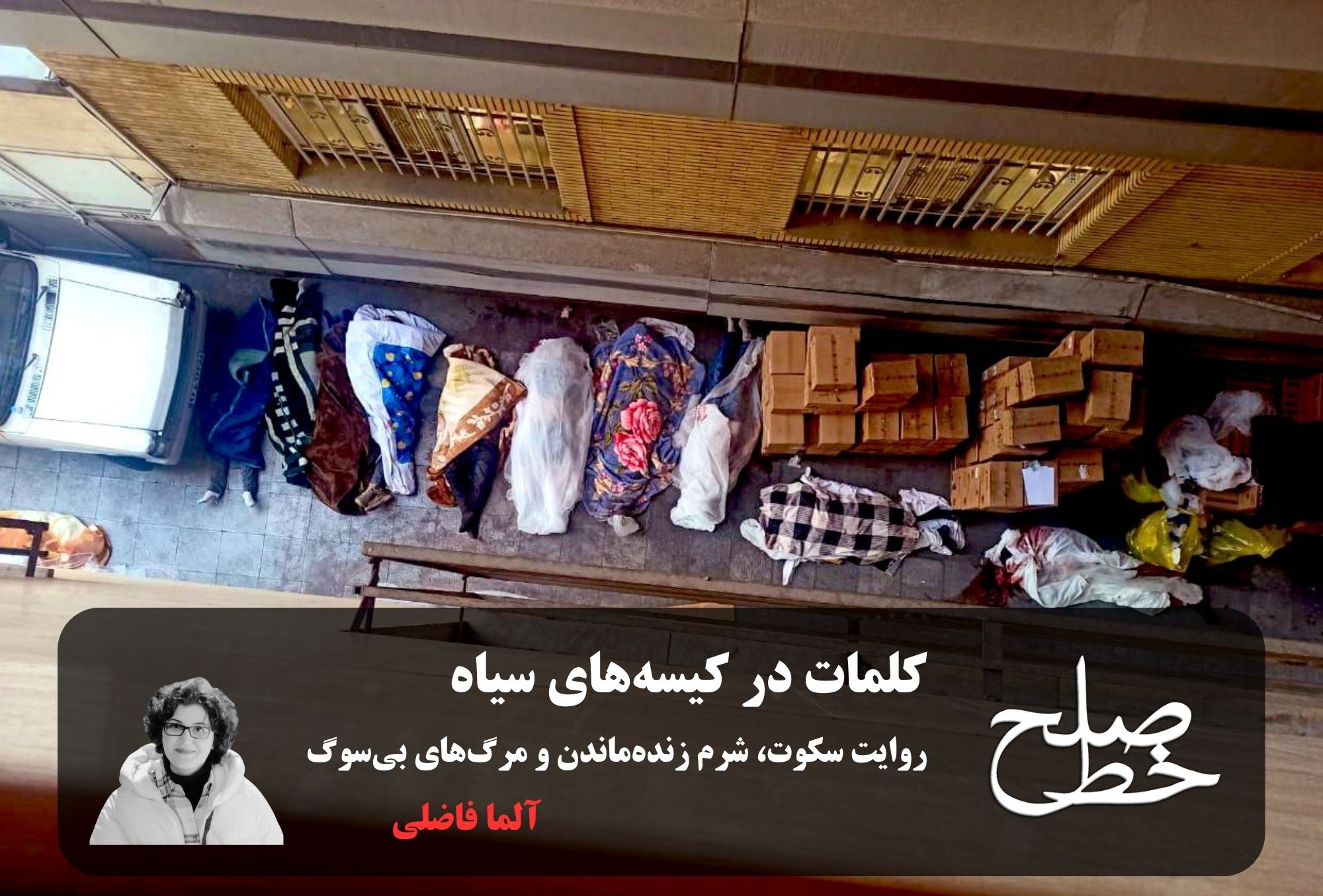
Words in Black Bags/Alma Fazeli
It has been more than sixteen years since the first image of Neda Agha Soltan’s last look was released, and about forty days since the first film of the pile of black bags for human corpses was released. Let me not go back any further, because to write about the experience of these days, I […]...
Read More
Created By:
Alma Fazeli February 20, 2026
Can restorative justice replace revenge? / Totia Partovi Amoli
We witness countless court cases every day that result in the issuance of a verdict and ultimately the punishment of the offender. However, experience has shown that in today’s world, the issuance and execution of sentences does not necessarily mean the realization of justice. In many cases, the victim is still dissatisfied after the end […]...
Read More
Created By:
Toutia Partovi Amoli December 22, 2025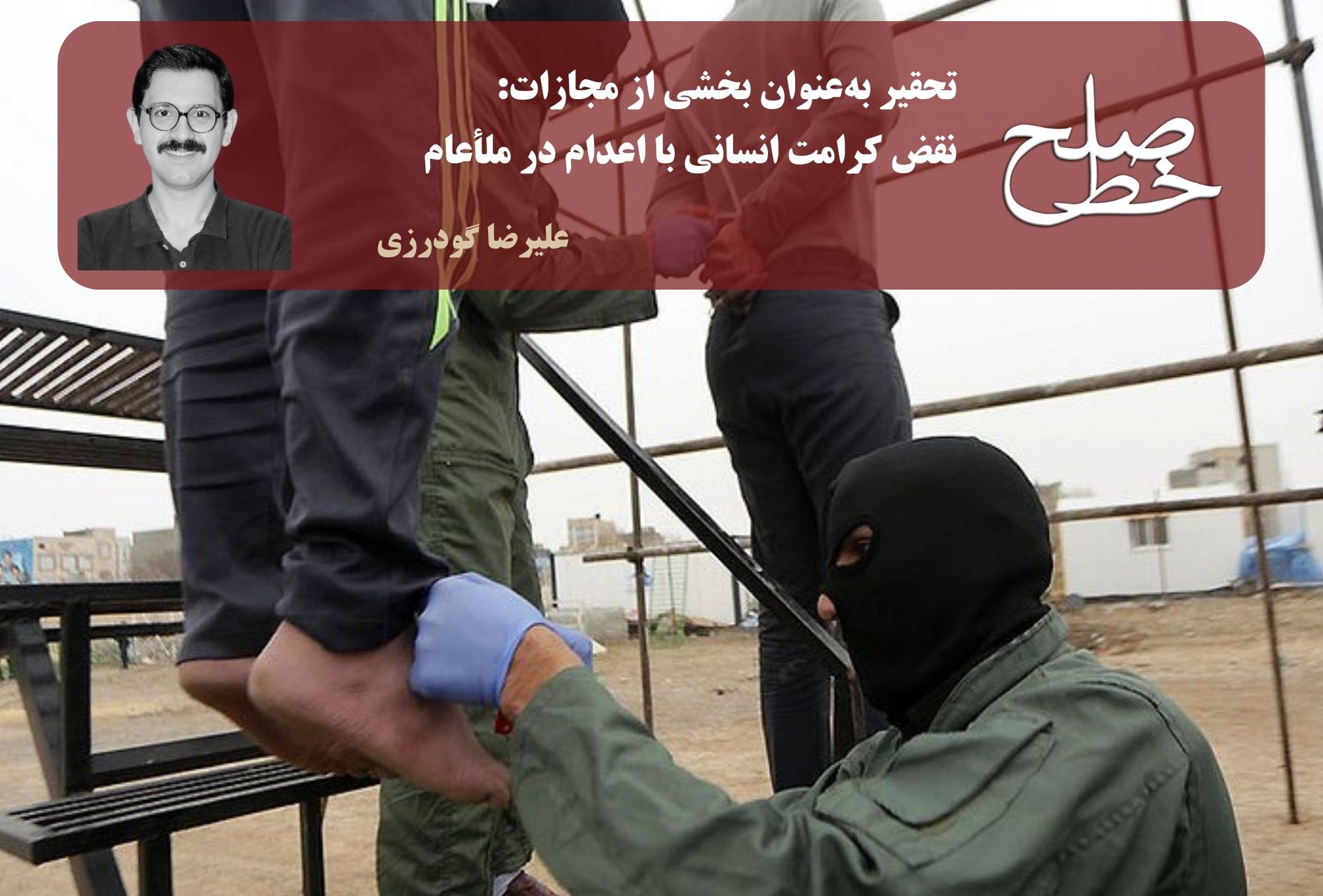
Humiliation as Part of Punishment: The Violation of Human Dignity Through Public Executions/ Alireza Goodarzi
Let us begin by distinguishing between a criminal, a suspect, and anyone else outside these categories. A person living in society may come under legal suspicion of having committed a crime. From that moment on, this individual is referred to as a “suspect.” Once the accusation is proven in a competent court, with all legal […]...
Read More
Created By:
Alireza Goodarzi September 23, 2025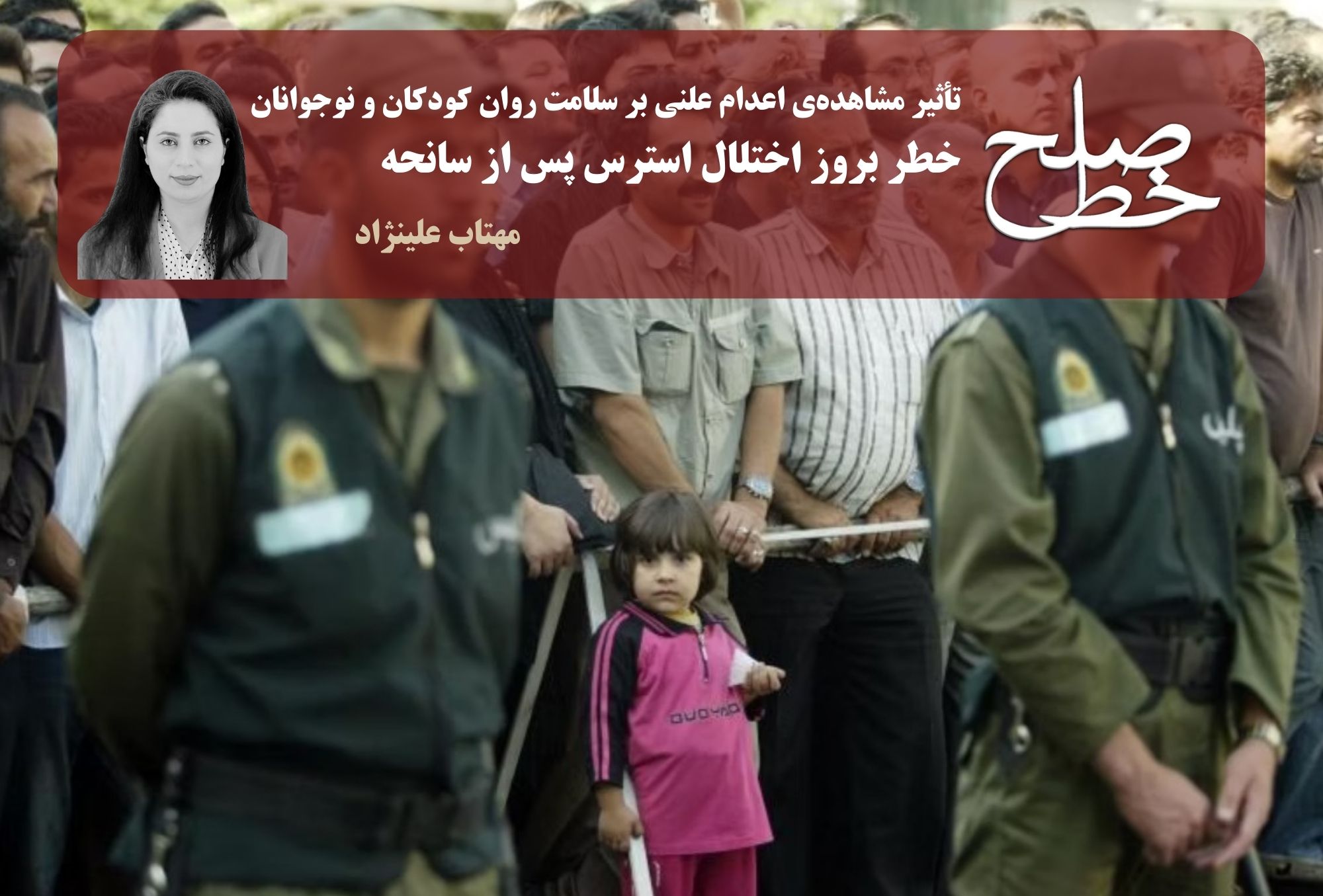
The Psychological Impact of Witnessing Public Executions on Children and Adolescents/ Mahtab Alinejad
On a cold winter morning, in the heavy silence of a city square, a crowd gathers to witness the public execution of a condemned individual. The murmurs of the crowd and the hurried steps of the guards ripple through the air. A 4- or 5-year-old child, puffed corn snack in hand, stands next to his […]...
Read More
Created By:
Mahtab Alinezhad September 23, 2025
یIs preserving the historical memory of committed crimes a part of human rights? / Mahnaz Sharayati
Definition of historical memory and its difference from history. If we study “history” officially and systematically through sources and remnants left by people in the past, the “historical memory” is that part of history which is transmitted socially, culturally, and politically through a group or community of people. Two features are mentioned to know the […]...
Read More
Created By:
Mahnaz Shariati May 22, 2023
