


Right to Life
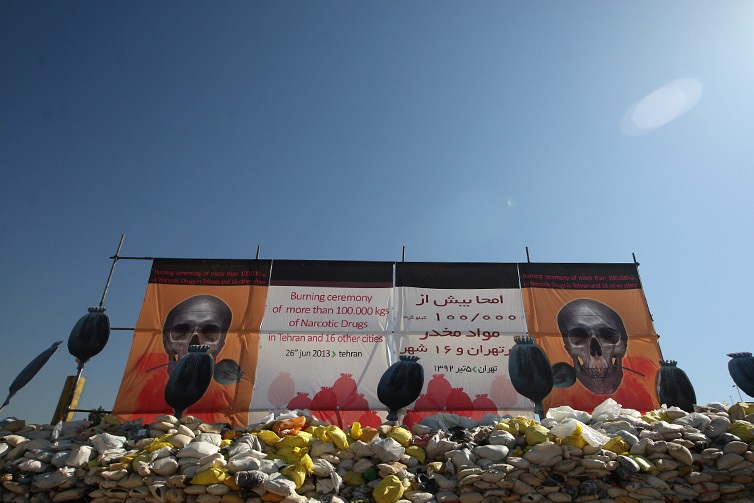
The winners and losers of the drug industry in Iran/ Mehdi Dehghan
This is a caption این یک عنوان است This is a caption. Mehdi Dehghan The economic problems in Iran have caused the profitable trade of drugs and their smuggling to become larger every day, leading to an increase in the influx of dirty money into the Iranian system and a more severe problem of money […]...
Read More Created By: Mehdi Dehghan
 September 25, 2016
A Jurisprudential Review of the Execution Punishment for Drug Offenders/ Hassan Farshchian
Hassan Farshchian According to the fact that in the legal system of the Islamic Republic of Iran, jurisprudence is considered one of the main sources of legislation, jurists and experts who agree with the death penalty for drug offenders have tried to justify the execution of these criminals based on one of the legitimate punishments. […]...
Read More Created By: Hasan Fereshtian September 25, 2016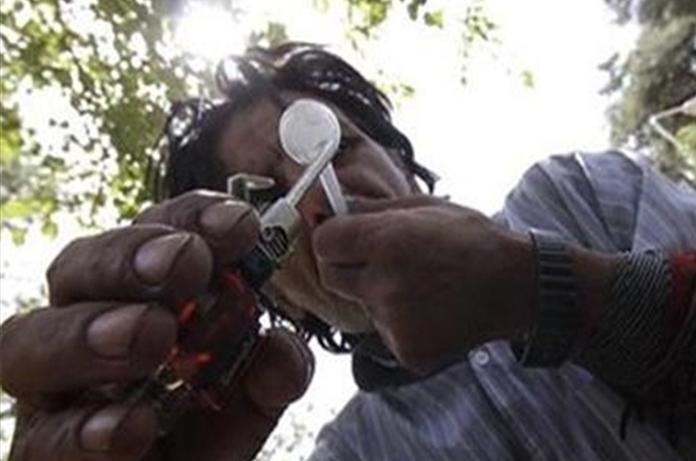
Do you hear our voice? / Saeed Modani
This is a caption. Saeed Madani A rapper has recently released a song called “National Garden” in which he attempts to depict the social situation and crises in Iranian society. In this music video, the voices of countless victims of social damages cry out to the authorities: “Do you hear our voices?” Now I, alongside […]...
Read More Created By: Saeed Madani September 25, 2016
From the inefficiency of the death penalty to forced labor camps / Mohammad Mohabi
This is a caption. Mohammad Mohabbai “Transformation of the philosophy of punishment from”“ Vindictiveness.“ To.“ Pragmatism.“ “Rights, a historical legacy of morality. I will never forget this famous statement by Dr. Nasser Katouzian, the father of Iranian law. In other words, law and justice are meant to preserve and elevate the morality of society, not […]...
Read More
Created By: Mohammad Mohebi September 25, 2016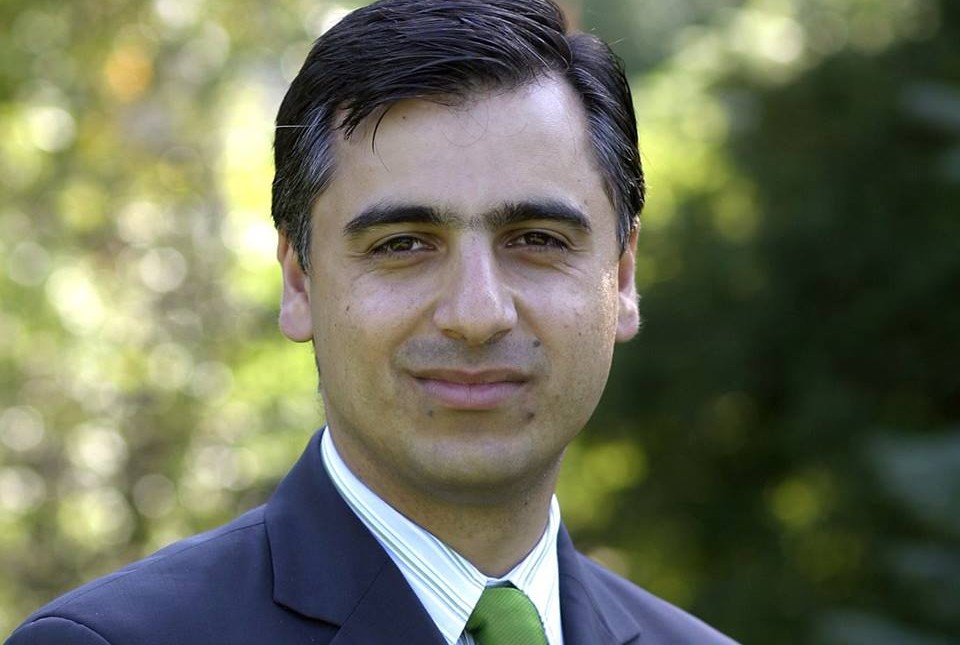
Professor Payam Akhavan: Have they even asked for forgiveness? / Morteza Hamounian
Professor Payam Akhavan, an Iranian-Canadian lawyer, human rights activist, and professor at McGill University in Montreal. Mr. Akhavan, who has been actively pursuing cases of human rights violations around the world for two decades, including as a former prosecutor for the International Criminal Tribunal for the former Yugoslavia and Rwanda, has made significant efforts to […]...
Read More
Created By: Admin August 24, 2016
About the paradox of executing successful murderers; in conversation with Mohammad Mostafaei/ Farnaz Kamali.
Conversation with Faranaz Kamali On the eve of the Persian New Year, angry men in Kabul, the capital of Afghanistan, killed a woman named Farokhondeh with their fists, sticks, and stones, under the assumption that she had burned a copy of the Quran. They then set her body on fire. The immediate release of photos […]...
Read More Created By: Farnaz Kamali May 26, 2015
Hope and despair in Qazal Hasar Prison in Karaj; in conversation with an executed prisoner/ Simin Rouzgar.
Hope and despair, together, are intertwined in Karaj’s Qezel Hessar prison – one of the largest prisons in the Middle East – despite thousands of prisoners under death sentences. It has been a few months since prisoners have heard whispers that the current laws regarding issuing death sentences for drug-related crimes may change; on one […]...
Read More Created By: Simin Rouzgard April 25, 2015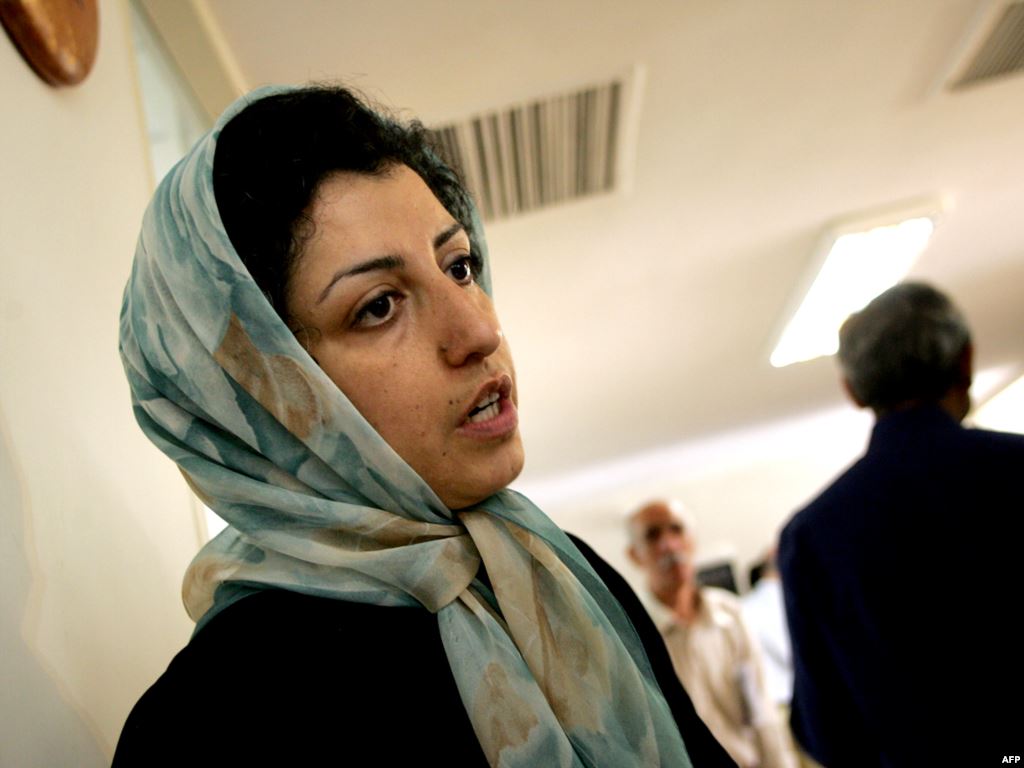
Narges Mohammadi: Drug traffickers are victims of poverty / Ali Kalaii
Prior to 1390 (2011), possession, buying, and selling of certain drugs such as hashish and industrial drugs did not carry the death penalty. However, the Expediency Discernment Council declared in a resolution that anyone carrying, buying, selling, or possessing more than 30 grams of these types of drugs would face the death penalty. This resolution […]...
Read More Created By: Ali Kalaei April 25, 2015
Mahmoud Amiri Moghadam: They admitted that execution is not the right way to fight against drugs / Forough Kamali
Dr. Mahmoud Amiri Moghadam, born in 1350 in Kerman, is a professor at the School of Medicine in Oslo, Norway. His doctoral thesis in the field of neurology is recognized as the best research in the field of medicine, and for this reason, he has received an award from the King of Norway. Dr. Amiri […]...
Read More
Created By: Farnaz Kamali April 25, 2015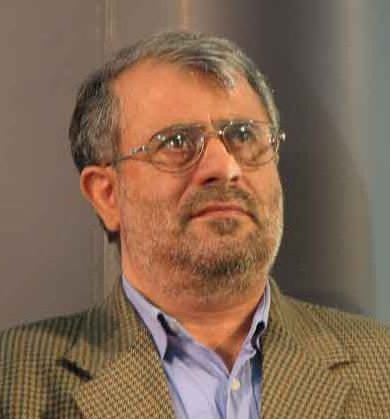
Execution of Drug Smugglers, an Act Against Sharia and Jurisprudence / Hassan Yousefi Ashkoori
Introduction – General Overview We know that in Islamic punishments and criminal laws, punishments are divided into two categories: hadd and ta’zir. Hadd punishments are laws that are clearly stated in the Quran and authentic prophetic traditions, and are known as “textual punishments”. Ta’zir punishments are punishments that are not explicitly mentioned in the Sharia […]...
Read More
Created By: Hasan Yousefi Eshkevari April 25, 2015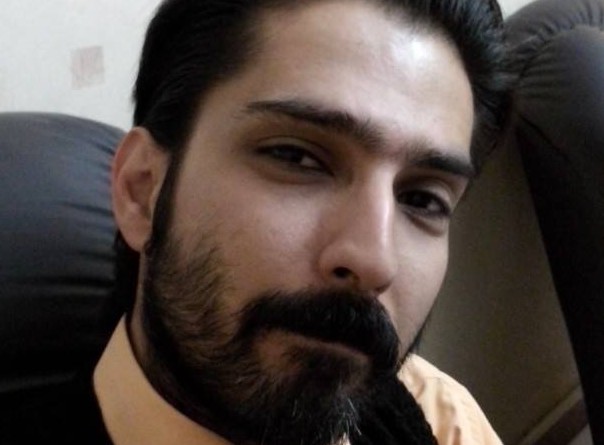
Execution, to be or not to be, that is the question! / Amir Salar Davoudi
The Iranian government has always been questioned in international forums due to the high number of executions carried out within the country. The response from Iranian officials has always been that religious laws prevent the reconsideration of the death penalty in criminal laws. However, this response has never been convincing for questioners and critics, as […]...
Read More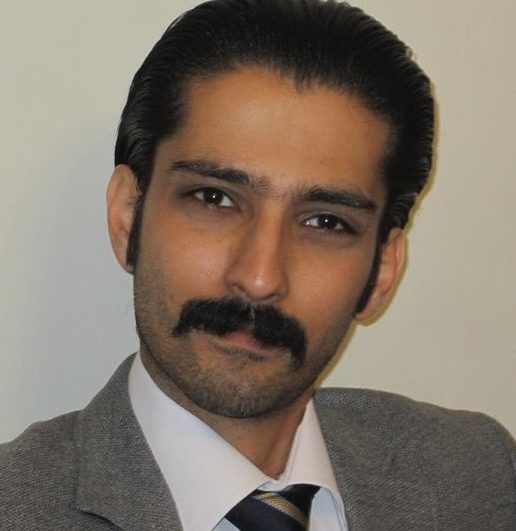 Created By: Amir Salar Davoodi April 25, 2015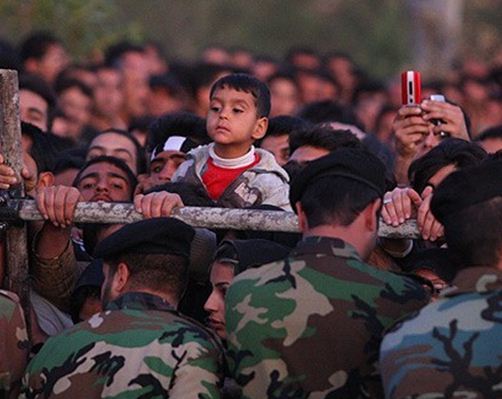
Accompanying the victim child instead of broadcasting their images / Hamed Farmand
The image of a child looking down at the camera, with a crooked face and a bitter smile, accompanied by a text that tells the story of the child’s innocence and the pity of their circumstances, has become an inseparable part of civil and political activities that protest against the situation of a prisoner or […]...
Read More Created By: Hamed Farmand April 25, 2015
