


Prisoners Rights
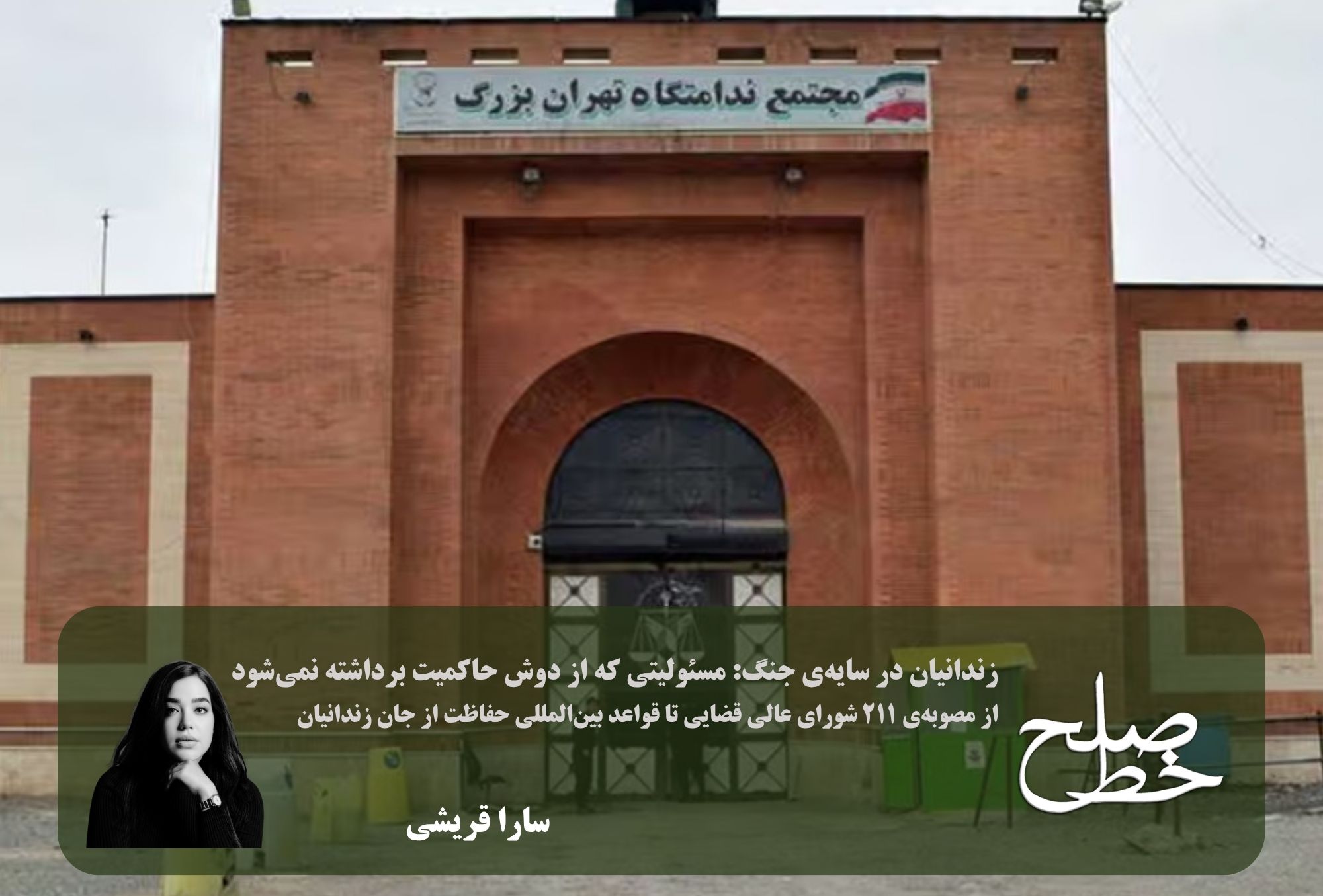
Prisoners in the Shadow of War: A Responsibility That Cannot Be Lifted from the Shoulders of the State/ Sara Ghoreishi
With the escalation of military tensions and the possibility of expanding conflict, concerns about the safety of prisons and the lives of prisoners have significantly increased. Prisoners are among the most vulnerable groups in any crisis situation, as they have no independent ability to decide where they live, access medical care, or even secure their […]...
Read More Created By: Sara Qoreyshi
 March 21, 2026
The gap between legal obligations and the reality of prisons during times of conflict/ Sina Yousefi
In contemporary international law, the situation of prisoners in situations of armed conflict is one of the areas that is particularly sensitive in international legal systems. This sensitivity stems from the fact that prisoners, as individuals who are completely at the disposal and control of governmental institutions, practically lack the ability to effectively protect their […]...
Read More
Created By: Sina Yousefi March 21, 2026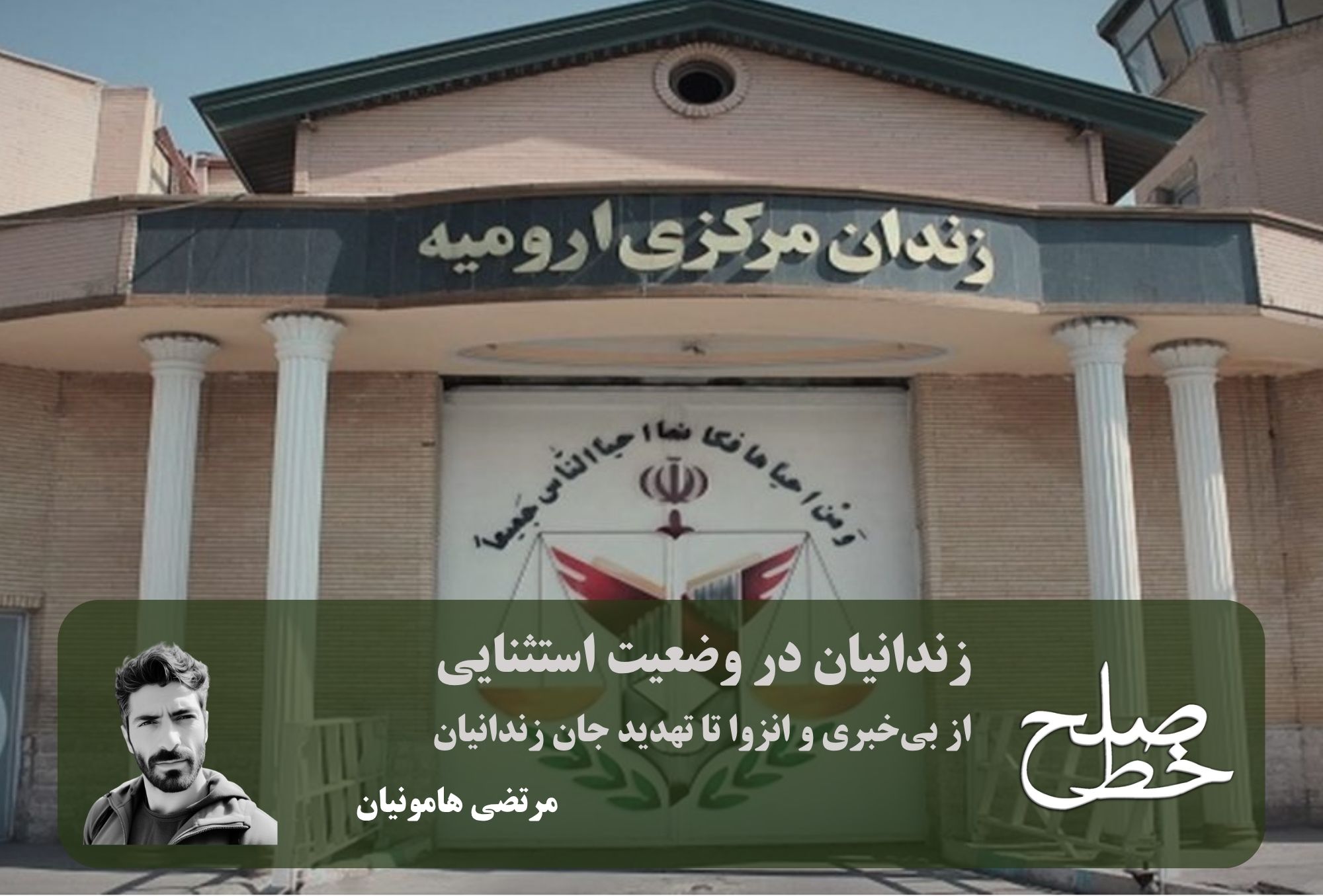
Prisoners in a State of Exception/ Morteza Hamounian
There is an uproar outside. Voices echo and the roar of shouting can be heard. Among the guards and in the corridors, there is constant whispering. But no one tells the prisoner anything. The prisoner is treated as an outsider. From time to time, from near and far, the sound of explosions reaches the ear. […]...
Read More
Created By: Morteza Hamounian March 21, 2026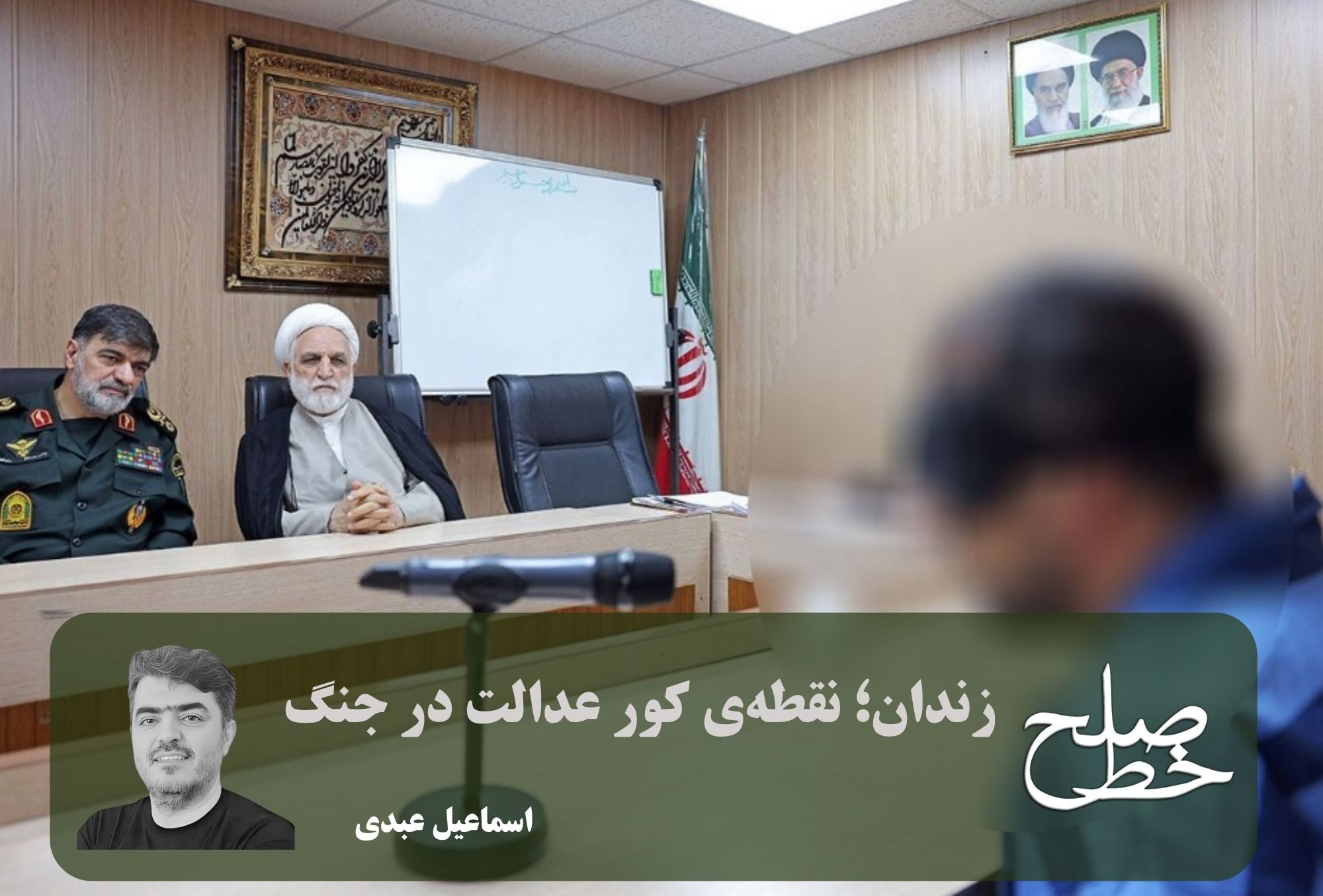
Prison: The Blind Spot of Justice in War/ Esmail Abdi
Based on nearly nine years of my own lived experience in four prisons—Evin, Rajai Shahr, Nadamatgah, and Kachouii in Karaj—I can say with certainty that the system of the Islamic Republic of Iran, despite the existence of domestic laws and its human rights claims, has consistently shown that preserving the human dignity of prisoners and […]...
Read More
Created By: Ismail Abdi March 21, 2026
O People Sitting on the Shore… This Call Is from Greater Tehran Prison/ Nafiseh Laleh
The young Iran of yesterday is old today, and has lost its way. An Iran in which the concept of life has been reduced to “bare life,” and the “state of exception” belongs not merely to yesterday and today, but is the product of long years of erasing the boundary between life and death. A […]...
Read More
Created By: Nafiseh Laleh March 21, 2026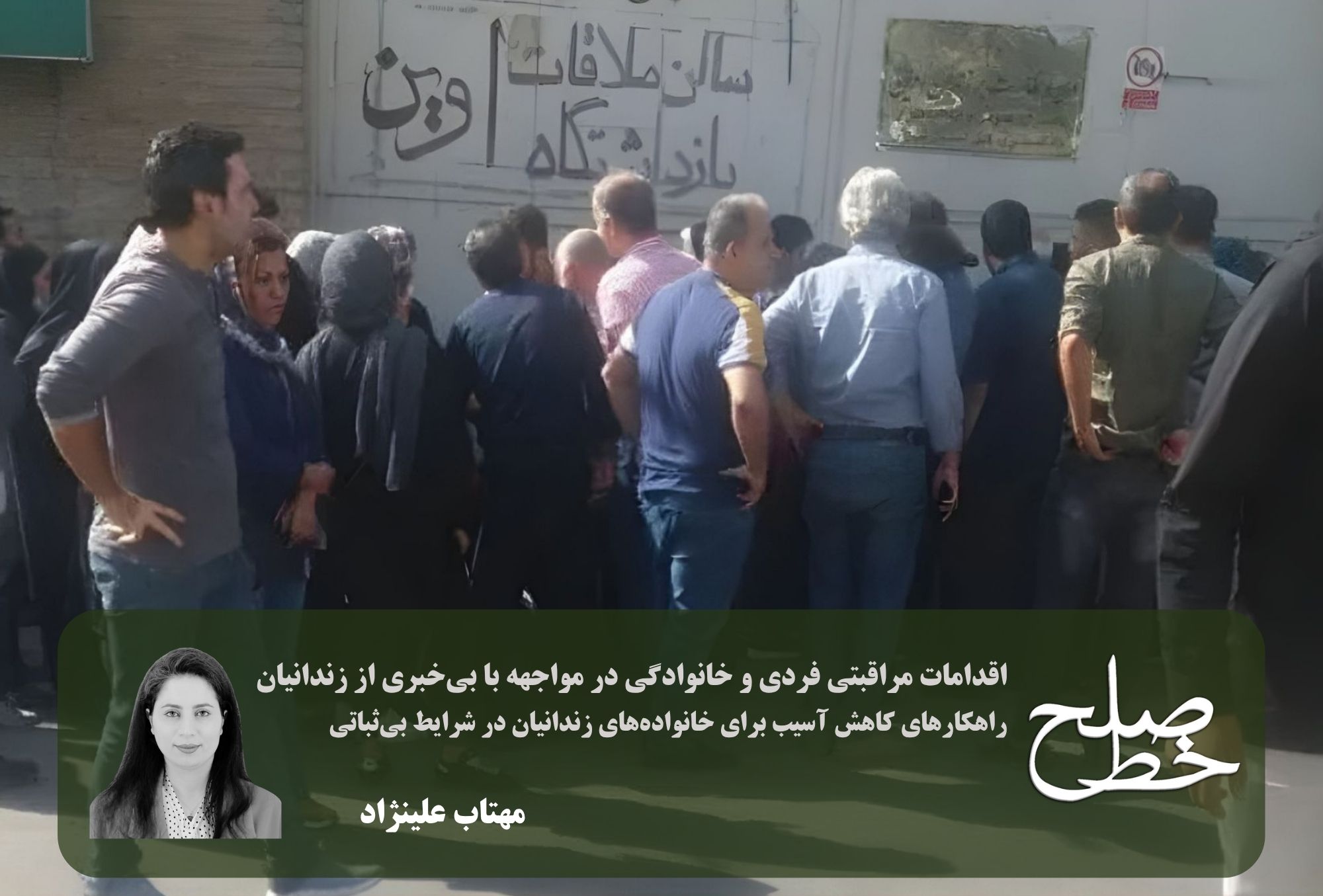
Individual and Family Care Measures in the Face of No News About Prisoners/ Mahtab Alinejad
Nights grow dark earlier than ever; not because of blackout, but because of the weight of something no one can quite name. When the siren sounds, the mother involuntarily places her hand on her chest, the very place where she last heard her son’s voice, over a crackling phone line that was cut off too […]...
Read More
Created By: Mahtab Alinezhad March 21, 2026
Oh Woe to the Captive Who Has Been Forgotten…/ Katayoun Moghaddam
Over the past three months, following the severe suppression of domestic protests in Iran and then with the outbreak of war in the region, the Islamic Republic government has drastically restricted—and at times effectively cut off—residents’ access to the internet. This disruption is not merely a break in the flow of information; it means living […]...
Read More
Created By: Katayoun Moghadam March 21, 2026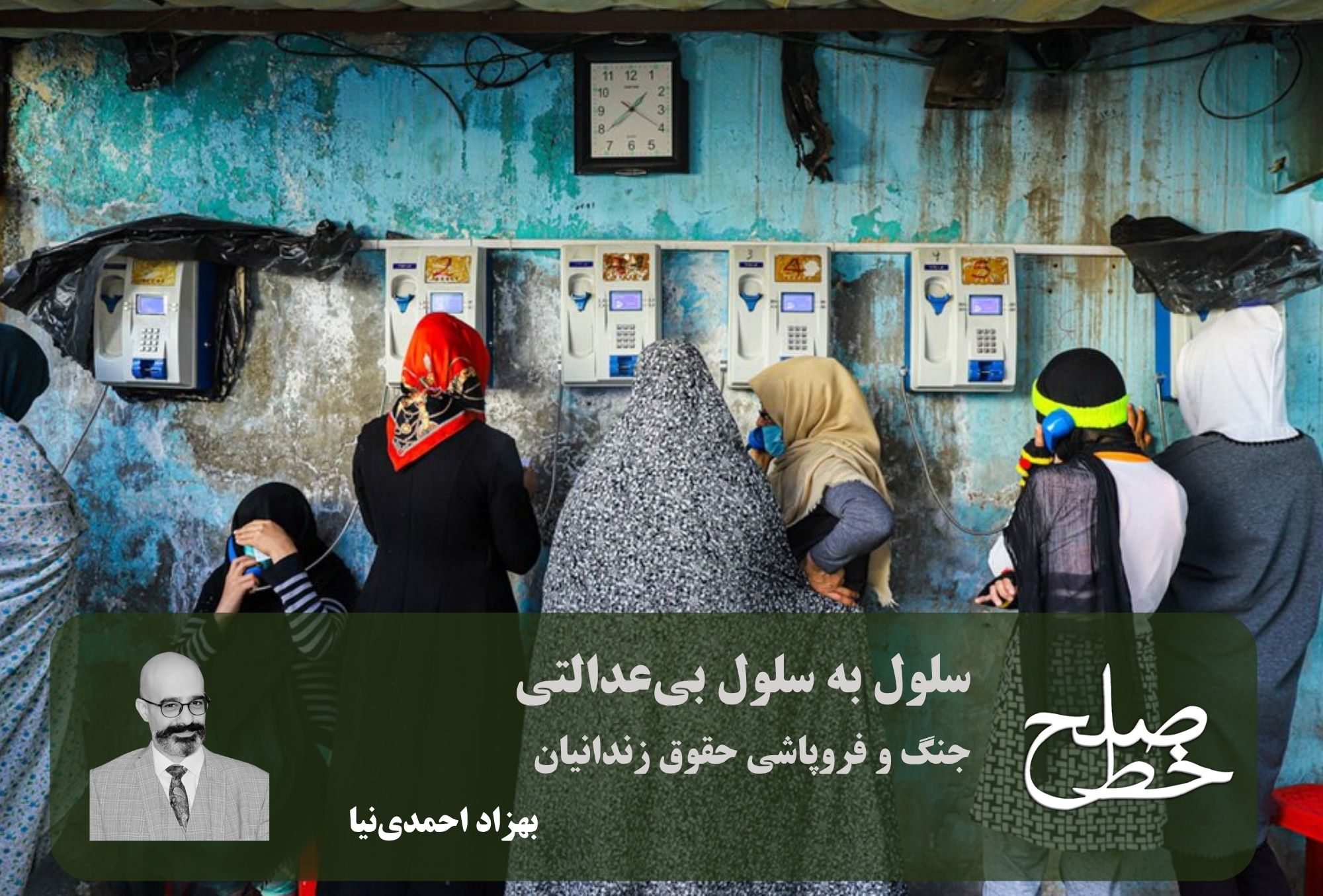
Cell by Cell of Injustice; War and the Collapse of Prisoners’ Rights/ Behzad Ahmadinia
Prisons and prisoners in Iran have perhaps never had laws or rights; there have been years when the situation was relatively better and the most basic rules were observed, and there have been dark years when Lajevardi and Dr. Ahmadi ruled over the lives and deaths of prisoners and their basic rights. The US and […]...
Read More
Created By: Behzad Ahmadinia March 21, 2026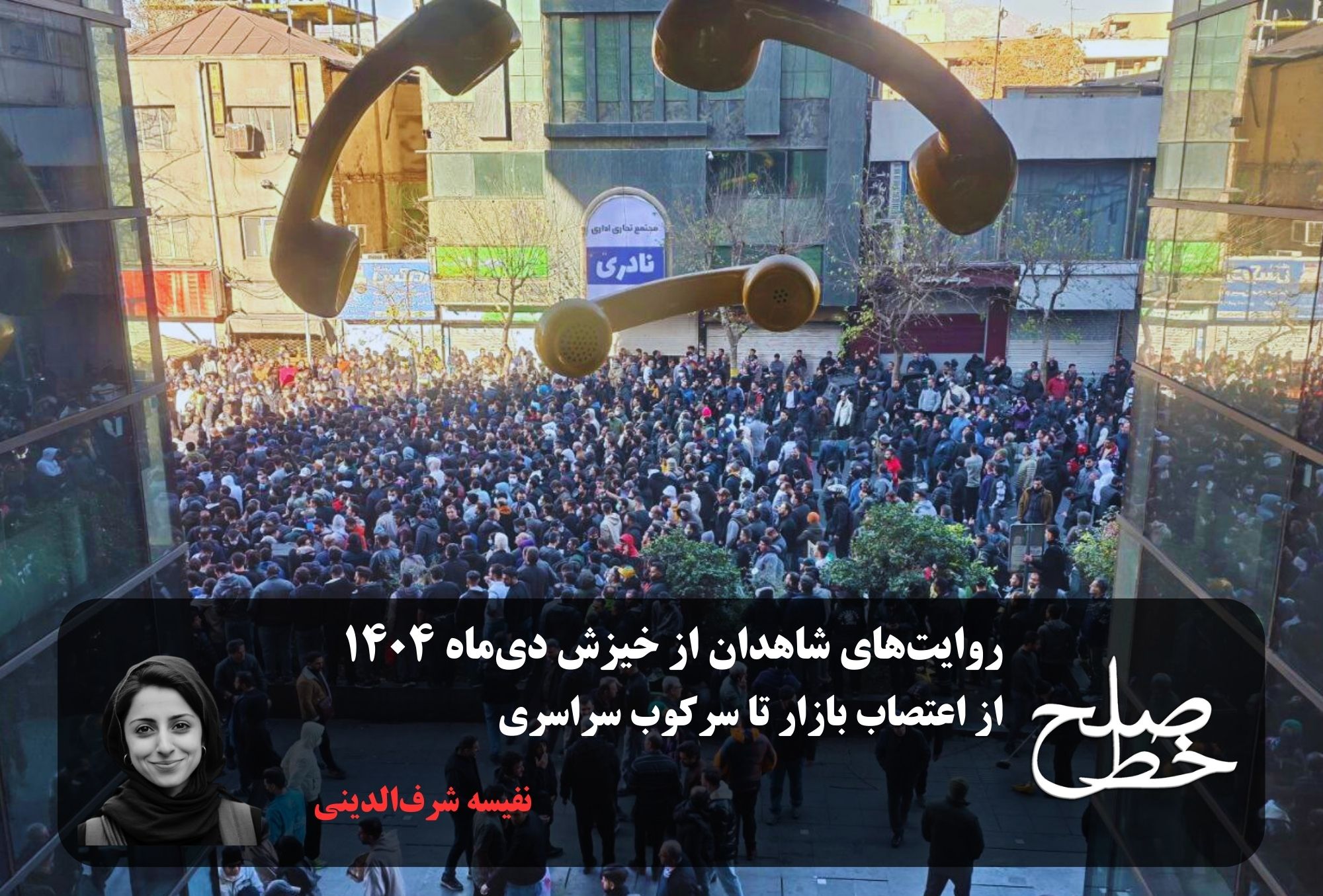
Witness accounts of the January 1404 uprising/ Nafiseh Sharaf al-Dinini
The accumulated crises in the political, economic, and social structure of the Islamic Republic reached an explosive point in January 1404, which, in terms of geographical scope, the intensity of government violence, and the depth of popular demands, constituted the most unprecedented challenge to governance in Iran’s contemporary history. The January 1404 uprising, which sprouted […]...
Read More
Created By: Nafiseh Sharafaldini February 20, 2026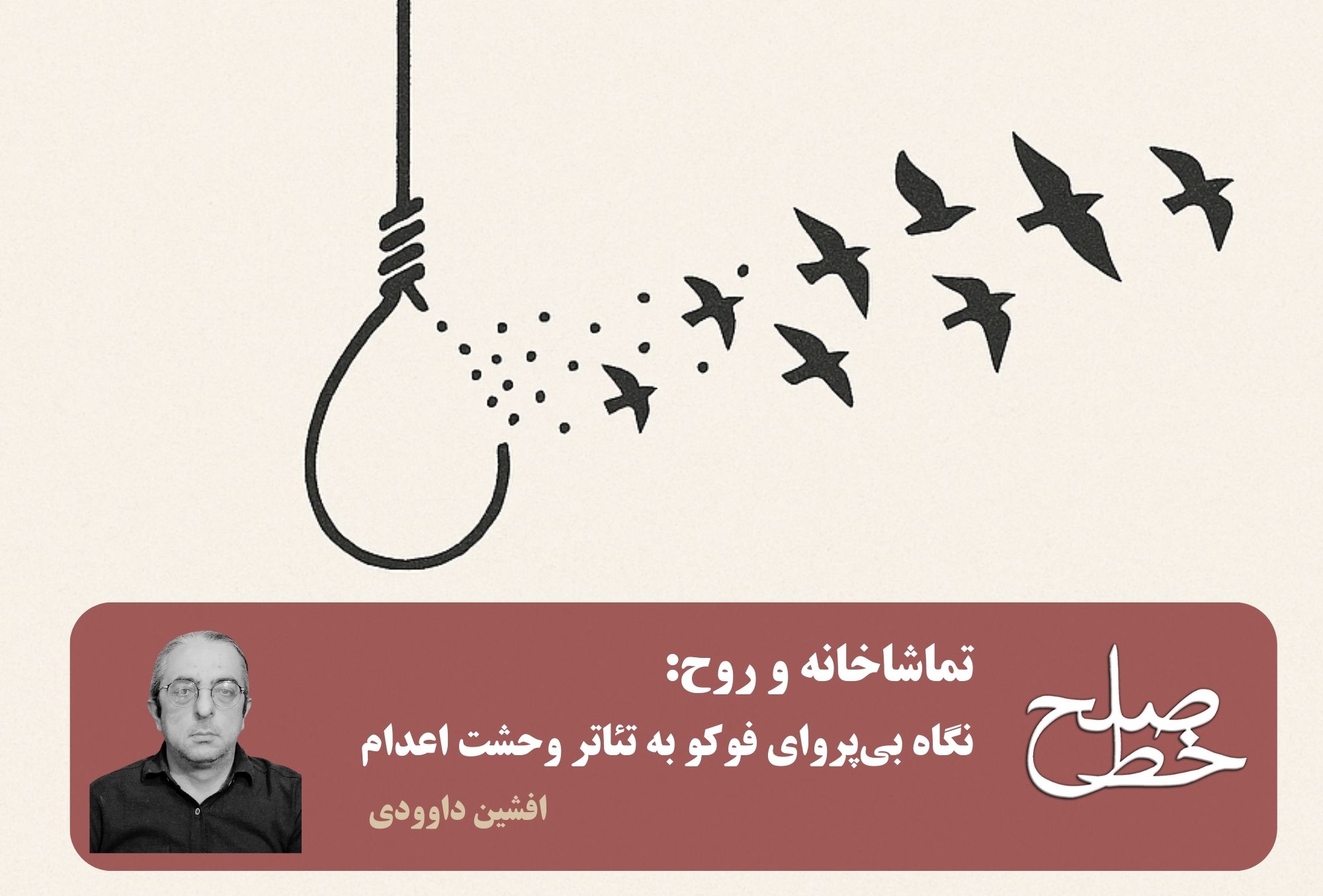
The Theater and the Soul: Foucault’s Unflinching Gaze at the Spectacle of Execution/ Afshin Davoudi
Speaking of public executions evokes a primal image: a crowd gathered in a square, a platform bathed in sunlight or shadow, and the haunting silhouette of the condemned. A scene that feels both ancient and profoundly disturbing. Most modern objections to this practice are based on human rights principles, empathy, and a deep revulsion triggered […]...
Read More
Created By: Afshin Davoudi September 23, 2025
Attack on Prisons During Wartime: Solution or Tragedy?/ Majid Shia Ali
There is precedent in modern military history for air assaults on prisons. In some cases, such incidents result from operational errors or misfires during broader military campaigns. One of the most tragic examples occurred in May 1999, when NATO launched strikes in response to the Serbian army’s ethnic repression of Kosovar Albanians. Among the multiple […]...
Read More
Created By: Majid Shia’ali July 23, 2025
“My Mehr Is Yours, My Life Is Free”: From Slogan to Official Policy/ Mousa Barzin
In recent years, mahrieh (marital dowry) has become a topic of contention and dispute both in Iranian society and within the domains of policymaking and legislation. The culturally widespread trend of setting exorbitant mahrieh amounts has led lawmakers and the Iranian judiciary to pursue policies aimed at reducing legal and judicial support for mahrieh. However, […]...
Read More
Created By: Mousa Barzin June 22, 2025
